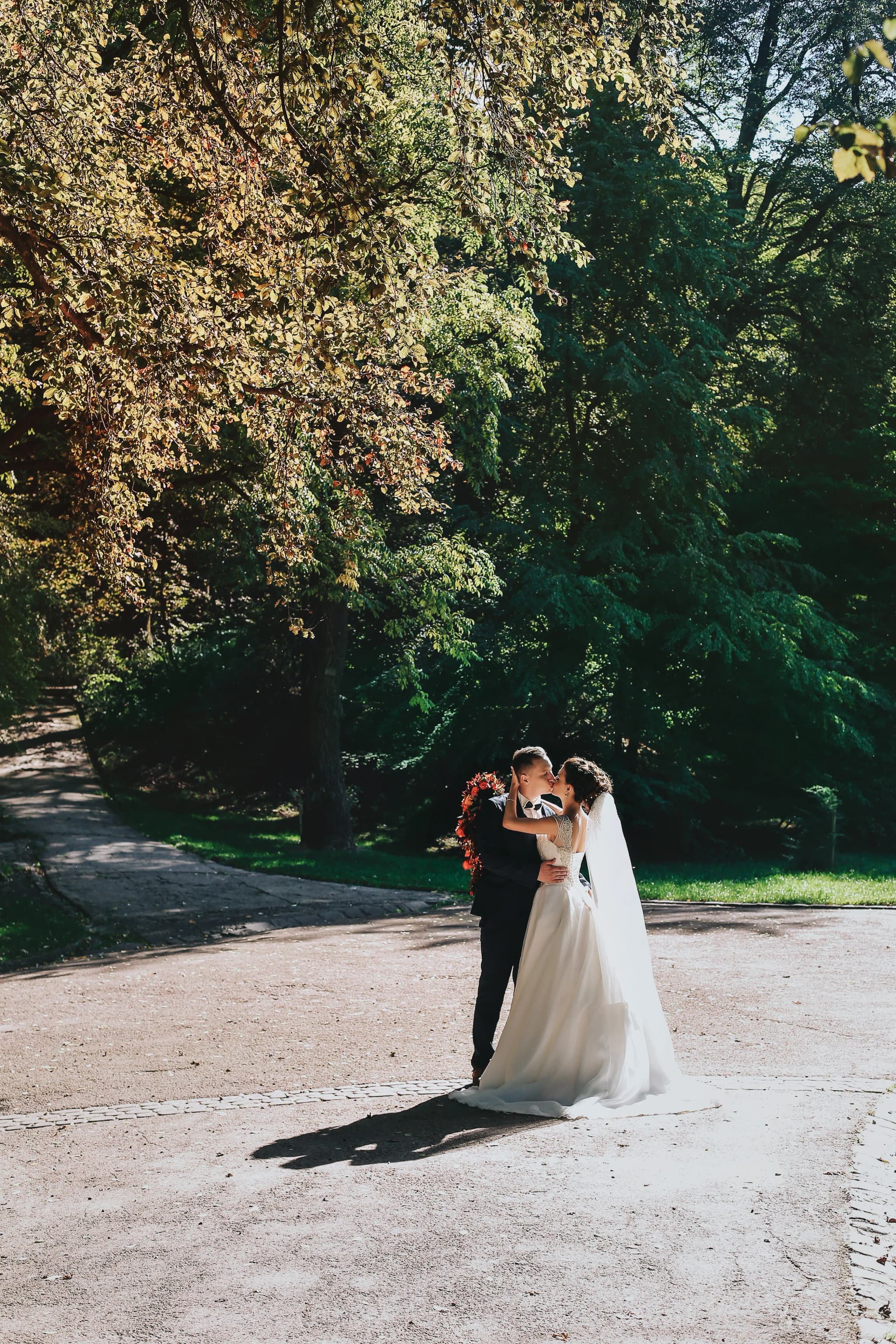
England's coastline offers some of the most dramatic and varied portrait photography backdrops in Europe: chalk cliffs, golden sand dunes, pebble beaches, wild marshland, harbour walls, and pier silhouettes. Coastal photography carries a particular emotional charge — the openness, the light, the elemental quality of wind and water — that produces images unlike anything achievable inland. This guide covers locations, timing, what to wear, and how to work with the unique challenges of shooting at the sea.
Why the Coast Works for Portraits
Several factors make coastal locations exceptional for portrait photography:
- Open sky: no buildings or trees blocking the light. The coast gives you uninterrupted golden hour from horizon to subject, creating wrap-around warmth that's impossible in urban or woodland settings.
- Natural reflectors: wet sand, shallow water, and breaking waves bounce light upward, filling shadows under eyes and chin without any artificial reflector.
- Depth and scale: the ocean stretching to the horizon creates a sense of vastness that makes small human figures feel intimate and significant simultaneously.
- Movement: wind in hair, waves at feet, fabric caught in a breeze — the coast adds natural movement to every frame.
- Texture variety: within a hundred metres you can have smooth sand, rough rock, pebbles, dune grass, driftwood, and water. Five different backgrounds without moving far.
Best Coastal Locations in England
Norfolk Coast
The closest coast to Cambridge and one of the finest for photography. Key spots:
- Holkham Beach: vast, flat, golden sand stretching forever. The famous pine-lined path creates a natural leading line. At low tide, the beach extends so far that you can shoot with empty sand in every direction. Iconic for couples and family sessions.
- Wells-next-the-Sea: colourful beach huts provide graphic backdrops. The harbour at golden hour is stunning.
- Brancaster: wild and windswept. Dunes, marsh grass, and a long beach perfect for movement shots.
- Hunstanton Cliffs: unique striped chalk and sandstone cliffs — red, white, and brown layers that create dramatic backgrounds unavailable anywhere else on the east coast.
- Cromer: Victorian pier, colourful town architecture, and a sand-and-pebble beach with character.
Suffolk Coast
- Aldeburgh: pebble beach with colourful fishing boats pulled up on shore. Atmospheric, artsy, quintessentially English.
- Southwold: lighthouse, pier, pastel-coloured beach huts, and a working harbour. Rich in visual elements.
- Dunwich Heath: heathland meets beach — purple heather in summer above sandy cliffs. Unique combination.
Dorset and the Jurassic Coast
- Durdle Door: the iconic limestone arch. Dramatic, photogenic, busy in summer but quiet early morning.
- Lulworth Cove: near-perfect circular cove with turquoise water.
- West Bay / Burton Bradstock: towering golden sandstone cliffs. Scale and drama.
Cornwall
- Porthcurno: white sand, turquoise water — the most visually striking beach in England.
- Kynance Cove: serpentine rock formations, caves, and clear water.
- St Ives: harbour town with incredible light that inspired generations of artists.
East Sussex
- Seven Sisters Cliffs: undulating white chalk cliffs — one of England's most recognisable landscapes.
- Beachy Head: dramatic clifftop views with the red-and-white lighthouse below.
- Brighton Beach: urban coastal energy — pebbles, the pier, street art, and colour.
Best Time of Day for Coastal Shoots
Timing is critical at the coast because the open horizon amplifies golden hour. East-facing coasts (Norfolk, Suffolk, East Sussex) get sunrise over the sea — spectacular but requires very early starts. West-facing coasts (Cornwall, parts of Dorset) get sunset over the water.
- Golden hour: the last 90 minutes before sunset (or first 90 after sunrise) is the sweet spot. The low sun creates warm, directional light with long shadows and a golden glow on skin.
- Blue hour: 20–40 minutes after sunset the sky turns deep blue while maintaining enough light to shoot. The coast looks ethereal during blue hour.
- Overcast midday: cloud cover at the coast creates soft, even light that's excellent for portraits. No harsh shadows, no squinting.
- Avoid: clear-sky midday (harsh, unflattering overhead light) unless using it deliberately for high-contrast editorial work.
What to Wear for a Beach Shoot
Clothing choices impact coastal photographs significantly:
- Flowing fabrics: the wind at the coast catches fabric beautifully. Long dresses, loose shirts, scarves — anything that moves adds dynamic energy to images.
- Earth tones and neutrals: creams, tans, sage green, dusty blue, and white harmonise with sand and sea. Avoid neon or very bright colours that compete with the landscape.
- Layers: the coast is always cooler and windier than you expect. A draped jacket or shawl adds visual interest and warmth between poses.
- Bare feet: walking barefoot on sand looks and feels natural. Bring comfortable shoes for walking to the location, then remove them for the shoot.
- Consider getting wet: wading into shallow water at sunset creates magical images. If you're open to it, choose clothing you don't mind getting damp at the hem.
Dealing with Wind
Wind is the coast's greatest asset and greatest challenge simultaneously. It creates movement and energy — hair and fabric caught in a gust look cinematic. But it also creates mess — hair plastered across faces, eyes watering, goosebumps.
- Position yourself so the wind comes from behind or from the side, pushing hair back from the face.
- Use hairspray or clips for control during posed shots.
- Embrace the mess for candid moments — genuine laughter fighting the wind looks alive and real.
- Your photographer will use fast shutter speeds to freeze motion and may use a wider aperture for creamy backgrounds even in bright conditions.
Tides and Safety
Always check tide times before a coastal shoot. The difference between high and low tide can transform a location — Holkham Beach at low tide is a different world from high tide. Some locations (coves, rock formations, beach areas below cliffs) become dangerous or inaccessible at high tide. Your photographer should check tide tables as part of their planning, but it's worth checking yourself too.
- Incoming tides move surprisingly fast — always be aware of your exit route.
- Wet rocks are slippery. Choose locations where footing is safe.
- Cliff edges — maintain a safe distance, especially in windy conditions.
Seasonal Considerations
- Summer (June–August): warmest, longest daylight, busiest. Golden hour is very late (9–9:30pm). Popular beaches may be crowded — shoot early morning or at sunset to avoid crowds.
- Autumn (September–November): dramatic skies, emptier beaches, earlier golden hour. The coast feels wild and atmospheric. Cooler but stunning.
- Winter (December–February): totally empty beaches, dramatic low light all day, moody skies. Cold but the images are extraordinary. Wrap up warm and shoot midday — the sun is low enough to be beautiful even at noon.
- Spring (March–May): wildflowers on cliff tops, longer days returning, fewer crowds. Fresh and full of new growth.
Norfolk's coastline is just over an hour from Cambridge — and it's one of my favourite places to photograph.
I offer destination sessions at Holkham, Wells, and along the entire Norfolk coast. Book a coastal session.