The lens you use shapes every photograph you take — more than the camera body, more than the lighting, more than the editing. A wide-angle lens at 24mm tells a completely different story from a telephoto at 200mm, even when pointed at the same subject from the same position. For wedding and portrait photography, lens choice determines how your subjects look, how backgrounds render, how much light reaches the sensor, and ultimately how the final image feels. This guide explains the key lenses used in professional wedding and portrait work, what each does, when to use them, and how to choose between them.
Understanding Focal Length
Focal length — measured in millimetres — describes the angle of view a lens captures. Lower numbers (14mm, 24mm, 35mm) are wide-angle: they see more of the scene but can distort features at close range. Higher numbers (85mm, 135mm, 200mm) are telephoto: they compress perspective, isolate subjects, and create beautiful background blur. Mid-range (50mm) approximates how the human eye sees a scene.
The Essential Wedding and Portrait Lenses
24mm f/1.4 — The Storyteller
Wide-angle, fast. This lens captures the whole scene — the venue, the atmosphere, the crowd. It's the lens for:
- Ceremony establishing shots — the full church or outdoor setting with the couple at the altar.
- Reception room overviews — all the tables, décor, and ambience in one frame.
- Dance floor energy — getting close to the action and capturing the crowd, the movement, the lights.
- Preparations in small rooms — hotel rooms and bridal suites where you can't step back far enough for a tighter lens.
Caution: at 24mm, faces at the edge of the frame distort. Never photograph group portraits at 24mm from close range — faces at the edges will stretch unnaturally.
35mm f/1.4 — The Documentary Favourite
The most versatile single focal length for wedding photography. Wide enough to capture context, tight enough to avoid obvious distortion. At f/1.4, it lets in enormous amounts of light — critical for dark churches and evening receptions.
- Walking-down-the-aisle shots — capturing the bride, the groom's reaction, and the setting simultaneously.
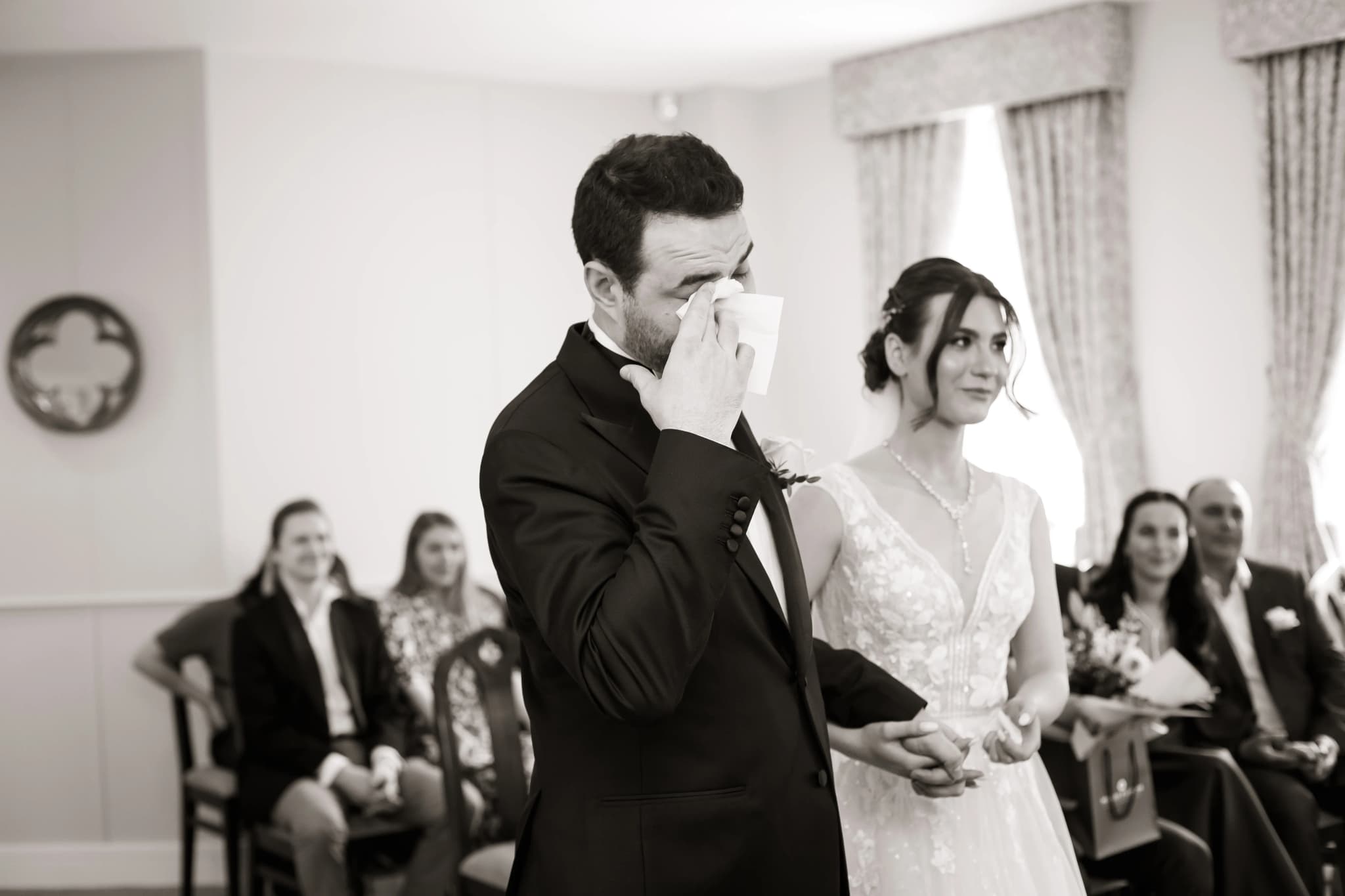
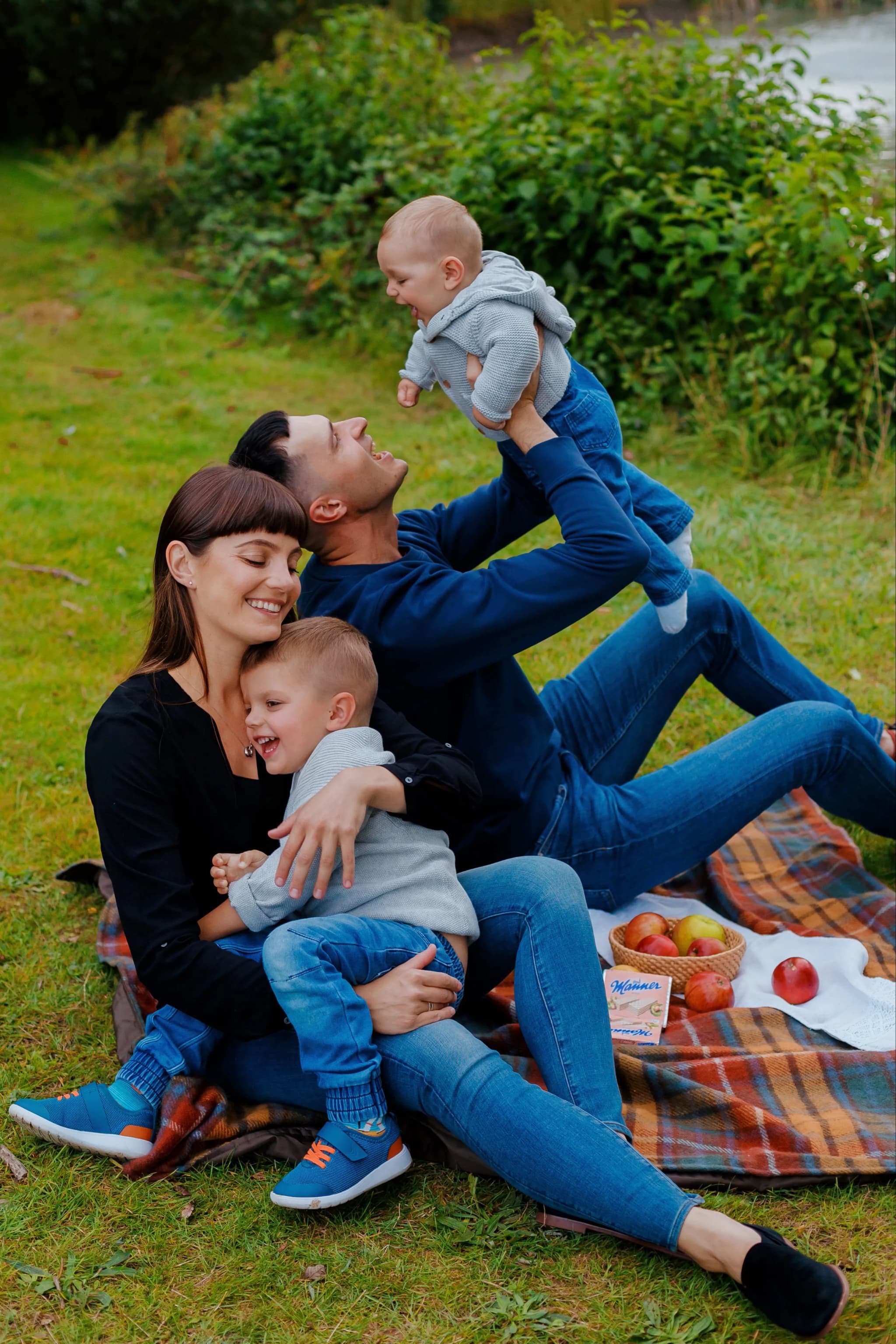
- Candid moments — guests talking, children playing, emotional reactions. The slightly wide perspective includes context without feeling forced.
- Couple portraits in tight spaces — courtyards, doorways, stairwells where longer lenses can't be used.
- Detail shots with context — a bouquet on a table with the venue visible behind it.
50mm f/1.2 or f/1.4 — The Classic
Often called the "nifty fifty," this focal length reproduces what the human eye sees most naturally. At wide apertures, the background melts into creamy bokeh while the subject remains razor-sharp. It's the most natural-looking lens for:
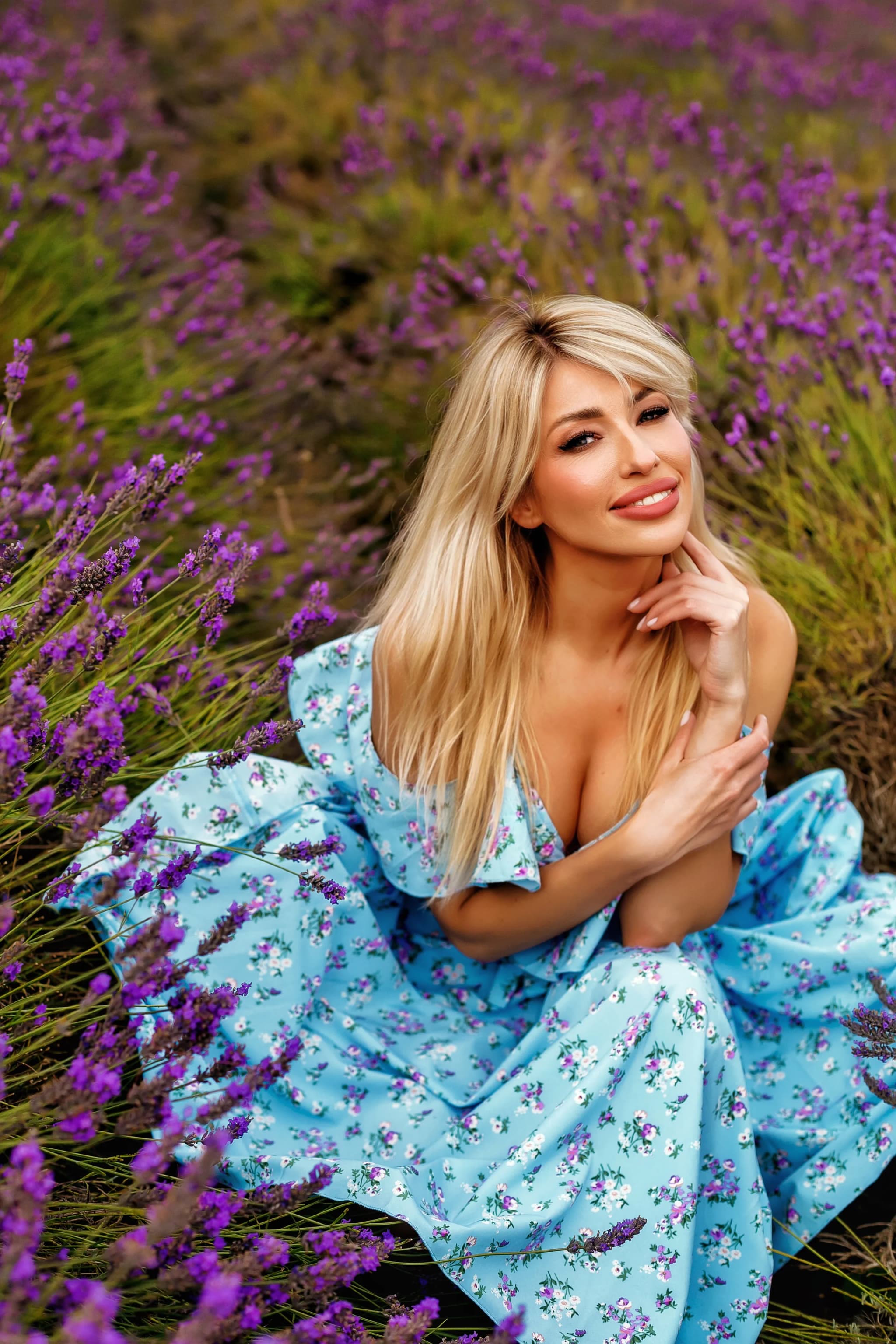
- Bridal portraits — waist-up images with natural perspective and stunning subject separation.
- Getting-ready sequences — the bride in the mirror, hands buttoning a dress, a mother's reaction.
- Table details and flat lays — close enough for detail, natural enough for context.
- Candid couple moments — walking between venues, quiet conversations, stolen glances.
85mm f/1.4 — The Portrait King
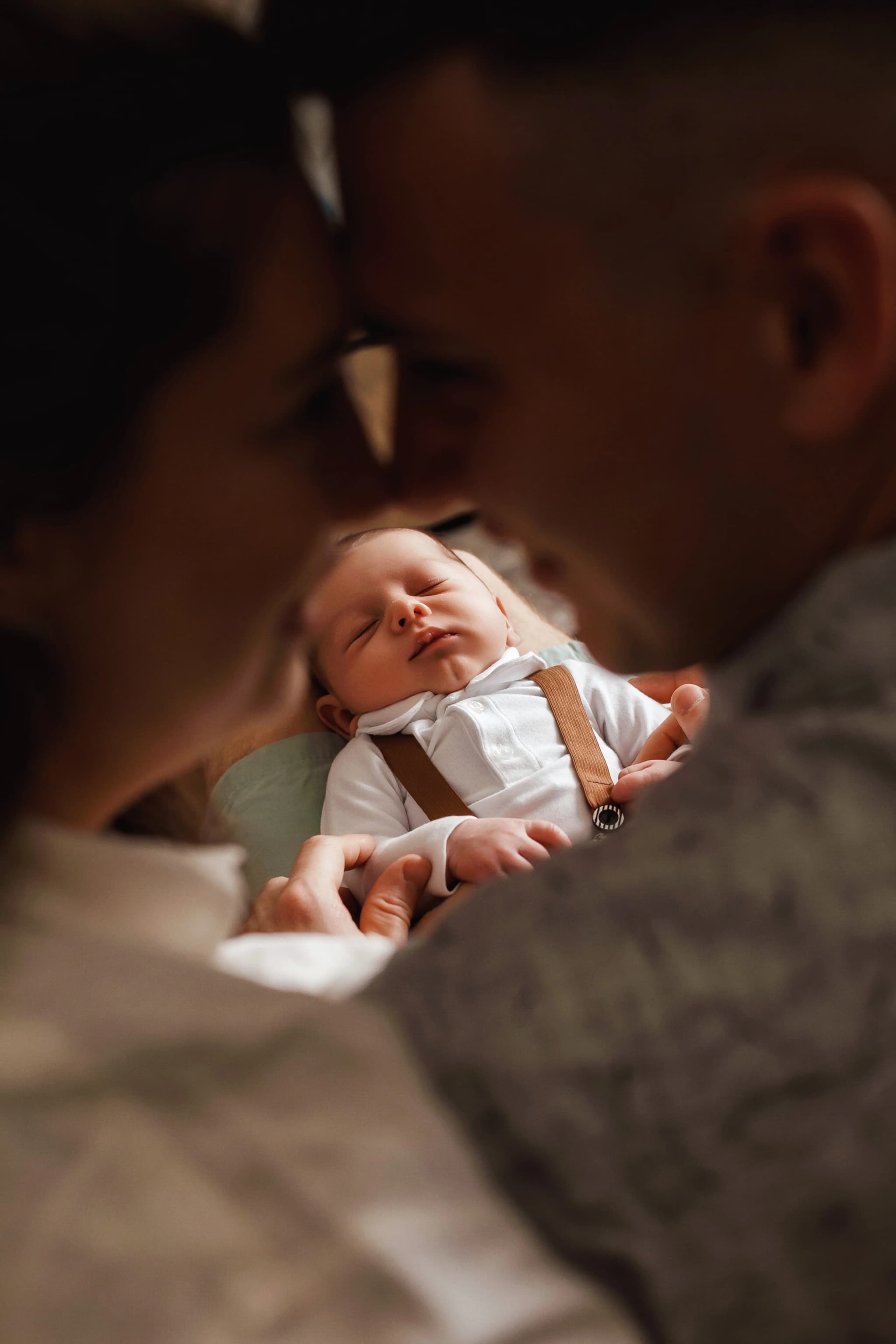
Widely considered the finest portrait focal length. At 85mm, facial features are rendered with flattering compression — noses look natural, facial proportions are accurate, and the background dissolves into beautiful, creamy blur. At f/1.4, subject isolation is exceptional.
- Head-and-shoulders portraits — the classic bridal portrait, groom portrait, individual family members.
- Couple portraits — tight crops on faces, intimate eye-contact images, the first kiss.
- Speeches — tight crops on the speaker's face from across the room without being physically close.
- Ceremony details — from a distance, tight shots of ring exchanges, hand-holding, the officiant.
70-200mm f/2.8 — The Workhorse Zoom
The most important zoom lens for wedding photography. This range covers everything from medium portraits (70mm) to tight telephoto compression (200mm). At f/2.8, it's fast enough for indoor work with modern cameras.
- Ceremony coverage — shooting from the back of the church or the edge of the ceremony space without intrusion.
- Speeches and toasts — tight facial expressions from 10+ metres away.
- Couple portraits with extreme background compression — at 200mm, distant backgrounds compress dramatically, making trees, buildings, or fields look closer and larger.
- Candid guest moments — capturing natural interactions from a distance without influencing the scene.
135mm f/1.8 — The Secret Weapon
Less commonly discussed but beloved by portrait photographers who've tried it. At 135mm and f/1.8, the background compression is extraordinary — even a cluttered background becomes a smooth, abstract wash of colour. The subject is pin-sharp against dreamlike blur.
- Outdoor couple portraits — at a distance, in open spaces where you can step back far enough.
- Ceremony details from the back of the venue — ring details, expressions, tears.
- Artistic, editorial-style images with extreme subject isolation.
Macro Lens (90mm–105mm) — The Detail Lens
A dedicated macro lens focuses extremely close, revealing details invisible to the naked eye. In wedding photography:
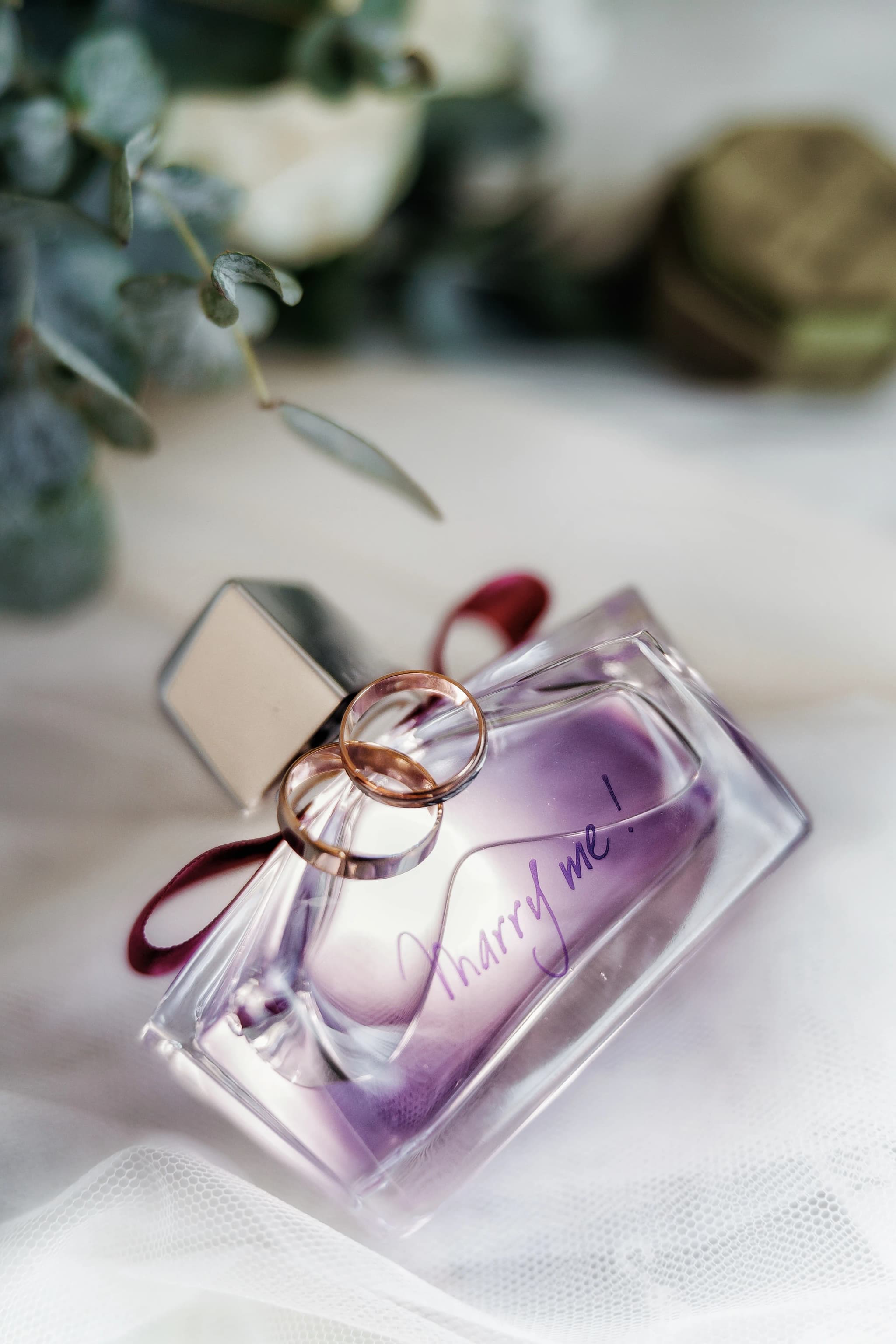
- Ring photography — the inscription inside the band, the facets of the diamond, the texture of the metal.
- Lace and embroidery details on the dress.
- Floral close-ups — individual petals, the texture of a rose, dew on a stem.
- Stationery typography — calligraphy details, wax seal impressions.
Prime vs Zoom Lenses
Prime lenses (fixed focal length: 35mm, 50mm, 85mm) are sharper, faster (wider maximum aperture), lighter, and produce better background blur. They force the photographer to move — which often produces more dynamic compositions.
Zoom lenses (variable focal length: 24-70mm, 70-200mm) offer flexibility — framing can be adjusted without moving. They're heavier, typically slower (smaller maximum aperture), but invaluable in fast-moving wedding situations where repositioning isn't possible.
Most professional wedding photographers carry both: primes for portraits and low-light situations, zooms for ceremonies and unpredictable moments.
How Lens Choice Affects Your Portraits
- Facial perspective: wider lenses (24-35mm) exaggerate features closest to the camera — noses appear larger, foreheads wider. Telephoto lenses (85mm+) flatten perspective, producing more flattering facial proportions.
- Background separation: wider apertures (f/1.4, f/1.8) and longer focal lengths create more background blur. At 85mm f/1.4, the background becomes a smooth wash of colour. At 35mm f/4, the background is visible and detailed.
- Environmental inclusion: wider lenses include more environment — the venue, the landscape, the context. Longer lenses isolate the subject and exclude distractions.
- Intimacy: telephoto lenses (85mm+) allow the photographer to stand further away, which can make subjects feel more relaxed and less observed. Wide lenses require the photographer to be physically closer, which can feel more intimate or more intrusive depending on the situation.
What This Means for Clients
When reviewing a photographer's portfolio, the lens choices they favour tell you a lot about their style:
- Lots of wide-angle images with environmental context = documentary, storytelling approach.
- Lots of tight, blurred-background portraits = artistic, editorial approach.
- Mix of both = versatile coverage that adapts to each moment.
You don't need to understand the technical details — but knowing that lens choice shapes the look of your images can help you articulate what you want. "I love the images where the background is really blurry" tells the photographer to favour longer, faster lenses. "I want to see the venue in every shot" tells them to favour wider focal lengths.
Professional coverage with the full range — from 24mm wide storytelling to 200mm intimate compression.
Every lens chosen to match each moment, every image crafted with intentional focal length decisions. View portfolio and lens variety in action.