Tips & Advice
Bohemian Wedding Photography Guide
Everything you need to know about bohemian wedding photography — styling, florals, outdoor settings, and finding a photographer whose aesthetic matches your free-spirited vision.
Bohemian weddings — or boho weddings as they are almost universally described in the UK's wedding industry — have been one of the dominant wedding aesthetic movements of the last fifteen years. Their defining characteristics are a rejection of formal structure, a prioritisation of natural and organic materials (wildflowers over florist's roses, dried pampas and lunaria over kept arrangements, macramé lanterns over crystal chandeliers), and a preference for outdoor or semi-outdoor settings (meadow ceremonies, tipi receptions, barn conversions with open doors and natural air) over the formal hotel or manor house ballroom. The aesthetic is broadly influenced by the 1970s bohemian revival and the festival culture of the 2000s, but its specific form in England has been shaped by the English countryside and the particular appeal of natural materials and honest craft in reaction to the mass-produced formality of conventional wedding aesthetics.
Bohemian Wedding Styling Essentials
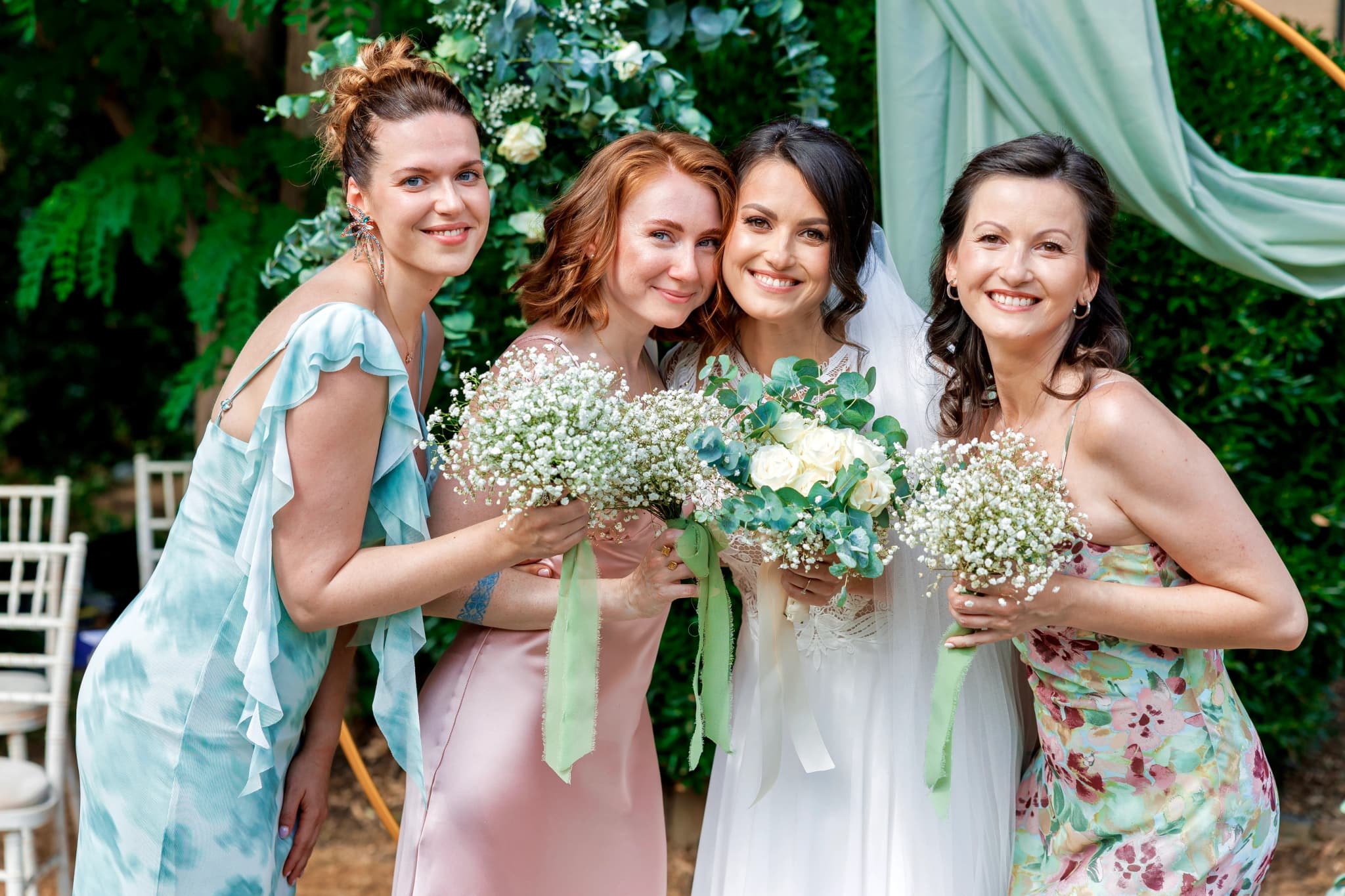
The most immediately recognisable element of a bohemian wedding is its floristry. Where conventional weddings use formal, florist-structured arrangements of roses, peonies, and lily of the valley in symmetrical bouquet shapes, boho weddings use wildflowers in loosely structured, asymmetric bouquets — a mix of textures, heights, and botanical characters that mimics the appearance of flowers gathered from a field or hedgerow rather than arranged from a cold store. Dried flowers (pampas grass, bunny tail grass, dried lunaria, preserved eucalyptus, pressed botanicals in frames) have become one of the defining decorative elements of the boho aesthetic since approximately 2018, replacing the earlier preference for fresh-only. Flower crowns for the bride (and sometimes the bridesmaids) are a boho staple that photographs particularly well in natural light with a soft focus background.
Outdoor Settings for Boho Weddings
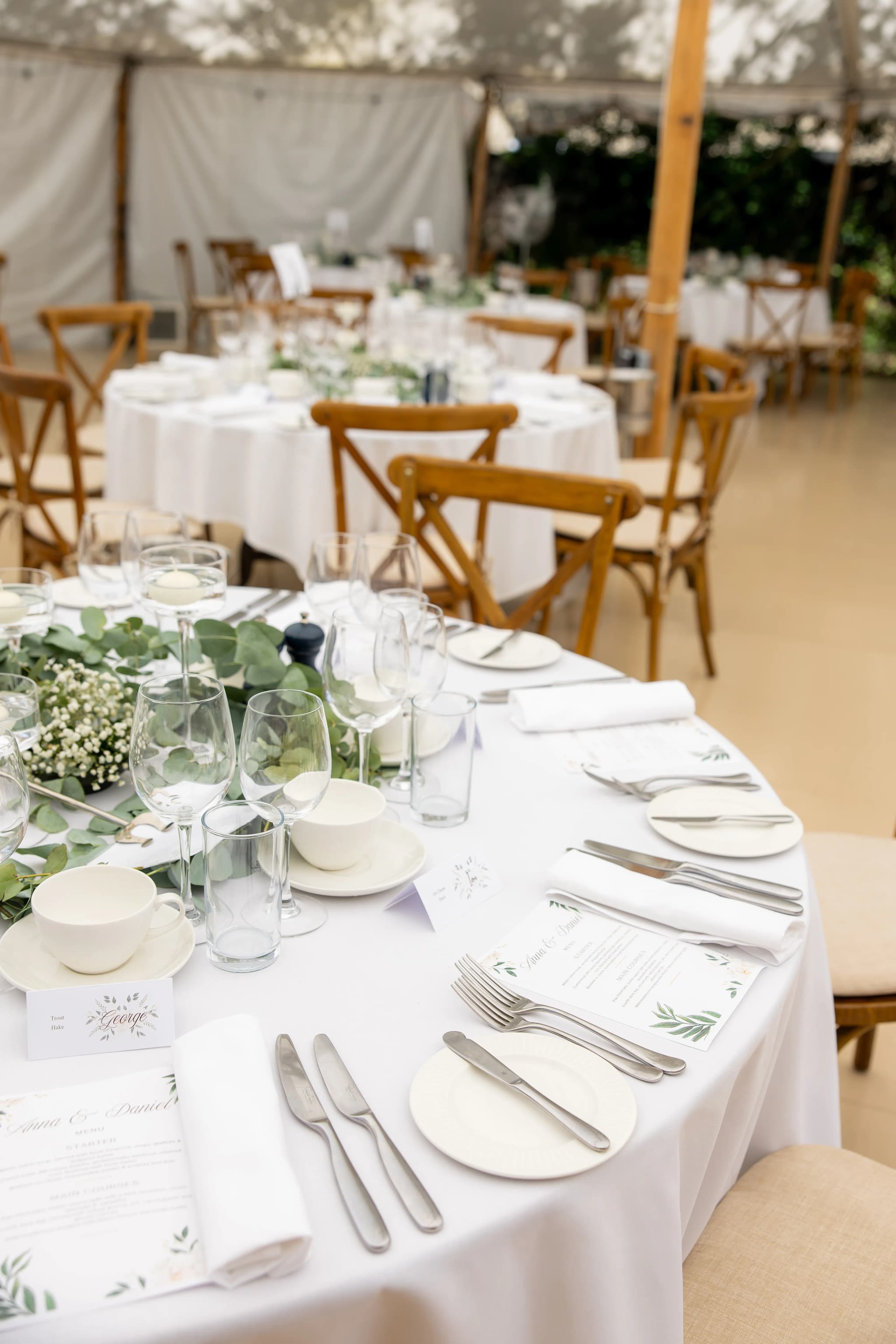
The preference for outdoor or semi-outdoor settings is central to the bohemian wedding aesthetic. Meadow ceremonies — with chairs set in the open grass and wildflowers as the aisle decoration — are the most frequently photographed boho wedding ceremony format. Tipi and stretch-tent receptions have been one of the most significant venue format developments in the UK's boho wedding market since 2010: the tipi's conical canvas structure, multi-tipi layout (a great tipi for the reception attached to a smaller tipi for the bar, with an open-air festival area between them), and the festoon-lit interior create an atmospheric wedding reception setting of distinctive character. In England, the boho outdoor or semi-outdoor wedding season runs effectively from late April through September.
What to Look for in a Boho Wedding Photographer
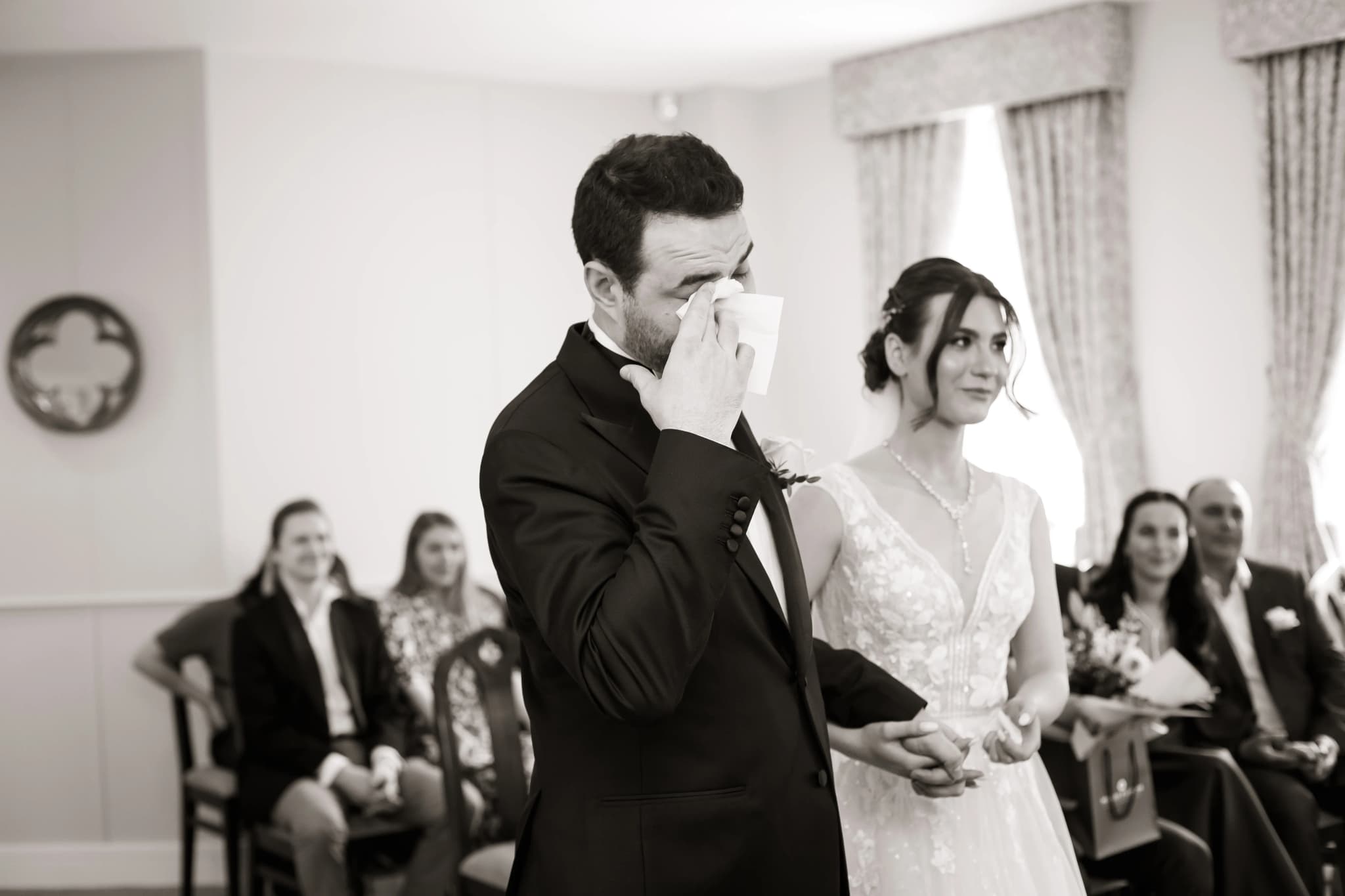
The photography for a bohemian wedding should share its spirit: natural, unforced, warm, and organic. The most important quality is a genuine documentary instinct — the photographer should be photographing what genuinely happens, not constructing or directing moments to fit a preconceived aesthetic. The editing should use warm, earthy tones that complement the organic palette of the wedding rather than forcing bright, cool, or heavily filtered tones onto images. The photographer should be comfortable in natural and mixed light — meadow midday sun, shaded woodland, warm tipi interior — without relying on flash or artificial light sources that clash with the natural aesthetic. Look for a portfolio that shows proximity and warmth: photographers who get close, stay present, and find the emotional truth of moments rather than the composed perfection of them.
Seasonal Considerations
Bohemian outdoor weddings are weather-dependent in a way that indoor formal weddings are not. The most important planning consideration for an outdoor boho wedding in England is the contingency plan for rain. A tipi or stretch-tent provides weather protection while preserving the outdoor character of the event; a full outdoor meadow ceremony needs a covered alternative for guests and a plan for how the photography shifts when the weather does. The most atmospheric boho outdoor wedding light in England is the soft, overcast light of a May afternoon or the warm golden evening of a July sunset — both of which require a photographer who understands how to use available light without flash.