Candid street photography captures unposed, authentic moments of human life in public spaces — the spontaneous gestures, expressions, interactions, and dramas of everyday existence. It is one of the most immediate, challenging, and rewarding genres in photography, practised by masters from Henri Cartier-Bresson to Vivian Maier to Joel Meyerowitz. This guide covers the technique, ethics, equipment, creative approach, and essential tips for compelling candid street photography.
The Decisive Moment
Henri Cartier-Bresson's concept of "the decisive moment" — the fraction of a second when composition, gesture, and meaning converge — is the animating philosophy of candid street photography. The photographer must anticipate the moment, pre-visualise the composition, and react instantly. This is not luck — it is the product of sustained observation, spatial awareness, and readiness. The great street photographers spend hours watching, waiting, and absorbing the rhythms of the street before a single frame is captured.
Equipment
- Small, discreet camera: A Leica rangefinder (the classic choice), a mirrorless camera (Fujifilm X100 series, Ricoh GR), or even a smartphone. Smaller cameras are less threatening and allow you to move through crowds unnoticed.
- Fixed prime lens: 28mm, 35mm, or 50mm. A fixed lens forces you to move your feet, find the composition, and get close. The 35mm is the most popular street focal length — wide enough to include context, tight enough to isolate subjects.
- No flash: Flash draws attention and destroys the candid moment. Rely on natural light, high ISO, and fast lenses.
Camera Settings for the Street
- Aperture priority: Set f/5.6-f/8 for sufficient depth of field — you need to nail focus on fast-moving,unpredictable subjects. Let the camera choose shutter speed.
- Auto ISO with minimum shutter speed: Set ISO to auto with a floor of 1/250s (or 1/125s for wider lenses). This ensures enough speed to freeze movement.
- Zone focusing: Pre-focus to a fixed distance (2-3 metres at f/8) and shoot without autofocusing. Everything within the depth of field range is sharp, and you eliminate the autofocus delay. This technique was used by the masters of film-era street photography and remains the fastest way to capture the decisive moment.
- Silent or electronic shutter: If your camera offers a silent shutter mode, use it — the click of a mechanical shutter can alert subjects and break the candid moment.
Approach and Technique
Get Close
Robert Capa's advice — "If your pictures aren't good enough, you aren't close enough" — is the cardinal rule of street photography. Physical proximity creates intimacy, energy, and connection. Shooting from across the street with a telephoto produces flat, voyeuristic images. Walk into the scene, become part of it, and photograph from within the action at arm's length.
Anticipate
Find an interesting background, composition, or light, and wait for a person to walk into it. This is the "fishing" method — you set the stage and wait for the subject to arrive. It is more effective than chasing subjects because you control the composition and light, and you only need the subject to complete the frame.
Shoot from the Hip
Holding the camera at waist or chest level and shooting without raising it to your eye is a classic street technique. It produces a slightly lower, more immersive perspective and makes your photography less obvious. Modern cameras with tilting screens make this easier — you can compose on the screen while appearing to check your phone.
Ethics and Legality
In the UK, photography in public spaces is legal — you have the right to photograph anyone visible in a public place without their consent. However, ethics extend beyond legality: avoid photographing people in distressing or vulnerable situations, respect requests to delete images, and use common sense and empathy. The best street photography celebrates humanity rather than exploiting it. If someone notices you and reacts negatively, smile, acknowledge them, and move on.
What Makes a Great Street Photograph?
- Gesture: A body position, hand movement, or facial expression that tells a story in a single frame.
- Juxtaposition: Two elements in the same frame that create irony, humour, or surprise — a small dog next to a large dog poster, a businessman sleeping next to an energy-drink advert.
- Light: Dramatic natural light — a shaft of sunlight through buildings, a figure silhouetted in a doorway, long shadows on a late-afternoon pavement.
- Layers: Foreground, middle ground, and background elements that create depth and multiple narratives within one frame.
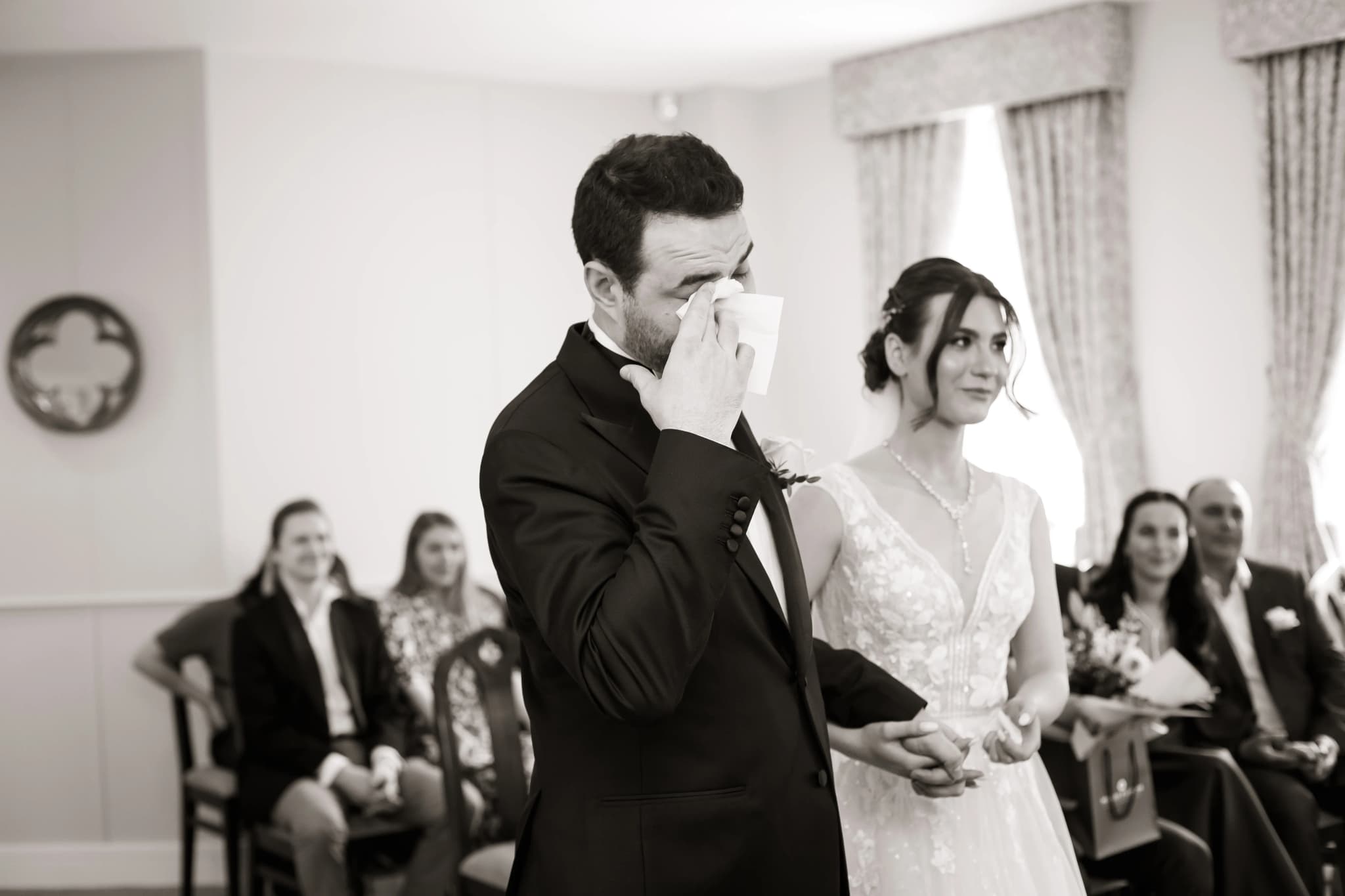
- Emotion: Joy, loneliness, love, confusion, surprise — images that convey human feeling transcend documentation and become art.
Candid street photography is the art of seeing — of noticing the extraordinary hiding in the ordinary, and capturing it in a fraction of a second before it vanishes forever.
Walk, watch, capture life. View the portfolio.