Countryside Summer Portrait Sessions: Locations, Timing and What to Coordinate
A countryside portrait session in the English summer has a distinct visual identity: open skies, long grass, hedgerow-edged lanes, and a quality of warm evening light that is specific to this latitude and this season. For families, couples, and individuals who want images with space and depth — rather than the more intimate settings of woodland or gardens — a countryside session in July or August produces some of the finest outdoor portrait work possible in England.
What Defines Countryside Portrait Photography
"Countryside" in portrait photography context means open or semi-open settings away from urban environments: farmland edges, rural parkland, open chalk downland, village meadows, estate land. These settings are characterised by wide skies, longer sightlines, and a quality of light that is uninterrupted by buildings or dense tree cover.
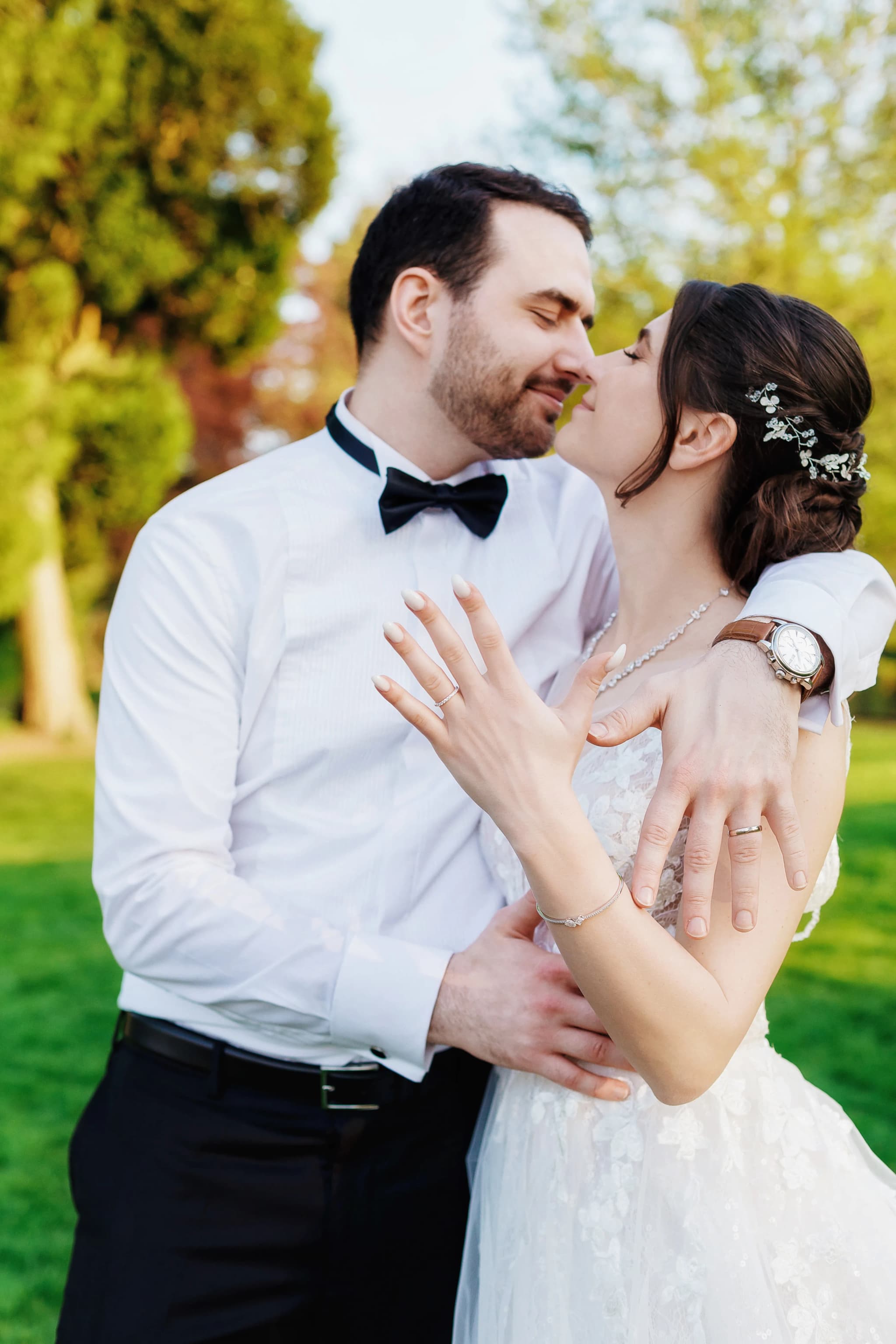
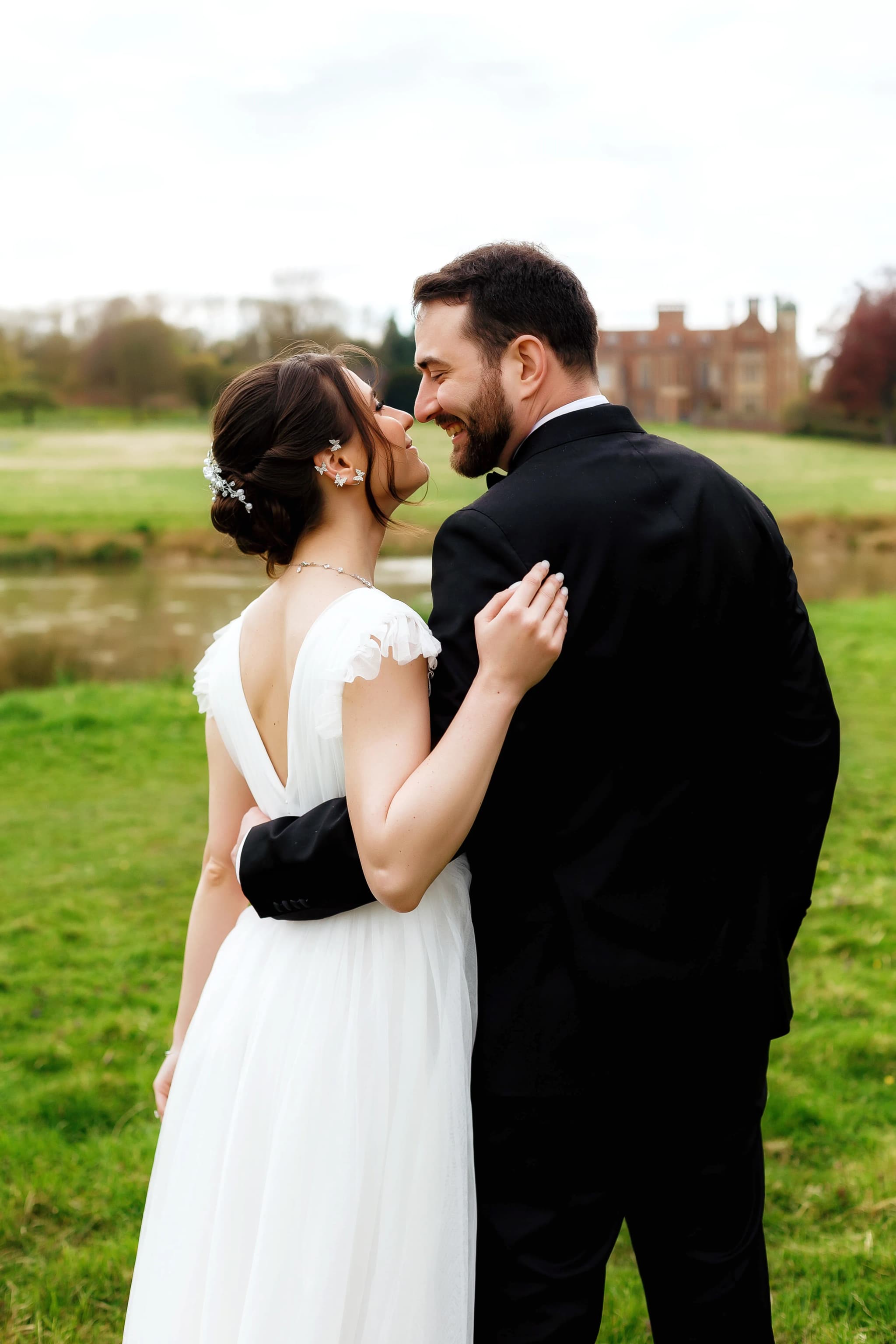
The signature look of a countryside summer portrait session is a combination of warm directional light (from a setting sun at a low angle), subjects set against an open or semi-open background with significant depth, and a landscape that is fully alive — green grass, hedgerows, trees at the field margins. When all of these are present simultaneously, the resulting images have a quality that is very difficult to achieve in any other setting.
Best Countryside Locations Near Cambridge
Cambridgeshire offers a specific type of countryside — flatter than the Cotswolds, but with its own considerable beauty. The key is knowing which locations photograph well and at what time:
- Gog Magog Hills and Wandlebury — The nearest chalk downland to Cambridge. Rolling grassland, a mixture of open views and wooded edges, and good evening light to the west. Accessible and varied within a small area.
- Wimpole Estate parkland — Very different in character from natural countryside: formal designed landscape with avenues of mature trees, open parkland, and long westerly views. National Trust site; worth considering the logistics of evening access.
- Rural Grantchester and the Cam valley — The fields between Cambridge and Grantchester village offer genuine pastoral countryside within walking distance of the city centre. The combination of riverside meadow and open arable land creates real variety within a short walking loop.
- South Cambridgeshire villages — Villages like Barrington, Haslingfield, and Great Shelford have open village greens, orchards, and arable field edges that provide accessible countryside backdrops without requiring extended travel.
- Newmarket Heath — The open grass gallops of Newmarket Heath provide a completely different and dramatic landscape: vast open sky, flat horizon, minimal vertical elements. Very specific in aesthetic but capable of producing strikingly different images.
Timing a Countryside Session
More than any other portrait setting, countryside sessions depend on golden hour timing. The reason is that open countryside, unlike woodland or gardens, has no shade or canopy to moderate harsh midday light. In full summer sun before 5 pm, an open countryside session will produce images with heavy shadows, squinting subjects, and a bleached quality that editing cannot fully correct.
The practical rule for summer countryside sessions: start no earlier than 6 pm (5 pm on slightly overcast days) and plan to peak the session between 7:30 and 8:30 pm in June, or 7:00 to 8:00 pm in late July and August.
An overcast day changes this calculation. On a grey summer day, countryside light is even and diffused from above, and sessions can begin mid-afternoon without light quality issues. The images will have a different character — cooler, more muted, with the colour coming from the landscape rather than from warm evening light — but can be equally beautiful.
Coordinating Clothing for a Countryside Session
Open countryside is an unforgiving background for poorly considered clothing because there is no visual framework to work within — just the landscape, the sky, and the subjects. This makes colour coordination more important here than in any other setting.
The summer countryside palette in England is warm: golden grass, green hedgerows, blue-white sky. Clothing that sits within this palette — warm neutrals, faded denim, cream, terracotta, sage green — creates a cohesive image. Clothing that contradicts it — neon, bright primaries, heavy black — creates visual noise.
For a countryside family session: choose a warm base colour (cream or sand) and layer one or two complementary tones for different family members. Plain fabrics almost always work better than large patterns against an already-complex countryside background.
What to Expect During a Countryside Session
Countryside sessions tend to cover more ground than woodland or garden sessions — there is natural movement as the group walks along a lane, crosses a field, or follows a path. This movement produces some of the best candid images of the session: the way a family naturally moves and interacts while walking says a great deal about them.
Be prepared for uneven ground (relevant for both grandparents and very young children in prams), and in late summer, for long grass that may require older children to brush off before certain photographs.
The extra space and scale of countryside settings also allows for a wider variety of compositions than more constrained environments: wide-angle images that include the full landscape, tight portraits with the open sky as backdrop, silhouette images at golden hour. A photographer who knows the location will plan the session to make the most of all of these.