Couples Portrait Photography: A Guide to Planning Your Session
Couples portrait photography encompasses a range of sessions — pre-wedding engagement shoots, anniversary portraits, early-relationship portraits made simply because a couple wants to record themselves at this point — all with the same central purpose: creating photographs that capture how two people are together. This guide is for any couple considering a portrait session, whether or not it is connected to a wedding.
What Distinguishes Couples Photography
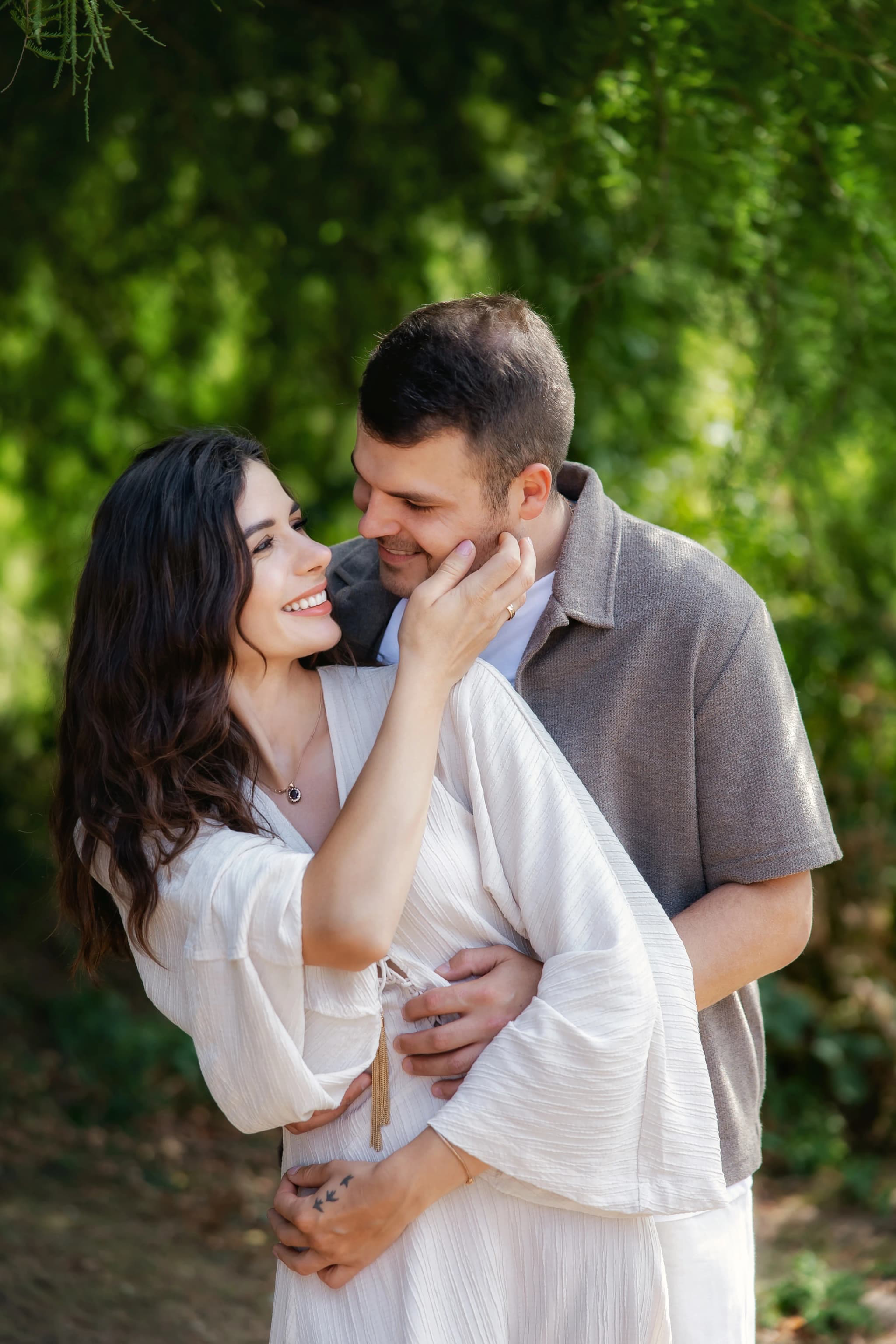
Photographing couples requires a different skill set from individual portraiture. The relationship between two people — the way they hold each other, unconsciously mirror each other, laugh at the same things, complete each other's gestures — is what the photographs are actually about. A photographer who works well with couples is one who understands how to create the conditions in which authentic interaction emerges naturally rather than being constructed.
The result of skilled couples photography is that the images show the relationship as well as the individuals. This sounds obvious, but it is genuinely difficult to achieve — and noticeably absent when it has not been.
Types of Couples Portrait Sessions
There are several distinct types of couples portrait sessions, with different purposes and outputs:
- Engagement sessions — pre-wedding, most common. Typically taken three to twelve months before the wedding, often used for stationery and as familiarity-building with the photographer before the wedding day.
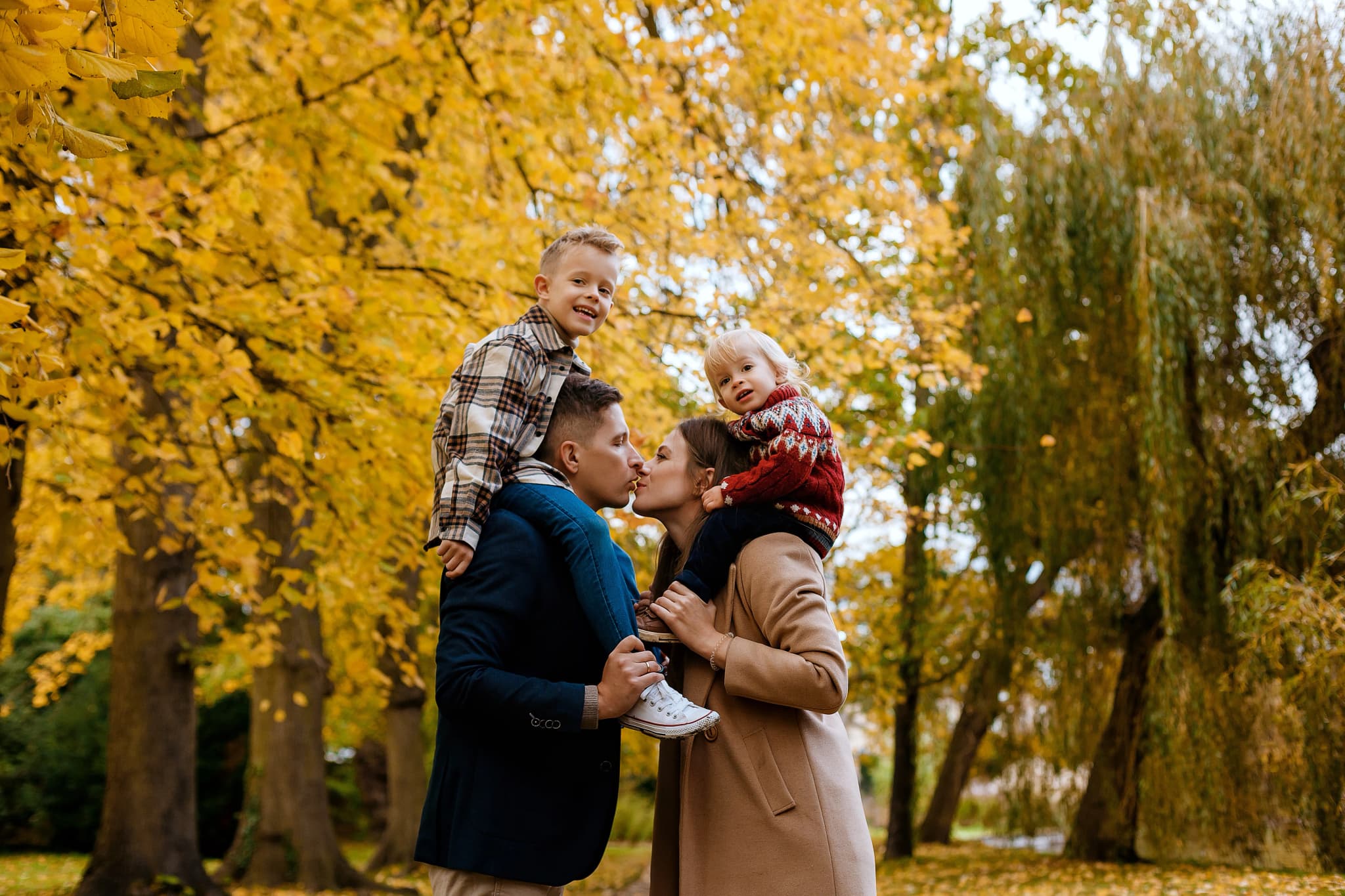
- Anniversary portraits — specific to a milestone anniversary (first year, fifth year, silver, ruby). The images become a record of both people at that point and are often as valued as wedding images decades later.
- Early relationship portraits — couples who are not engaged but who want a permanent record of themselves at this point in their relationship. Increasingly common as couples delay marriage but still want to document their lives together.
- Vow renewal portraits — related to a vow renewal ceremony, usually with a focus on celebrating how the relationship has endured.
Planning the Session
Effective couples portrait sessions require three key planning decisions: location, timing, and contribution to mood.
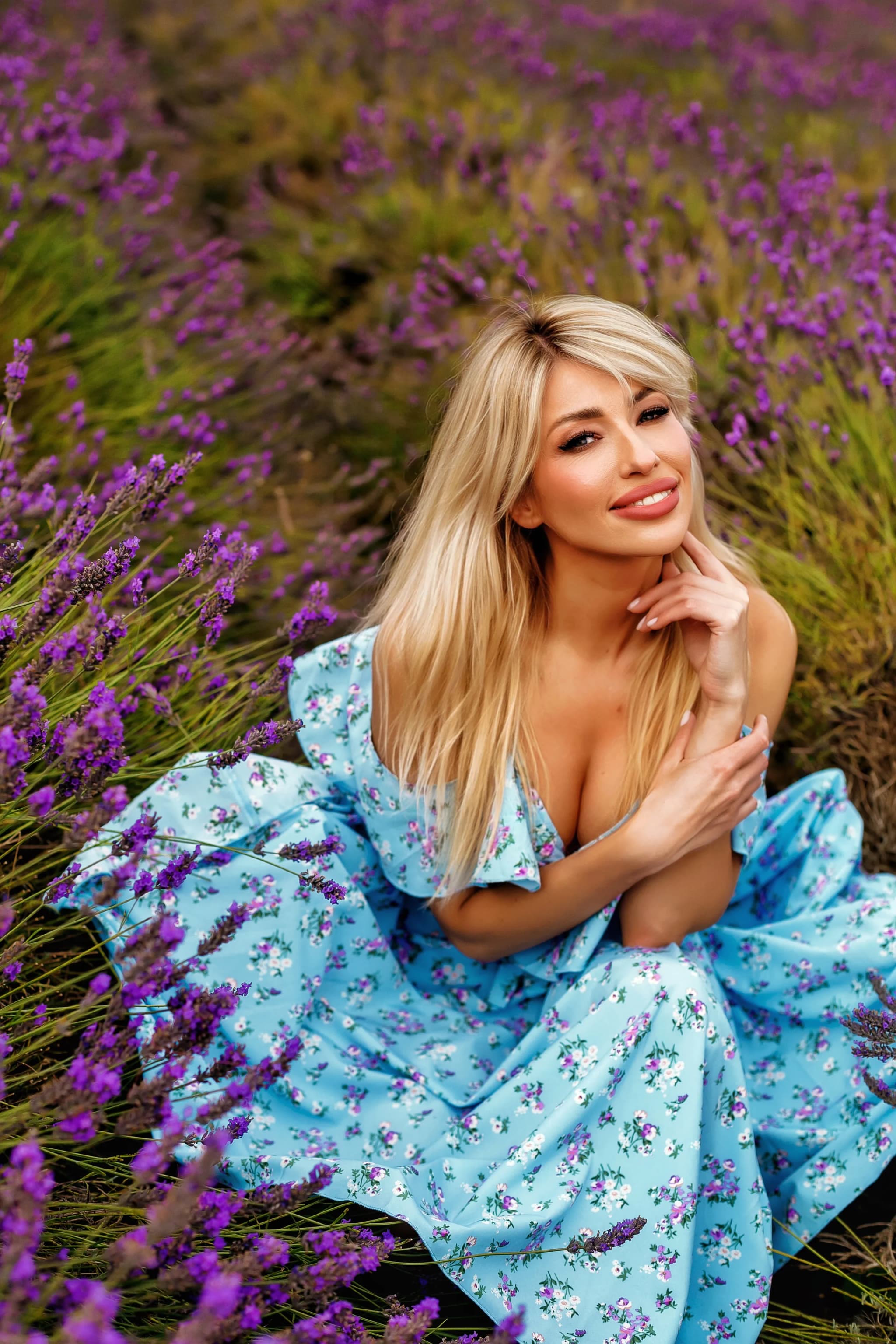
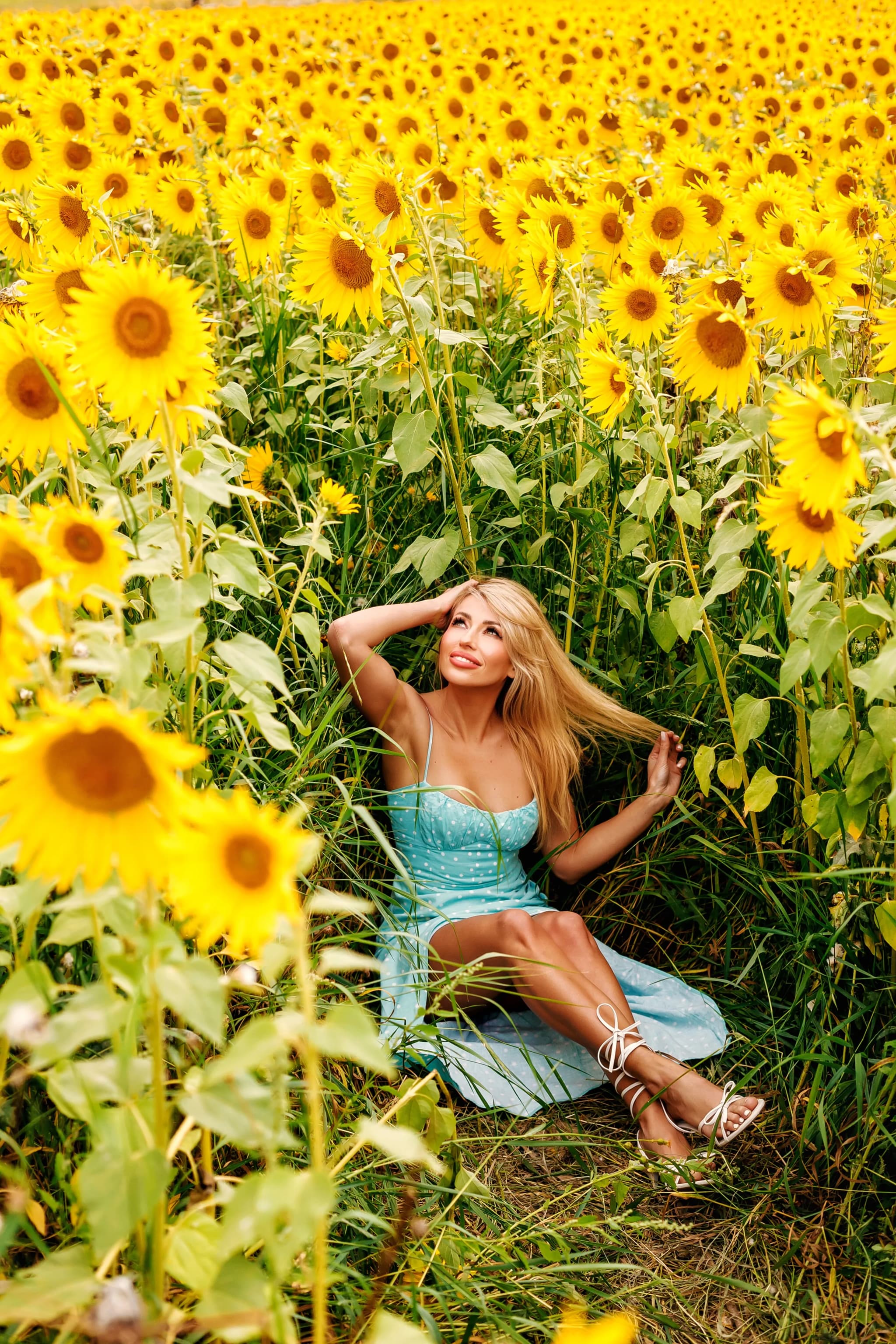
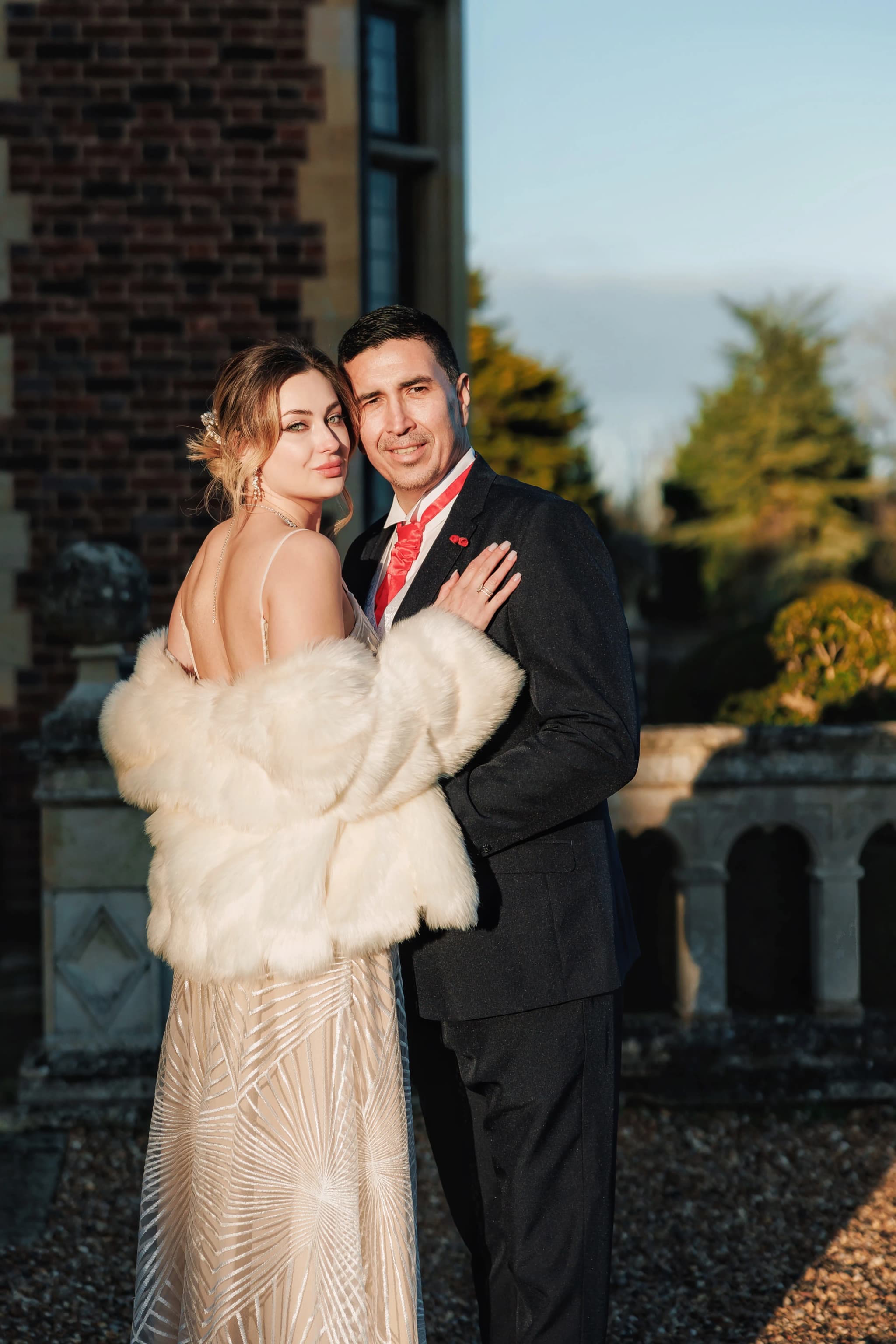
Location should suit the couple's personality and the aesthetic they are drawn to. Woodland settings produce intimate, enclosed images with natural texture and depth. Open landscapes and meadows produce a sense of space and freedom. Historic or architectural settings produce elegance and formality. Urban settings produce energy and a contemporary feel. None is inherently better — the question is which reflects who the couple is.
Timing matters for outdoor sessions. The hour before sunset (golden hour) produces the warmest, most flattering natural light. Overcast days produce even, soft light that is beautiful for close portraiture. Harsh midday sunlight is generally unflattering and should be avoided unless the photographer has a specific plan to manage it.
Mood is partly created by the couple's energy on the day — whether they arrive relaxed or stressed, whether they are playful with each other or subdued. Some couples arrive at sessions in the middle of a busy day and the images reflect that freneticism. A session that follows a relaxed morning, a good meal, and unhurried preparation tends to produce images with a different quality.
What to Tell Your Photographer
Before any portrait session, share with your photographer:
- Whether either partner is camera-shy or anxious about being photographed
- What aesthetic you are drawn to — look through the photographer's portfolio and identify specific images you like, and be specific about why
- Whether there are physical considerations that might affect direction — injuries, mobility limitations, anything that means certain poses would be uncomfortable
- What you plan to wear, particularly if you want feedback on colour co-ordination
- Whether you want the session to feel more directed (clear instructions, specific poses) or more spontaneous (light guidance, space to respond to each other)
Making the Most of the Experience
The couples who get the best portrait results are consistently the ones who approach the session as a shared experience rather than a performance for the camera. Being photographed together is, at its best, an excuse to be present with each other in a specific and deliberate way — to walk slowly, touch each other, look at each other without distraction.
Experienced photographers use direction that moves naturally into authentic interaction: "walk toward the light together" becomes a real walk; "hold each other close" leads to the particular way a specific couple does hold each other close. Within a few minutes, most couples forget they are being photographed — and those are the moments that produce the images they will keep for the rest of their lives.