Most couples arrive at a photoshoot with the same worry: they don't know what to do with their hands, where to look, or how to stand without feeling awkward. That anxiety is completely normal — and it's why posing guidance exists. A good photographer doesn't simply place you into positions. They create circumstances where natural connection happens, then capture the result.
This guide breaks down the core posing principles that produce comfortable, flattering couples photographs — whether you're shooting an engagement session, a wedding portrait, or an anniversary celebration. You'll learn what works, what doesn't, and how to communicate with your photographer about what you want.
Why "Posing" Is the Wrong Word
The word "posing" implies rigidity — bodies frozen into a shape someone else designed. In contemporary portrait photography, the approach has shifted. The correct term is closer to "prompting" or "directing." Your photographer gives you something to do — walk together, whisper something, lean back — and then captures the genuine reactions that follow.
This distinction matters because it changes what you need to prepare for. You don't need to memorise poses. You need to be willing to engage with each other while someone observes. That's the real skill couples bring to a session — not physical coordination, but emotional availability.
The Foundation: Weight Distribution & Body Angle
Every flattering couples photograph starts with two physical principles that apply regardless of body type, height difference, or personal style:
- Shift weight to the back foot. When you stand squarely on both feet facing the camera, you look flat and tense. Shifting weight to the back hip creates a natural S-curve in the body that reads as relaxed and organic.
- Angle the body slightly. Turning 20–30 degrees away from the camera slims the torso and creates depth. It also means you're turned slightly toward each other, which reads as intimate rather than performative.
These two adjustments take seconds to implement and transform every subsequent shot. If your photographer mentions "drop your hip" or "turn your shoulder toward me," this is what they're achieving.
The Walking Pose: Why Every Photographer Uses It
Walking is the single most reliable couples pose in portrait photography. Here's why:
- It's a real action, so your body moves naturally rather than holding a position
- It creates dynamic composition — flowing fabric, mid-stride leg positions, natural arm swing
- It gives you something to focus on other than the camera
- The conversation that happens while walking produces genuine expressions
The standard prompt is: "Walk toward me slowly, arm in arm, and talk about something funny that happened recently." The photographer shoots continuously during the walk, capturing natural expressions, laughter, eye contact between the couple, and the physical grace that movement creates.
Variations include walking away from the camera (great for venue shots where the backdrop matters more than the faces), walking with different hand positions (held hands, arm linked through arm, hand on the small of the back), and walking at different speeds.
The Forehead Touch
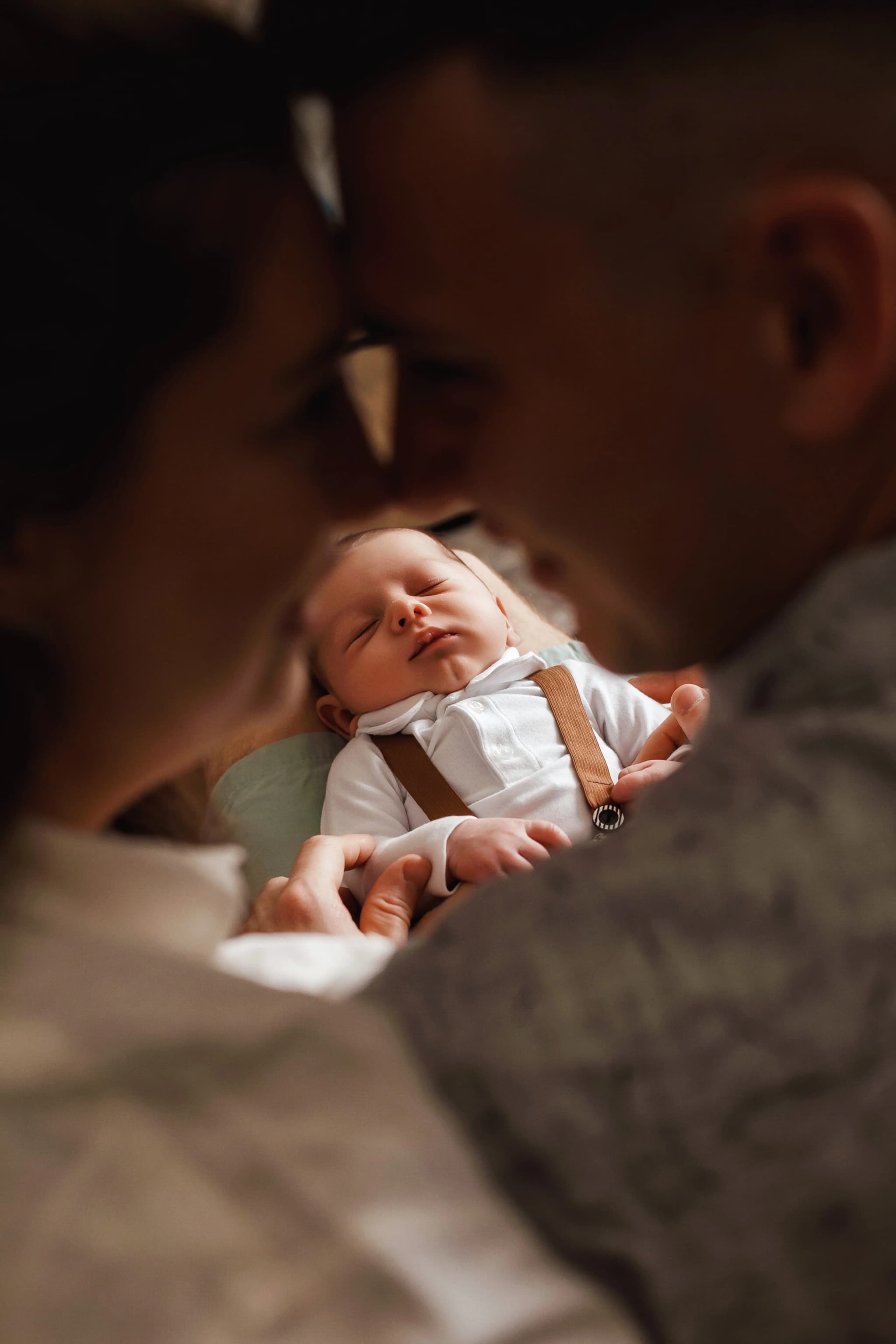
Foreheads touching — sometimes called the "resting pose" — creates instant intimacy. Both people close their eyes, press foreheads gently together, and breathe. The resulting photograph reads as deeply connected, private, and tender.
This pose works for every couple regardless of height difference. If one partner is significantly taller, the taller person simply tilts down slightly. It also works regardless of body type because the focus is entirely on the face and the space between two people.
The key is: don't smile during this one. Let your faces relax completely. The emotion this pose captures is stillness and safety — not joy. It's among the most consistently powerful photographs in any couples session.
The "Look at Each Other" Prompt
"Turn and look at each other" produces stiff, awkward eye contact if delivered without context. The prompt needs specificity to work:
- "Look at each other and one of you tell the other about the worst meal you've ever cooked"
- "Look at each other — now the person on the left, tell them the most embarrassing thing you did on your first date"
- "Look at each other and without speaking, try to make the other person laugh"
The specificity creates a real interaction. The photograph captures the reaction — surprise, laughter, the suppressed smile of someone who knows exactly what the other is about to say.
Handling Height Differences
Height differences between partners create some of the most visually interesting compositions — but they require awareness. Standing face-to-face when there's a significant height gap produces unflattering angles if the shorter person tilts their chin up too far. Solutions include:
- Steps and platforms: positioning the shorter partner on a step, curb, or slight elevation to equalise eye lines
- Seated poses: when both partners are seated, height becomes irrelevant
- Leaning: having the shorter partner lean against a wall while the taller partner leans in creates a natural angle
- Embracing the difference: the taller partner wrapping arms around the shorter and resting a chin on their head produces a photograph that celebrates rather than corrects the difference
What to Do With Your Hands
The "hand problem" is the most common worry couples express before a shoot. Hands that dangle at your sides look disconnected. Hands jammed in pockets look guarded. The solution is to give hands a purpose:
- Hold each other. Hands around the waist, on the shoulder, cupping a face, interlaced fingers — physical connection between partners gives hands an immediate job.
- Hold something. A bouquet, a jacket draped over the shoulder, a coffee cup — props provide a natural hand position that stops the "what do I do?" loop.
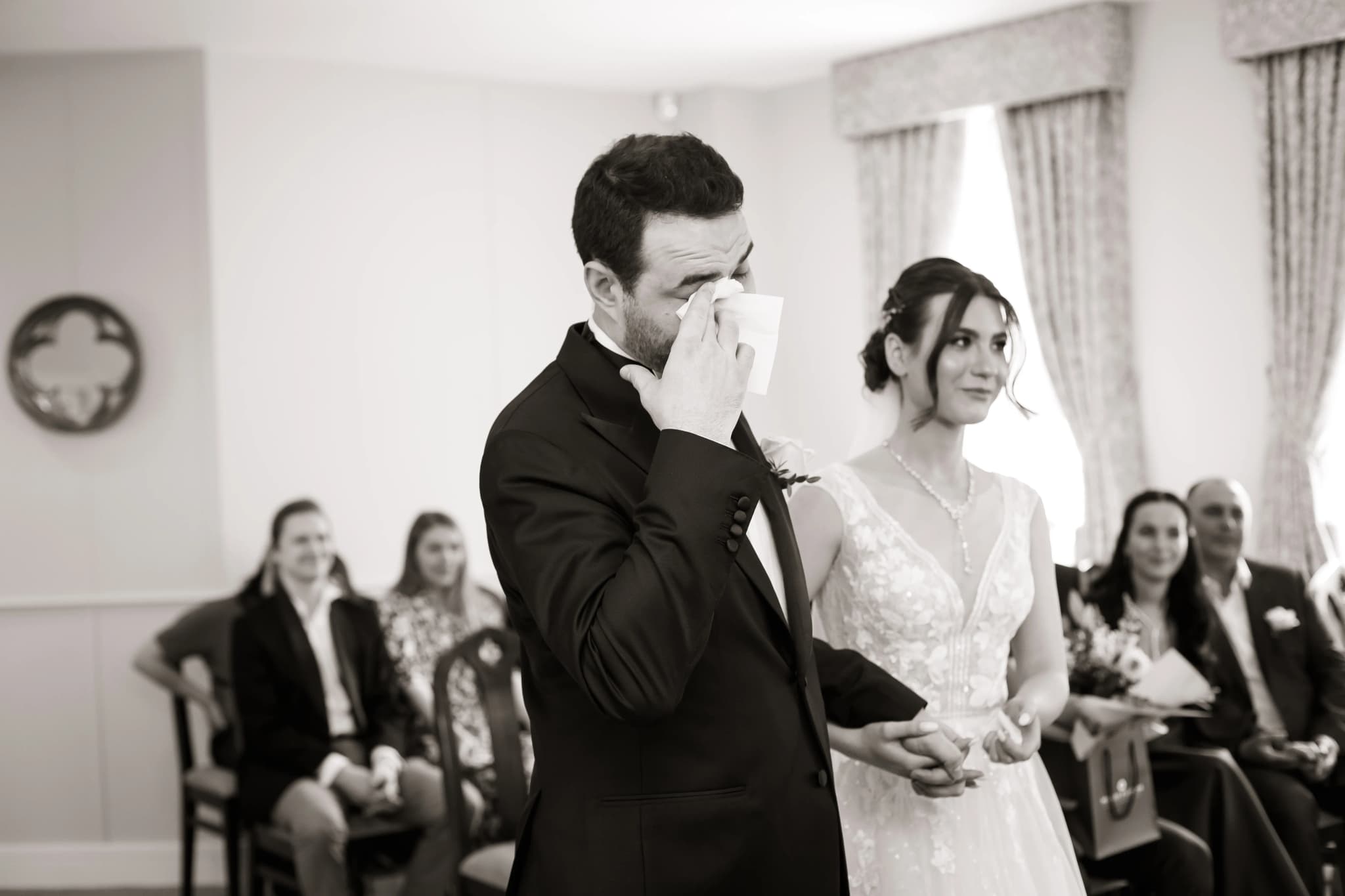
- Adjust clothing. Straightening a tie, brushing hair behind an ear, adjusting a cuff — these micro-actions are photogenic because they're real movements people actually make.
- Touch your own body. One hand resting on the opposite forearm, fingers touching a necklace, or a hand behind the neck — these self-contact gestures read as relaxed and unguarded.
The Embrace: Variations That Work
Hugs photograph beautifully when they're not symmetrical. Two people facing each other in a square embrace looks rigid. Instead, try these variations:
- The wrap-around: one partner stands behind, arms wrapped around the other's waist, chin resting on a shoulder. The front person relaxes backward slightly. Warm, intimate, excellent for showing rings or bump in maternity sessions.
- The side lean: partners side by side, one leaning their head on the other's shoulder, arms loosely linked. Relaxed, companionable, perfect for natural location shots.
- The lift: one partner lifts the other from behind — not necessarily high. Even a slight lift creates energy, movement, and often genuine laughter. Requires advance warning and comfortable shoes.
- The dip: a ballroom-style dip where one partner supports the other leaning back. Dramatic, romantic, and works spectacularly in locations with strong vertical lines (columns, arches, doorways).
Sitting & Ground-Level Poses
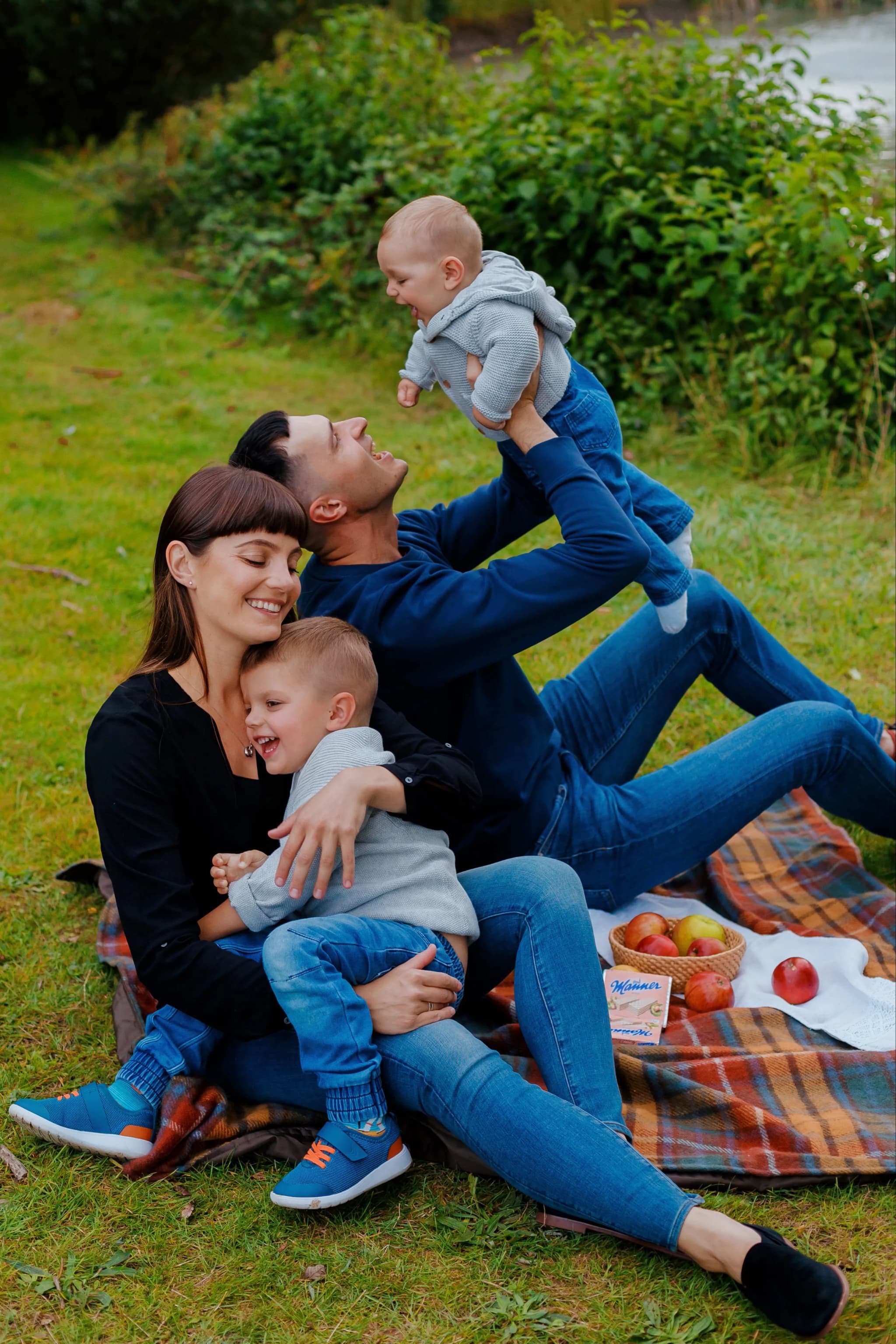
Sitting on a blanket, bench, wall, or staircase changes the entire visual dynamic of a session. Lower camera angles looking slightly upward are inherently flattering. Sitting also relaxes the body in ways standing cannot — shoulders drop, spines curve naturally, legs find comfortable positions on their own.
The key with seated poses is asymmetry. If both people sit identically — same lean, same leg position — it looks staged. One person leans forward while the other leans back. One person extends a leg while the other tucks theirs. The visual variety creates interest.
Movement-Based Prompts That Create Energy
Beyond walking, several movement-based prompts consistently produce dynamic, joyful photographs:
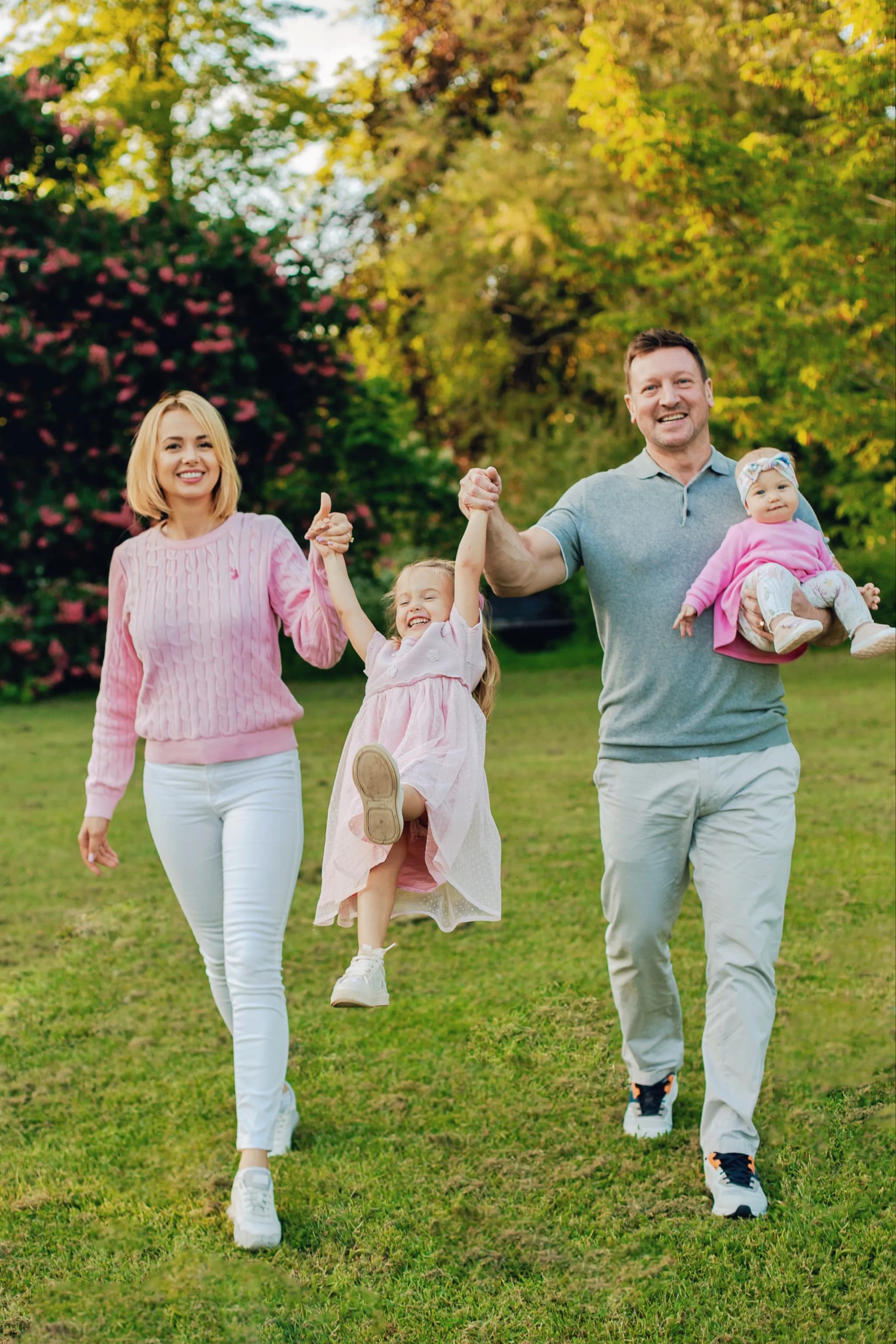
- "Spin her/them around" — creates dress movement, laughter, and genuine joy
- "Run toward me holding hands" — produces motion blur in fabric and natural expressions
- "Dance together with no music" — awkward at first, then produces the most authentic images when couples commit to it
- "Piggyback ride" — silly, fun, wonderful for playful couples
- "Whisper something only they can hear" — the physical closeness and curiosity produces tenderness
The "Looking Away" Shot
Not every photograph needs eye contact with the camera — or with each other. Some of the most compelling couples portraits feature both people looking in the same direction: toward a sunset, across a landscape, down a street. These shots feel contemplative and cinematic. They work particularly well in dramatic locations where the environment contributes as much as the couple.
Poses That Don't Work (and Why)
Understanding what fails is as valuable as knowing what succeeds:
- Forced symmetry: both people in identical positions looks like a corporate team photo, not a love story
- Chin-up angles: tilting the chin too far up creates unflattering under-jaw shadows
- Stiff arms: arms pressed flat against the body create tension — bending the elbow even slightly fixes this
- Squinting into the sun: direct sunlight creates harsh shadows and uncomfortable squinting. Open shade or backlight is almost always better
- Over-production: too many props, too many outfit changes, and too many locations in one session creates exhaustion rather than photographs. Two or three locations with genuine connection beats ten locations with visual fatigue
How to Communicate With Your Photographer About Posing
Before your session, tell your photographer:
- Whether you're comfortable with very close physical contact in photographs (not everyone is)
- If there's a side of your face you prefer
- If you have physical limitations (knee injuries, back problems, pregnancy)
- If you've seen specific poses you love — sharing reference images is genuinely helpful
- If you'd rather be directed step-by-step or prefer to move freely with minimal instruction
Good photographers adapt their directing style to each couple. Some couples want very precise instructions — "put your hand here, turn this way." Others want freedom — "just interact while I photograph." Neither approach is better. What matters is that the photographer reads you and adjusts.
The First Five Minutes Matter Most
Every couples session has a "warm-up" period — usually the first five to fifteen minutes — where movements are stiff, smiles are self-conscious, and both people are hyper-aware of being photographed. This is normal and expected. Experienced photographers shoot through this period without drawing attention to it, using simple prompts (walking, holding hands, standing side by side) that build comfort progressively.
By the time you move into the more intimate or dramatic poses, you've forgotten the camera exists. The strongest images from any session almost always come from the second half, when self-consciousness has dissolved and what remains is simply two people enjoying each other's company.
I guide every couple through natural poses and prompts.
No experience needed — just show up as yourselves. Book a couples session.