Dehaze, Clarity, and Texture in Photography: The Complete Guide to Midtone Contrast, Atmospheric Control, Surface Detail Enhancement, and When to Use Each Slider
Dehaze, Clarity, and Texture are three related but distinct adjustments that control different scales of local contrast in a photograph — and understanding the specific scale at which each one operates is the key to using them effectively rather than applying them blindly. All three sliders increase (or decrease) local contrast, which is the contrast between adjacent or nearby tones rather than the overall contrast of the image. But they target different spatial frequencies: Texture affects fine detail (skin pores, fabric weave, hair strands, leaf veins), Clarity affects mid-scale detail (facial features, cloud formations, architectural elements, rock formations), and Dehaze affects large-scale tonal contrast (atmospheric haze, overall veiling, colour saturation across the frame). Using the right tool at the right scale produces natural, professional results; using the wrong tool, or applying too much of the right one, produces harsh, over-processed images.
These three sliders are available globally (applied to the entire image in the Basic panel of Lightroom, Camera Raw, or Capture One) and locally (applied selectively via the Graduated Filter, Radial Filter, or Adjustment Brush). The ability to apply them locally is enormously powerful: you can increase Clarity on clouds while leaving skin untouched, add Texture to fabric detail while keeping backgrounds smooth, or apply Dehaze only to the hazy distance of a landscape while preserving the natural atmospheric gradient in the foreground. This local application is where the real craftsmanship lies — using these tools selectively and judiciously to enhance specific elements of the photograph while preserving the naturalness of others.
Texture: Fine Detail Enhancement
The Texture slider was introduced in Lightroom Classic 8.3 (2019) specifically to address a gap between Clarity (which affects medium-scale contrast) and Sharpening (which affects edge contrast). Texture operates on fine detail — the small-scale surface information that gives objects their tactile quality: the weave of fabric, the grain of wood, the pore structure of skin, the fibrous texture of paper, the crystalline structure of frost. Positive Texture values enhance these fine details, making them more visible and three-dimensional. Negative Texture values suppress them, smoothing fine detail while preserving medium-scale structure — which is why negative Texture is beloved by portrait photographers as a fast skin-smoothing tool that softens pores without flattening facial features.
The critical advantage of Texture over Clarity for portrait work is that Texture affects only the finest scales of detail. When you reduce Clarity on a portrait, it not only smooths skin but also softens the eyes, the eyelashes, the eyebrows, the lips — all the medium-scale features that define the face and should remain sharp. Reducing Texture smooths the skin pores and fine wrinkle texture while leaving the eyes, lips, and facial contours crisp. For portrait retouching, a global Texture reduction of -15 to -25 combined with selective positive Texture on the eyes, hair, and lips (via the Adjustment Brush) produces a polished, magazine-quality look that is both smooth and detailed. For landscape and architectural work, positive Texture (+20 to +40) enhances rock surfaces, tree bark, stone walls, and other fine detail without introducing the heavy-handed midtone contrast boost of positive Clarity.
Clarity: Midtone Contrast and Punch
Clarity is a midtone contrast adjustment — it increases the contrast specifically in the midtone region of the tonal range, at a medium spatial scale. Technically, it is a form of local contrast enhancement that increases the difference between adjacent medium-toned areas, making edges and features appear sharper and more defined without actually changing the sharpening (which affects pixel-level edge contrast). Positive Clarity adds punch, definition, and three-dimensionality to an image: clouds become more dramatic, architectural details become more pronounced, and subjects gain a gritty, tactile quality. The effect is most visible in areas with midtone detail — it has little effect on pure highlights or deep shadows.
The common mistake with Clarity is using too much — values above +40 to +50 produce an over-processed, grunge-like effect with dark halos around edges and an artificially crunchy texture that is immediately identifiable as heavy post-processing. For most photographic work, Clarity values of +10 to +30 produce natural-looking enhancement; higher values are reserved for specific creative effects (gritty street photography, dramatic storm clouds, editorial fashion). Negative Clarity produces a soft, dreamy, diffused glow (a digital equivalent of a Tiffen Pro-Mist or Black Pro-Mist diffusion filter) that is beautiful for romantic portraits, bridal photography, and fine-art work at values of -15 to -30. Beyond -40, the image becomes unacceptably soft for most professional use.
Dehaze: Atmospheric Control
The Dehaze slider operates at the largest scale of the three, affecting the overall atmospheric contrast of the image — the degree to which atmospheric haze, fog, mist, or veiling flare reduces the tonal range and colour saturation. Positive Dehaze values cut through atmospheric haze, restoring deep blacks, vivid colours, and full tonal range to images shot in hazy, misty, or humid conditions. The algorithm analyses the image to estimate the atmospheric light (the colour and brightness of the haze) and progressively removes its influence, effectively undoing the contrast-reducing, colour-desaturating effect of the intervening atmosphere.
Dehaze is extraordinarily powerful for landscape photography: a hazy mountain scene that appears flat, washed-out, and colourless in the original capture can be transformed with +30 to +50 Dehaze into a vivid, contrasty, three-dimensional image with clearly separated foreground, midground, and background planes. However, Dehaze also significantly shifts colour balance (towards cooler tones) and can darken shadows excessively, so it almost always requires companion adjustments: increase Shadows (+20 to +40) to restore shadow detail, increase Exposure (+0.2 to +0.5) to correct overall brightness, and adjust White Balance (+500 to +1000K warmer) to compensate for the cool shift. Negative Dehaze adds atmospheric haze — useful for creative effects (adding mist to a forest scene, creating a dreamy fog look) or for reducing the haze-cutting effect of high-altitude shooting where the air is so clear that distant objects appear unnaturally sharp and close.
Combining Dehaze, Clarity, and Texture
The three sliders work at different scales and can be combined without interference — adjusting one does not negate or duplicate the effect of another. For a dramatic landscape: Dehaze +30 to cut atmospheric haze and restore colour depth, Clarity +20 to add midtone punch to clouds and rock formations, and Texture +15 to enhance the fine surface detail of grass, bark, and stone. This three-layer local contrast enhancement produces a vivid, detailed, three-dimensional image that maximises the photograph's visual impact while remaining natural enough for professional use.
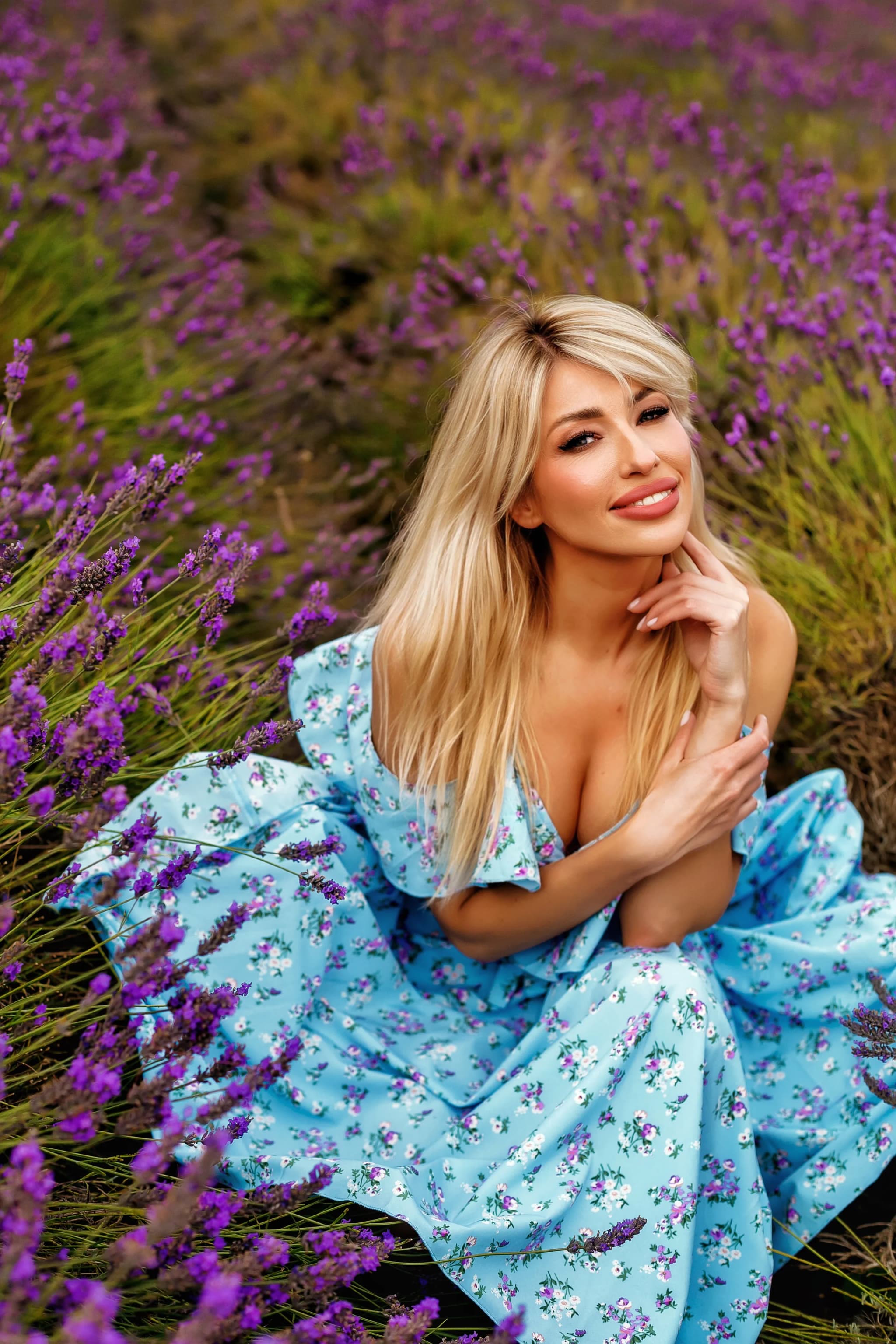
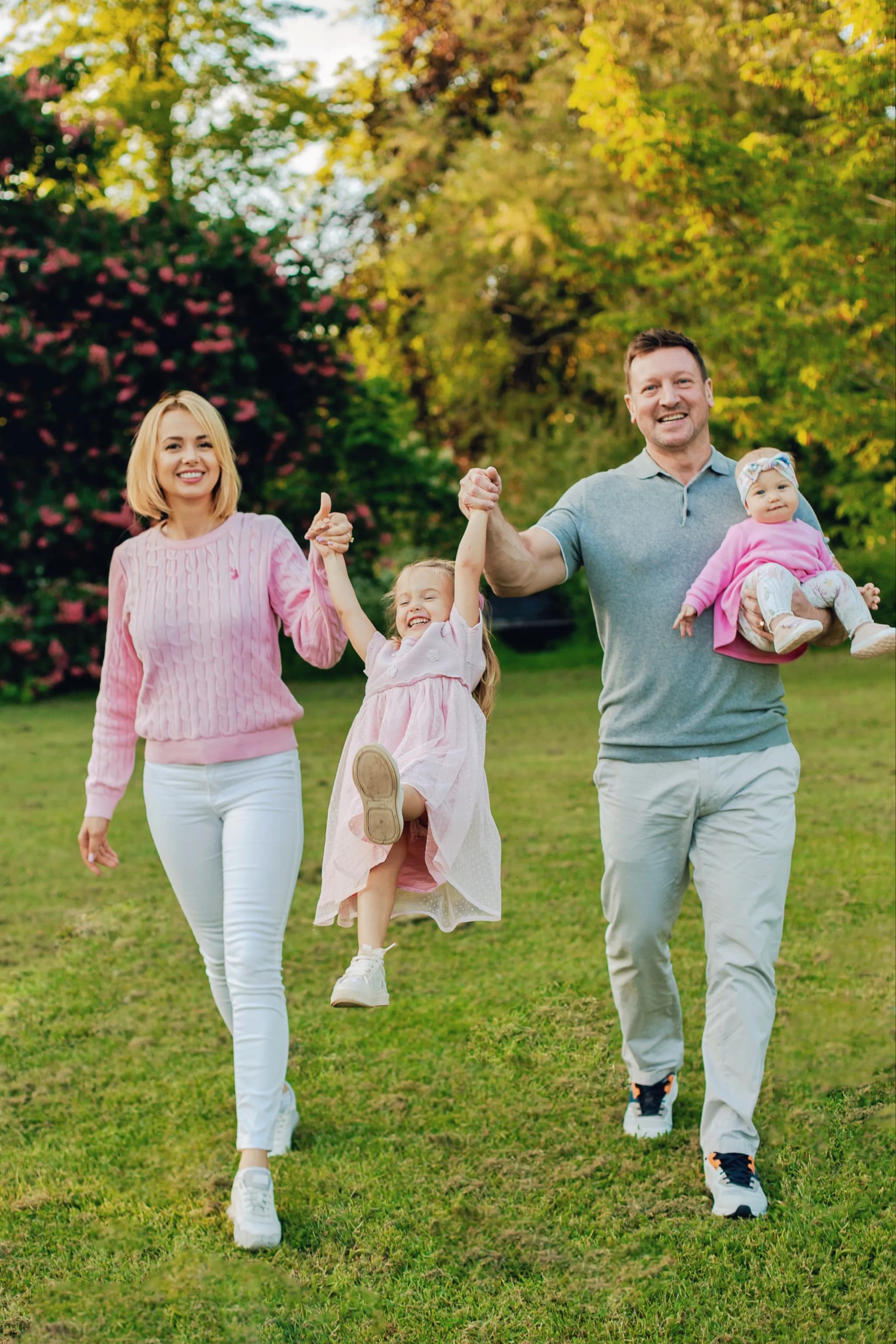
For a portrait in natural environment: Dehaze 0 (atmospheric correction is rarely relevant for portrait distances), Clarity -15 to add a subtle soft glow to the overall image, and Texture -20 globally with Texture +25 locally on the eyes, hair, and lips. The negative global texture smooths skin beautifully, the gentle negative clarity adds romantic softness, and the selective positive texture restores critical detail to the features that define the face. This combination — which takes about 30 seconds to apply once you understand the tools — produces the polished, elegant look that clients associate with high-end professional portraiture, entirely non-destructively and with full adjustability at any point in the editing process.
Local Application for Maximum Control
Applying Dehaze, Clarity, and Texture locally (via graduated or radial filters, adjustment brushes, or AI-powered masks) provides surgical control over where each enhancement is applied. In a landscape, apply Dehaze only to the hazy distance with a graduated filter; apply Clarity to the sky and foreground rocks with separate adjustment brushes; apply Texture to the foreground detail while leaving the sky smooth. In an architectural photograph, apply Clarity to the building facade for structural definition while keeping the sky area free of clarity artifacts. In a group portrait, apply negative Texture to all skin areas using a subject-based AI mask, while keeping clothing, hair, and background at full detail.
Lightroom Classic's AI masking (Select Subject, Select Sky, Select Background) makes local application of these tools remarkably fast: Select Subject > reduce Texture -20 for skin smoothing in one click; Select Sky > add Dehaze +25 and Clarity +15 for dramatic skies in another click. Combine these AI masks with manual filter adjustments and you can sculpt the detail, contrast, and atmosphere of every zone in the image independently — all non-destructively, all instantly adjustable, all within a single RAW processing step that preserves maximum image quality.
Atmospheric, Detailed, Professional
I use precision local contrast tools to give every photograph the perfect balance of atmosphere, detail, and dimension — from silky-smooth skin to dramatic cloud textures to crystal-clear environmental detail.
Book your session and receive exquisitely detailed photography →