Documentary Family Photography: What It Is and Whether It's Right for You
Documentary family photography — sometimes called lifestyle photography — is an approach to photographing families that prioritises authentic, unposed moments over arranged portraits. It has grown significantly in popularity over the past decade, and for understandable reasons: the images it produces have a particular quality of truth. But it is not the right approach for every family or every situation. This guide explains clearly what documentary family photography is, what it produces, and how to decide whether it suits what you are looking for.
What Documentary Family Photography Actually Means
In documentary family photography, the photographer observes and captures rather than directing and arranging. Instead of telling a family where to stand, how to hold each other, and when to smile, the photographer follows the family through their natural activity — whether at home, in a garden, on a walk, or at an outdoor location — and makes images based on what genuinely happens.
This does not mean the photographer is invisible or entirely passive. Documentary photographers create a framework for the session — a location, a general activity or context — and within that framework, they respond to what emerges. They may offer very light direction ("just walk along this path together") but they are primarily reading and responding to authentic interaction rather than constructing it.
The result is a set of images that often feels more private and specific than traditional posed portraiture — images that capture the texture of how a particular family actually moves, touches, laughs together.
What Documentary Photography Produces
The characteristic images from a documentary session have certain consistent qualities:
- Genuine expressions — because nothing is being asked, faces are not performing. The laugh was real. The look between parent and child was unprompted.
- Movement and energy — children running, jumping, tumbling, doing what children actually do. The image shows who they are at this age, not a still formal version of them.
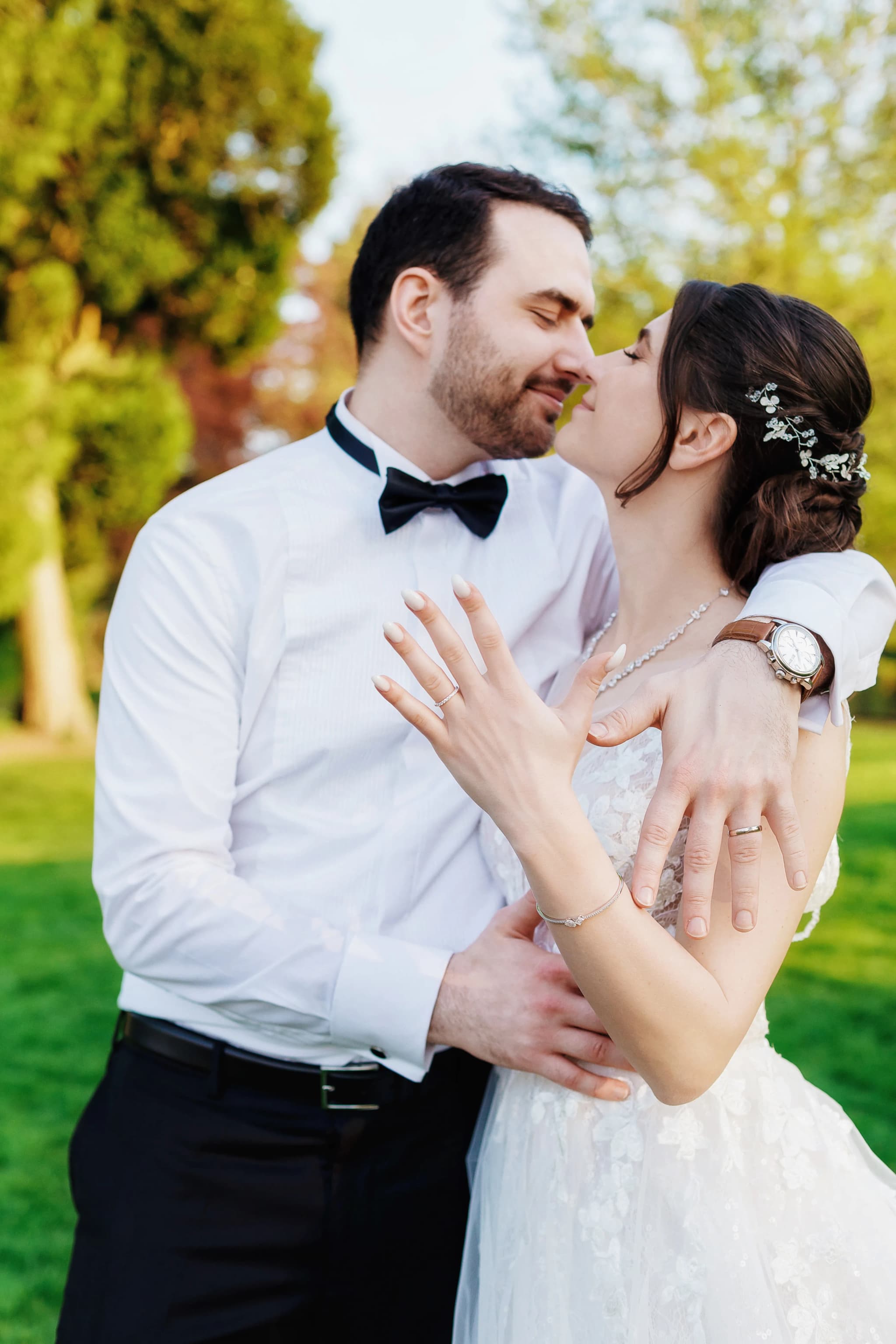
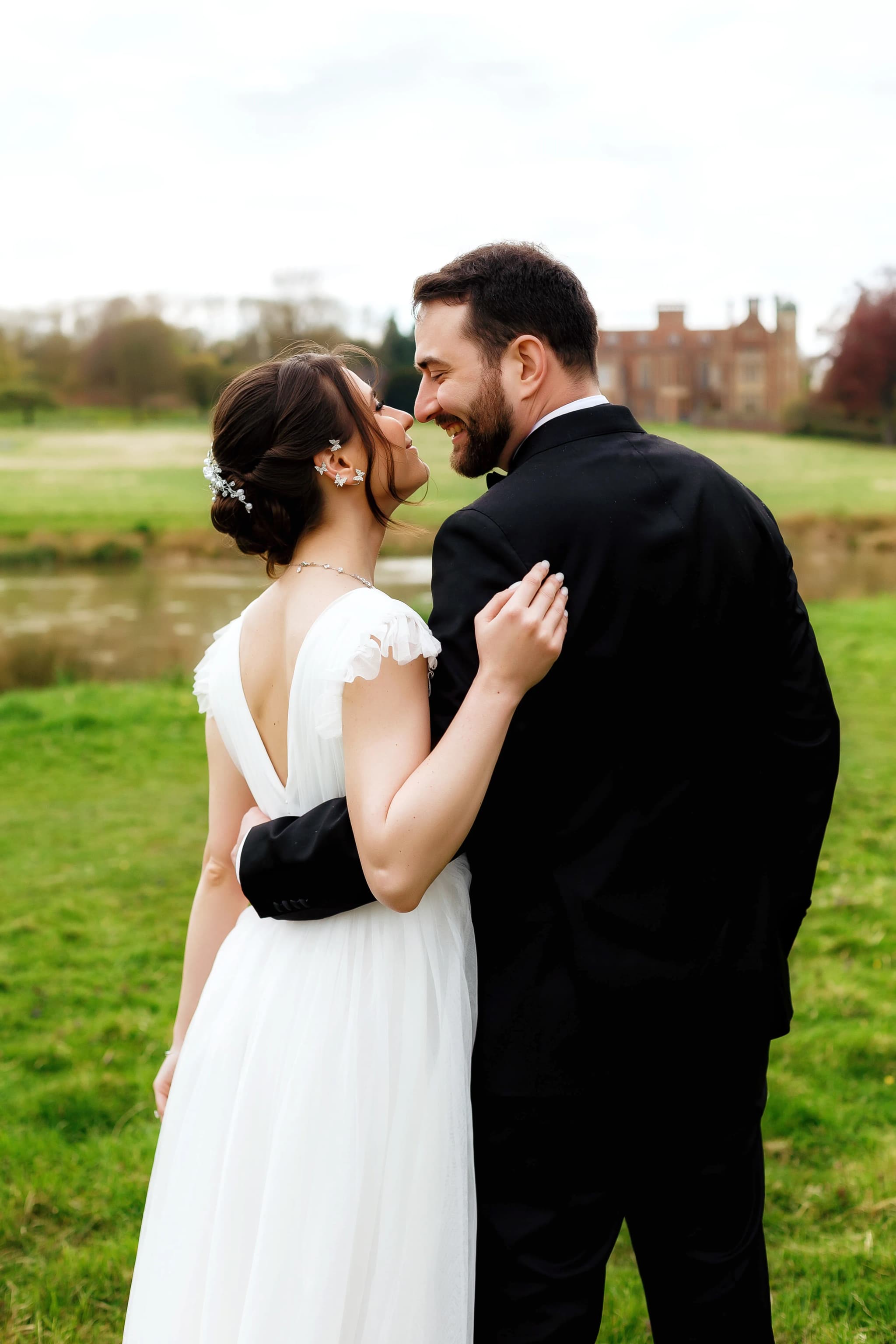
- Relationship detail — the way a parent holds a child's hand, the way a couple naturally stand together, the way siblings interact. These things are not staged; they emerge.
- Context and specificity — because documentary often takes place in or around the family's actual environment, images contain the particular world of that family: their garden, their kitchen, their local park, the specific summer they are living through.
What Documentary Photography Does Not Always Produce
This is equally important to understand. Documentary photography does not guarantee:
- Every family member looking at the camera simultaneously
- Sharp, clearly composed portraits of specific individuals
- Predictable, consistent visual outcomes
- A full set of images with everyone present in equal measure
If you have specific requirements — a particular grouping you need in every image, clear individual portraits for a specific purpose, a very specific look or style — a more directed approach will serve those needs better. Documentary photography works best when the priority is emotional truth over compositional precision.
Documentary vs Posed: A Realistic Comparison
Most professional family photographers today work somewhere on a spectrum between purely documentary and purely posed, rather than at either extreme. The most effective approach for most families is a session that uses light structure (location chosen, general activities suggested, loose direction given) but operates primarily in a responsive mode — making the most of what genuinely emerges within that structure.
Posed photography has real strengths: it can guarantee certain images, it works well for people who are uncomfortable in front of a camera and need structure, and it tends to produce cleaner compositions. Documentary photography has different strengths: it is more revealing, more specific to a family, and more likely to produce images that surprise — images that capture something you did not know was there.
Many experienced photographers move fluidly between the two modes in a single session: a few minutes of light structure to settle the family and ensure some classic portraits, followed by a longer period of observation and response that produces the documentary images.
When Documentary Photography Works Best
Documentary approach is particularly effective in:
- At-home sessions — where the family's real environment provides context and children are most naturally themselves
- Garden sessions in summer — children playing outside in their own space, parents relaxed and engaged
- Sessions with toddlers and young children — who cannot reliably be posed anyway, and whose natural movement produces the most joyful images
- Sessions with reluctant participants — teenagers, self-conscious adults, and people who dislike formal photography often relax far more in a documentary context
Choosing a Photographer with a Documentary Approach
When looking for a family photographer with a documentary or lifestyle specialism, the clearest indicator is their portfolio. Look for images where the subjects are not looking at the camera, where the expressions are clearly genuine, where there is movement and imperfection in the composition. A portfolio full of perfectly posed subjects all looking directly at the camera is a posed photographer, not a documentary one — neither is superior, but they produce different results.
Ask directly: how much do you direct during a session? What does your approach look like in practice? A documentary photographer will describe the process differently from a posed photographer, and that description will tell you very quickly whether their way of working matches what you are looking for.
The images that endure from documentary family photography tend to be the ones that remind you — years later — of exactly who your family was in a particular season of your lives. Not staged. Not perfect. Real.