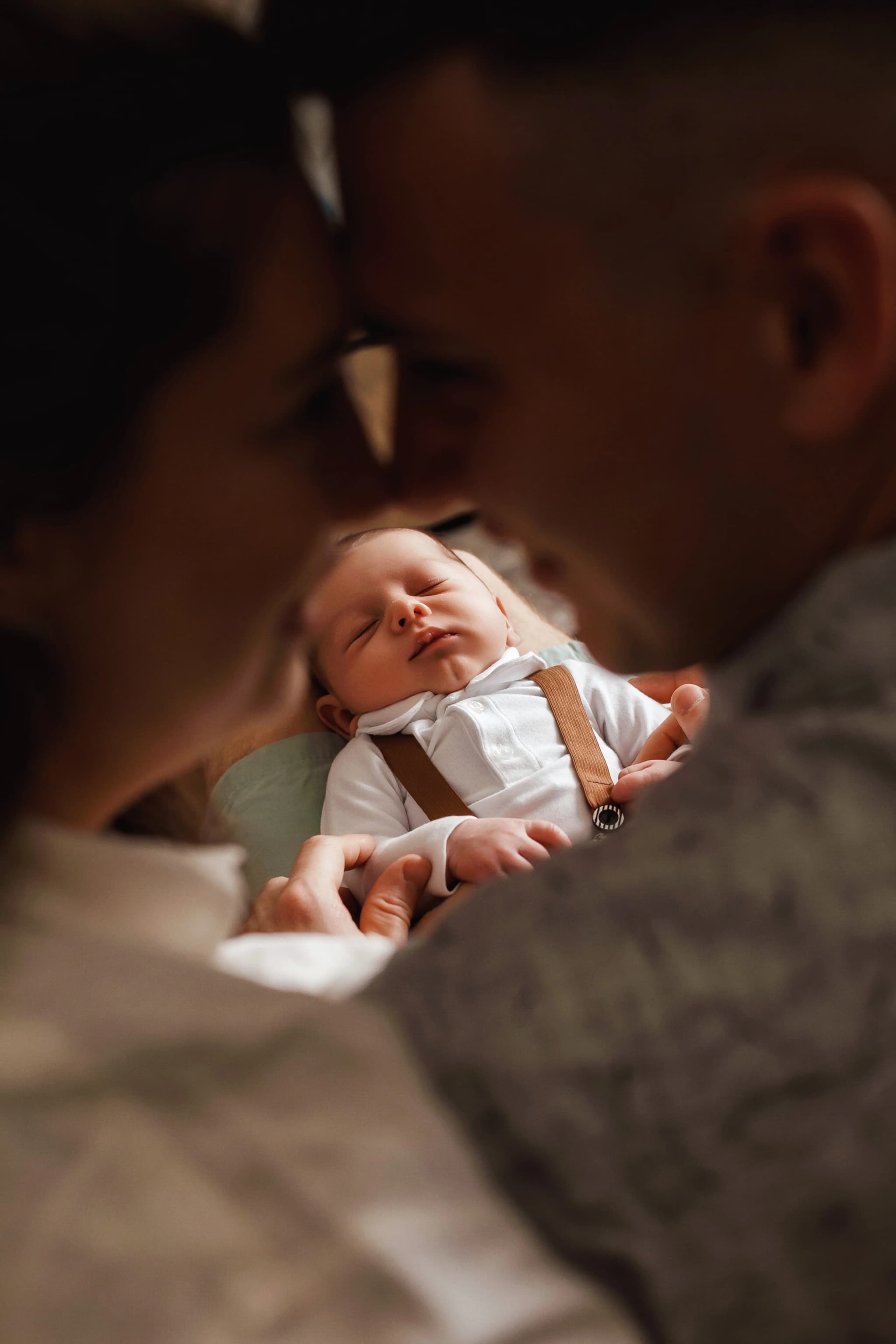
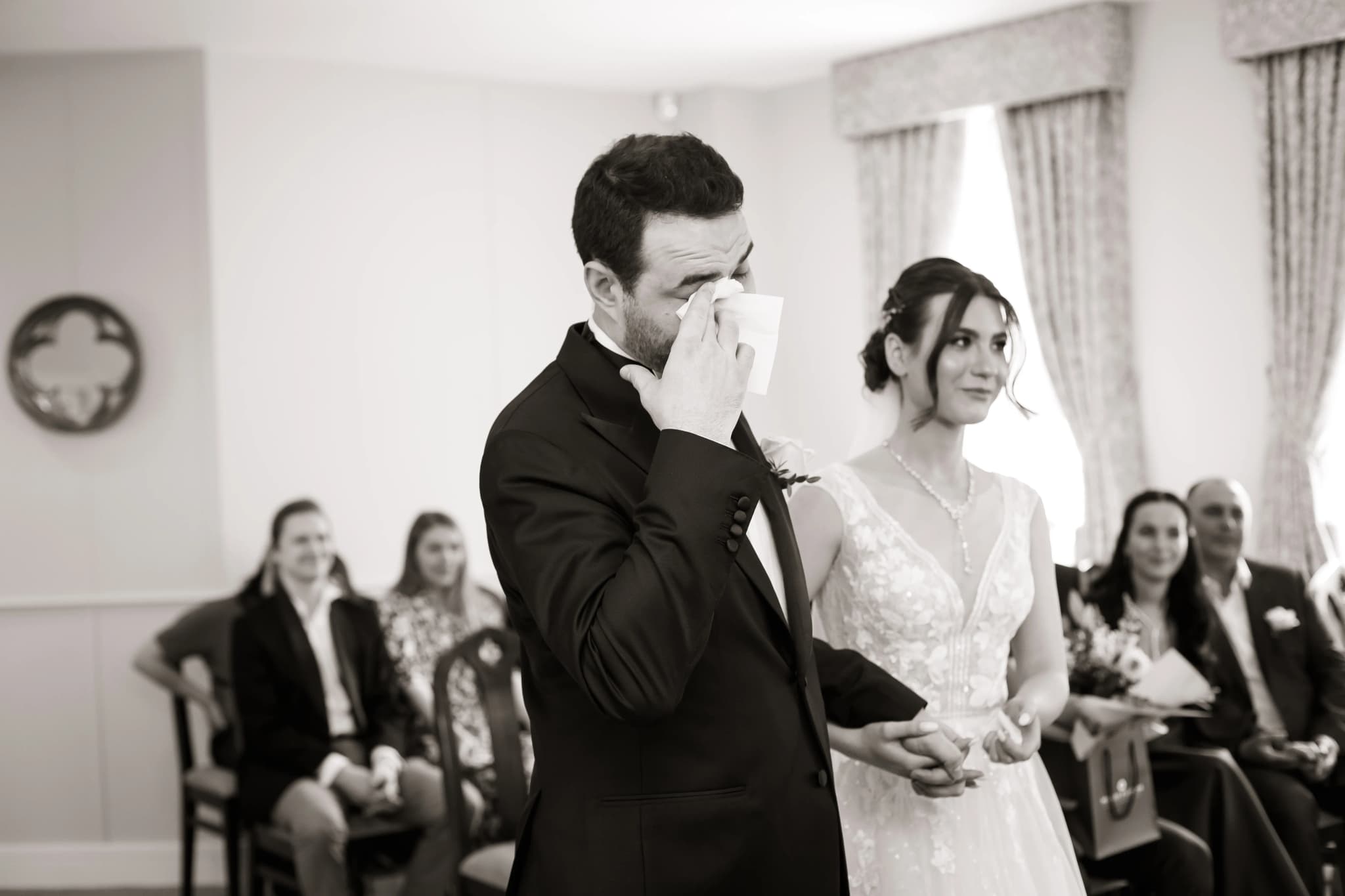
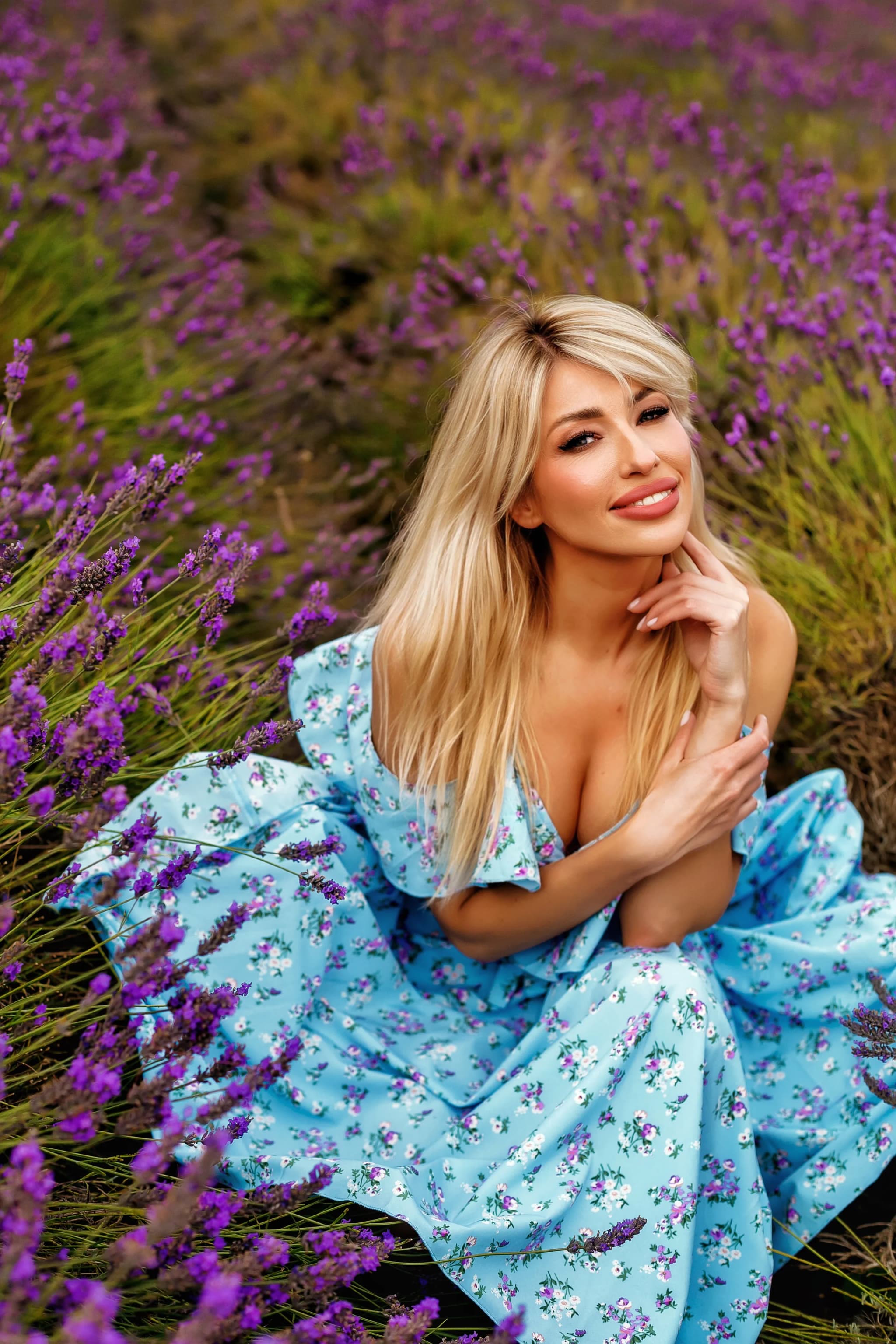
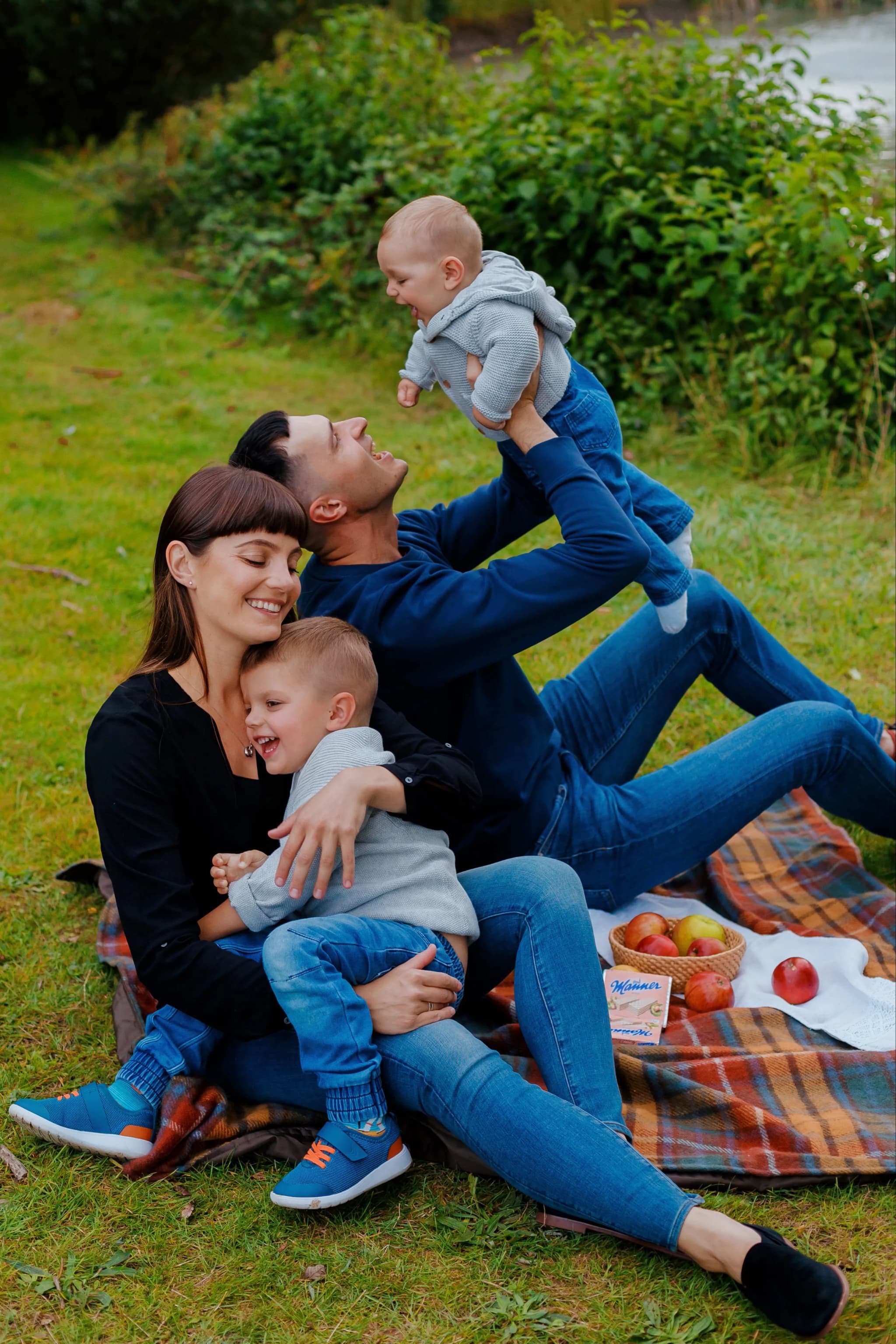
Rembrandt lighting is one of the oldest, most recognisable lighting patterns in portraiture — named after the Dutch master painter who used it to shape faces with deep drama and emotional intensity. The technique places the main light source to one side and slightly above the subject, creating a distinctive triangle of light on the shadow-side cheek. That small triangle — bounded by the eye socket, the nose shadow, and the cheekbone — is the signature of Rembrandt lighting and the mark of deliberate, intentional portrait craft.
What Rembrandt Lighting Looks Like
The defining feature is the triangle of light on the shadow-side cheek. One side of the face is fully lit by the main light source. The other side falls into shadow — except for that characteristic triangle, formed when the nose shadow meets the cheek shadow but leaves a small patch of the cheek illuminated by light wrapping around the nose bridge and beneath the eye.
The result is a face that feels three-dimensional, sculpted, and dramatic. The shadow gives the face depth and structure. The triangle of light keeps the shadow side from disappearing entirely, maintaining enough detail to feel natural while maximising drama.
How to Set Up Rembrandt Lighting
Light Position
Place the main light source approximately 45 degrees to one side of the subject and raised 45 degrees above their eye line. This is the classic starting point. From there, fine-tune:
- Move the light higher to make the triangle smaller and more dramatic. The nose shadow lengthens, the eye sockets deepen.
- Move the light lower to make the triangle larger and the lighting softer. More of the shadow-side face is illuminated.
- Move the light more to the side to deepen the shadow on the far side of the face. At extreme angles, only a sliver of the cheek catches light.
- Move the light forward (toward the camera position) to open up the shadows and produce more even lighting. This transitions from Rembrandt toward loop lighting.
Subject Position
The subject should face slightly away from the light source — turning the nose toward the camera or slightly past camera. This ensures the nose shadow falls across the cheek rather than projecting straight down. If the subject faces the light directly, you'll get butterfly lighting instead of Rembrandt.
Background
Dark backgrounds amplify the drama — the face emerges from shadow, drawing all attention to the lit portions. A medium-grey or textured background adds subtle context without competing. Light backgrounds reduce the dramatic effect but can work for a softer Rembrandt interpretation.
Light Sources for Rembrandt Lighting
Natural Light (Window)
A single window in a dim room is the original Rembrandt light source — it's how the painter himself worked. Position the subject beside the window, facing slightly away from it. The window provides a large, soft light that wraps beautifully around facial contours. Use a dark curtain or wall on the shadow side to prevent bounce light from filling the shadows.
Studio Strobe or Continuous Light
In a studio, a single light with a medium softbox (60 × 90 cm) or beauty dish produces controlled Rembrandt lighting. A smaller light source (bare bulb, small reflector) produces harder shadows with more defined edges — closer to the classic painted look. A larger softbox produces softer shadows — gentler, more modern.
Speedlight / Flash
An off-camera speedlight with a small softbox or shoot-through umbrella, triggered wirelessly, works for location Rembrandt setups. The speedlight is positioned at the same 45/45 angle. This works brilliantly for wedding portraits in hotel rooms, churches, or outdoor evening setups.
Fill Light and Shadow Control
Classic Rembrandt lighting uses no fill — the shadow side is dark, with only the triangle breaking the darkness. This produces the most dramatic result. However, for wedding and portrait work where clients need to recognise themselves in the shadows, controlled fill is often appropriate:
- Reflector (white): a white reflector on the shadow side bounces soft, neutral light back into the shadows. This opens the shadows by 1-2 stops without eliminating them.
- Reflector (silver): produces stronger, more specular fill — visible as a secondary catch light in the eyes. More fill, more detail in shadows.
- No reflector (v-flat black): a black panel on the shadow side absorbs light rather than reflecting it, deepening the shadows further for maximum drama.
- Second light at low power: a fill light at 2-3 stops below the main light, positioned near the camera, opens shadows evenly without destroying the Rembrandt pattern.
The Lighting Ratio
The ratio between the lit and shadow sides determines the mood:
- 2:1 ratio — one stop difference. Subtle, gentle Rembrandt. The shadow side is visible and detailed. Flattering for most subjects.
- 4:1 ratio — two stops difference. The classic portrait ratio. Clear shadow and triangle, but the shadow side retains texture and detail.
- 8:1 ratio or higher — three+ stops difference. Deep, painterly drama. The shadow side is near-black. The triangle of light is the only detail on that cheek. This is the closest to Rembrandt's actual paintings.
When to Use Rembrandt Lighting
- Groom portraits: the structured, dramatic quality of Rembrandt lighting suits masculine portraits exceptionally well. The strong shadows define the jawline and cheekbones.
- Bridal portraits with drama: a bride in a dark church alcove, lit by a single window — the veil catching the edge light, the face sculpted by shadow.
- Father-of-the-bride: emotional, dignified, timeless. Rembrandt lighting elevates a simple portrait into something painterly.
- Couple portraits: light one face with Rembrandt and position the second face in the shadow-side fill — one face lit dramatically, the other softer, creating visual hierarchy.
- Editorial and fine-art work: any portrait session where drama, depth, and artistic quality matter more than even, flattering light.
When NOT to Use Rembrandt Lighting
- Group photos: the uneven lighting means some faces will be brighter than others. Use broader, more even lighting for groups.
- Subjects wearing glasses: the angled light can create severe reflections in spectacle lenses. Adjust the light position or remove the glasses.
- When the client wants even, bright, "happy" images: Rembrandt lighting is inherently moody. If the brief is light and airy, use loop or butterfly lighting instead.
Camera Settings and Exposure
Expose for the highlights on the lit side of the face — the forehead, the nose bridge, the lit cheek. Let the shadows fall naturally. If you expose for the shadows, the highlights will blow out and the drama disappears. Spot metering on the brightest part of the face (excluding specular highlights) is the most reliable approach.
Shoot in RAW for maximum shadow recovery if needed in post-processing. A slight underexposure by 1/3 stop often produces the best result — the shadows deepen, the highlights stay rich, and the overall feeling is moodier.
Post-Processing Rembrandt Portraits
- Deepen blacks slightly for a painted quality — lower the black point in curves or the blacks slider.
- Add a subtle warm tone to the highlights and a cool tone to the shadows (split toning) for classic old-master warmth.
- Dodge the triangle of light slightly to make it more visible if the effect was subtle in-camera.
- Desaturate slightly for a timeless, less modern feel — or convert to black and white, where Rembrandt lighting is at its most dramatic.
- Vignette the edges to draw the eye further toward the lit face.
Dramatic, painterly lighting for portraits that feel like fine art.
Every portrait session includes intentional lighting shaped to flatter your face and match the mood you want. Book a portrait session with sculpted lighting.