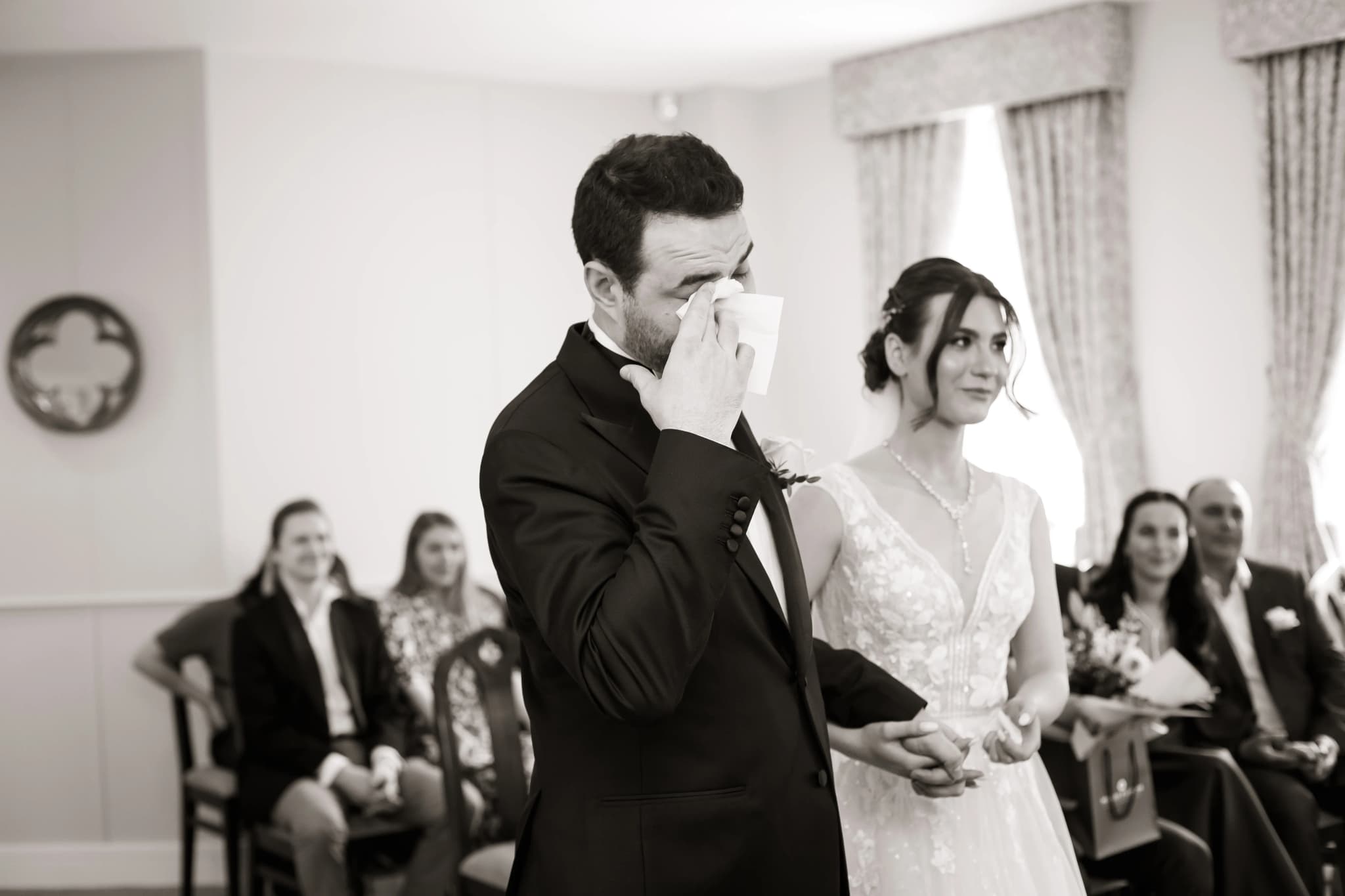
Dynamic range is the single most important technical specification of any camera sensor — yet it is often misunderstood, overlooked, or confused with other image quality metrics. Dynamic range measures the ratio between the brightest and darkest tones a camera can capture simultaneously in a single exposure while retaining usable detail in both. Measured in stops (or EV), dynamic range determines how well a camera handles high-contrast scenes — bright skies above dark foregrounds, sunlit buildings beside deep shadows, a white wedding dress alongside a black suit. Understanding dynamic range transforms your photography: it informs exposure strategy, shooting technique, post-processing approach, and equipment choices. This guide explains what dynamic range is, how it works, how it is measured, how it varies across cameras, and how to make the most of your camera's dynamic range in practice.
What Is Dynamic Range?
In photography, dynamic range is the difference (measured in stops) between the darkest and brightest tones a sensor can record with usable detail. One stop represents a doubling of light. A camera with 12 stops of dynamic range can capture detail across a brightness range of roughly 4000:1 — meaning the brightest detailed highlight is 4000 times brighter than the darkest detailed shadow. A camera with 14 stops handles a 16,000:1 range. The human eye adapts dynamically and effectively perceives roughly 20 stops as it adjusts to different parts of a scene — which is why high-contrast scenes that look fine to the eye often exceed the camera's ability to capture both highlights and shadows simultaneously.
Sensor Dynamic Range: How It Works
Each pixel on a digital sensor has a well — a capacitor that accumulates electrical charge as photons strike it during the exposure. When the well is empty (no light), the output is zero (pure black plus noise). When the well is full (maximum light), the output is maximum (pure white — clipped). Dynamic range is the ratio between the full-well capacity and the noise floor (the minimum signal distinguishable from electronic noise). A sensor with a large full-well capacity relative to its noise floor has high dynamic range. Larger pixels (from larger sensors or lower megapixel counts) generally have larger wells and lower noise floors, producing higher dynamic range — which is why full-frame sensors typically outperform APS-C, which outperforms Micro Four Thirds, in dynamic range tests.
Dynamic Range and ISO
Dynamic range decreases as ISO increases. At base ISO (typically ISO 100), the sensor operates with maximum signal-to-noise ratio and maximum dynamic range — typically 12–15 stops on modern cameras. As you increase ISO, the signal is amplified along with the noise, reducing the effective dynamic range. At ISO 3200, a camera with 14 stops of base-ISO dynamic range may have only 10 stops usable. At ISO 12800, it may drop to 7–8 stops. This is why shooting at base ISO is critical for scenes with extreme dynamic range — the lower the ISO, the more shadow detail you can recover in post-processing. The concept of "ISO-invariant" sensors (common in modern Sony, Nikon, and Fujifilm cameras) means that raising ISO in-camera produces nearly the same result as raising exposure in post-processing from a lower ISO — giving photographers the flexibility to underexpose at base ISO and lift in post without penalty.
Measuring Dynamic Range
DxOMark and Photons to Photos are the leading independent sources for camera sensor dynamic range measurements. DxOMark measures "Print Dynamic Range" (normalised to a standard output size) and "Screen Dynamic Range" (per-pixel measurement). Photons to Photos provides PDR (Photographic Dynamic Range) at each ISO value. These measurements are standardised and comparable across cameras and manufacturers. When comparing cameras, look at the base ISO dynamic range — this is where the differences are most significant. Modern leading sensors (Sony A7RV, Nikon Z8, Canon R5 II) achieve 14–15 stops at base ISO. Even smartphones achieve 10–12 stops with computational HDR. Understanding these measurements helps you choose equipment appropriate for your shooting conditions and post-processing needs.
Dealing with Scenes That Exceed Dynamic Range
When the scene's brightness range exceeds your camera's dynamic range, you have several strategies. First: expose to protect the highlights (ETTR — Expose to the Right) and recover shadows in post-processing. Blown highlights (clipped to pure white) cannot be recovered; underexposed shadows can be lifted with noise but retain detail. This is the default strategy for most professional photographers. Second: use graduated neutral density filters to darken the bright part of the scene (typically the sky) while leaving the darker foreground unaffected. This compresses the dynamic range to fit within the sensor's capability. Third: exposure bracketing and HDR merge — capture multiple exposures at different settings and blend them in software, combining correctly exposed highlights from one frame with correctly exposed shadows from another. Fourth: accept the limitation and use it creatively — silhouettes, high-key images, and dramatic contrast are all valid artistic responses to extreme dynamic range.
ETTR: Expose to the Right
Expose to the Right is a dynamic range optimisation technique. The principle: overexpose as much as possible without clipping the highlights, then reduce exposure in post-processing. Why? Because digital sensor noise is concentrated in the shadows. By shifting the exposure rightward (brighter), you move shadow information away from the noisy floor into the cleaner middle tones. When you pull the exposure back down in post, the shadows contain less noise than if you had underexposed them. The practical implementation: set your exposure so the histogram pushes against (but does not clip) the right edge. Review the histogram after each shot and adjust. In high-contrast scenes, you may need to sacrifice some shadow depth to protect highlights — but ETTR ensures that the tones you do capture are as clean as possible.
Dynamic Range in Post-Processing
The practical value of dynamic range is realised in post-processing. RAW processing software (Lightroom, Capture One, DxO) allows you to adjust exposure, recover highlights, lift shadows, and compress or expand the tonal range. A camera with 14 stops of dynamic range allows you to lift shadows by 3–4 stops and recover highlights by 1–2 stops with minimal quality degradation. This flexibility is transformative for wedding, event, and architectural photography — scenes where extreme lighting contrasts are unavoidable. The Shadows and Highlights sliders in Lightroom directly manipulate the extremes of the captured dynamic range. The Tone Curve provides finer control over how the dynamic range is distributed across the final image. Understanding your camera's specific dynamic range behaviour at each ISO helps you predict how much recovery is possible before image quality degrades.
Dynamic Range and Video
Video dynamic range has become a major differentiator in modern cameras. Standard video (Rec.709) has approximately 6 stops of dynamic range. HDR video (HLG, HDR10, Dolby Vision) delivers 10–13 stops. Log video profiles (S-Log3, C-Log3, N-Log, F-Log) capture the maximum sensor dynamic range in a flat, low-contrast format designed for colour grading. Shooting in a log profile requires post-production colour grading (applying a LUT or manual correction) to produce a viewable image — but the payoff is dramatically more highlight and shadow detail than standard video. The combination of high dynamic range sensors, log profiles, and 10-bit colour depth has brought cinema-quality dynamic range to hybrid mirrorless cameras, making professional video accessible to photographers crossing into filmmaking.
Practical Dynamic Range Tips
Always shoot RAW to capture the full dynamic range your sensor offers — JPEG discards shadow and highlight data during in-camera processing. Shoot at base ISO for maximum dynamic range — increase ISO only when necessary for shutter speed or flash sync. Use the histogram — not the LCD preview — to evaluate exposure. The LCD brightness is deceptive; the histogram shows the actual data distribution. Enable highlight clipping warnings (blinkies) to identify blown highlights immediately. In extremely high contrast scenes, bracket your exposures (three frames at -2, 0, +2 stops) for later HDR merge. When post-processing, push the Highlight and Shadow sliders before adjusting overall exposure — this extracts the maximum usable information from the dynamic range before you make global exposure decisions.
Dynamic range is the bridge between what your eyes see and what your camera can capture — mastering it means mastering the full tonal richness of every scene.
Every tone matters. See how light is captured.