What to Wear for Your Engagement Session: A Style Guide
Outfit choice has a larger effect on engagement photography than most couples expect. The clothing you wear does not just affect whether you look good — it affects the mood, colour palette, and overall feel of the entire set of images. Spending time on this decision pays dividends in the final results. This guide covers what works photographically, how to co-ordinate as a couple, and the practical considerations that are often overlooked.
The Core Principle: Complement, Don't Match
The most common mistake couples make is wearing outfits that match too closely — the same shade of white, identically styled casual looks, co-ordinated colours. Exact matching can make images look staged and dated. Instead, aim to complement: choose outfits that work together as a palette without being identical.
Complementary combinations that work well photographically include navy and cream, burgundy and blush, olive and camel, grey and soft blue. The key is that the colours should sit in the same tonal family — either warm or cool — rather than clashing or competing.
Colour Against Your Setting
The colours that work best depend on where your session is taking place. For autumn woodland, warm tones — terracotta, rust, deep burgundy, camel — harmonise beautifully with the gold and orange of the trees. For spring meadows and wildflower settings, softer tones — sage, blush, ivory, dusty rose — blend with the palette of the season. For urban or architectural settings, stronger neutrals (charcoal, ivory, navy) or classic combinations read more clearly against stone and brick.
Colours to approach with care: very bright red or orange (these tend to dominate the frame and draw the eye away from faces), fluorescent tones, and very bold graphic prints. These are not rules — it depends on the look you want — but they are worth considering.
White is a common choice but requires some thought. It can blow out in direct sunlight and may require more precise exposure management from your photographer. Pure white also needs a relatively clean setting not to look incongruous. Ivory and soft white tend to be more forgiving photographically and visually warmer.
Dress Code: Formal, Smart-Casual, or Relaxed?
There is no correct answer to how formally you should dress. The right level depends on the aesthetic you are drawn to and how you want to remember this time in your lives.
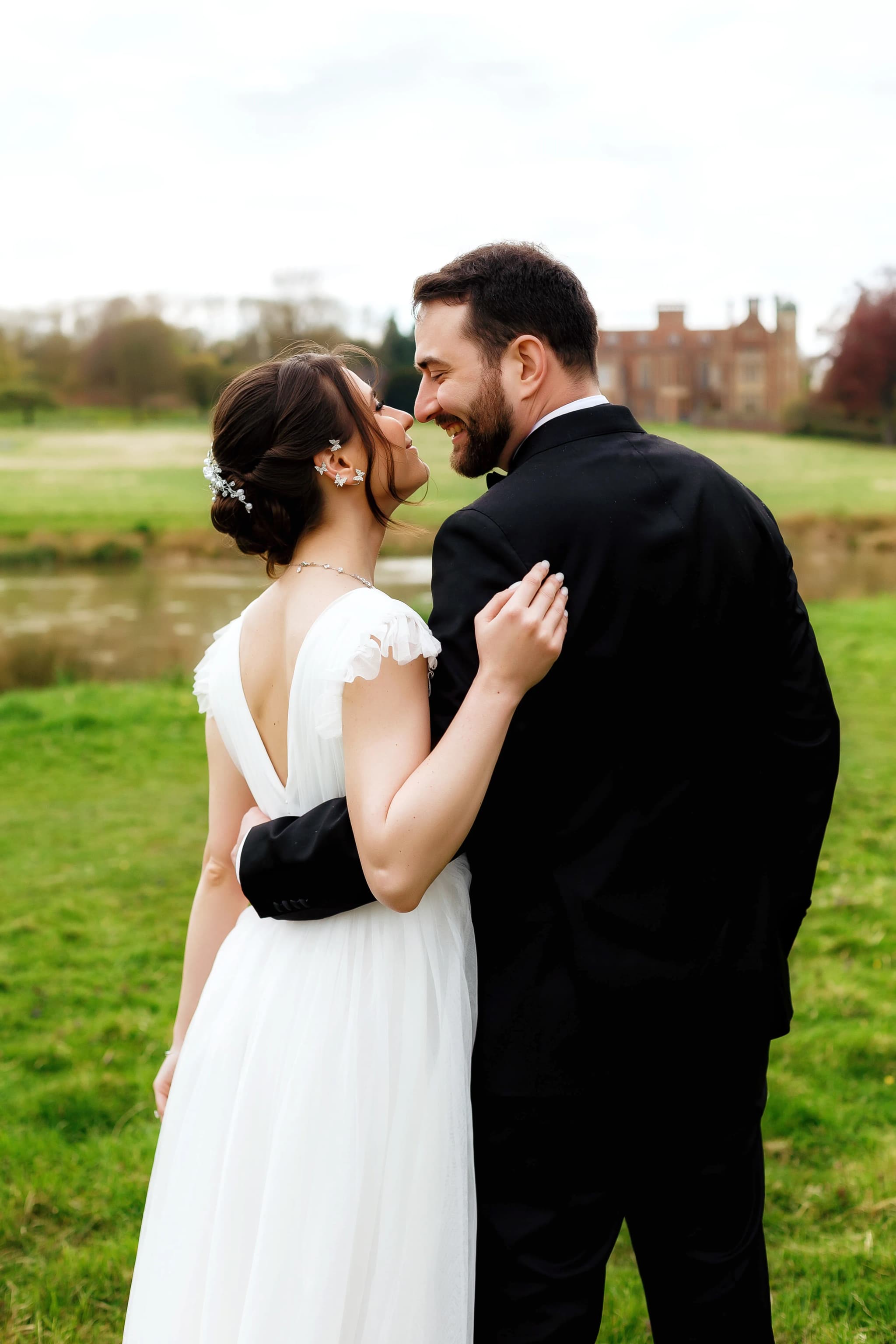
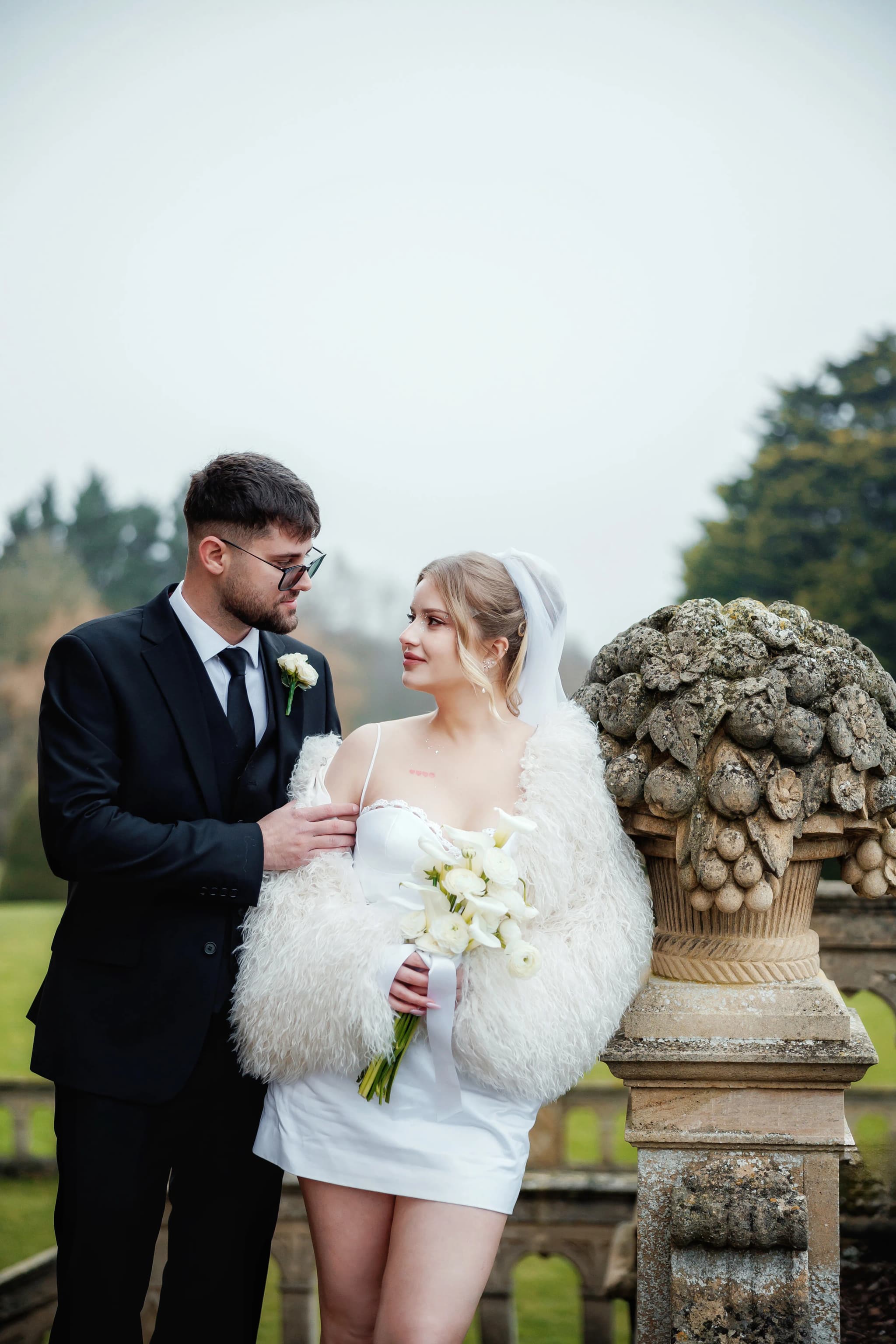
- Formal or smart-casual — a dress or tailored trousers and blouse for one partner, and suit or well-fitted trousers and jacket for the other. Produces elegant, timeless images. Suits couples who want images that could be framed or printed large and displayed.
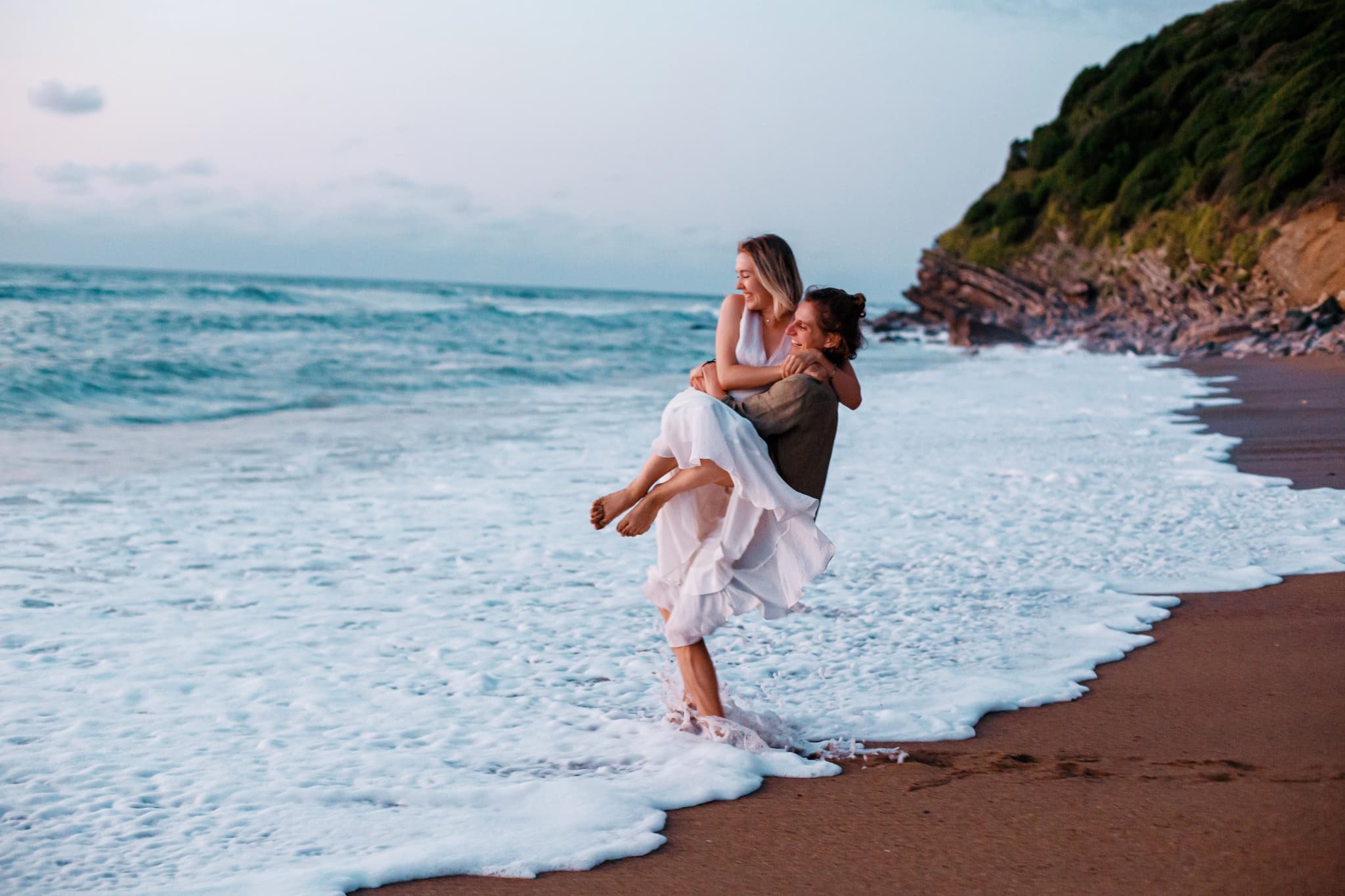
- Casual — jeans, knitwear, casual dresses, comfortable leather boots. Produces a relaxed, natural quality. Suits couples who want images that feel true to their everyday lives together.
- A combination — one outfit more formal, one more casual. Many couples bring two complete outfits and change partway through a session, which allows the gallery to have variety of mood as well as location.
Fit and Silhouette
Well-fitting clothes photograph significantly better than clothes that are too loose or too tight. This applies to all body types. If you have a favourite item of clothing that you know photographs well on you, build the outfit around it. If you are uncertain about something, try it on and take a photo of yourself in it before committing to wearing it for the session.
For women, clothing with some structure tends to photograph better than very lightweight fabrics that may bunch or wrinkle. For men, a good-fitting shirt under a jacket or well-cut trousers with a neat shirt makes a substantial difference to how images read.
Practical Considerations
- Shoes and terrain — if the session is outdoors on grass or uneven ground, stiletto heels require thought. Block heels and kitten heels work better on natural surfaces. Bringing an alternative pair in a bag is a sensible solution.
- Layers and temperature — outdoor sessions can move between sun and shade, and temperatures can change. A layer that can be removed (a jacket or scarf for a cosy outdoor look) adds visual interest and keeps you comfortable.
- Avoid writing and logos — clothing with visible text, logos, or slogans draws the viewer's eye to the writing rather than the faces. Plain or simply patterned clothing keeps attention where it belongs.
- Comfort matters — you will be wearing these clothes for an hour or more, moving, sitting, walking. If something is uncomfortable to wear, that discomfort will show. Choose an outfit you would enjoy being in, not just one that photographs well.
Accessories
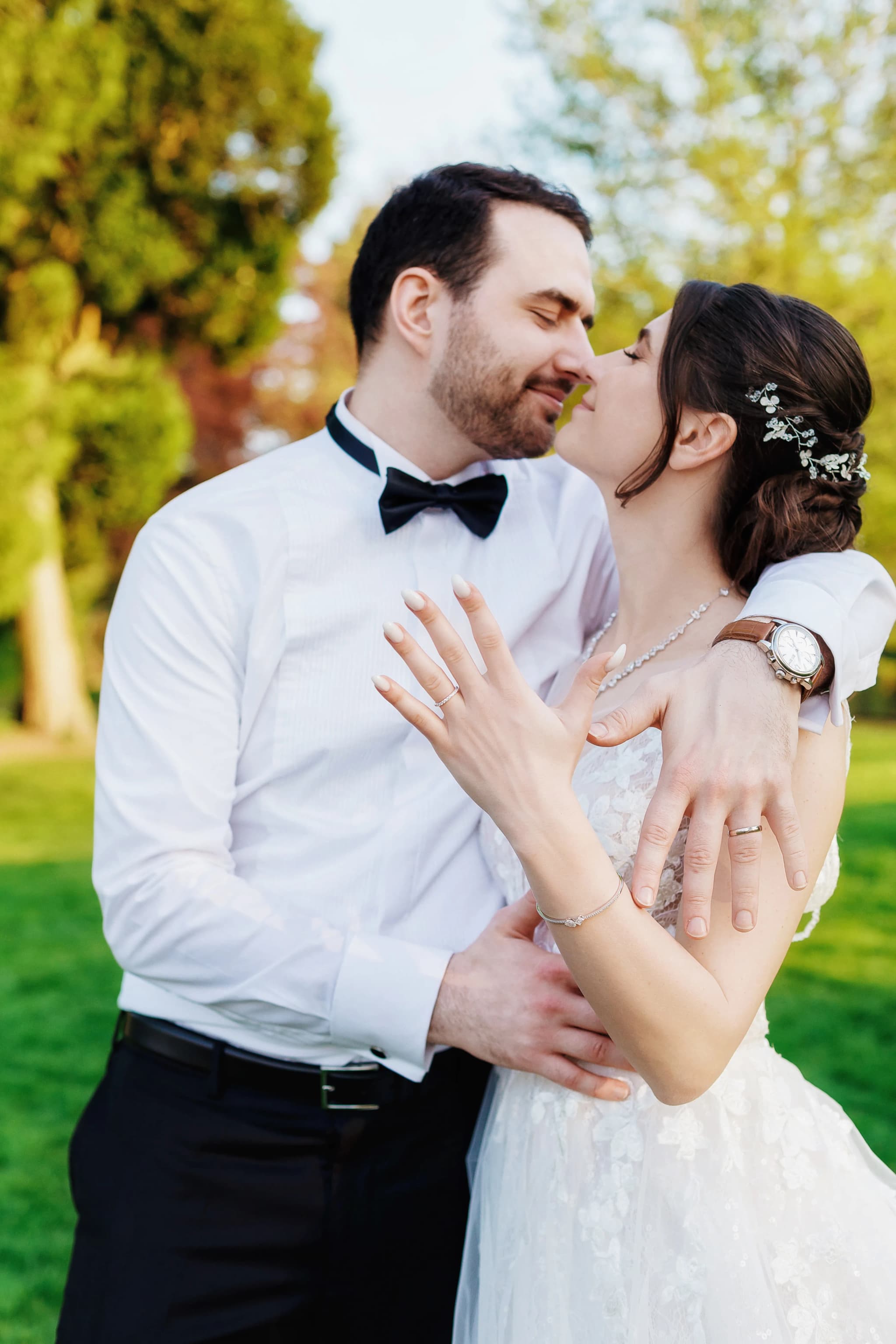
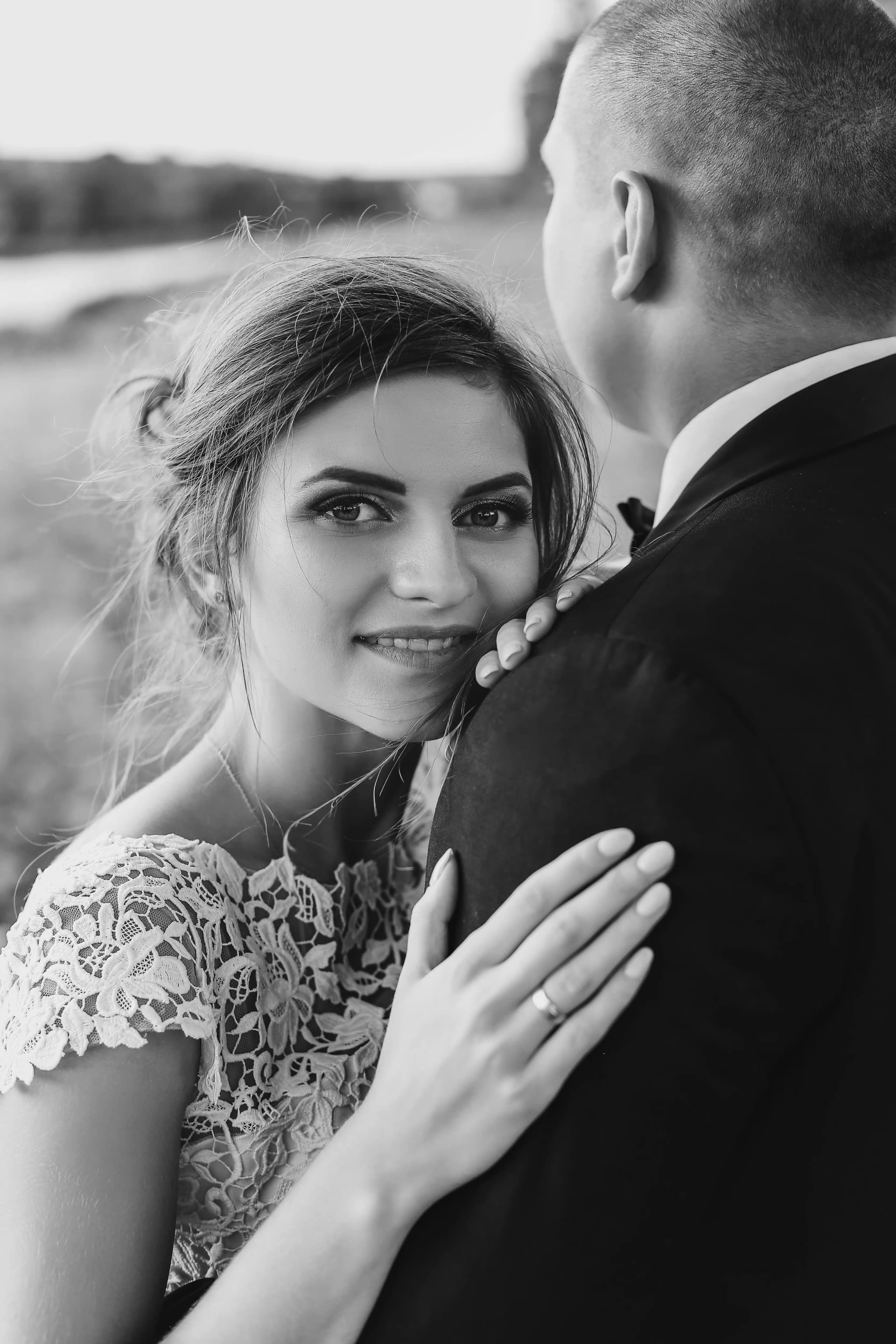
Jewellery, scarves, hats, and bags can add visual interest and personality to engagement portraits. Simple, considered accessories that complement the overall outfit work well photographically. Very large or very bright statement pieces can distract from faces. Your engagement ring will almost certainly be photographed — it is worth considering whether its style suits the rest of the look.
Hair and Make-up
Natural or natural-enhanced tends to photograph best for the kinds of outdoor natural-light sessions most engagement photographers shoot. Very heavy make-up can look particularly artificial in close-up natural light photography. The key is to look like a polished, well-rested version of yourself — not a different version.
If you are considering professional hair and make-up for the session, factor in timing carefully: the session should start after the styling is fully finished, not during.