Engagement Session Photography: A Complete Guide
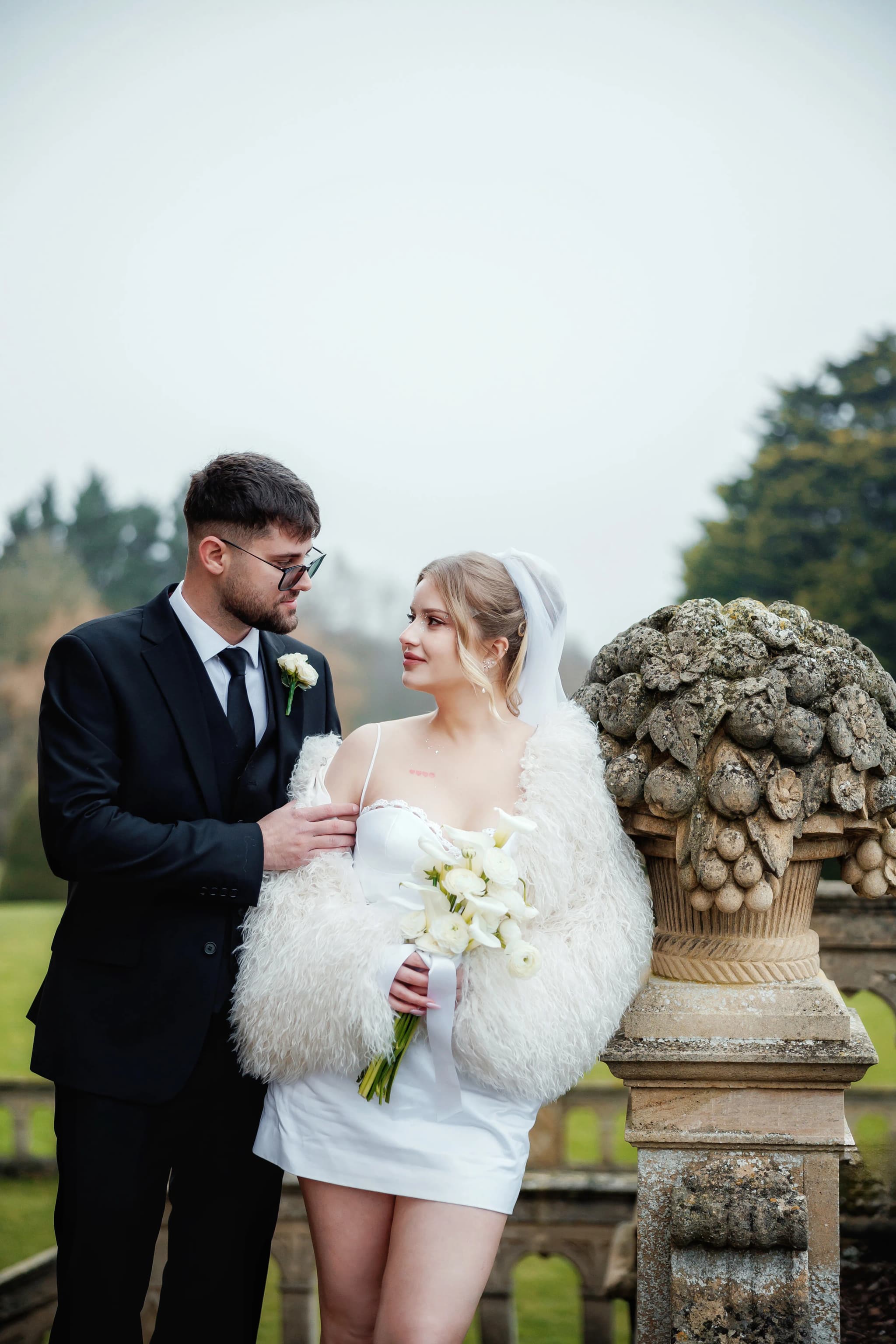
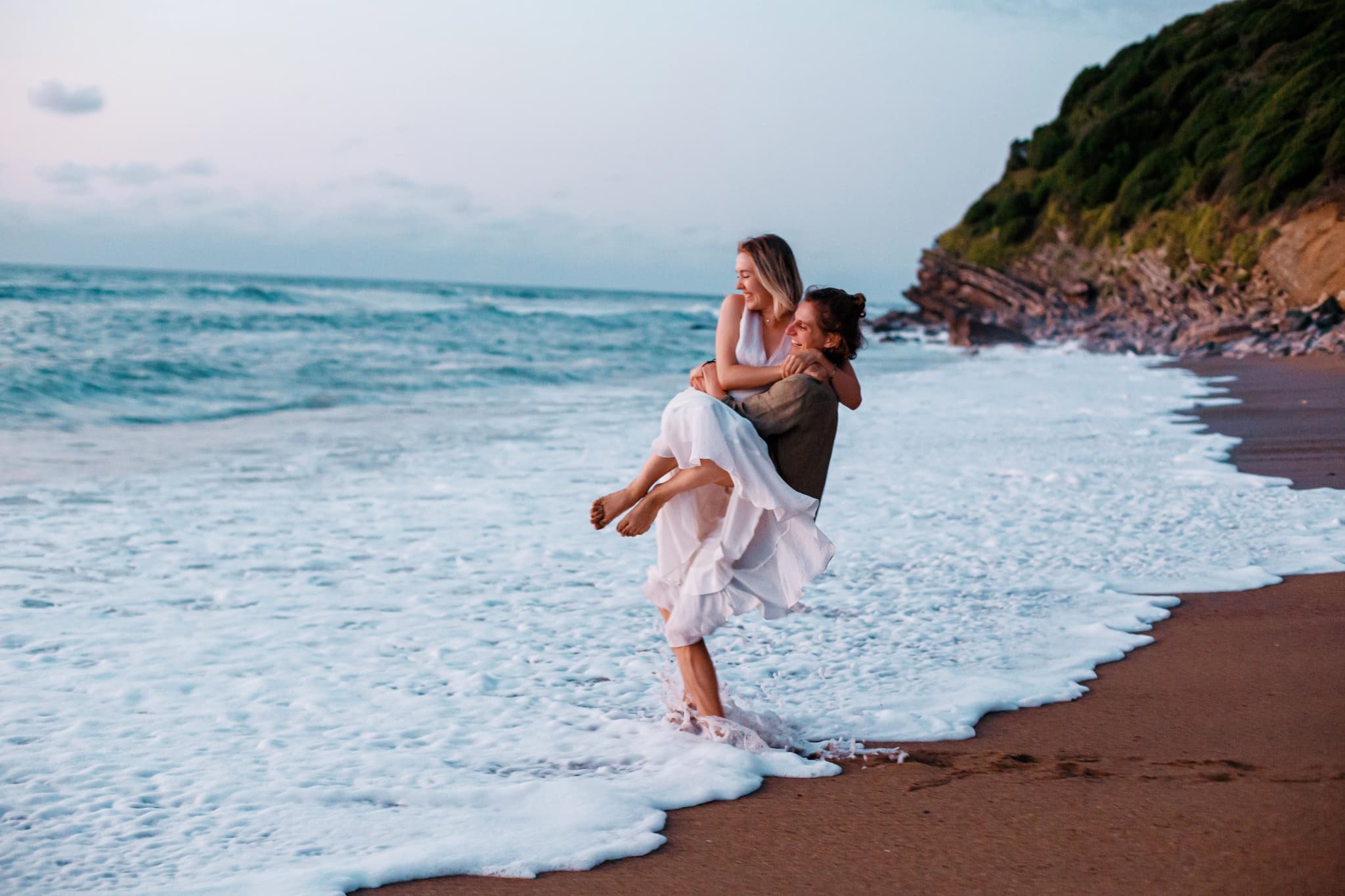
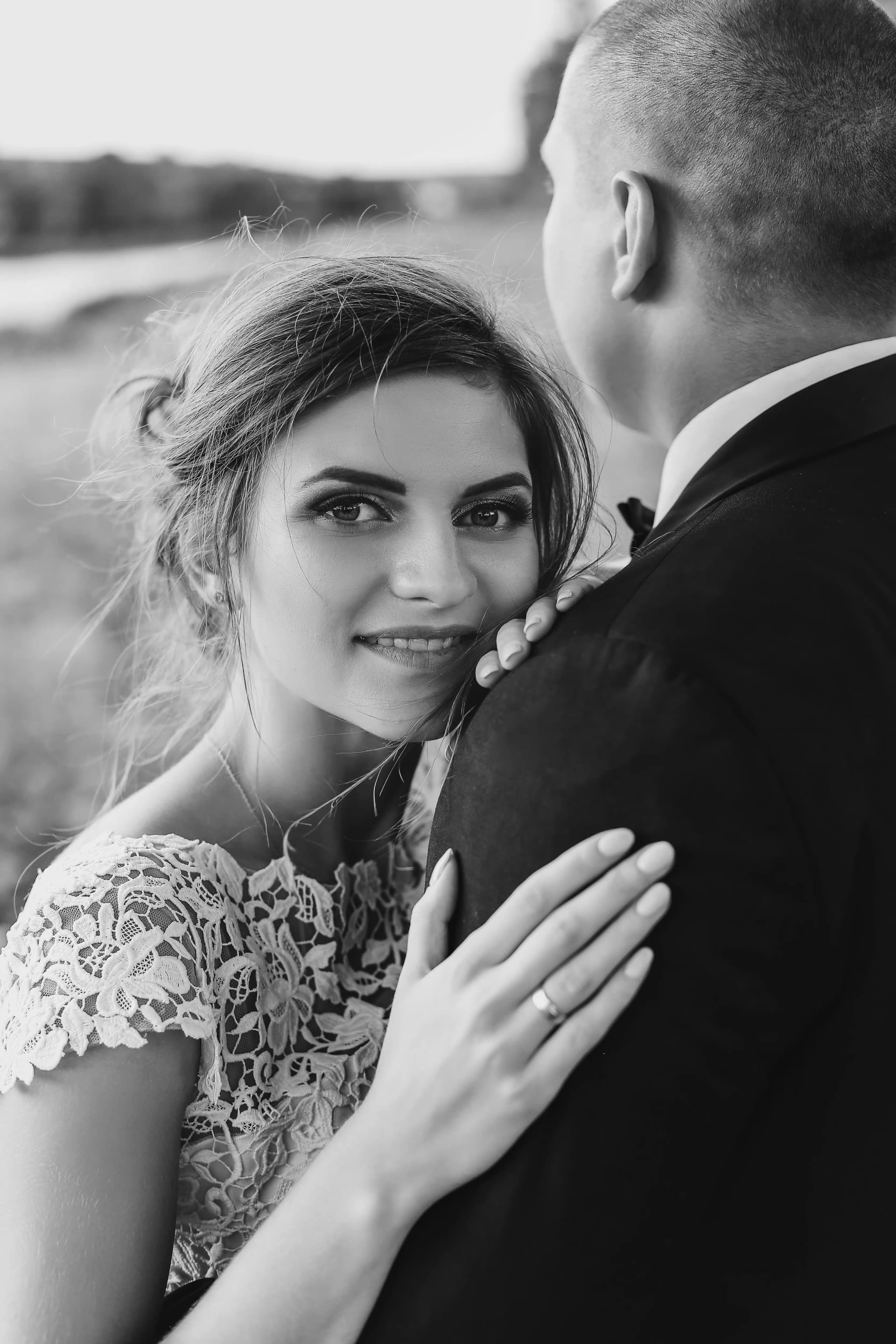
An engagement session is a dedicated photography session for couples who are engaged to be married. It takes place before the wedding — typically months or even a year before — and produces a set of portraits that serve several purposes at once: they are beautiful images in their own right, they help couples become comfortable in front of a camera before the wedding day, and they allow both couple and photographer to work together and build familiarity ahead of the most important day.
This guide covers everything couples need to know before booking an engagement session: what to expect, how to prepare, what to wear, and how to make the most of the experience.
Why Couples Book Engagement Sessions
The most practical reason to have an engagement session is camera confidence. Many people are uncomfortable being photographed, and on a wedding day there is no opportunity to practise — the images are being made in real time, under pressure, with everything at stake. An engagement session gives couples a chance to experience what it feels like to be photographed together, with their actual photographer, in a lower-stakes environment.
After a good engagement session, most couples describe feeling significantly more relaxed about being photographed on their wedding day. They have already learned how their photographer works, what direction feels like, what a good moment looks like from their perspective. The awkwardness many couples feel at the start of a session has already been worked through.
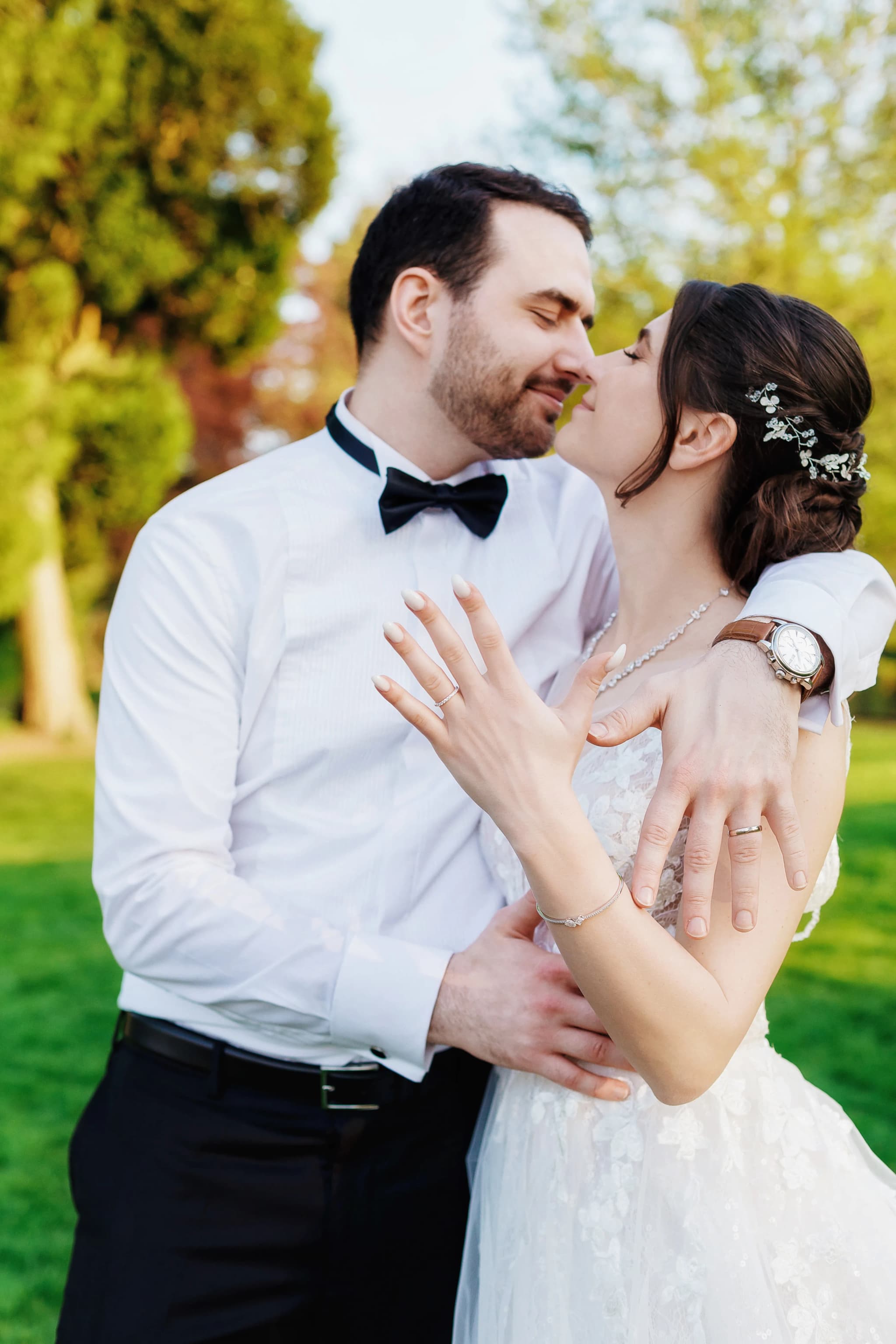
Beyond the practical benefit, the images themselves become a permanent record of this specific stage in a couple's life — recently engaged, before the wedding, when everything was still ahead. These images often become some of a couple's most treasured, displayed prominently in homes and used in cards, announcements, or on wedding stationery.
When to Book
Most photographers recommend booking an engagement session three to twelve months before the wedding. The session should be far enough from the wedding that images are available in time for any stationery use, but close enough that both partners look as they will on the wedding day.
Seasonally, the best time for outdoor sessions in England is late April through October, when daylight is long and conditions are reliably pleasant. If you want specific seasonal backgrounds — bluebell woods in May, golden autumn foliage in October — book accordingly and be aware that these windows are short.
Choosing a Location
Location choice significantly affects the character of an engagement session. The main variables are:
- Meaningful versus beautiful — some couples choose a location that has personal meaning (where they met, a favourite walk, the town where they live). Others choose primarily on visual grounds. Both approaches produce good results; the choice is about what matters to you.
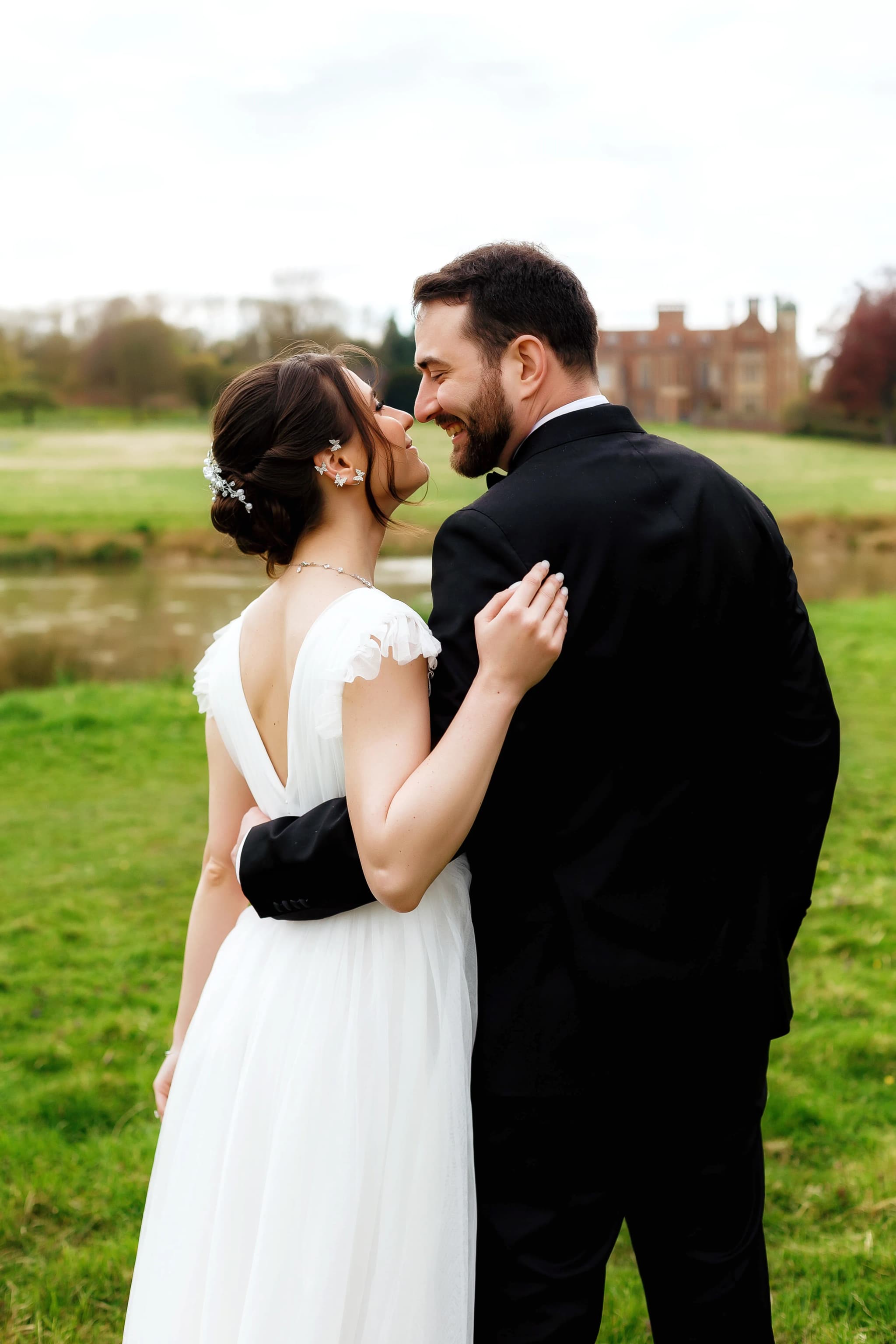
- Urban versus countryside — urban settings with architectural interest suit couples who are drawn to a modern, editorial aesthetic. Countryside and parkland settings — meadows, woodland paths, open hills — suit a more natural, romantic quality.
- Public versus private — some couples prefer the variety and visual interest of a public location like a park or nature reserve. Others value the sense of privacy a more secluded location provides.
In and around Cambridge, particularly good engagement session locations include Grantchester Meadows, Wandlebury Country Park, The Backs, and the meadows around Fen Ditton. A little further afield, Anglesey Abbey, Wimpole Estate, and the chalk hills of the Chilterns offer excellent variety.
How Long Does an Engagement Session Take?
A typical engagement session runs between one and two hours. This is enough time to move through two or three different spots within a location, change the mood and framing as light conditions vary, and allow the initial self-consciousness most couples feel to settle fully into something more relaxed and natural. The best images are rarely from the first twenty minutes.
Longer sessions of two to three hours make sense when visiting locations that require travel between separate areas, or when couples want to capture very different settings — woodland and open meadow, for example — within the same session.
What Happens During the Session
A skilled engagement photographer alternates between direct guidance and more observational photography. They will position couples, suggest particular interactions — walking, sitting, looking at each other — and make portraits from those starting points. They will also step back and photograph the natural interactions that emerge: the laugh that follows a quiet comment, the way one partner adjusts the other's collar, the moment of stillness before they start walking.
You do not need to know how to pose. You do not need to practise expressions or read guides on how to look natural. A good photographer will guide you through the session, and the most natural moments will come when you stop thinking about being photographed and simply interact with your partner.
How Many Images to Expect
Delivery numbers vary by photographer and package. A one-hour session typically produces forty to eighty edited images. A two-hour session may produce one hundred or more. Photographers should be clear about expected delivery numbers before the session, and couples should ask explicitly if this is not stated.
The images are usually delivered as a private online gallery within two to four weeks of the session, provided as high-resolution downloads suitable for print.
How to Prepare
The most effective preparation for an engagement session is simply to be well-rested and not rushed. Arrive at the location with enough time not to feel harried. Eat before you come. If you are travelling as a couple, spend the journey talking about something unrelated to the session — the relaxed energy of normal conversation carries into the early minutes of shooting in a way that hurried arrival does not.
Beyond that, the preparation that matters most is outfit planning, which is worth doing a week or more before the session rather than the night before.
Making the Most of the Experience
The couples who get the best results from engagement sessions are the ones who lean into the process rather than performing for the camera. Forget that you are being photographed. Talk to each other. Laugh at ridiculous things. Let the session feel more like a walk together than a performance.
The images that endure — the ones couples frame and return to for thirty years — are almost always from moments when they forgot to be self-conscious.