How to Style Your Engagement Shoot: From Casual to Formal
One of the enjoyable parts of planning an engagement session is the aesthetic decision: what kind of images do you want this session to produce? The styling — outfits, location, atmosphere — determines the character of the final photographs more than almost any other factor. This guide covers the main styling registers, from very casual to fully formal, with practical advice for each.
Why Styling Matters
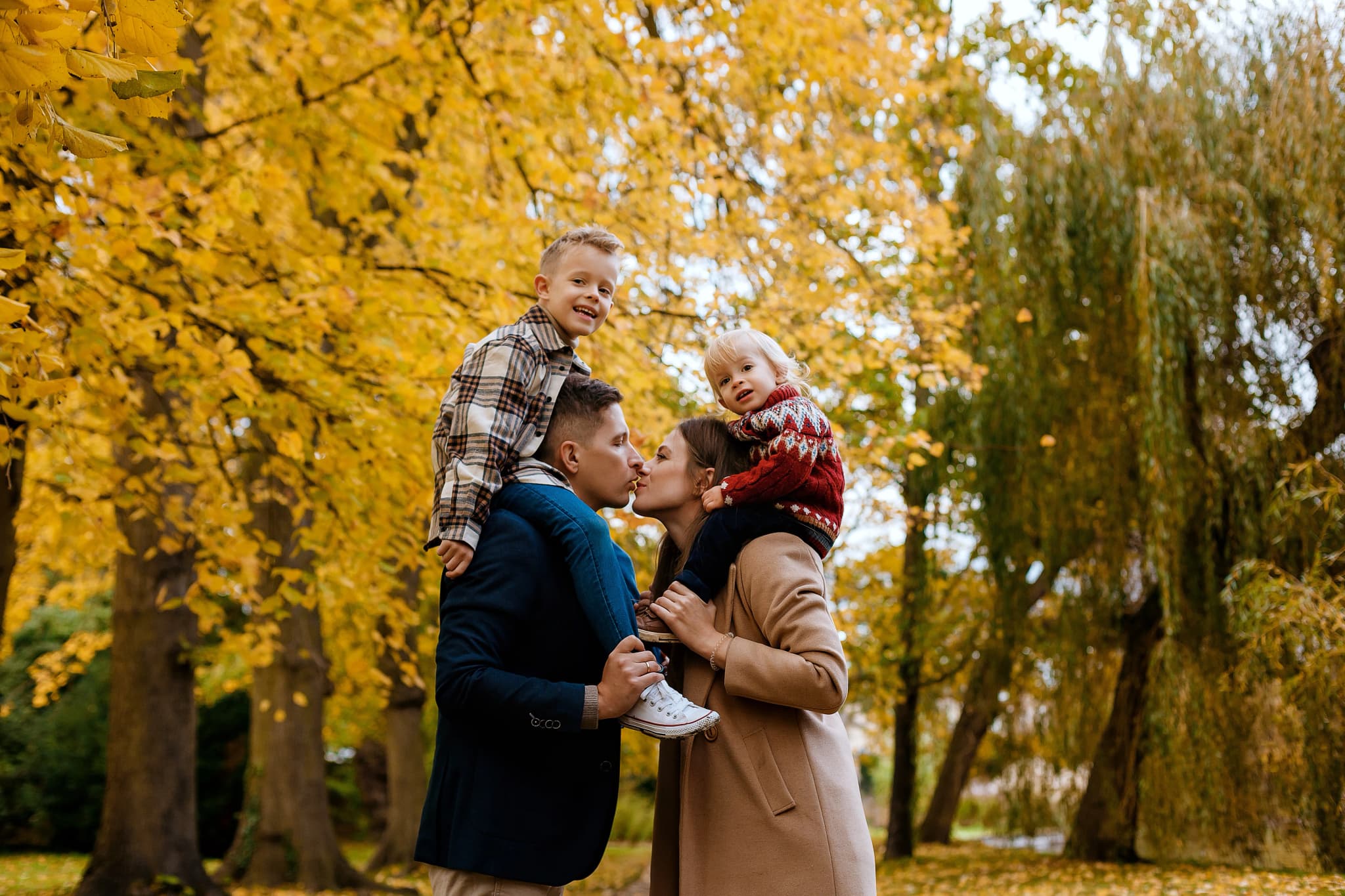
Engagement photographs are not neutral records of two people. They are images made with a particular aesthetic intention — and that intention is largely set by styling choices. The same couple, photographed in jeans and knitwear in an autumn woodland, and then in a formal dress and suit on the cobblestones of a historic city centre, will produce two completely different galleries — different in mood, colour palette, and sense of occasion. Neither is better; they serve different purposes and appeal to different sensibilities.
Understanding which end of this spectrum you are drawn to, and planning accordingly, is the most direct way to get photographs you genuinely love.
The Casual Register
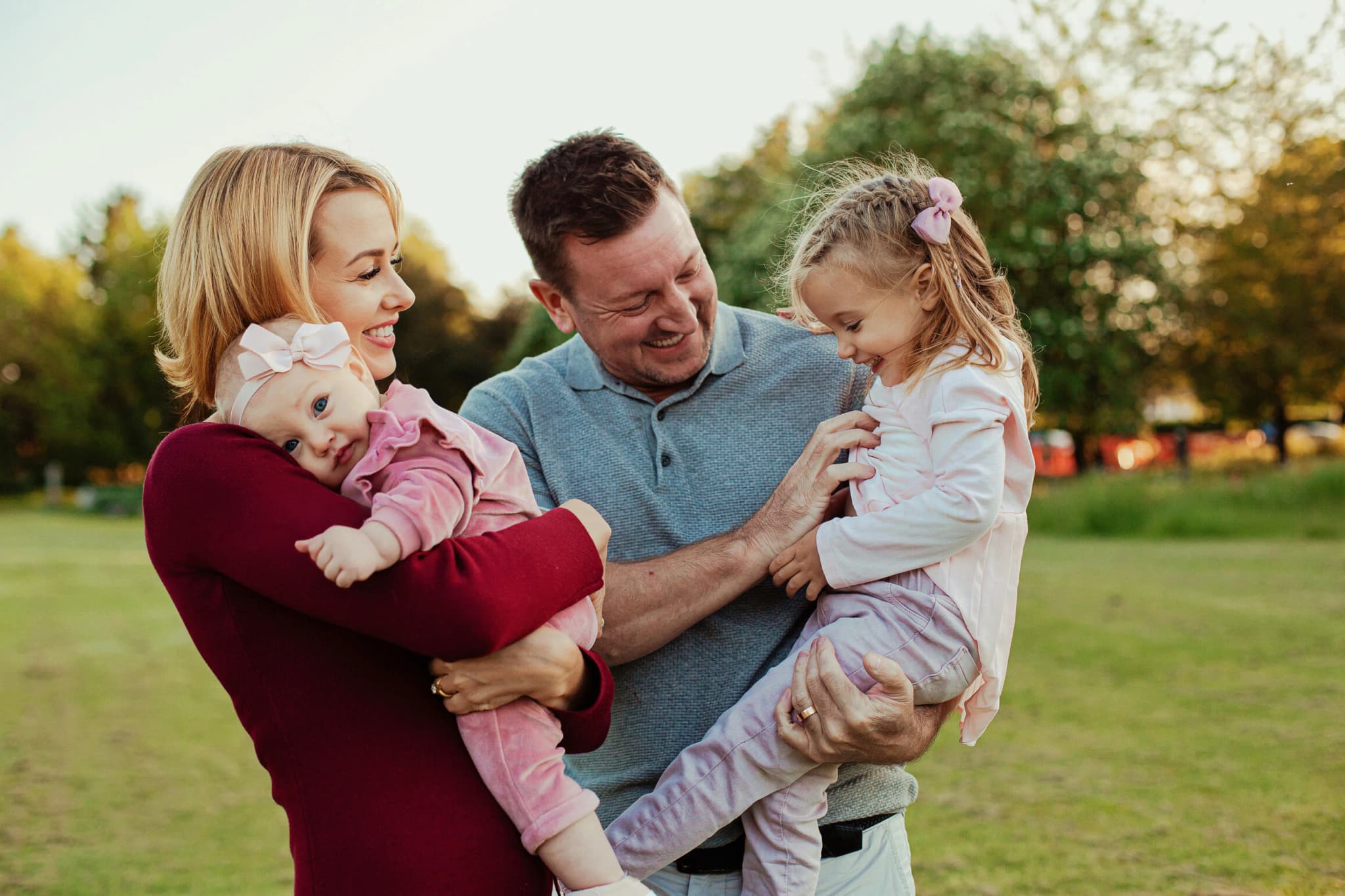
Casual engagement styling — jeans, quality knitwear, casual dresses, boots and trainers — produces images with a naturalistic, documentary quality. The images tend to feel lived-in and emotionally immediate. They look like what the couple actually are, not a dressed-up version.
This works particularly well in natural outdoor settings: woodland, coastal paths, meadows, parks. The setting and clothing work together to create a cohesive, organic aesthetic.
Practical notes for casual styling:
- Quality fabrics photograph significantly better than synthetic or poorly-cut pieces
- Layering adds visual interest — a well-worn leather jacket, a large-knit scarf
- Avoid large logos or text that compete with faces for the viewer's attention
- Monochrome or tonal combinations (all mid-tones, all dark, all soft) work better than contrasting brights
The Smart-Casual Register
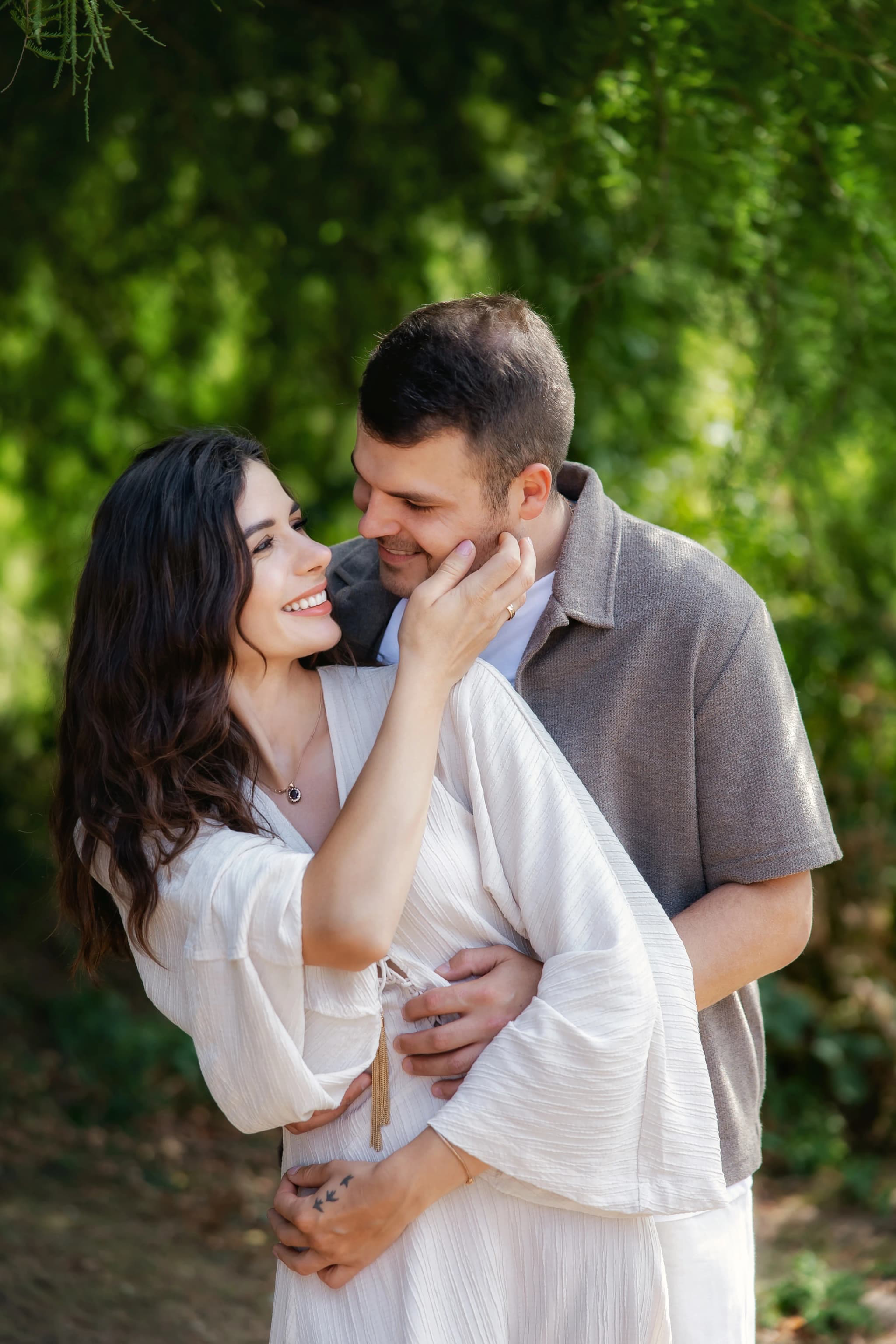
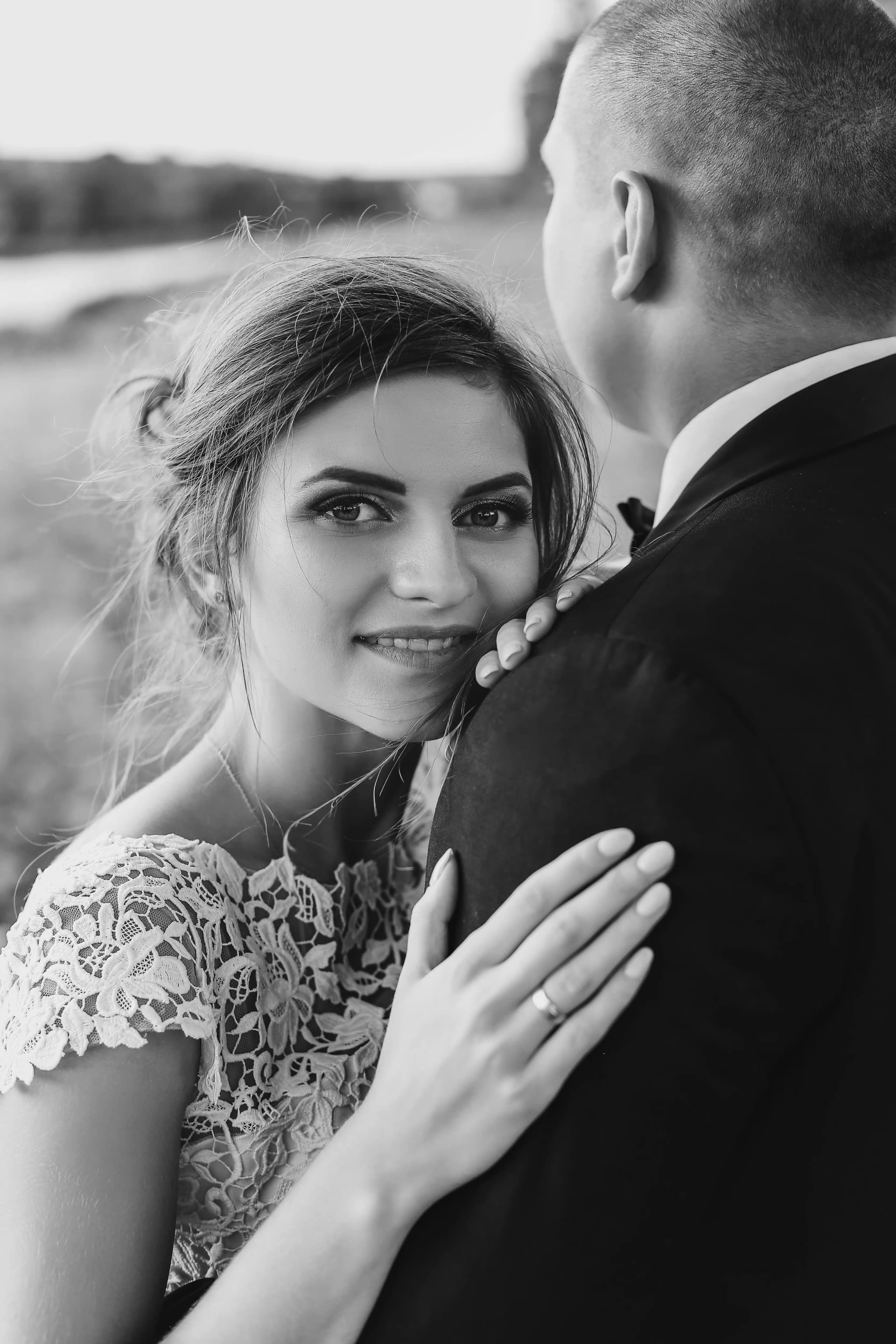
Smart-casual engagement styling sits between jeans-and-knitwear and full formal wear. A midi dress or skirt and blouse combination, tailored chinos and a well-fitted shirt, coordinated outfits that suggest effort without ceremony. This register is the most versatile — it works across a wide range of locations, from historic streets to gardens to countryside, and produces images that age well.
Smart-casual functions well both outdoors and in partial-urban settings. The Backs in Cambridge, a walled garden, a village green — all suit this register without either clashing with formality (which formal architecture can demand) or looking overdressed (which full formal in a field can feel like).
The Formal Register
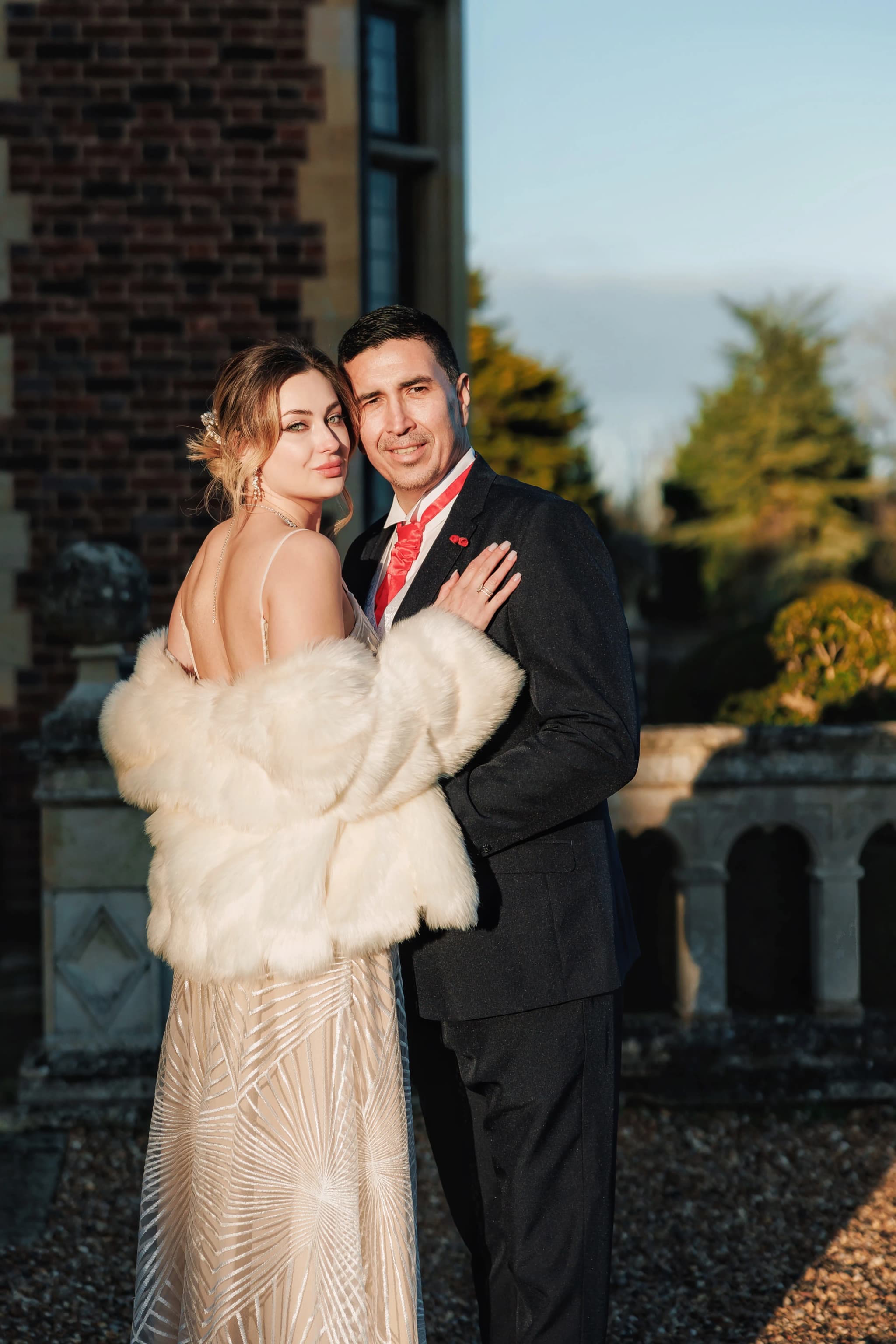
Formal engagement photography — a proper dress (or suit), suit and tie, heels, styled hair — produces elegant, classical images that frame engagement as an occasion in its own right. This approach is sometimes dismissed as stiff or dated, but executed with a good photographer it produces some of the most timeless and frame-worthy portraits.
Formal styling works best against settings with architectural weight: the baroque of Cambridge's college buildings, the formal gardens of an estate, a church setting, an urban street with imposing stone facades. Formal clothing in a wildflower meadow or woodland can look incongruous; in the right setting it is simply beautiful.
Using Two Outfits
Most sessions of ninety minutes or longer comfortably allow for two outfits. A common and effective approach is to start more formally, transition to a second, more relaxed outfit partway through. This gives the gallery variety of mood — a formal, polished register alongside a warmer, more intimate one — and allows the couple to present different facets of themselves.
When planning two outfits, make sure they work together as a set — complementary colour palettes, consistent quality level. The two outfits should feel like they belong to the same visual world even if they are in different registers.
Seasonal and Setting Considerations
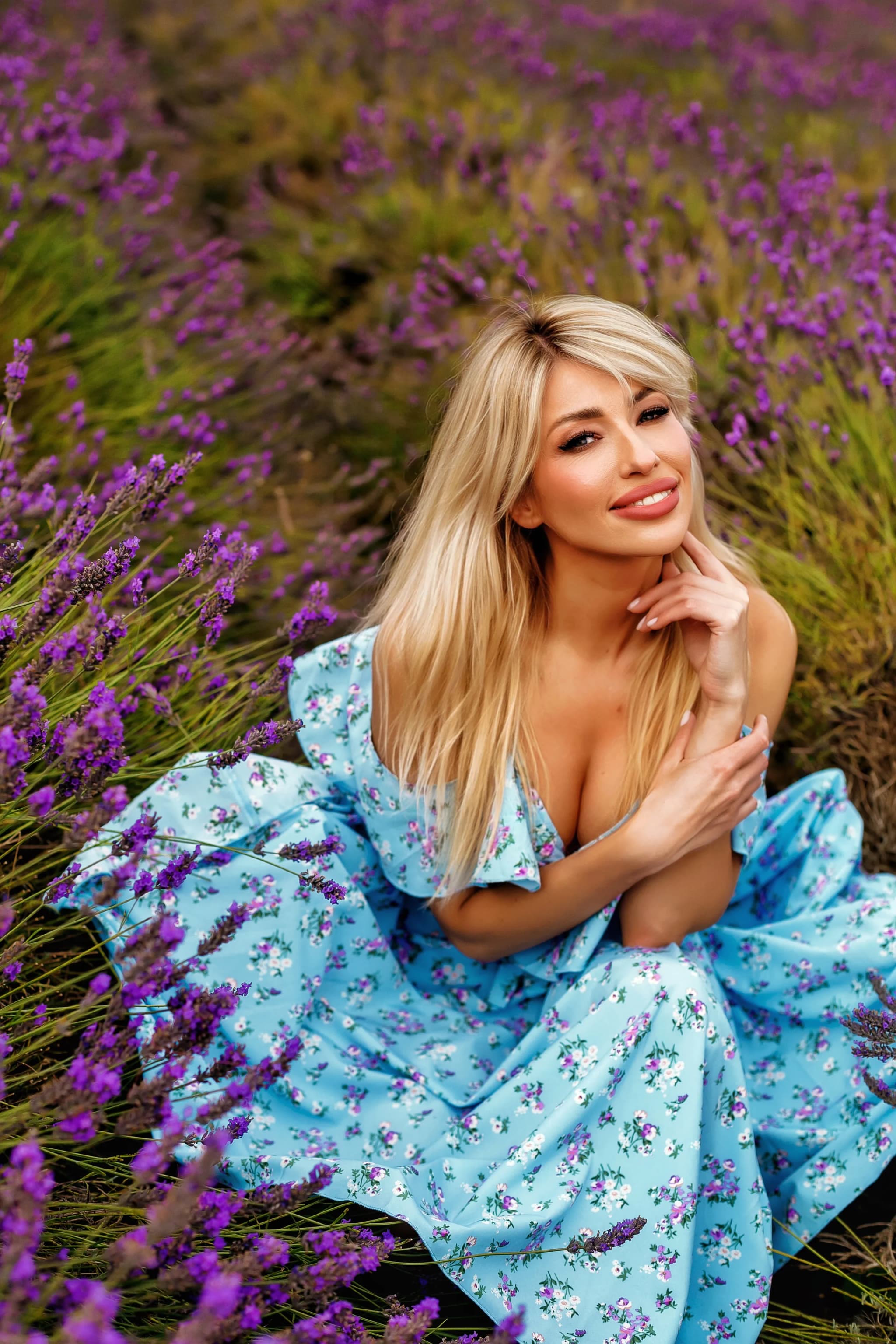
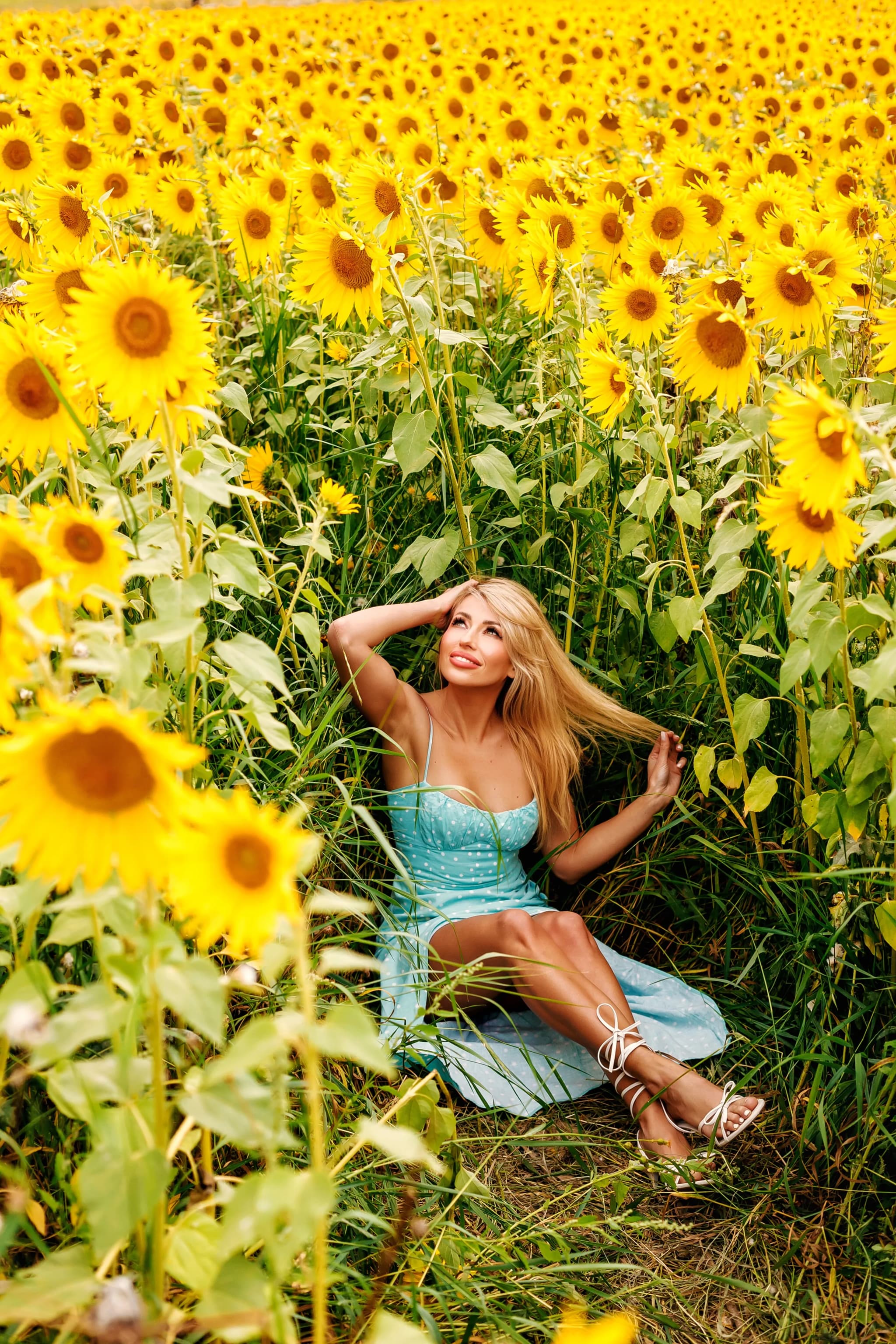
Styling choices interact with both season and setting. In autumn, warm and earthy tones harmonise with golden foliage — rust, terracotta, deep olive, camel. In spring, soft and fresh tones work with the season — sage, blush, ivory, light blue. In winter, richer darker tones and textured fabrics read well against bare trees and grey light.
Discuss your planned outfits with your photographer before the session. They have seen how different colours photograph in their preferred locations and can offer practical feedback on what will work and what may need reconsidering.