Fashion photography lighting is the art of sculpting light to flatter the subject, showcase clothing and accessories, and create a mood that serves the story or brand. From the clean, even beauty light of catalogue work to the dramatic, moody side-lit editorial look, lighting defines the feel of a fashion image more than any other single element. This guide covers the essential lighting setups, modifiers, techniques, and creative approaches used by professional fashion photographers.
Key Lighting Principles for Fashion
Flattering Skin
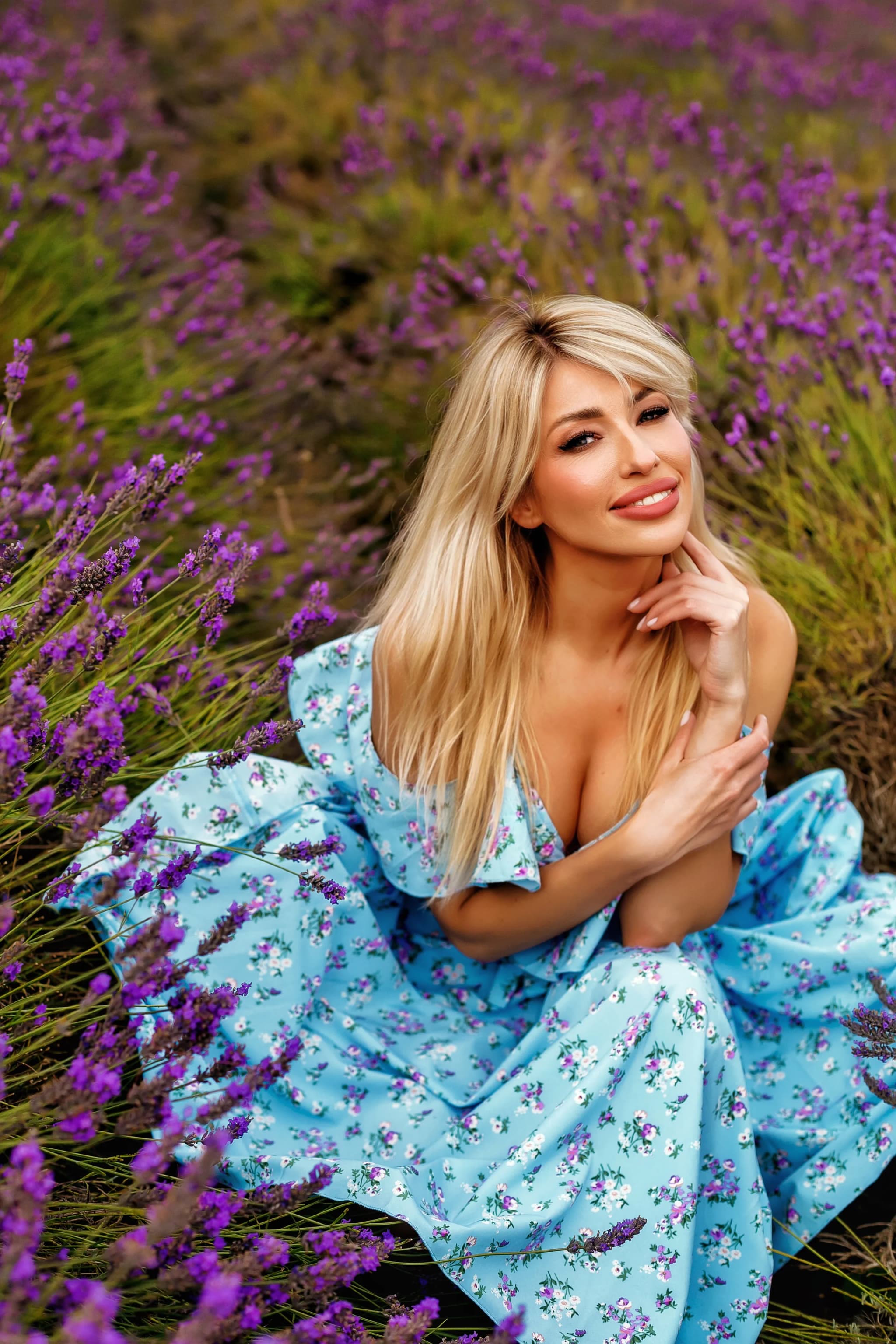
Fashion lighting must render skin beautifully. Large, soft light sources (large softboxes, octaboxes, or diffused window light) minimise pores and texture. Position the key light slightly above the subject and angled down at 30-45° to create gentle, flattering shadows under the cheekbones, nose, and jaw. A fill light or reflector on the shadow side controls the shadow depth — less fill for drama, more fill for beauty.
Showcasing Clothing
Light must reveal the texture, drape, and colour of the fabric. Matte fabrics (cotton, wool) absorb light and need stronger illumination; shiny fabrics (silk, satin, leather) reflect highlights and may need careful feathering to avoid blown-out specular reflections. Dark clothing needs more light; white clothing needs less. Separate the garment from the background with rim lighting or contrast management.
Essential Fashion Lighting Setups
1. Butterfly / Paramount Lighting
A single key light centred directly above and in front of the subject, angled down. Creates a butterfly-shaped shadow under the nose, even illumination on both cheeks, and pronounced cheekbone shadows. A large beauty dish or softbox is the classic modifier. Add a reflector below (chin level) to fill neck shadows. This is the quintessential beauty and fashion lighting setup — used by Hurrell, Avedon, and every major beauty campaign.
2. Clamshell Lighting
Two lights or one light plus a reflector arranged above and below the face — enveloping the subject in soft, even illumination. The upper light is the key; the lower light fills shadows under the chin and eyes. This produces the most flattering, wrap-around light with minimal shadows. Ideal for beauty close-ups, skincare campaigns, and jewellery work where even, shadow-free illumination is required.
3. Loop Lighting
The key light is positioned 30-45° to one side and slightly above. It creates a small, looping shadow from the nose toward the cheek — adding dimension and depth without harsh contrast. The most versatile fashion lighting: flattering on most faces, adaptable with fill for commercial or editorial needs.
4. Dramatic Side Lighting
Key light at 90° to the subject, lighting one half of the face and body and leaving the other in deep shadow. This is editorial lighting — moody, dramatic, and high-contrast. Use a hard light source (bare strobe, focused gridded beauty dish) for the hardest shadows, or soften with a strip softbox for textured but controlled shadow gradients.
5. Rim / Edge Lighting
Lights behind or to the side of the subject illuminate the edges of the body and clothing, creating a luminous outline that separates the subject from the background. Rim lighting is essential for dark-on-dark editorial work and adds a three-dimensional, sculptural quality. Use strip softboxes or narrow gridded lights at 135-170° behind the subject.
Modifiers for Fashion
- Beauty dish: Focused, wrap-around light with more contrast than a softbox. The standard for beauty and fashion close-ups.
- Octabox (large): Soft, even light for full-body fashion. A 150cm octa from above is a fashion workhorse.
- Strip softbox: Narrow, controlled light for rim and accent lighting. Available in 30×120cm or 30×180cm sizes.
- V-flat: Large white or black panels for fill or negative fill. White V-flats bounce light into shadows; black V-flats absorb light and deepen shadows for contrast.
- Grids: Narrow the spread of any modifier for more directional, focused light. Essential for controlling spill in multi-light setups.
Natural Light Fashion
Many editorial and street-fashion shoots use natural light exclusively. A north-facing window provides soft, even light. Open shade outdoors provides directionless, diffused light. Backlighting from a low sun creates rim-lit silhouettes with flare. Golden hour provides warm, directional light that flatters skin and fabric. Reflectors and scrims modify natural light on location without the complexity of strobes.
Common Fashion Lighting Mistakes
- Hot spots on shiny fabric: Feather the light past the subject, or use a larger, more diffused source.
- Unflattering under-eye shadows: Lower the key light or add a fill below chin level.
- Background too bright or too dark: Light the background independently to control separation.
- Mixed colour temperatures: Gel ambient strobe to match daylight, or close blinds to eliminate mixed light sources.
In fashion photography, light is not just illumination — it is the sculptor of mood, the flatterer of skin, and the revealer of fabric's true character. Master the light, master the image.
Light the fashion, tell the story. View the portfolio.