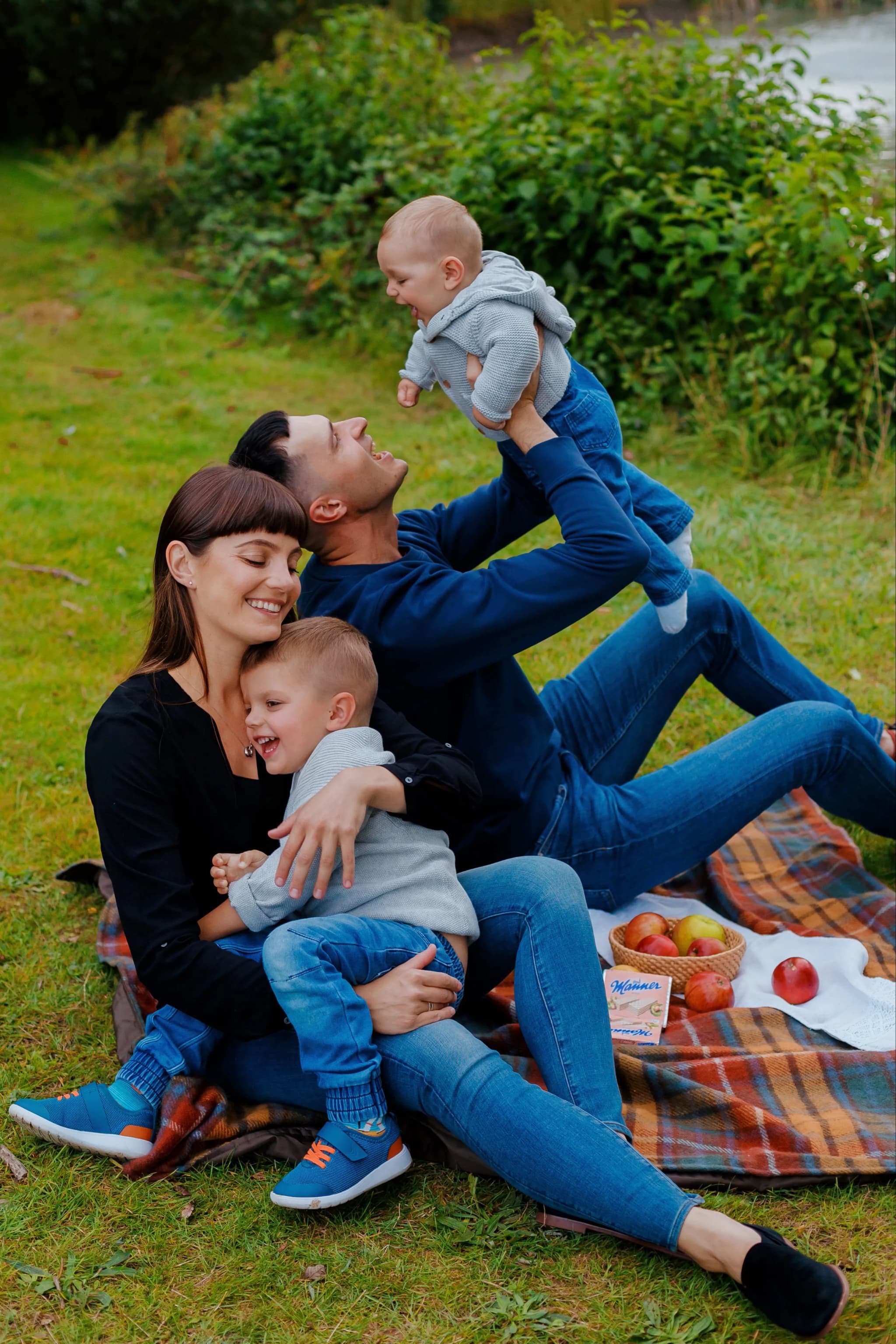
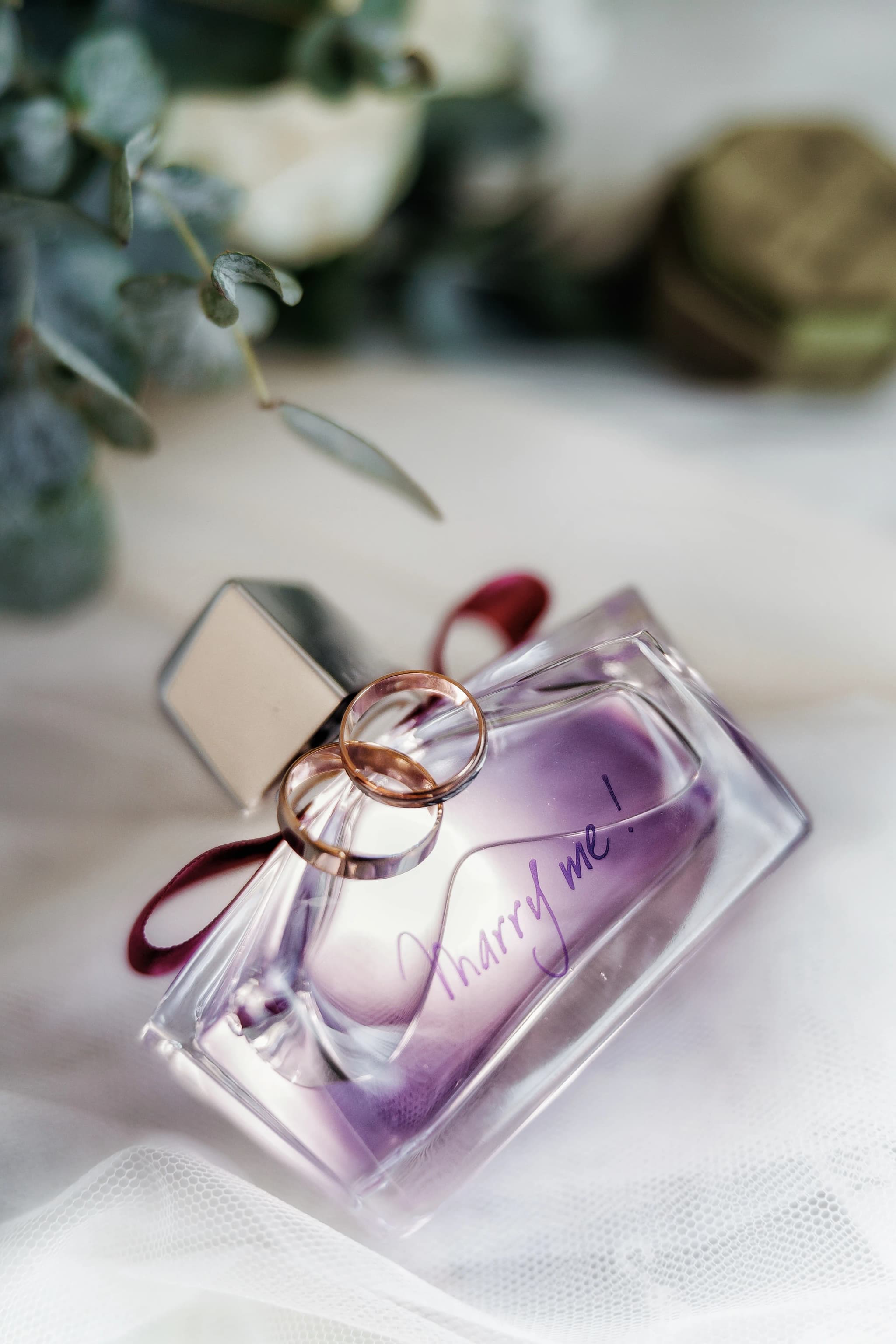
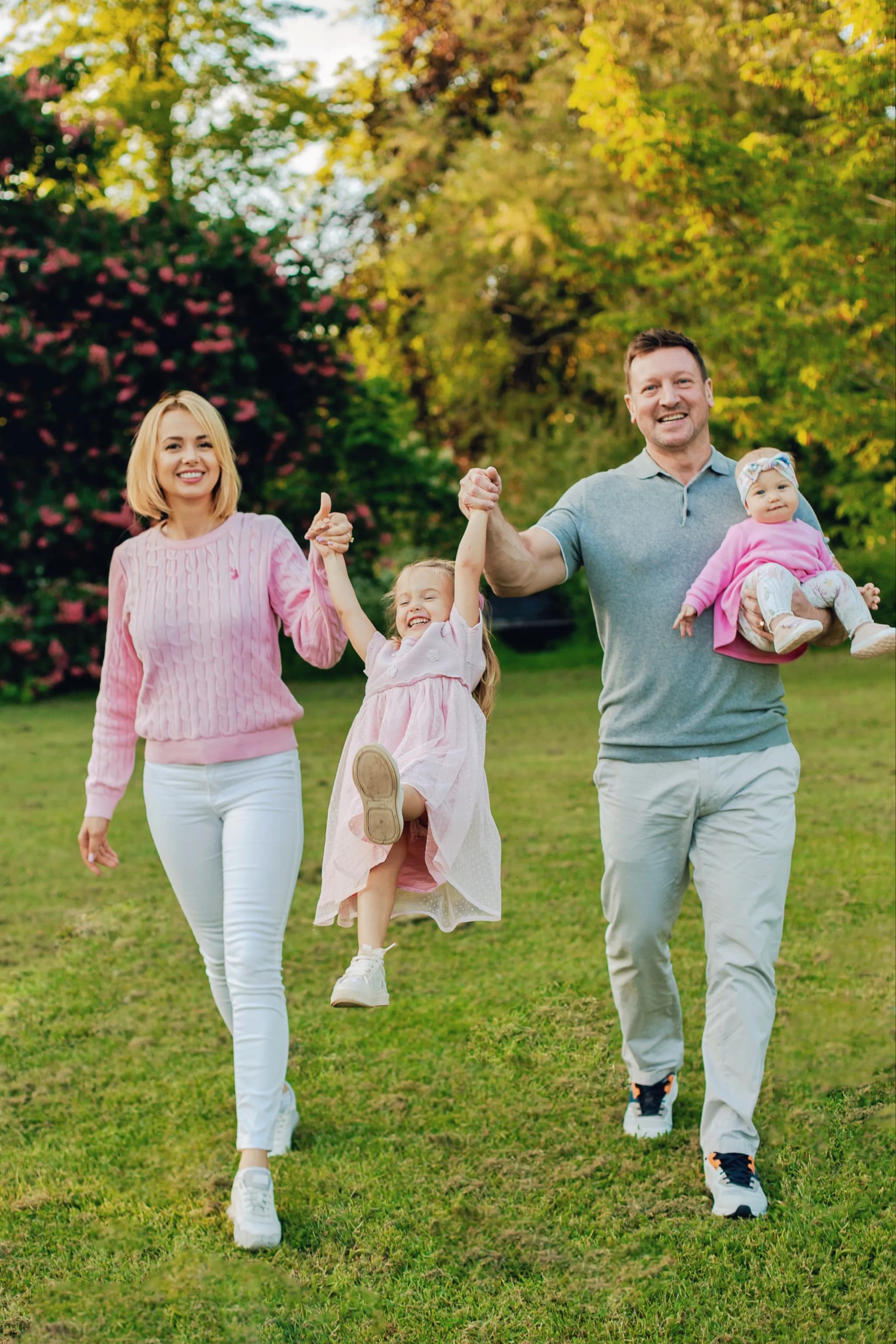
The frame-within-a-frame technique places a secondary framing element — an archway, window, doorway, branch canopy, tunnel, or any surrounding structure — around the main subject within the photograph. This creates depth, focuses attention, and adds a layer of compositional sophistication that elevates an image from a simple record to a considered composition. The technique is ancient (painters used it for centuries before photography existed) and universally effective across portraits, landscapes, architecture, wedding, and street photography. This guide covers how to find natural frames, how to position subjects within them, technical considerations, and creative variations.
Why Frames Within Frames Work
They Direct Attention
A frame creates a visual boundary that isolates the subject from the wider scene. The viewer's eye is naturally drawn inward from the frame edges toward the enclosed subject — the same way a physical picture frame directs attention to the artwork inside it. In a busy scene with many competing elements, a natural frame simplifies the composition and tells the viewer exactly where to look.
They Create Depth
A frame adds a foreground layer to the image. Foreground, subject, and background become three distinct planes of depth — transforming a flat two-dimensional photograph into something that feels three-dimensional. An archway in the foreground, a person in the middle ground, and a landscape in the background creates a layered composition that draws the eye through the image in sequence.
They Add Context and Narrative
The frame itself communicates information about the location, era, or mood. A crumbling stone archway tells a different story than a sleek modern glass window. A canopy of autumn leaves frames a different narrative than a dark tunnel entrance. The frame is not just a compositional device — it is part of the image's storytelling.
Types of Natural Frames
Architectural Frames
Doorways, archways, windows, gates, corridors, tunnels, and bridges are the most common frame-within-a-frame elements. Religious architecture (cathedral cloisters, Moorish arches, temple gates) is particularly rich in framing opportunities. Modern architecture offers glass atriums, steel girders, angular openings, and geometric structures that frame in contemporary, graphic ways.
Natural Frames
Tree branches forming a canopy or arch, cave openings, rock formations, hedgerow gaps, overhanging foliage, flower borders, and shoreline formations all create organic frames. Natural frames tend to be asymmetrical and irregular, which feels less formal and more spontaneous than architectural frames. A gap between two tree trunks framing a distant vista is a classic landscape composition.
Light and Shadow Frames
A pool of light surrounded by shadow acts as a frame — the bright area draws the eye while the dark surroundings contain it. A shaft of sunlight through a window illuminating a subject in an otherwise dark room. A spotlight on a musician surrounded by stage darkness. Dappled light through forest canopy creating a bright clearing. These are frames made of light itself, and they are among the most powerful because they combine compositional framing with dramatic lighting.
Human-Made Frames
Mirrors, picture frames, vehicle windows, chain-link fences, fire escapes, scaffolding, and stairwell railings all provide framing opportunities. A subject seen through a car window, framed by the door and window edge, gains a voyeuristic, cinematic quality. A reflection in a handheld mirror, with the mirror's edge serving as the inner frame, creates a surreal double-frame effect.
Body and Hands as Frames
In portrait and wedding photography, arms can form a frame around a partner's face. Hands forming a heart shape or a diamond around a distant subject. A couple's joined hands framing a ring or bouquet detail. People's bodies creating a framing gap through which the photographer shoots. These human frames add intimacy and connection to the framing device.
Technical Considerations
Where to Focus
Always focus on the main subject inside the frame, not the frame itself. The frame can be sharp or soft depending on the desired effect. A sharp frame (stopped-down aperture, deep depth of field) integrates the frame as a structural element. A blurred frame (wide aperture, shallow depth of field) creates a dreamy, peekaboo effect — as if the viewer is looking through the frame toward the subject. Both approaches work; the choice depends on whether the frame is a contextual element (keep it sharp) or a foreground texture device (let it blur).
Exposure for Contrast Frames
Many frame-within-a-frame compositions involve a dark foreground frame surrounding a brighter scene — a dark doorway looking out into a bright garden. Expose for the subject inside the frame (the bright area) and let the frame itself go dark, even silhouette. This creates a dramatic, high-contrast composition where the frame reads as a solid dark border. If you expose for the frame, the bright area blows out and the drama is lost.
Does the Frame Need to Be Complete?
No. A partial frame — two sides, three sides, or even one strong leading edge — still works as a framing device. Not every frame needs to be a complete rectangle or circle. Overhanging branches along the top and one side, a wall on the left with negative space on the right, a doorway with the top cropped out — all create framing effects. Partial frames feel more casual and candid than complete frames.
Frame-Within-a-Frame by Genre
Wedding Photography
Wedding venues overflow with framing opportunities: church doorways, venue archways, garden pergolas, window alcoves, corridor mirrors, staircase banisters, and tree-lined paths. Frame the couple in a doorway as they exit the ceremony. Shoot through a window to catch bridal prep. Use a church cloister arch to frame the couple walking together. These frames add architectural elegance and create variety in the wedding album.
Landscape Photography
In landscape work, natural frames solve a common problem: empty, featureless skies or boring foregrounds. An overhanging branch frames the sky. A cave mouth frames a seascape. A gap in a hedgerow frames a field beyond. The frame adds the foreground interest that the landscape alone might lack, and the depth it creates makes the image feel immersive.
Street Photography
Urban environments provide endless framing: bus shelters, shop windows, subway entrances, alleyway gaps, construction scaffolding, and the spaces between buildings. In street photography, shooting through a frame adds a sense of observation — the viewer is peering through the frame at the human scene within, creating a feeling of intimate voyeurism that defines great street photography.
Portrait Photography
Position the subject in a doorway, window, or natural arch. Shoot through overhanging foliage to create a soft, organic frame. Place the subject at the end of a corridor or tunnel for a dramatic vanishing-point frame. Frames add environmental context to portraits and eliminate distracting backgrounds by narrowing the viewer's visual field to the subject alone.
Creative Variations
Multiple Nested Frames
Compose through multiple frames — a doorway within an archway within a corridor, for example. Each frame draws the eye deeper into the image, creating a tunnelling, mandala-like effect. This works particularly well in repetitive architecture: colonnades, cloisters, train station platforms, and hotel corridors.
Reflective Frames
Use reflections as frames — a puddle reflecting the subject, a mirror showing the scene, a window simultaneously framing and reflecting. The reflection creates a frame that includes a second version of the scene, adding complexity and visual intrigue.
Colour Frames
A brightly painted wall with a neutral-toned subject framed within it. A ring of colourful flowers surrounding a portrait subject. A circle of fairy lights framing a detail shot. The frame does not need to be an architectural structure — a boundary of colour or light functions identically as a compositional framing device.
Frames within frames add depth, focus, and narrative to every photograph — once you start seeing them, they are everywhere.
Composition with intention. Explore the portfolio.