Golden hour is the most universally beloved lighting condition in photography — the period after sunrise and before sunset when the sun is low on the horizon, casting warm, directional, soft light that transforms ordinary scenes into extraordinary photographs. For portrait photographers, golden hour is the ultimate natural light source: the warm tones flatter skin, the low angle creates dimensional modelling, and the long shadows add depth and drama. But golden hour is fleeting — typically lasting only 30 to 60 minutes — and making the most of it requires planning, technique, and creative awareness. This guide covers everything about shooting portraits in golden hour light: positioning, exposure, backlighting techniques, fill strategies, gear choices, and post-processing.
What Makes Golden Hour Special
Three physical properties make golden hour light unique. First, the colour temperature: low-angle sunlight passes through more atmosphere, scattering shorter (blue) wavelengths and allowing longer (warm) wavelengths to dominate. The resulting light has a colour temperature of roughly 3500–4500K — warm gold, amber, and orange tones that are inherently flattering to human skin. Second, the light quality: atmospheric scattering softens the light, reducing harsh shadows and creating a natural fill effect. The shadow edges are softer than midday sun, producing gentle gradients on facial features rather than sharp contrast lines. Third, the angle: low-angle light creates long shadows, rim lighting on hair and shoulders, and a three-dimensional modelling effect that flat midday light cannot achieve.
Front-Lit Golden Hour Portraits
Position the subject facing the sun (with the sun behind the camera). The warm light will wash across the face evenly, producing a clean, luminous complexion with soft shadows under the chin and nose. Front-lit golden hour portraits have a classic, bright quality — the eyes catch the warm light, the skin glows, and the background receives the same warm treatment. This is the simplest golden hour portrait setup and works beautifully for straightforward headshots, family portraits, and lifestyle images. Ask the subject to angle their face slightly towards the sun (not staring directly into it — a slight turn is sufficient) to avoid squinting. Use a large-brimmed hat or have the subject close their eyes between frames if squinting is a problem. Shoot at f/2.8–f/4 to separate the subject from the background with shallow depth of field.
Backlit Golden Hour Portraits
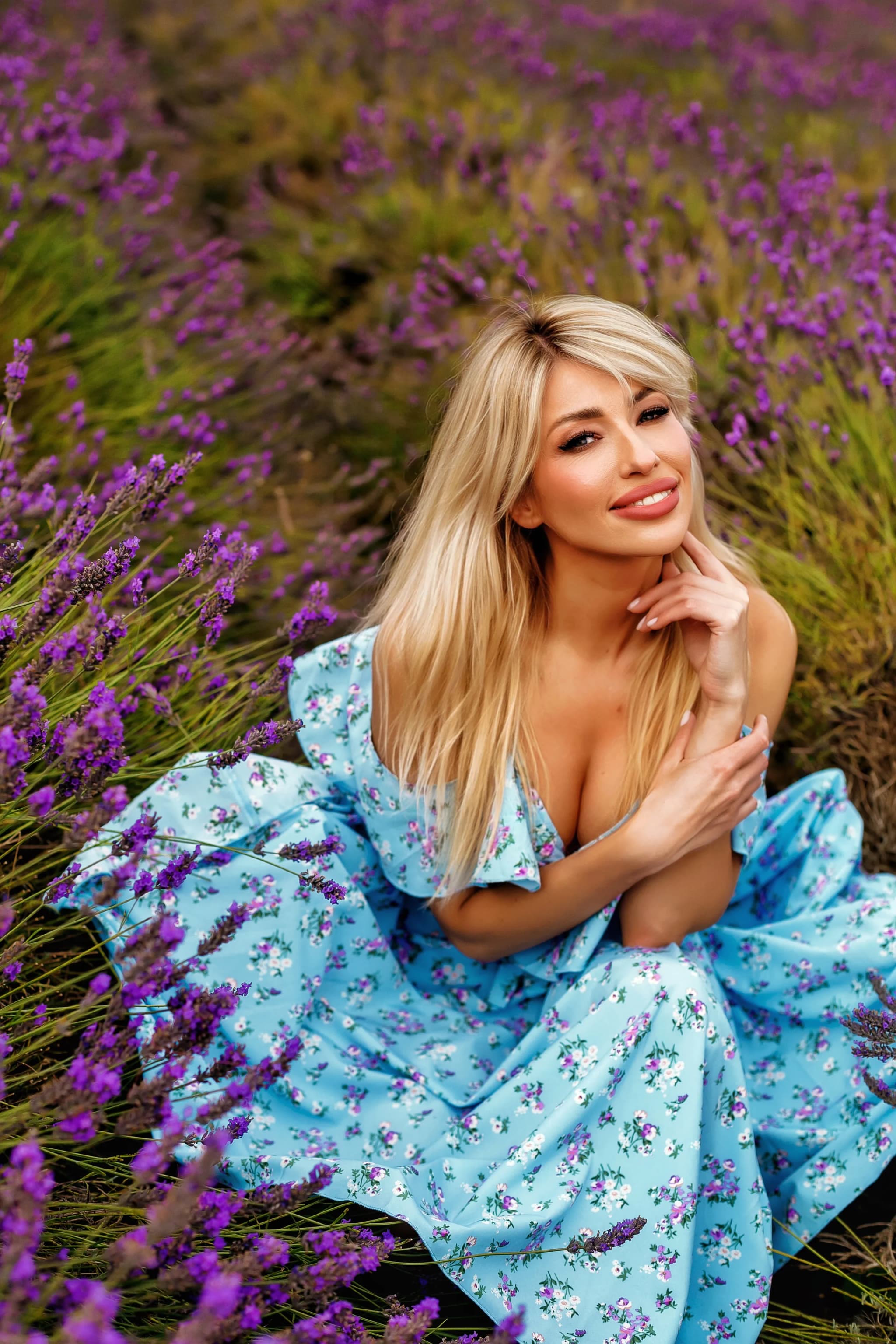
Backlighting — placing the sun behind the subject — is the signature golden hour portrait technique. The low sun creates a luminous rim of golden light around the subject's hair and shoulders, separating them from the background with a halo of warmth. The face is in open shade (lit by the sky), which produces soft, even illumination on the features while the background blazes with warm light. Expose for the face — allow the background to blow out, creating a high-key, dreamy effect. The lens flare from the low sun adds atmosphere and romantic quality. Use a fast prime lens (50mm f/1.4 or 85mm f/1.4) wide open to combine golden-hour backlight with creamy bokeh. Position the sun just behind the subject's head or slightly to one side for the strongest rim light effect. A subtle shift in camera position changes the flare and rim light dramatically — experiment with small movements to find the sweetest angle.
Side-Lit Golden Hour Portraits
Position the subject at a 90-degree angle to the sun for dramatic side lighting. One half of the face is illuminated by warm golden light; the other half falls into shadow. This split-lighting effect creates strong dimensional modelling, revealing texture and form with dramatic impact. Side-lit portraits have a moodier, more editorial quality than front-lit or backlit setups. Use a reflector on the shadow side to fill in the darkness if a softer look is desired — a gold reflector will add warmth to the fill, maintaining the golden-hour colour palette. Without a reflector, the contrast can be striking — perfect for dramatic portfolio shots, editorial work, or character portraits.
Using Fill in Golden Hour
While golden hour light is inherently soft, backlighting can leave the face underexposed relative to the background. Several fill strategies solve this. A reflector (gold or white, 42-inch or larger) bounced from below or in front of the subject throws warm golden light back onto the face — the most natural fill solution. Off-camera flash with a CTO (colour temperature orange) gel matches the warm ambient light while adding controlled fill. Set the flash to -1 to -2 stops relative to the ambient exposure for a natural look — the flash should lift the shadows without overpowering the golden-hour ambience. A scrim (translucent diffusion panel) can also be used between the sun and the subject to soften the direct sunlight further while maintaining its direction and colour.
Timing and Planning
Golden hour is short — a narrow window that demands preparation. Use a golden hour calculator app (Golden Hour, Helios, or PhotoPills) to determine exact sunrise and sunset times for your location and date. Arrive at the location at least 30 minutes before the golden hour begins to set up, position the subject, and test exposures. The light changes rapidly during golden hour — the colour temperature warms as the sun approaches the horizon, and the light intensity drops steadily. Re-check exposure every few minutes and adjust ISO or aperture as needed. The finest golden hour light often occurs in the final 10–15 minutes before sunset, when the sun is barely above the horizon — the light is richest, warmest, and softest. Do not stop shooting until the sun has fully set — the minutes immediately after sunset produce a cool-warm transition that is hauntingly beautiful.
Location Scouting for Golden Hour
Not every location works for golden hour portraits. You need a clear western horizon (for sunset sessions) or eastern horizon (for sunrise) — buildings, trees, or hills that block the low sun eliminate the golden-hour effect. Open fields, beaches, elevated viewpoints, and wide streets that face the sun are ideal. Scout locations in advance and note where the sun will be during your session. Use The Photographer's Ephemeris or Sun Surveyor to visualise the sun's path at your chosen location. The background matters: warm golden light against natural environments (grasslands, woods, sand) produces the most cohesive colour palette. Urban backgrounds with glass and metal surfaces reflect golden light beautifully, adding sparkle and warmth.
Camera Settings
Shoot RAW for maximum flexibility in post-processing. Set white balance to Daylight (5200–5500K) or slightly warm (5800–6200K) to preserve and enhance the golden tones. Use aperture priority or manual mode. For backlit portraits with bokeh, shoot at f/1.4–f/2.0. For environmental portraits with more context, f/2.8–f/4 provides subject separation while retaining background detail. ISO should be as low as possible (100–400) — golden hour light is typically bright enough for low ISO with fast lenses. Shutter speed should be at least 1/200s for sharp handheld portraits. Use continuous AF with eye detection for tracking the subject's face as they move within the shifting light.
Post-Processing Golden Hour Portraits
Golden hour images need minimal processing when the exposure and white balance are correct in-camera. In Lightroom, increase warmth slightly if needed (shift temperature towards 6000–6500K for extra glow). Lift shadows to reveal detail in backlit subjects. Lower highlights to recover blown-out skies. Add a subtle warm split tone to the shadows (orange/gold tones, saturation 15–25) to unify the colour palette. Increase vibrance gently to enhance the golden tones without oversaturating skin. Add a slight orange or gold radial gradient behind the subject to simulate the glowing backlight effect. The goal is to enhance the natural warmth — not to create it. Golden hour light that is well captured in-camera needs only gentle enhancement.
Golden hour light is nature's most generous gift to portrait photography — warm, dimensional, and impossibly flattering, it makes every subject luminous.
Chase the golden light. See the results.