June Golden Hour Photography: The Longest Window of the Year in England
June is the month that photographers who work primarily outdoors look forward to more than any other. It contains the summer solstice — the longest day of the year — and as a result, the longest golden hour window available in the English calendar. For anyone booking an outdoor photography session, understanding what this window means and how to use it is genuinely valuable.
When Golden Hour Happens in June
Golden hour refers to the period of approximately 60 minutes before and after sunrise or sunset, when the sun is low on the horizon and its light travels through more atmosphere before reaching the subject. This scattering effect produces the distinctive warm, soft, directional quality that defines the golden hour look in photography.
In England, the precise timing varies by latitude. In Cambridge (approximately 52°N):
- Early June — Sunset around 9:18 pm; golden hour from approximately 8:00 pm
- Midsummer (21 June) — Sunset around 9:22 pm; the longest day of the year
- Late June — Sunset around 9:20 pm; days just beginning to shorten imperceptibly
This means that in June, the golden hour window is available from approximately 8 to 9:30 pm — a full 90 minutes of usable warm light, with the peak at around 8:45 to 9:00 pm. For context, in December the same window runs roughly 3:00 to 3:45 pm — a much shorter and lower-angle window. June's advantage is significant.
What June Golden Hour Light Looks Like
June golden hour has specific characteristics that distinguish it from other seasons:
The light is warm but not as intensely amber as autumn golden hour, which tends toward orange and copper tones. June light is more golden-yellow — clear, warm, and clean in a way that flatters most skin tones across a wide range without requiring as much correction in editing.
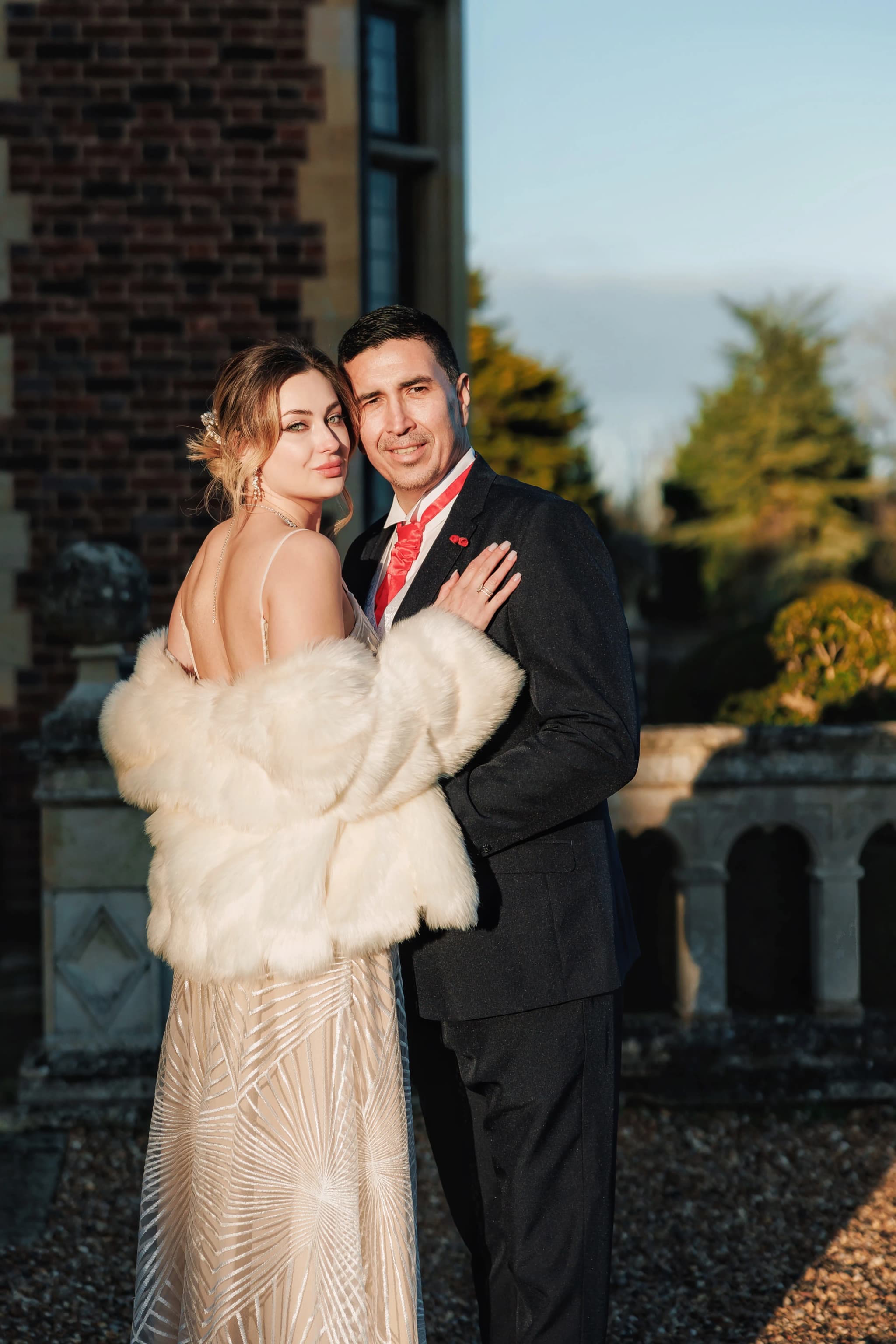
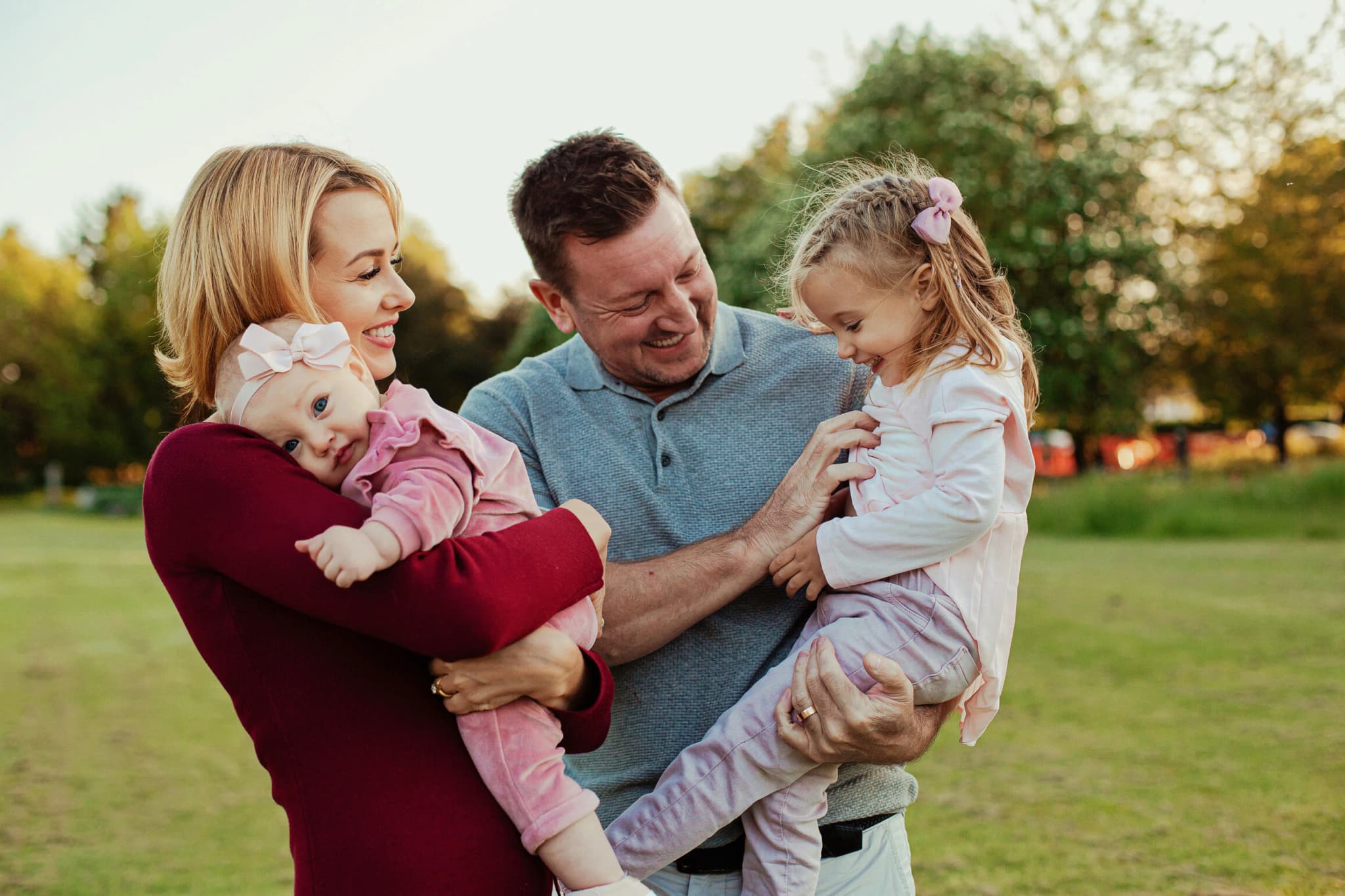
Because the sun sets at a lower absolute angle in summer (counter-intuitive but true — the sun is higher in the sky during the day in summer, but at golden hour it is still lower than winter's midday sun), the light comes in at a compelling directional angle. It wraps around faces, creates soft rim lighting, and produces the kind of dimensional portrait that flat midday light cannot match.
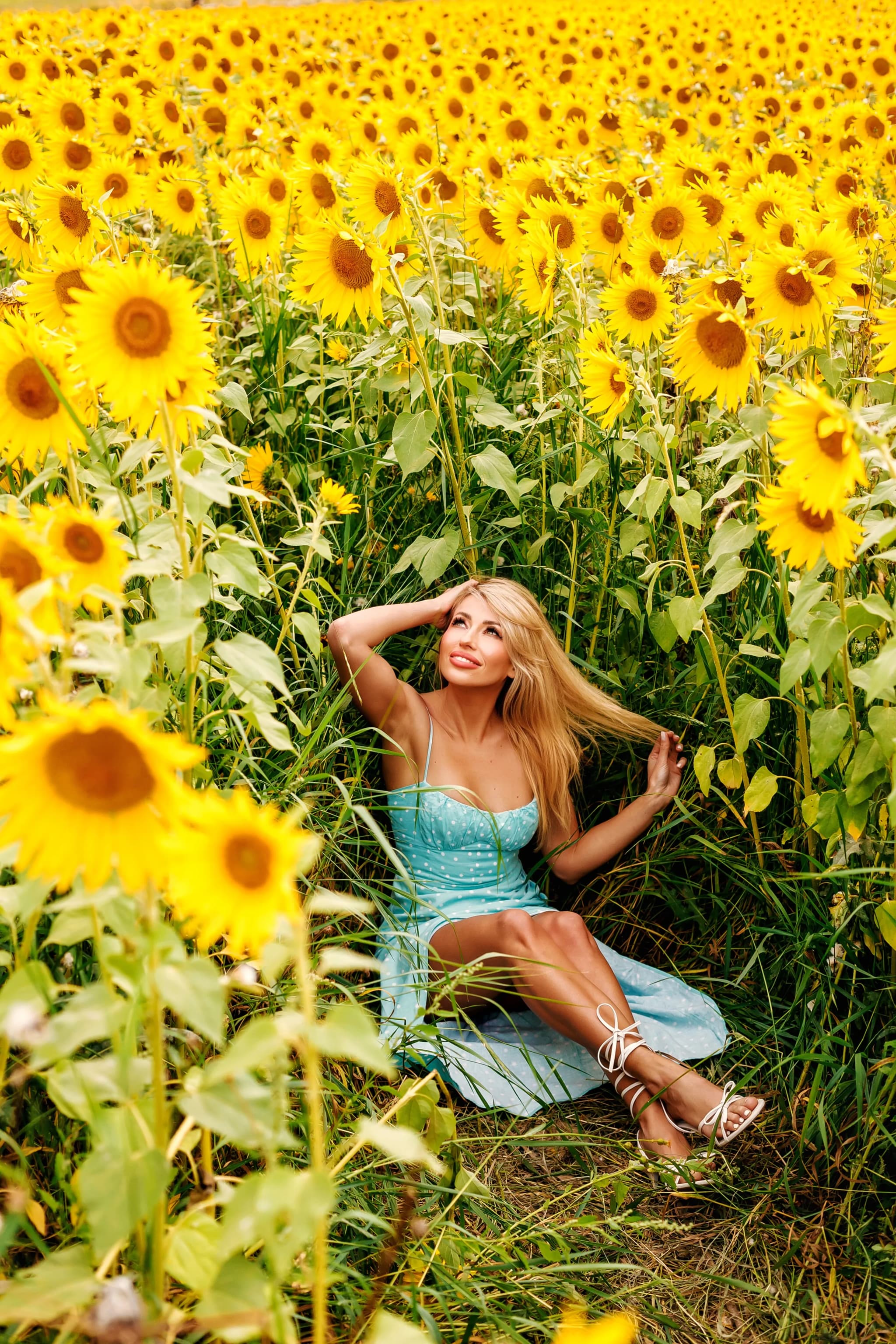
The landscape background in June is at maximum depth. Deciduous trees are fully leafed. Meadows are at peak colour. The combination of warm directional light and richly saturated green backgrounds creates a specific aesthetic — the English summer portrait — that is identifiable and beautiful.
Blue Hour After Golden Hour
After the sun drops below the horizon, there is a second window — the blue hour — during which the sky transitions through a series of deep blues and purples. In June in England, this period extends from roughly 9:30 to 10:15 pm.
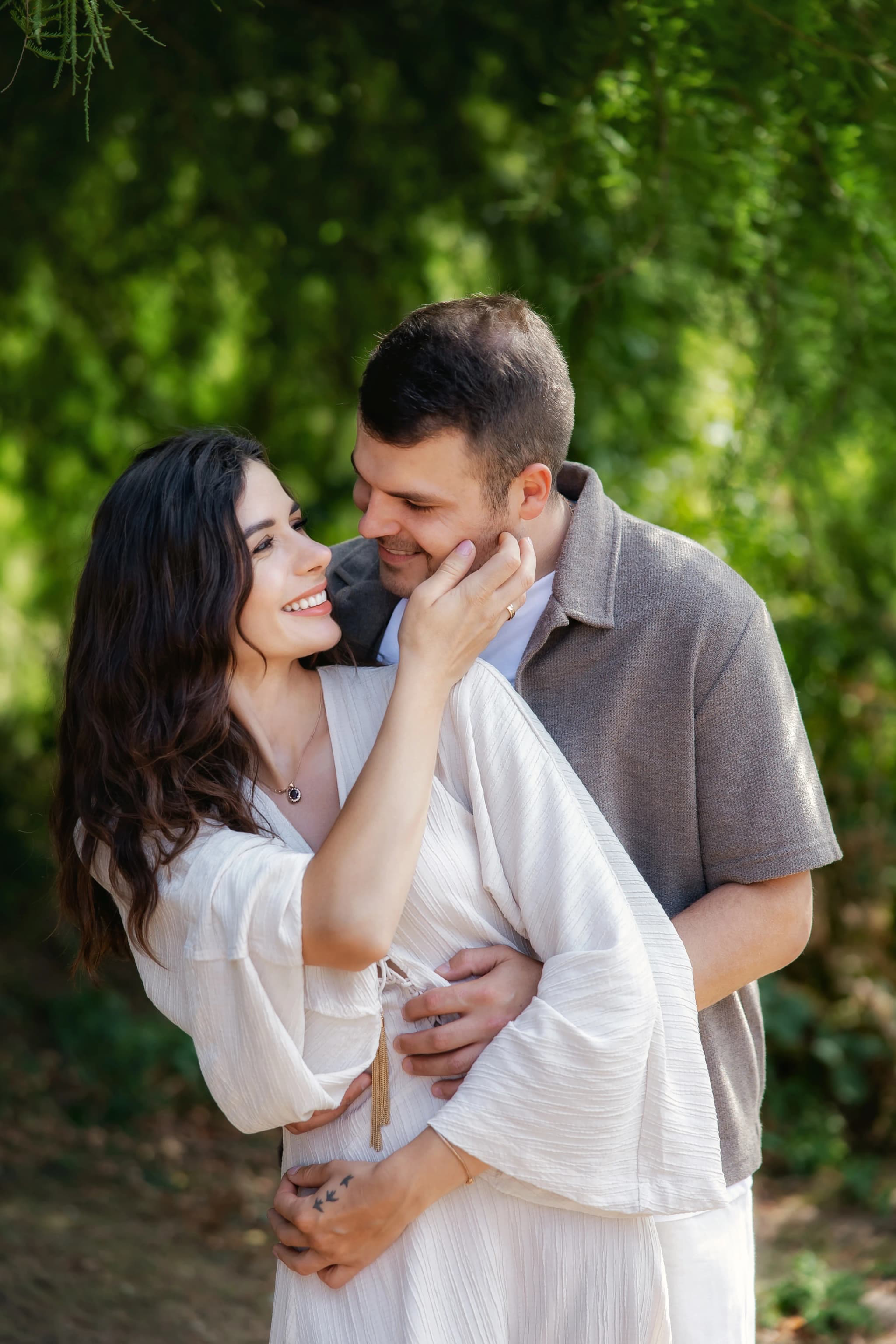
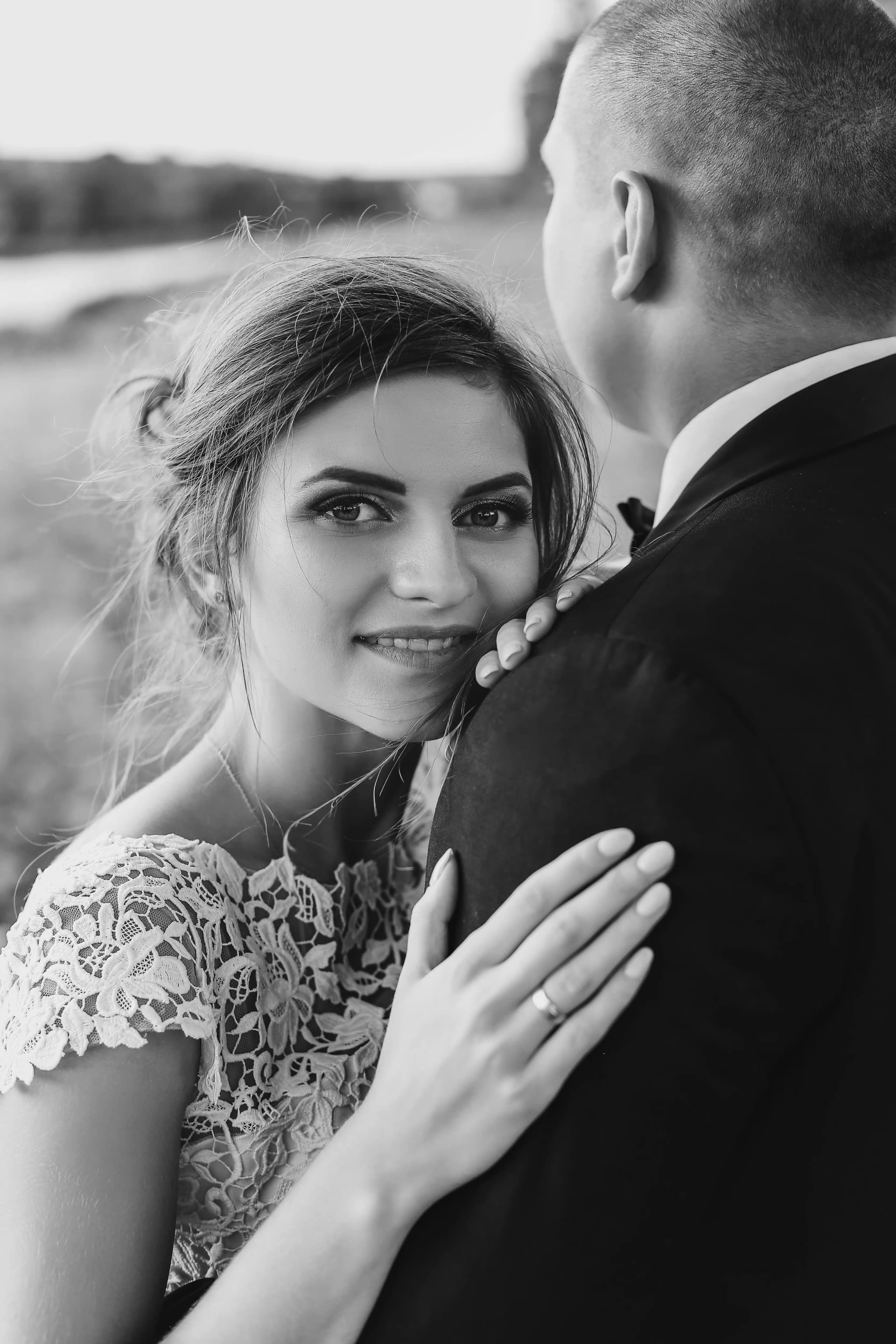
Blue hour light is cool and even, without directional warmth. For portraits, it requires either supplemental lighting or a subject-forward approach where the fading sky itself becomes the backdrop. It is less commonly used for family portraiture but works well for couples, especially near water where the sky reflects and multiplies the ambient light.
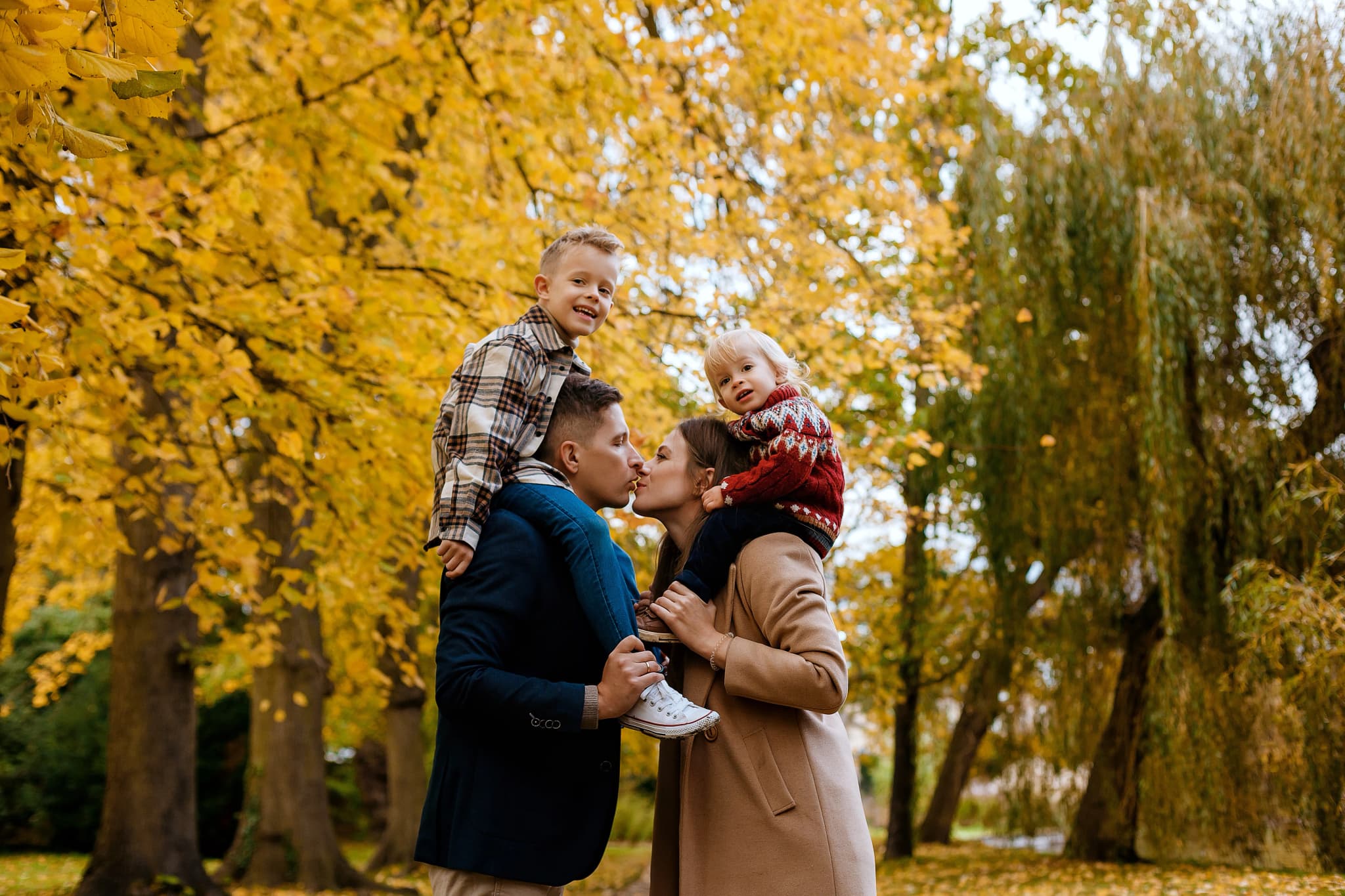
Some photographers specifically plan sessions that span both golden and blue hour — beginning with warm, golden family portraits and transitioning to cooler, moodier couple portraits as the light fades. In June, there is enough time to do this naturally within a single session.
How to Plan Around the June Golden Hour Window
The practical mechanics of planning a June golden hour session:
Start time: arriving at the location around 7:45 to 8:00 pm allows for a natural warm-up period before the light reaches its peak. Children can settle, everyone can take in the setting, and the photographer can establish the first frames before the most valuable light arrives.
Location: west-facing locations or locations with open westerly horizons will receive the direct light longest. Woodland is useful for filtering harsh light earlier in the evening, before golden hour, and then transitioning to open areas as the direct sun drops.
Weather: some cloud cover is often advantageous. A completely clear sky produces beautiful golden light but also hard shadows. Light cloud diffuses the sun slightly while still allowing its colour and direction to come through — the ideal combination for portraits.
Why June Is the Best Month to Book an Evening Session
For photographers and clients, June's golden hour window has three specific advantages over other summer months:
Time — The window is longest in June. There is genuine flexibility within the evening without rushing.
Practicality — School is still in session for most of June, which means weekday evening sessions are possible before the school holiday disruption of July and August. For working parents, this is often more convenient.
Landscape peak — The countryside and gardens are at their richest in June. July and August are still excellent, but the first signs of late-summer drying appear. June is the height.
The combination of maximum light window, peak landscape colour, and practical scheduling flexibility makes June the most desirable single month in the English photography calendar for outdoor portrait work. If you have a session in mind for this summer, June evening slots are worth prioritising.