Lens flare was once considered a technical flaw — a sign that the photographer had failed to shade the lens from stray light. Today, lens flare is one of the most sought-after creative effects in photography and cinema. From J.J. Abrams' signature anamorphic flares to the dreamy golden veils in backlit portrait photography, flare adds atmosphere, energy, and a sense of immediacy that pristine, flare-free images often lack. This guide explores the optics behind lens flare, the different types of flare, how to create and control flare in-camera, which lenses produce the most beautiful flare, and how to use flare as a deliberate compositional and atmospheric tool.
What Causes Lens Flare
Lens flare occurs when a bright light source — usually the sun, but also streetlights, headlights, or studio lights — hits the front element of a lens and scatters inside the lens barrel. This scattering is caused by internal reflections between the multiple glass elements in a modern lens. Each air-glass interface reflects a small percentage of light. In a complex lens with 12–18 elements, these reflections bounce between surfaces, creating characteristic patterns. The two main types of flare are veiling flare (a general wash of light that reduces contrast and adds a hazy glow) and ghosting (distinct bright shapes — circles, hexagons, or streaks — visible in the image). Multi-coating technology on modern lenses reduces flare significantly, which is why vintage and uncoated lenses produce more dramatic flare effects.
Types of Lens Flare
Veiling flare is the soft, low-contrast haze that washes over the image when shooting into a bright light source. It reduces shadow depth, lowers overall contrast, and adds a dreamy, ethereal quality. Veiling flare is particularly beautiful in backlit portraits — the subject is surrounded by a luminous glow, and the reduced contrast creates a romantic, film-like aesthetic. Ghosting produces distinct geometric shapes in the image — usually circles, polygons, or crescents — aligned along the axis between the light source and the lens centre. The shape of ghost flares is determined by the aperture diaphragm — lenses with rounded, multi-blade diaphragms produce circular ghosts; lenses with fewer blades produce hexagonal or pentagonal ghosts. Anamorphic flare (from anamorphic cinema lenses) creates characteristic horizontal streaks across the image — a dramatic, cinematic effect.
How to Create Beautiful Flare
Shoot directly into a bright light source — the sun is the most powerful and most commonly used. Position the sun at the edge of the frame or just outside the frame for maximum flare effect. Slightly repositioning the camera changes the flare pattern dramatically — move millimetres at a time to find the sweetest flare configuration. Partially obscure the light source behind an object (a tree branch, a building edge, a person's head) to control the intensity and shape of the flare. This technique, called "clipping" or "flagging" the light source, gives you precise creative control. Use wider apertures (f/1.4–f/2.8) for softer, more diffuse veiling flare with large circular bokeh ghosts. Stop down (f/8–f/16) for starburst effects and sharper, more defined ghost shapes.
Best Lenses for Creative Flare
Vintage lenses — especially those with single-coated or uncoated elements — produce the most dramatic flare. Classic lenses like the Helios 44-2 58mm f/2, Canon FD 50mm f/1.4, and Pentax Super Takumar 50mm f/1.4 are prized for their beautiful, characterful flare. The Helios produces swirly bokeh with warm veiling flare. The Super Takumar creates vivid rainbow ghost arcs. Modern lenses with multi-coating and nano-coating resist flare strongly — which is technically excellent but creatively limiting. If you use modern lenses, remove the lens hood, shoot wide open, and position the light source at the extreme edge of the frame to maximise flare. Some modern lenses are designed with controlled flare characteristics — the Lensbaby line and certain cinema lenses intentionally produce beautiful flare.
Flare in Portraiture
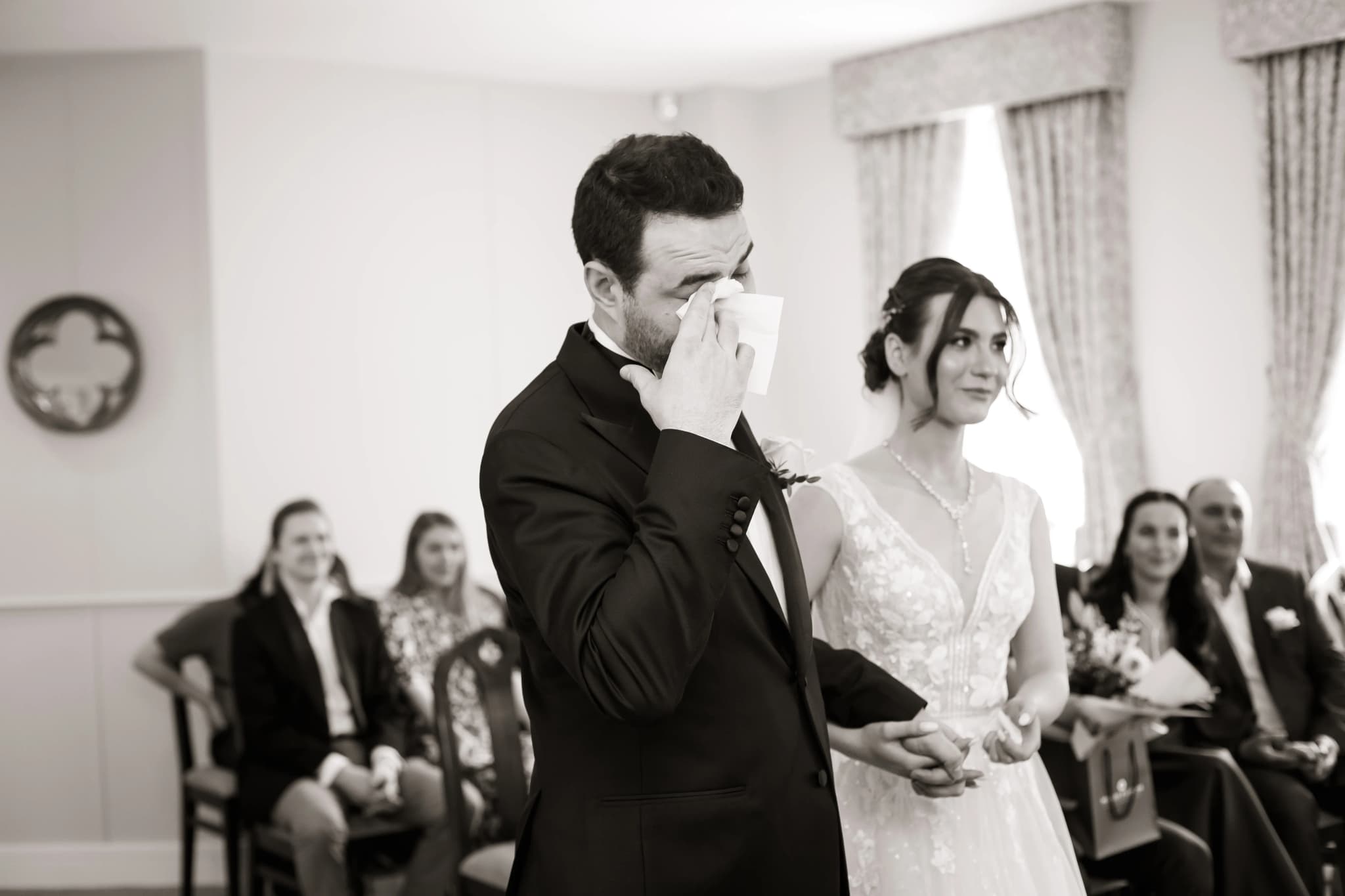
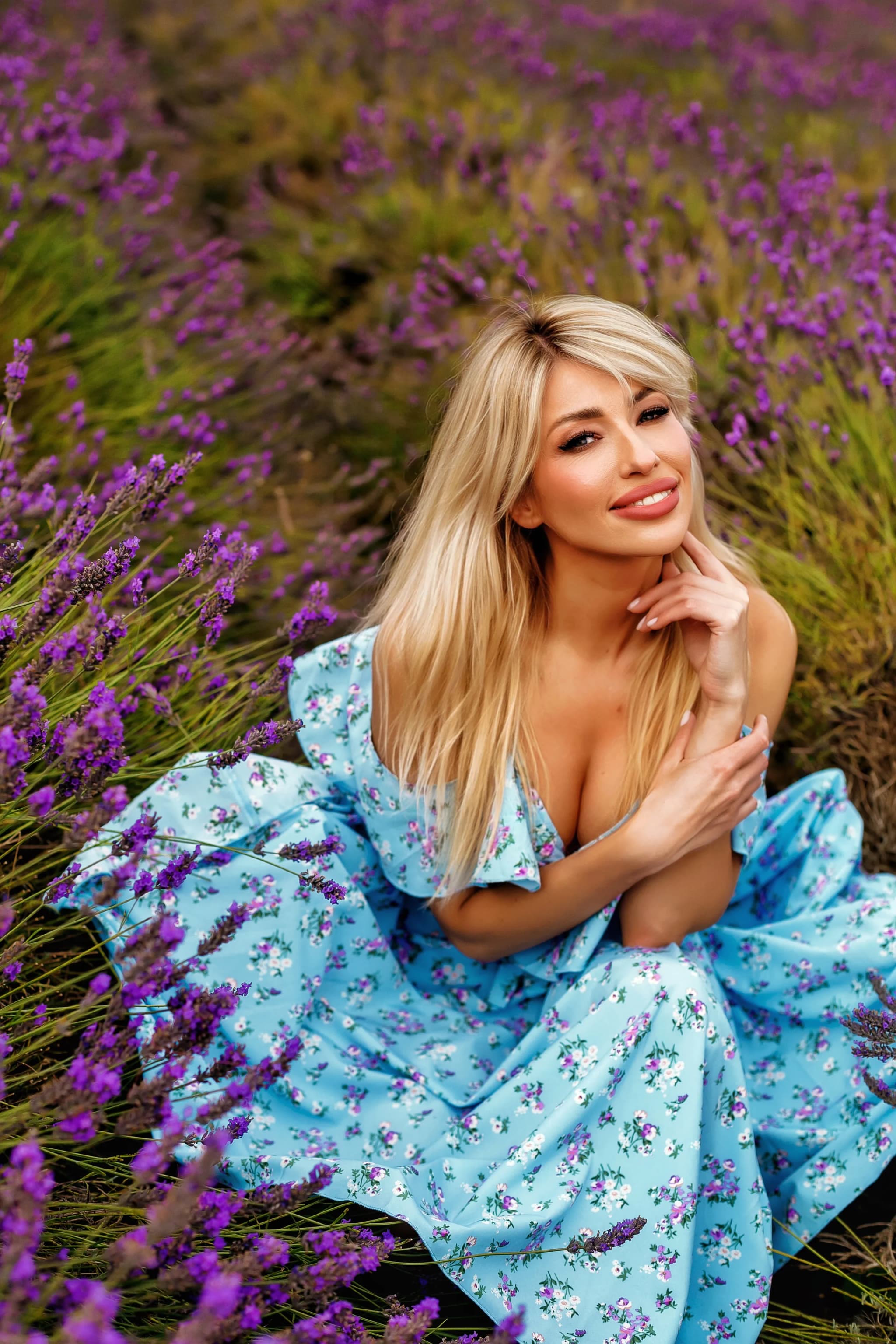
Backlit portraits with lens flare are among the most emotionally evocative images in photography. Position the subject between the camera and the sun. The sun should be low — late afternoon golden hour is ideal. Expose for the subject's face (the background will blow out, which is fine and desirable). The flare will wash the image with golden light, reduce contrast in the shadows, and create a luminous halo around the subject. This look is signature for engagement sessions, fashion editorials, and dreamy lifestyle photography. Use a reflector or fill flash to lift the subject's face if the backlight overwhelms the exposure. A fast prime lens (50mm f/1.4 or 85mm f/1.4) wide open produces the most beautiful flare-meets-bokeh combination.
Flare in Landscape Photography
Including the sun in a landscape composition creates starburst effects (when stopped down) or warm veiling flare (when wide open). Sunrise and sunset compositions with the sun at the horizon produce the most colour-rich flare — the low angle means the light passes through the maximum atmosphere, enriching the golden and amber tones. Position the sun behind a ridge, a tree, or a rock to partially obscure it and control flare intensity. Ultra-wide-angle lenses include more of the sky and produce more complex multi-element ghosting patterns. Telephoto lenses compress the sun into a smaller, more intense disc with less widespread veiling but stronger ghost arcs.
Controlling Flare Intensity
The position of the light source relative to the lens axis determines flare intensity and character. Light sources at the edge of the frame produce maximum ghosting along the diagonal. Light sources just outside the frame produce veiling flare without visible ghosts. The hand-flag technique — holding your hand just outside the frame to partially shade the lens — gives you real-time control. Watch the viewfinder (or the rear LCD in live view) and move your hand slowly until the flare reaches the desired intensity. Filters increase flare because each filter adds two more air-glass interfaces. If you want more flare, add a UV filter. If you want to reduce unwanted flare while preserving the creative flare from the main light source, lens coatings, hoods, and flags are your tools.
Artificial Flare Sources
The sun is not the only flare source. Streetlights, car headlights, neon signs, bare lightbulbs, and candles all produce beautiful flare — each with a different character depending on the light source size, colour, and intensity. Night photography offers especially rich flare opportunities — streetlights become starburst points at f/11–f/16, creating a graphic, sparkling quality across urban scenes. Concert and music photography with stage lights produces vivid coloured flare. Fairy lights and string lights in the background become diffused bokeh circles, while a single strong light source in or near the frame creates the primary flare pattern. Experiment with different light sources and lens combinations to discover the flare character of each pairing.
Post-Processing and Flare
In-camera flare always looks more natural and believable than digitally added flare. That said, post-processing can enhance captured flare: increase the warmth slightly to amplify golden flare tones. Lower the blacks slider to restore some shadow depth lost to veiling flare. Use a subtle radial gradient to enhance the glow around the light source. If the flare is too strong, a local adjustment brush can reduce exposure in the flared area. Avoid adding fake flare overlays in Photoshop unless you are aiming for an overtly stylised look — digitally generated flare rarely matches the physics of real optical flare and often looks artificial to trained eyes.
Lens flare transforms light from illumination into emotion — a luminous signature that makes every image pulse with energy and atmosphere.
Let the light in. View the portfolio.