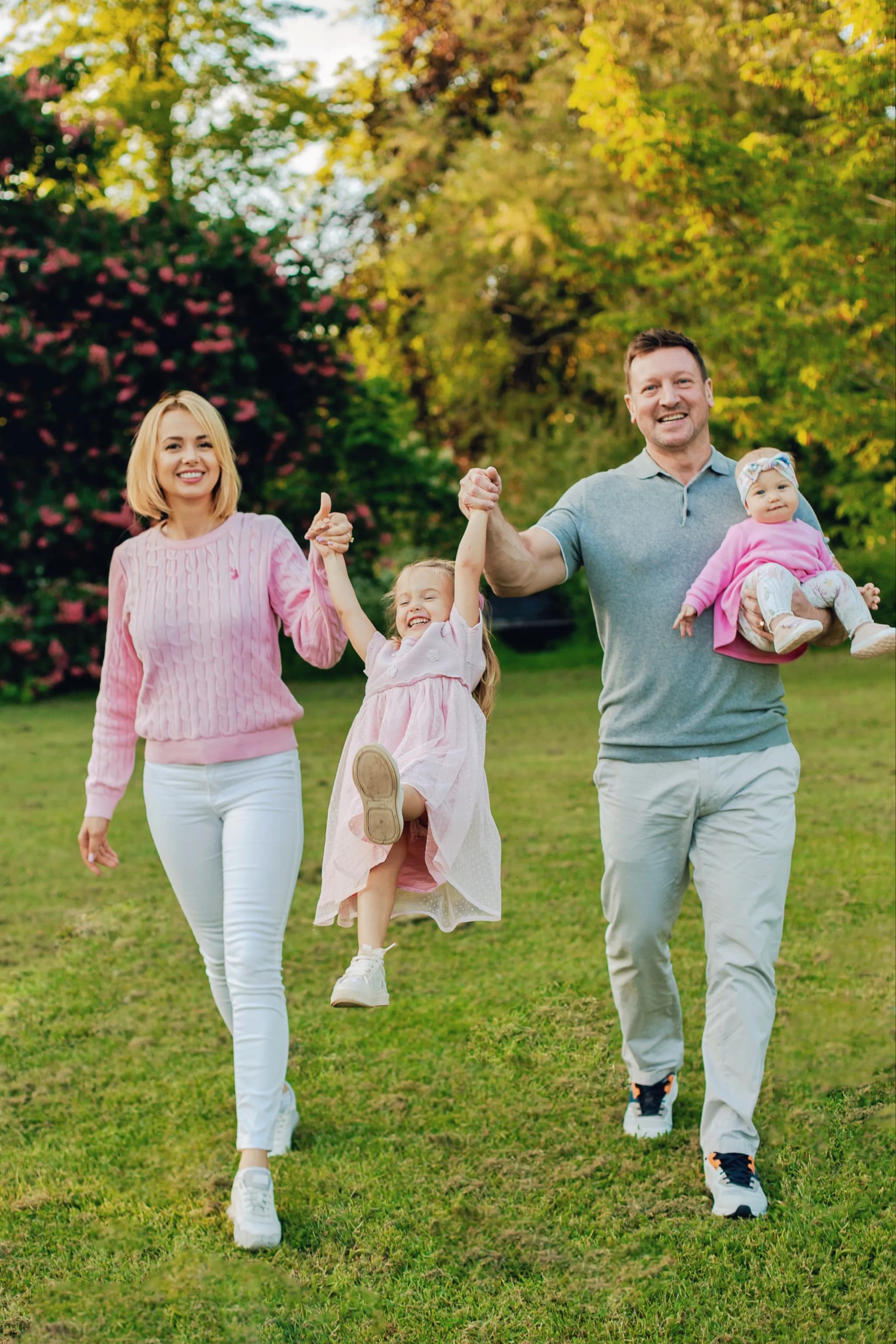
Levitation photography creates the illusion of a person or object floating weightlessly in mid-air. It is one of the most visually arresting creative techniques — surreal, dreamlike, and immediately attention-grabbing. The technique relies on compositing two or more exposures in post-production, or on practical in-camera methods such as jumping, hidden supports, or fabric tossing. This comprehensive guide covers both approaches, from planning to final edit.
The Concept
Levitation images work because the human eye expects gravity. When a figure floats — relaxed, serene, or dynamically mid-motion — the image creates cognitive dissonance that holds the viewer's attention. The key to convincing levitation is body language: a stiff, tense body looks like someone jumping; a relaxed, fluid body looks like someone truly floating.
Method 1: Composite Technique
Equipment
- Camera on a sturdy tripod — the camera must not move between shots.
- A stool, chair, ladder, or support to hold the subject at the desired height.
- Remote shutter release to prevent camera movement.
- Consistent lighting — shoot in manual mode with manual white balance and fixed exposure.
Shooting
- Frame 1 — Clean plate. Photograph the scene with no subject and no support. This is your background layer — it provides the clean areas needed to mask out the support in the composite.
- Frame 2 — Subject on support. Place the subject on the stool or support in the floating pose. Coach them to relax their limbs — let arms hang naturally, tilt the head back or to one side, let feet dangle. A flowing dress, loose hair, or trailing scarf adds to the floating illusion.
- Frame 3 (optional) — Fabric/hair toss. Have the subject's hair or clothing tossed to create natural-looking movement, or use a fan. This layer provides dynamic elements for the composite.
Compositing in Photoshop
- Stack all frames as layers. The clean plate goes on top.
- Add a black layer mask to the clean plate layer. This hides it completely, revealing the subject layer below.
- Paint white on the mask over the support (stool, chair) — this reveals the clean background from the top layer, erasing the support and leaving the subject floating.
- Refine the mask edges with a soft brush. Pay attention to shadows — you may want to keep a subtle ground shadow for realism, or remove it entirely for a more surreal look.
- If you shot a fabric-toss frame, mask it in over the relevant parts of the subject to add movement.
- Final adjustments: add a slight drop shadow beneath the subject for grounding, adjust colour and contrast for cohesion.
Method 2: In-Camera Jump Technique
The subject jumps, and you capture the peak of the jump with a fast shutter speed (1/500s or faster). The challenge is getting a relaxed, fluid pose at the top of the jump — most people look tense and awkward. Coaching helps: ask the subject to bend their knees, let their arms flow, look away from the camera, and exhale at the peak. Shoot in burst mode and expect to take 30-50 shots to get one good frame.
Posing for Convincing Levitation
- Arched back: A gentle backbend suggests floating rather than falling.
- Relaxed extremities: Pointed toes, trailing fingers, and a tilted head convey weightlessness.
- Clothing and fabric: Flowing dresses, capes, scarves, or veils add movement and drama. They also help sell the illusion by showing how gravity (or lack of it) affects the material.
- Eyes closed: A closed-eye, serene expression suggests a dreamlike state that reinforces the floating narrative.
- Asymmetry: Avoid rigid, symmetrical poses — they look staged. A slightly turned torso, one knee bent, one arm higher than the other creates natural-looking floating forms.
Lighting for Levitation
Dramatic lighting enhances the surreal quality. Backlighting (the sun or a strobe behind the subject) creates a rim-lit silhouette that separates the floater from the background. Side lighting creates strong shadows that add depth and drama. Flat, overcast light works for soft, ethereal concepts. For indoor levitation set-ups, a single key light from above suggests celestial illumination — as if the subject is being pulled upward by the light itself.
Common Mistakes
- Tripod movement between frames: Even a millimetre shift makes compositing extremely difficult. Use a heavy tripod, do not touch the camera between shots, and shoot on a solid surface.
- Inconsistent lighting: If clouds move between frames, the light changes and the composite looks fake. Shoot quickly, or choose consistent conditions.
- Forgetting the shadow: A floating figure with no ground shadow looks pasted in. Add a soft shadow below the subject for realism.
- Stiff body language: The most common error. Spend time coaching the subject into relaxed, flowing poses before shooting.
Creative Variations
Levitation photography is endlessly versatile. Outdoor levitation over fields, beaches, or forest paths creates ethereal fine-art images. Indoor levitation with scattered objects (books, cups, furniture) suggests a gravity-free room. Multiple floaters create surreal group compositions. Combine levitation with double exposure, colour gels, or motion blur for even more creative impact.
Levitation photography turns the impossible into the visible — a figure freed from gravity, suspended in a moment of surreal beauty. It combines careful planning, precise execution, and creative compositing into one of photography's most magical techniques.
Defy gravity, create wonder. View the portfolio.