Medium format cameras use a sensor significantly larger than the standard 35mm full-frame sensor — typically 44×33mm or 54×40mm compared to 36×24mm. This larger sensor captures more light, resolves finer detail, produces shallower depth of field at equivalent framing, and delivers tonal gradations with a smoothness that full-frame cameras struggle to match. Once limited to studio and landscape professionals using film backs costing tens of thousands, medium format digital has become increasingly accessible. This guide explains the technology, advantages, limitations, and practical applications for wedding and portrait photography.
What Makes Medium Format Different
Sensor Size
A full-frame sensor measures 36×24mm (864mm²). A "cropped" medium format sensor (Fujifilm GFX, Hasselblad X) measures 43.8×32.9mm (1440mm²) — roughly 1.7× the area. The largest medium format sensors (Phase One IQ4) measure 53.4×40mm (2136mm²) — 2.5× the area of full-frame. This increased area means each pixel can be larger (collecting more light with less noise), and the total resolution can be dramatically higher while maintaining excellent per-pixel quality.
Depth of Field
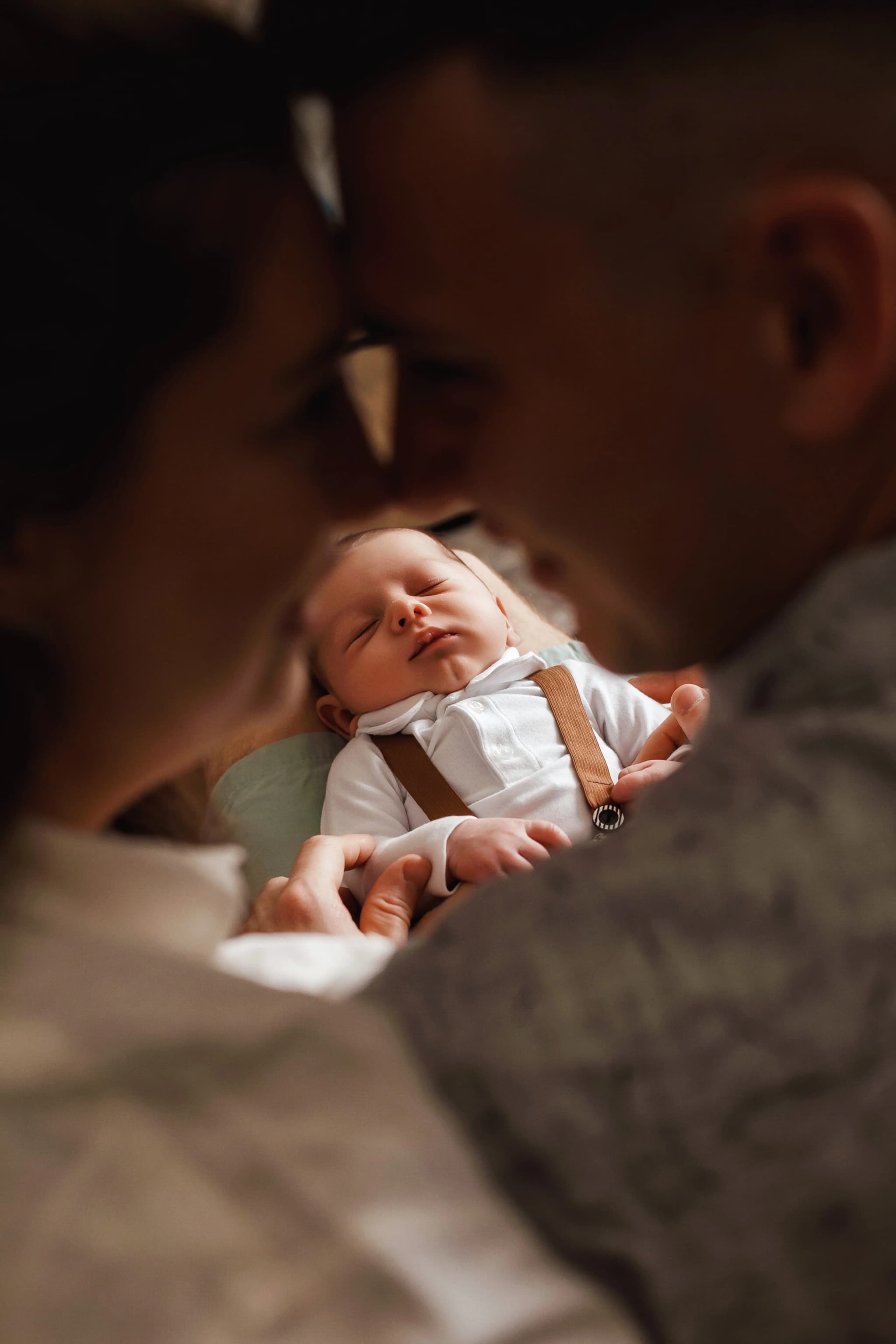
A larger sensor requires a longer focal length to achieve the same field of view. A 50mm equivalent on full-frame becomes roughly 63mm on 44×33mm medium format. Longer focal lengths produce shallower depth of field at identical apertures. The result: medium format images at f/2.8 have visibly shallower focus separation than full-frame at f/2.8 — with a smoother, more gradual transition from sharp to blurred. This "medium format look" is particularly prized in portraiture and wedding photography.
Dynamic Range and Tonal Gradation
Larger pixels collect more photons, producing cleaner signal-to-noise ratios. In practice, medium format sensors deliver 14-15 stops of dynamic range — recovering shadow detail and highlight information that smaller sensors lose. The tonal gradation — the smoothness of transitions between brightness levels — is noticeably superior. Skin tones, fabric textures, and subtle light gradients appear more three-dimensional.
Current Medium Format Systems
Fujifilm GFX
The most accessible medium format system. The GFX 100S II offers 102MP in a body slightly larger than a full-frame DSLR. The GFX 50S II provides 51MP at a lower price. The lens system covers everything from 20mm (equivalent) wide-angle to 250mm telephoto, with several fast primes (f/1.7 80mm, f/2 110mm). Autofocus is capable, weather sealing is robust, and prices — while higher than full-frame — are within reach of working professionals.
Hasselblad X System
The X2D 100C is Hasselblad's flagship 100MP mirrorless medium format camera. Known for beautiful colour science, exceptional build quality, and a growing lens lineup. Autofocus and ergonomics have improved dramatically from earlier models. Hasselblad also produces the 907X — a modular body that accepts both digital backs and classic V-system film lenses.
Phase One
The professional-grade option — 150MP sensors, tilt-shift digital backs, technical camera systems. Phase One is used by commercial, fine art, and architectural photographers where resolution and tonal quality are paramount. Prices start in five figures and climb rapidly.
Medium Format for Weddings
Portraits and Details
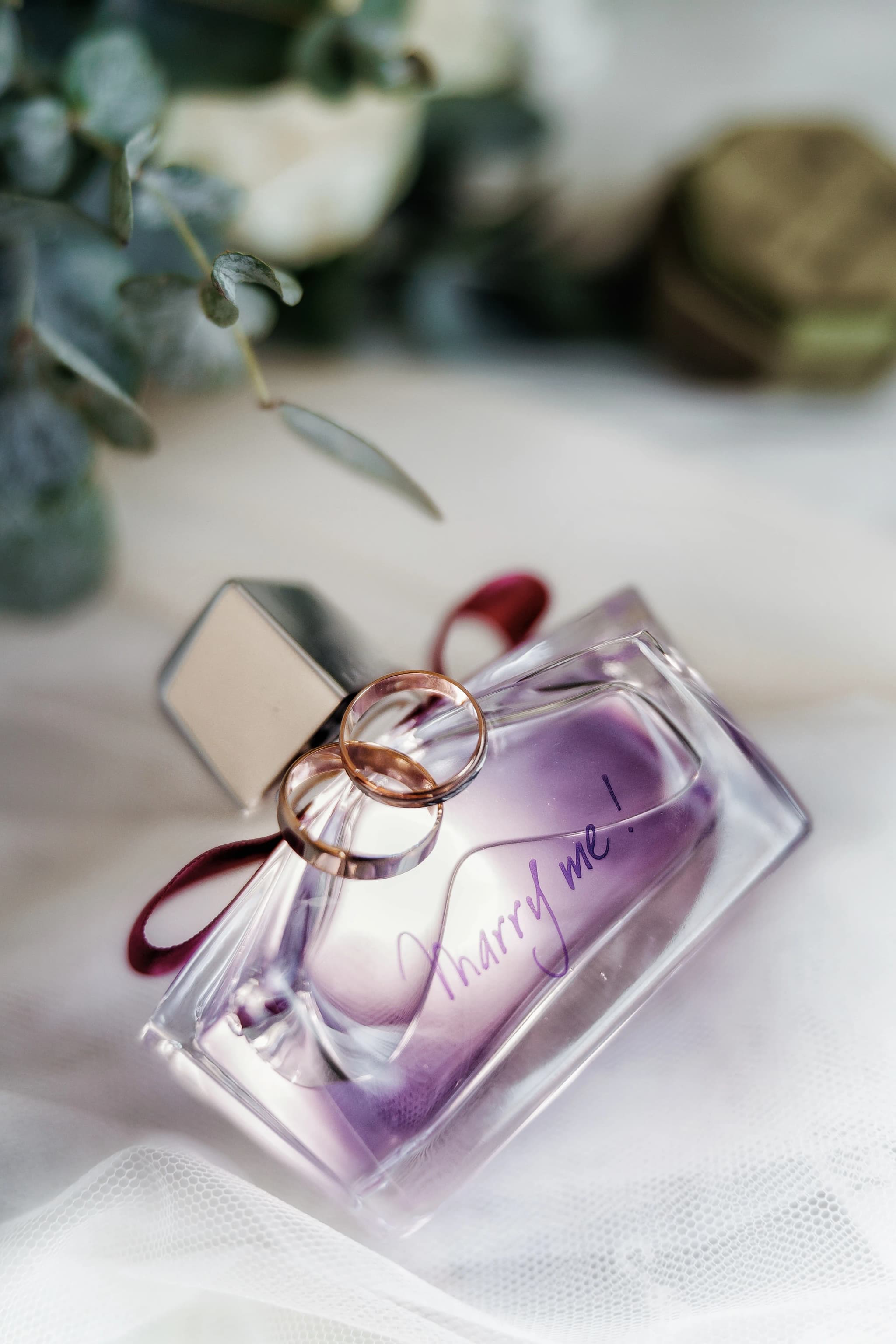
Medium format excels at couple portraits — the shallow depth of field, smooth tonality, and exceptional skin rendering produce images with a tangible quality that stands apart. Detail shots of rings, stationery, and dresses benefit from the extreme resolution, allowing enormous enlargements without softness.
Limitations at Weddings
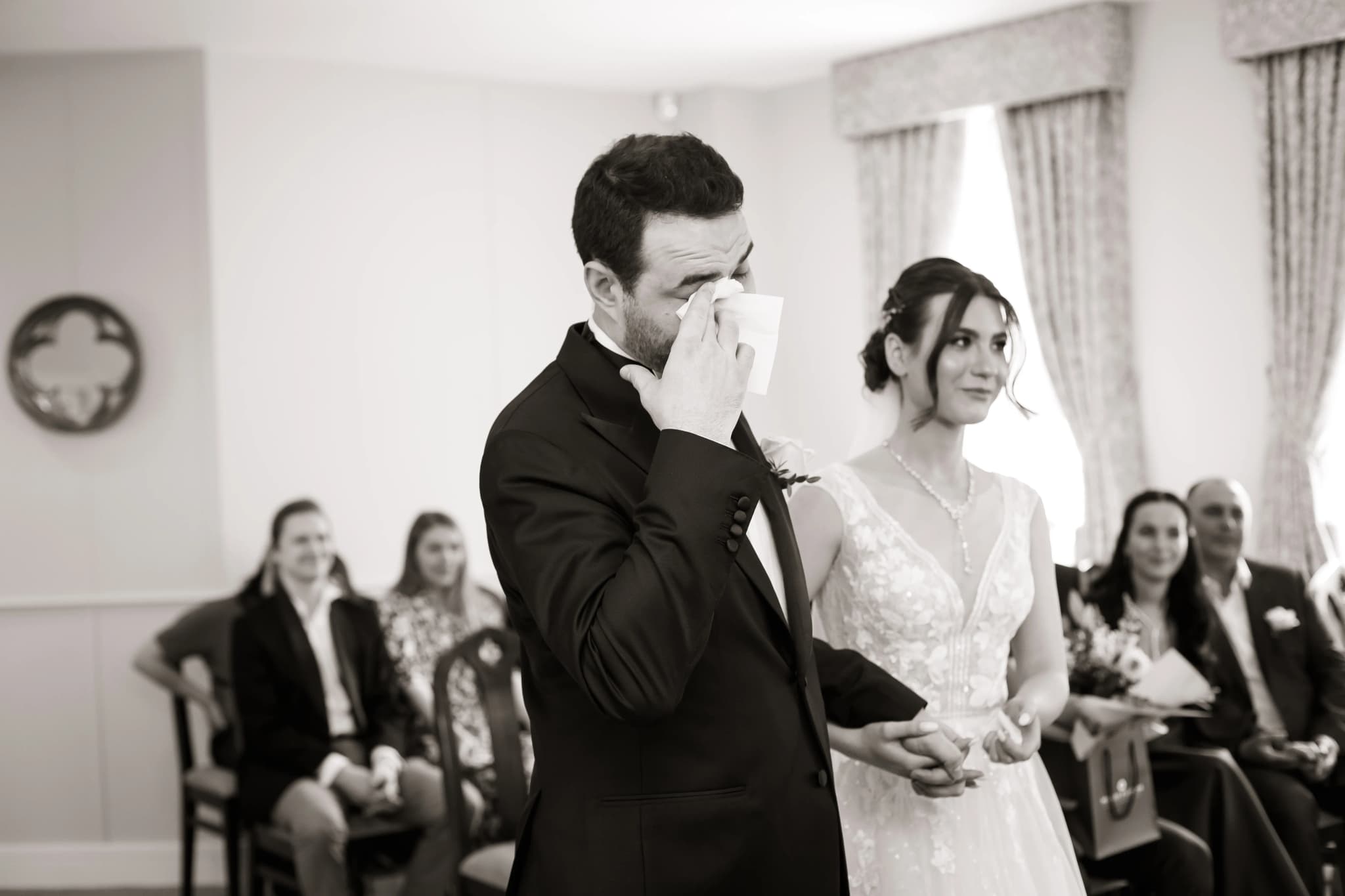
Autofocus speed — while improving — still lags behind the best full-frame systems. Burst rate is lower (3-5fps vs 10-20fps on full-frame). Buffer depth is shallower. Lens selection is narrower. These limitations make medium format less suited to fast-paced ceremony and reception shooting. Most wedding photographers who use medium format pair it with a full-frame body: medium format for portraits and details where speed is not critical, full-frame for ceremonies, speeches, and dancing.
File Size Considerations
A 100MP raw file is approximately 100-150MB. A full wedding day can generate 200-400GB of data. Fast, high-capacity memory cards (CFexpress Type B) and a robust storage and backup workflow are essential.
Is Medium Format Worth It?
For photographers who print large, sell wall art, or serve clients who appreciate the finest image quality, medium format delivers a visible difference. For social media and web delivery at 2000px wide, the advantage is minimal. The investment only makes sense when the output medium — large prints, albums, editorial publication — showcases the difference.
Medium format delivers tonal depth and three-dimensionality that elevates portraits from excellent to extraordinary.
See what exceptional image quality looks like in a wedding context. View the portfolio.