A model release is a legal document in which a person gives a photographer permission to use their likeness in photographs for specified purposes — commercial use, portfolio display, social media, competitions, or publication. Without a signed release, using someone's image commercially can expose you to legal claims. This guide covers when you need a release, what it should contain, how to approach the conversation, and the broader law around photo consent in the UK.
When You Need a Model Release
Commercial Use
If you use a recognisable person's image to promote a product, service, or business — including your own photography business — you need a signed model release. This includes: portfolio images on your website, social media posts promoting your services, stock photography submissions, advertising, and marketing materials.
Editorial Use
Photographs used for news, education, documentary, or artistic expression generally do not require a model release under UK law. However, the line between editorial and commercial use can be blurry. A wedding featured on a wedding blog as inspiration is broadly editorial; the same image used in a photographer's paid Instagram advert is commercial.
Personal Use by the Client
Images delivered to a client for their personal use (prints, social media sharing, family albums) do not require a model release — the client is the subject and has implicit consent over their own images. However, you need their permission to use those images for your business purposes.
What a Model Release Should Include
- Names: full legal name of the model (subject) and the photographer.
- Date: when the release is signed.
- Description of the shoot: date and location of the photography session.
- Grant of permission: explicit statement that the model grants the photographer permission to use the images.
- Specified uses: what the images can be used for — portfolio, website, social media, advertising, stock, print, publication. The broader the permission, the more flexible the release.
- Duration: is the permission permanent or time-limited?
- Compensation: what the model receives in exchange — payment, free images, prints, or simply the opportunity of the session. Even "no compensation" should be stated explicitly.
- Right to revoke: under UK GDPR, individuals can request that their images be removed from your marketing. Include a clause acknowledging this right while noting that images already published or licensed may not be retroactively removable.
- Signatures: both parties sign and date. For minors, a parent or legal guardian must sign.
Model Releases for Wedding Photography
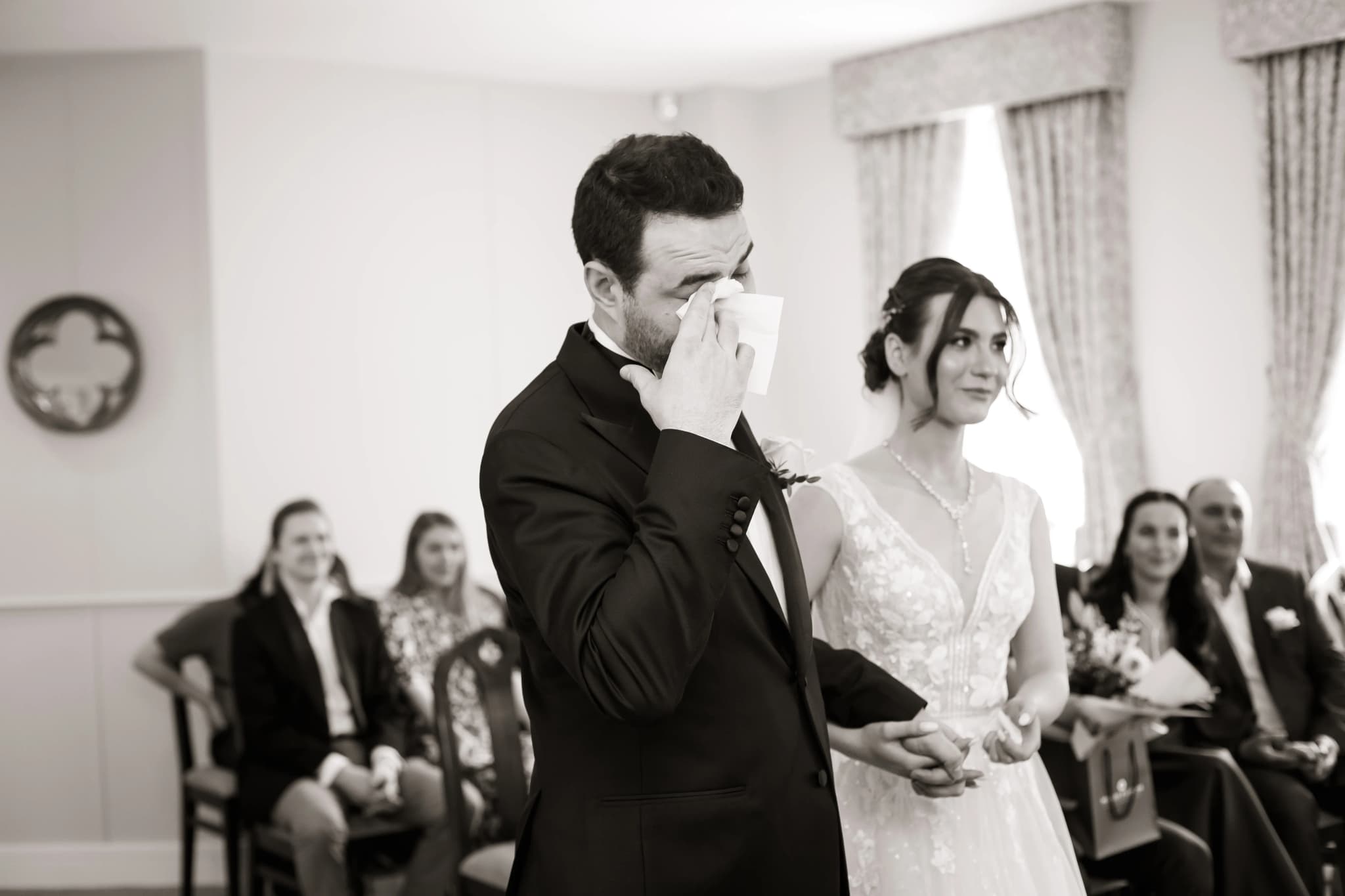
In wedding photography, the model release is typically incorporated into the booking contract. A standard clause states that the photographer may use images from the wedding for portfolio, website, social media, and marketing purposes. This should be discussed during booking — not sprung on the couple after the wedding. Some couples prefer privacy and do not want their images used publicly; respect this and include an opt-out.
Guests at a wedding present a different challenge. You cannot practically obtain releases from every guest. In the UK, photography at a private event (a wedding on private property) is generally permitted for the event's documentation. However, using a recognisable guest's image in a commercial context (your Instagram, a paid advertisement) without their knowledge is ethically questionable, even if legally grey. Best practice: use wide shots, back views, or images where guests are not the primary recognisable subject for marketing. For images of specific guests (e.g., an emotional parent), seek their permission before using commercially.
UK Law — Photography and Consent
Photography in Public Places
In the UK, there is no law preventing photography in public places. You can photograph anyone visible from a public space without their consent — this is well-established. However, using those images commercially (advertising, stock, promotional material) without a model release can lead to claims under privacy law, the right to a private life (Article 8 ECHR), or data protection law (UK GDPR).
UK GDPR and Photography
A photograph of a recognisable person is personal data under UK GDPR. As a photographer, you must have a lawful basis for processing this data. For wedding photography, the lawful basis is typically "legitimate interest" (you have a legitimate business interest in showcasing your work) or "consent" (the client has agreed in the contract). Individuals can request erasure of their data under GDPR, though exemptions exist for artistic purposes.
Children
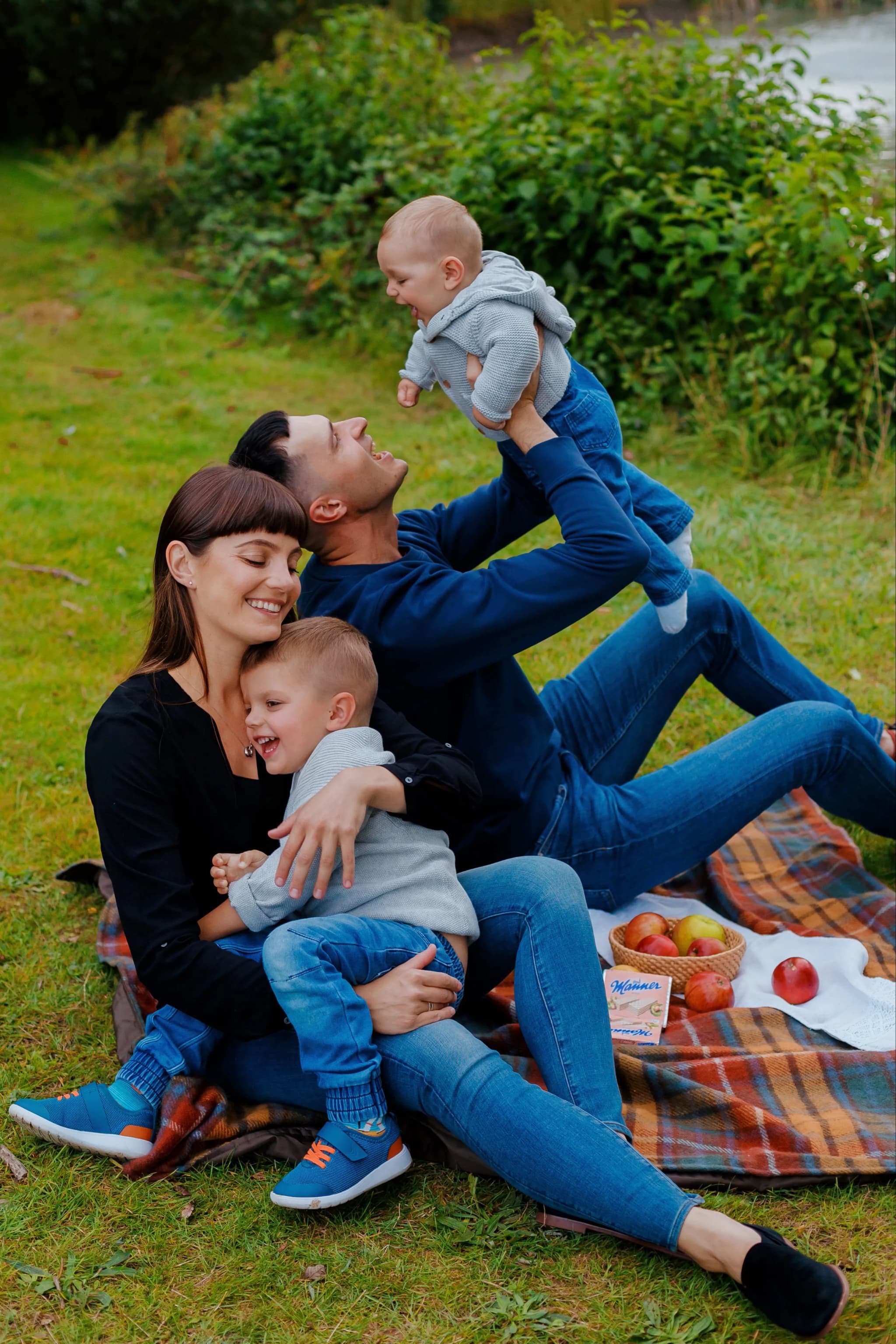
Photographing children requires particular sensitivity. At weddings, children are present as guests and naturally appear in documentary coverage. For any commercial use of a child's image, obtain explicit written consent from a parent or legal guardian. For social media and marketing, err on the side of caution — many parents are uncomfortable with their children appearing on a photographer's public platforms.
How to Approach the Conversation
Asking for a model release shouldn't feel awkward or transactional. Frame it positively: "I absolutely love how these images turned out — would you be happy for me to share some on my website and social media? Your story would really resonate with other couples planning their wedding." Most clients are delighted to see their images featured. For those who aren't, respect their decision without pressure.
Digital Model Releases
Paper forms are inconvenient. Digital model release apps (Easy Release, Releases) allow subjects to sign on a phone or tablet, generating a timestamped PDF stored in the cloud. This is legally equivalent to a paper signature in the UK and far more practical, especially when shooting on location.
Stock Photography and Releases
If you license images through stock agencies (Shutterstock, Getty, Adobe Stock), a model release is mandatory for any image containing a recognisable person. The agency will require the release to be uploaded alongside the image. Images without releases can only be licensed for editorial use, which limits their commercial value significantly.
A model release protects your business, respects your subject's rights, and ensures your best work can be shared without legal risk.
Professional practice, transparent communication. Get in touch about your session.