Yana Skakun
Natural light photography: How photographers use light to transform portraits
By Yana Skakun·16 February 2027·8 min read
Why Natural Light Photographs Differently
Natural light is not one thing — it is a continuously changing quality of illumination that varies by time of day, weather, season, latitude, and the surfaces it reflects from. A photograph taken at 7am on an overcast October morning in Suffolk looks categorically different from one taken at 5pm on a clear July evening in the same location. Understanding how to read and use that variation — rather than ignoring it with artificial light — is what separates natural light photography from standard portrait photography. The results are images with a quality of luminosity and three-dimensionality that artificial lighting struggles to replicate.
The Golden Hour
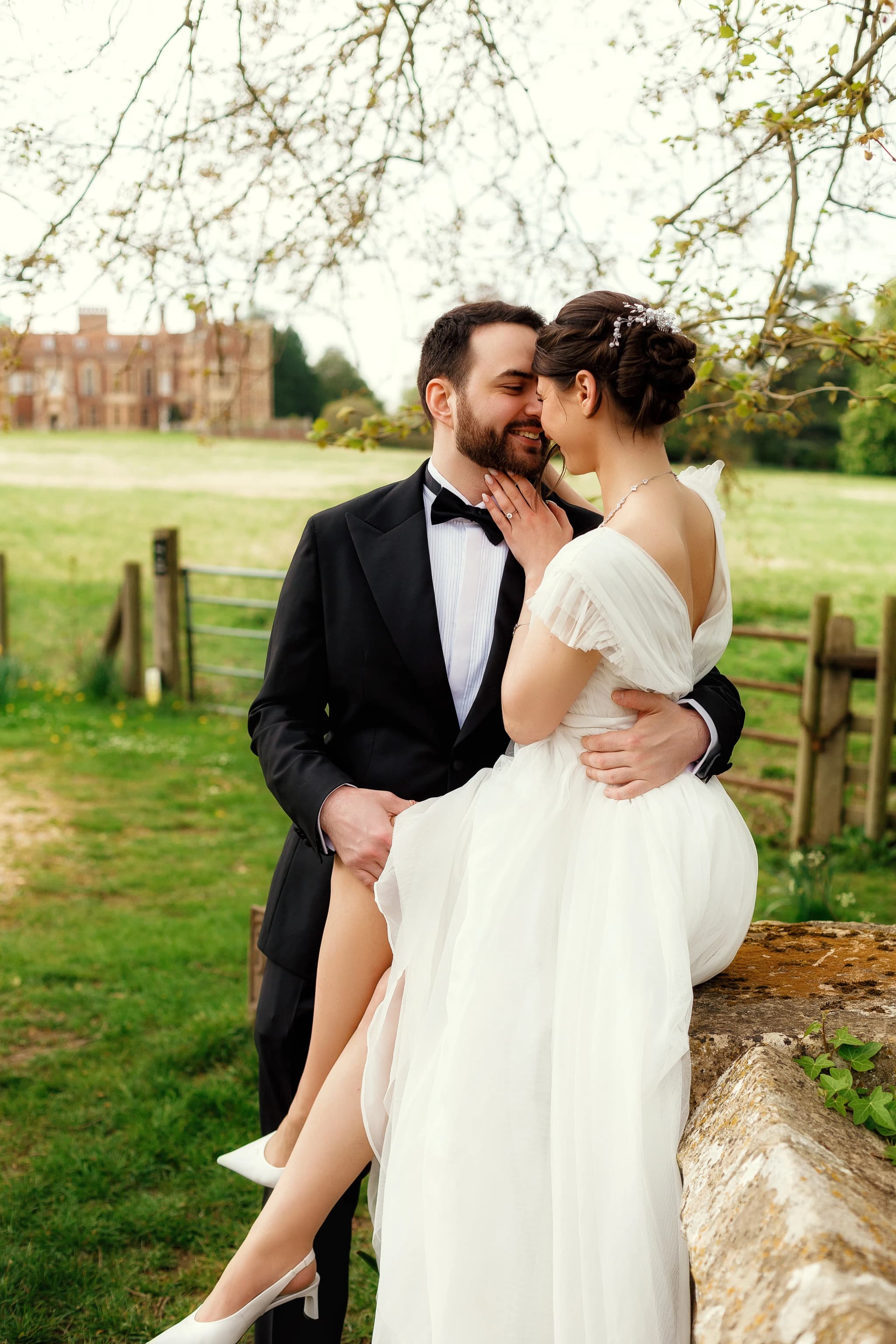
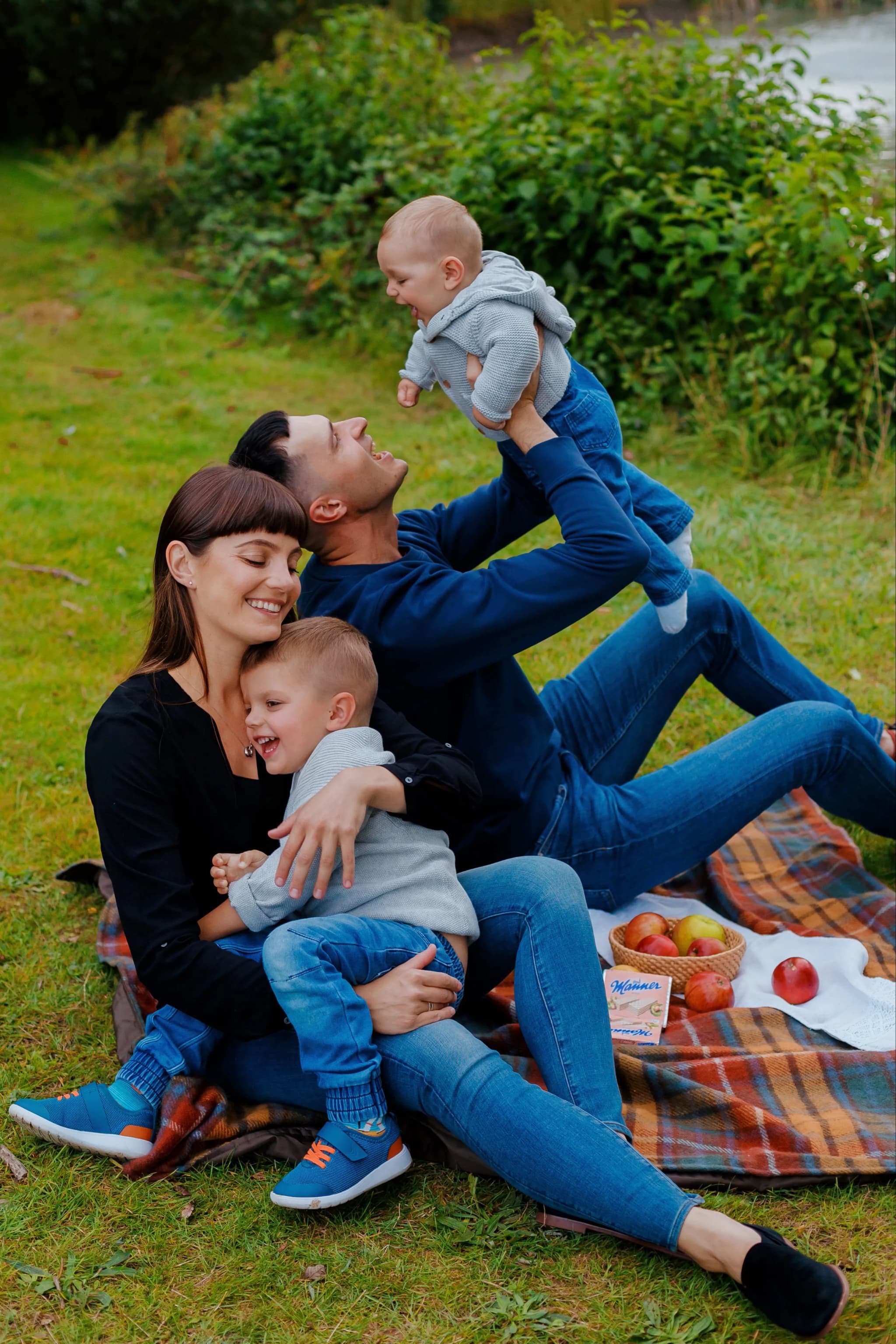
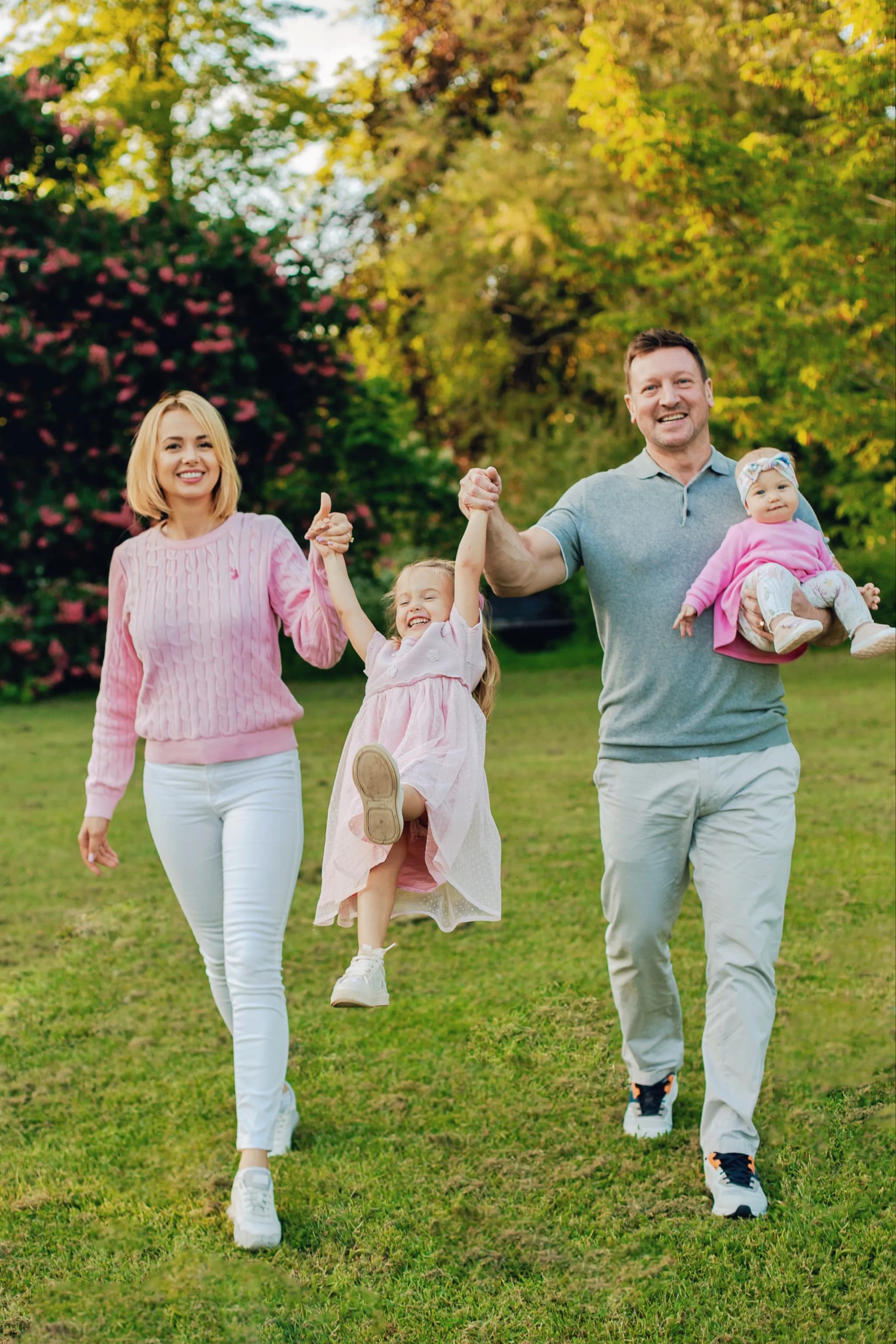
The golden hour — the period between 30 minutes before and 60 minutes after sunrise, and the equivalent period before sunset — is the most sought-after natural light for portrait photography. During this window, the sun is low on the horizon. The light has to travel through a longer path of atmosphere, which scatters the short blue wavelengths and allows the long red and amber wavelengths to dominate. The result is a warm, directional light that wraps around faces and subjects with minimal harsh shadow, creates strong specular highlights in eyes, and renders skin tones with exceptional warmth. Backgrounds caught in golden hour light are typically overexposed by the camera relative to the subject, creating a blurred, luminous backdrop effect even at wide aperture.
Window Light
Window light is natural light used in an interior context — but it is not fundamentally different from what a photographer has outside. The key quality of window light is that the window acts as a large, soft, directional light source. The larger the window relative to the room, the softer and more even the light. North-facing windows in the northern hemisphere receive no direct sunlight and therefore provide consistent, cool-toned diffused light throughout the day — this is why artists' studios have traditionally been north-lit. For portraits, a large north-facing window 1–2 metres from the subject creates a classic Rembrandt lighting pattern with a catchlight in one eye and graduated shadow — the most structurally interesting natural portrait lighting available.
Overcast Light
Overcast light — clouds acting as a giant diffusion panel — is consistently underrated by non-photographers. Because the light source (the sky) is vast relative to the subject, harsh shadows are practically eliminated. The light wraps around faces, fills in shadow areas naturally, and produces portraits of great evenness and skin-tone accuracy. The limitation is that overcast light has no directionality — it doesn't model the face as strongly as window light or golden hour — which means it's less sculptural but more forgiving. For families with young children, overcast midday light removes many of the exposure challenges of the golden hour and allows greater flexibility in position and timing.
Open Shade
Open shade — a shaded area with an open sky above, such as a tree-edge or the shadow side of a building — is the most reliable natural portrait light for midday sessions. The subject is shaded from harsh direct sunlight, but the open sky above provides soft, slightly directional illumination that models the face well and renders colour accurately. The key technique is to position the subject so the brightest part of the open sky is providing the main illumination — typically by having them face into the shade with the light sky behind the camera. This produces portraits of consistent quality in conditions that would otherwise be photographically very difficult.
Natural Light Portrait Photography
I photograph family, wedding, and portrait sessions using natural and available light across the UK.
Portrait Photographer Cambridge →

Yana Skakun
Photographer · England
Professional wedding, family and portrait photographer based in England. Passionate about capturing authentic emotions and timeless moments.
About Yana →natural light photography tipsgolden hour photographyhow photographers use natural lightoutdoor portrait lightingwindow light portraits
Photography Tips — Professional Photography in Cambridge & England
Yana Skakun is a professional photographer based in Cambridge, specialising in wedding, family, and portrait photography across England. Every session is personal — planned around your story, your people, and the moments that matter most. This guide — Natural light photography: How photographers use light to transform portraits — is part of the photography journal: practical, experience-based advice drawn from real sessions across England. Whether you arrived searching for natural light photography tips or golden hour photography, the same care and attention shapes every session Yana photographs.
Professional Photography sessions are available year-round, with bookings open across Cambridge, Ely, Huntingdon, Peterborough, and further afield — East England, London, the Midlands, and beyond. If you have specific questions about how photographers use natural light, mention it in your enquiry. Get in touch through the contact form above to check availability and discuss your session. Enquiries are welcomed from anywhere in the UK.
Continue Reading
Related Articles

Photography Tips
Photography Gift Vouchers: The Most Personal Present You Can Give
5 min read · Read Article
Photography Tips
Photo Books vs Photo Albums: What Is the Difference and Which Is Better?
5 min read · Read Article
Photography Tips
Photo Gift Ideas: Turning Professional Images into Meaningful Presents
5 min read · Read Article
Get in Touch
Ready to Book Your Session?
Get in touch to discuss your vision — I'll reply within 24 hours.