What to Expect from a Newborn Photography Session
If you have never experienced a newborn photography session before, the process can feel opaque — and the reality often surprises first-time parents in ways that are useful to know in advance. Understanding what a proper newborn session involves, how long it takes, what your role is, and what the photographer is actually trying to achieve will help you prepare well and enjoy the experience rather than feeling uncertain throughout.
Before the Session Begins
Most newborn photographers will have a consultation with you before the session — either in person, by phone, or via a detailed questionnaire. This is where you discuss style preferences, the specific setups or props you would like included, whether you want sibling or parent images as well as baby-alone shots, and any practical considerations the photographer needs to know (twins, feeding schedule, known health concerns).
In the days before the session: keep the baby awake slightly longer than usual in the morning of the session day if possible, so they are ready for a deeper, longer sleep during the session. Some photographers also recommend feeding the baby just before leaving for the studio, or immediately upon arrival, to begin the session with a well-fed infant. Your photographer will advise on their specific preferences.
Arrival and the First Hour
Expect the session space to be noticeably warm — around 24 to 26°C. This is necessary to keep the undressed baby comfortable and settled. Dress yourself in comfortable layers that you can remove, and prepare for two to four hours in a warm room.
The first phase of the session is almost always settling the baby. The photographer will wrap and hold the newborn, soothe them to a deep sleep state, and assess their responsiveness before attempting any poses. This settling phase typically takes 20 to 45 minutes and cannot be rushed. A baby who is not deeply asleep will not cooperate with any posing.
Your role during this time is to relax, have a drink, and trust the photographer's process. Trying to help or intervene often prolongs the settling period — babies sense adult anxiety.
Posed Setups: How They Work
A standard posed newborn session will move through a sequence of setups — perhaps a wrap setup, a beanbag pose, a prop (basket, bowl, crate), and a composite pose if the photographer offers them. Each setup requires:
- Moving the baby carefully from the previous position — done in stages, monitoring response throughout
- A resettling period if the baby wakes during the transition
- Adjustment of light, background, and props while the baby is settling
- Active shooting once the baby is in the right sleep state — often only 10 to 15 minutes of actual camera time per setup
Between setups, feeding pauses are normal and expected. A full session will typically include two to three pauses for feeding and nappy changes. These are completely routine and your photographer will factor them into the session time. Do not apologise for them.
Parent and Sibling Inclusions
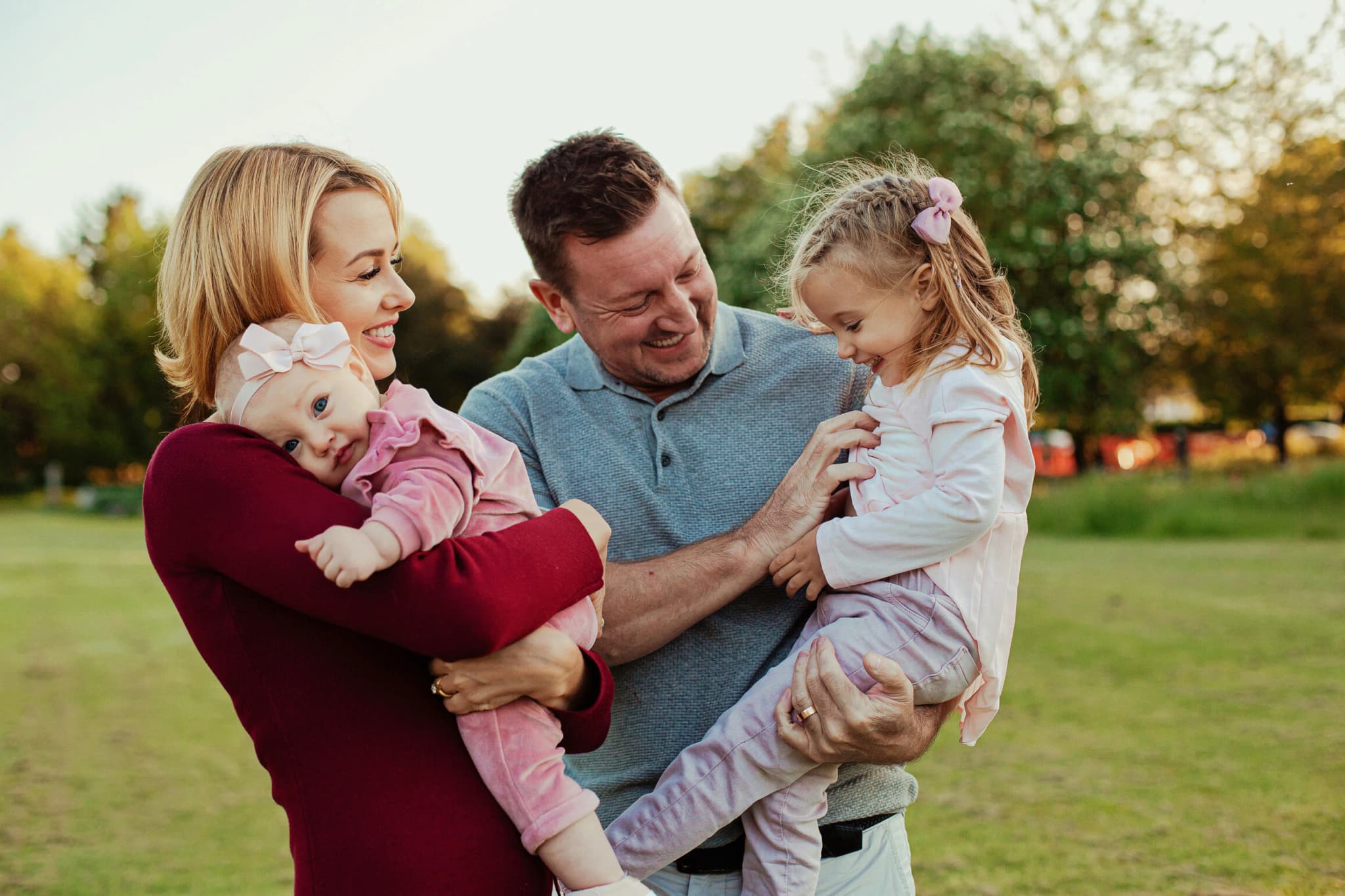
Most photographers recommend including at least some parent images in a newborn session — ideally close, personal shots of the baby with each parent, and then a full family frame. These require minimal preparation: simply hold your baby as you naturally would, with hands supporting the head and body, and let the photographer compose around the interaction.
If siblings are being included, schedule their portion of the session first, while they are at their freshest, and keep it to 15 to 20 minutes maximum. Bring a snack and something for them to do while they wait for the baby-only portions to complete. Most siblings who are excited about the baby will give excellent images if they are not made to wait too long.
How Many Images to Expect
A full posed newborn session with a professional photographer typically yields a gallery of 30 to 60 finished, edited images. This accounts for multiple setups, different frames within each setup, parent and sibling inclusions, and variety in close-up and wider shots.
You will not receive every frame the photographer shot — only the finished, edited selection. Professional newborn photographers edit significantly: colour correction, skin tone refinement, sometimes composite work on specific poses. The editing process on a newborn session gallery can take several weeks. Allow two to four weeks from session to delivery, and ask your photographer for their specific timeline.
If the Session Needs to Be Shortened or Rescheduled
Babies are unpredictable. On some days, a newborn will settle immediately and the session flows beautifully. On others, a baby is unsettled, feeding constantly, or simply not sleeping deeply enough for posed work. A professional newborn photographer will work with whatever the baby provides on the day, always prioritising the baby's wellbeing over any planned shot list.
If a session needs to be shortened significantly or rescheduled for wellbeing reasons, a reputable photographer will handle this with flexibility and no additional charge. Ask about this policy before booking.
What you cannot control: the baby. What you can control: booking a photographer with genuine experience, preparing well in advance, and arriving on the day as rested and relaxed as a new parent can reasonably be.