Yana Skakun
Overcast and Winter Light for Portrait Photography: Why Cloudy Days Work
By Yana Skakun·8 May 2026·6 min read
One of the most persistent misconceptions I hear from clients booking portrait sessions is that good photographs require sunny weather. A bright blue sky and direct sunshine feel, instinctively, like they should produce the best images — warm, cheerful, well lit. In practice, and in my genuine professional experience shooting across Cambridgeshire through every month of the year, overcast and winter light is very often more useful for portrait photography than direct sunshine. Clients are sometimes disappointed when they check the forecast the week of their session and see grey skies rather than sun. I am, if anything, quietly pleased. This guide explains why overcast and winter conditions work so well for portraits, what their real limitations are, and how I use them deliberately rather than simply working around them.
Why Overcast Light Flatters Faces
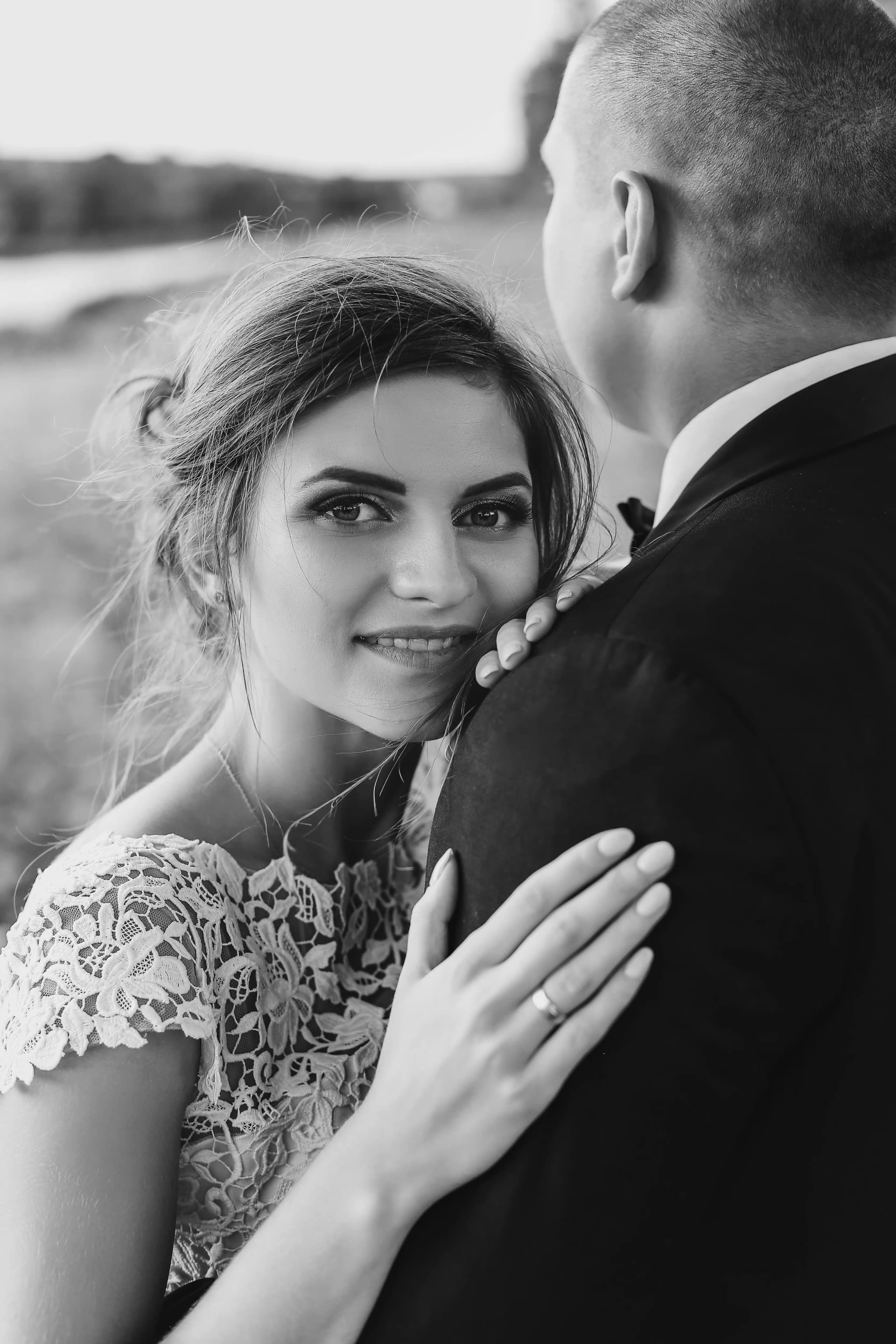
Cloud cover on an overcast day acts as an enormous diffused light source — the natural equivalent of a large softbox in a studio. Direct sun, by contrast, behaves as a single small, hard light source. Hard light produces sharp-edged shadows, hot blown highlights on foreheads and nose tips, and catchlights in the eyes that can look clinical rather than soft. An overcast sky illuminates from a huge, diffused area spread across the whole sky above and around the subject, and the result is a wraparound quality of light that is genuinely difficult to replicate with any studio setup smaller than the sky itself.
The practical results of that diffusion are consistent and predictable. Illumination across the face becomes even, with no harsh shadow carved under the nose or chin and no blown-out highlight on the forehead or cheekbones. Skin rendering becomes soft and luminous rather than textured, because diffused light does not exaggerate pores, fine lines, or blemishes the way direct sun at close range tends to. Subjects also gain freedom of positioning: in direct sun a subject often needs to face a specific direction or move into open shade to avoid squinting into the light or picking up unflattering top-down shadows under the eyes, whereas on an overcast day the light is essentially the same in every direction, so we can turn and reposition freely without hunting for the one angle that works. Finally, the light stays consistent for the whole session. Direct sun changes meaningfully in both angle and intensity between eleven in the morning and three in the afternoon; overcast light drifts much more gently, which means a session is not a race against a moving light source and there is far more room to slow down, work through wardrobe changes, or simply let a family relax into the afternoon.
Not All Grey Skies Are Equal
It would be misleading to suggest that all overcast conditions are equally good, because they are not, and knowing the difference is part of what makes shooting confidently in British weather possible. Thin, bright overcast — the pale, luminous grey that is probably the single most common sky condition in England — is genuinely excellent portrait light. The sky itself is bright, the diffusion is even, and subjects can be photographed beautifully from almost any angle. This is the condition I am often quietly hoping for on a family or couple shoot, because it removes so many of the variables that direct sun introduces.
Thick, dark overcast — the heavy, low, slate-coloured sky that typically precedes rain — is a different and genuinely more challenging condition. Overall light levels drop, which means higher ISO settings and a greater risk of motion blur with moving children or pets. The colour temperature shifts noticeably cooler and can introduce a blue-grey cast across skin tones if not corrected. And a heavy grey sky, if it fills much of the frame, becomes a dominant flat element that can make an otherwise lovely scene feel lifeless. I manage this by shooting tighter, positioning subjects against foliage, brick, or architecture rather than open sky, and being deliberate in post-processing about warming skin tones back to where they should sit.
Fog and mist, which occur often across the Cambridgeshire fens in the colder months, are a condition of their own again. They compress the background into soft, receding layers and can produce genuinely atmospheric, painterly images, particularly for couple portraits or maternity sessions in open countryside. They are unpredictable in their timing, though, and I keep a close eye on forecasts for the specific combination of temperature and humidity that produces good river or field mist around dawn.
Winter-Specific Light: Low Sun, Long Shadows
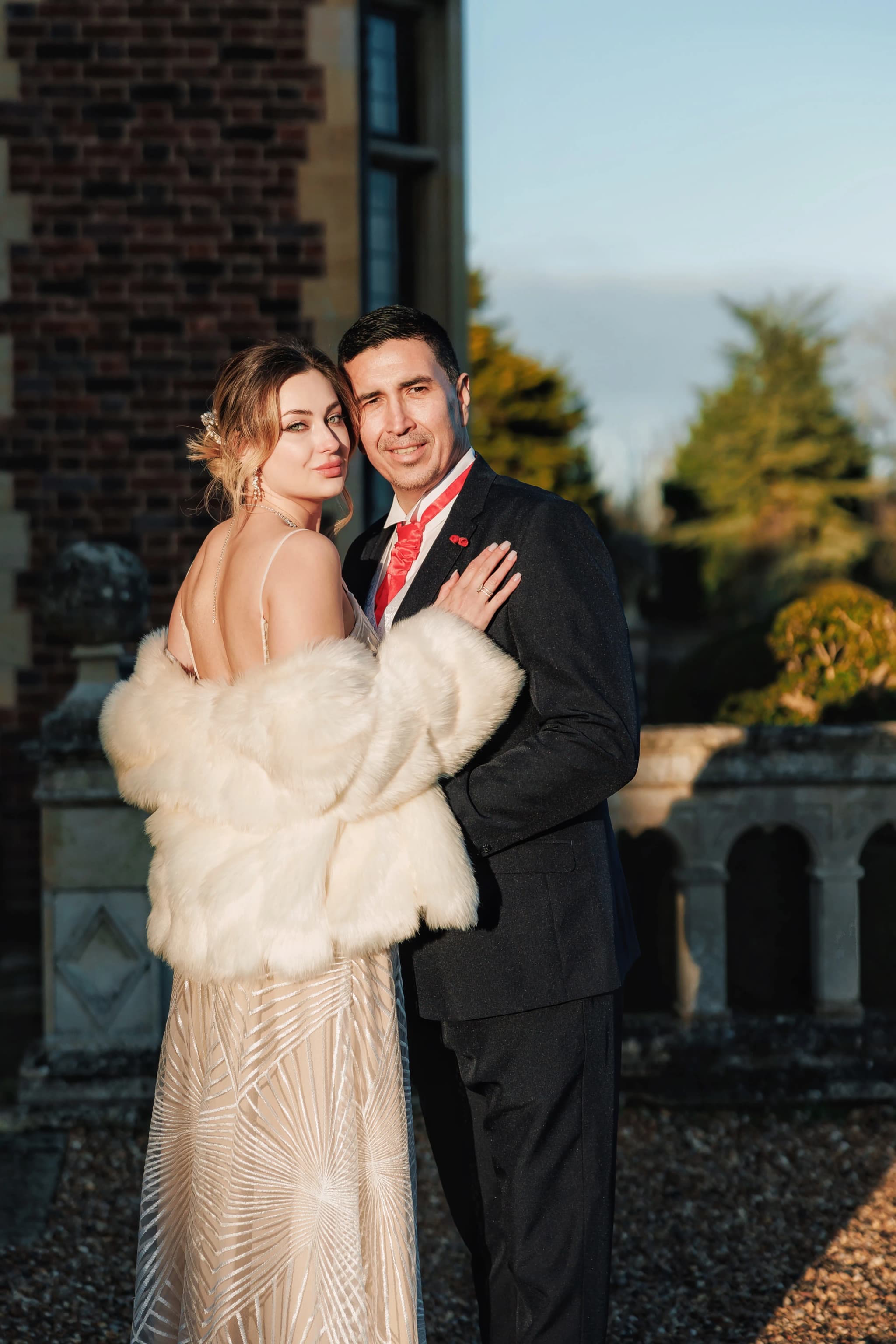
Clear winter days bring their own distinctive quality that is worth understanding separately from overcast conditions altogether. The defining characteristic of English winter light is its angle. In December and January, even around solar noon, the sun sits low in the sky over Cambridgeshire, never climbing anywhere near the height it reaches in summer. Practically, this means the sun behaves throughout the entire middle of the day the way it only behaves for a brief window around golden hour in June — low, warm in direction if not always in colour, and casting long, soft-edged shadows.
This inverts the usual portrait scheduling logic. In summer, I generally steer clients away from the harsh light of midday and towards early morning or the couple of hours before sunset. In winter, the opposite applies: the most usable and flattering window is often the middle of the day, roughly from mid-morning once any frost or mist has cleared through to early-to-mid afternoon, before the light drops too low and too cold as the sun sinks towards the horizon. A session booked for what would be an unthinkably harsh hour in July can be exactly right in January.
The colour temperature of clear winter sunshine also reads differently to the eye and the camera than autumn golden hour. It tends to be cooler and cleaner rather than deeply amber, and I have found that leaning into that quality — rather than fighting it with heavy warming in editing — produces a crisp, clear, almost Nordic aesthetic that has become genuinely popular for family portraits over the last few years. It suits bare trees, frosted grass, and pale winter skies particularly well, and it photographs coats, knitwear, and richer autumn-into-winter colour palettes beautifully.
Dressing and Preparing for a Grey-Sky Session
Because overcast and winter light is so even, clothing choices carry slightly more visual weight than they do in dappled summer light, where shadow and highlight naturally break up an outfit. Rich, saturated colours — deep berry tones, forest green, camel, charcoal, burgundy — tend to photograph particularly well against grey winter backdrops, holding their own rather than washing out. Pale neutrals and creams also work nicely and photograph as clean and calm rather than flat, provided they are not competing with an equally pale sky in the background.
Practically, winter sessions are also about comfort, because a family that is cold and hurrying to get back to the car does not photograph as relaxed and warm as one who came prepared. I always suggest bringing a proper coat or blanket to wear between shots even if it is being removed for the actual photographs, warm layers for children who tend to feel the cold faster than adults standing still, and footwear suited to whatever ground the location involves — wellies for anything muddy, sturdy boots for anything frosty. A flask of something warm waiting in the car for afterwards does more for a family's mood, and therefore for the photographs, than almost any amount of planning around the light itself.
Grey skies are not a reason to reschedule
If your session date is approaching and the forecast looks overcast or wintry, there is genuinely no need to worry. These are conditions I work with confidently and often prefer for portraits. If you would like to talk through timing, location, or what to wear for a winter or overcast session, get in touch and I will help you plan around it.
Ask about booking a winter sessionHow I Approach Post-Processing in These Conditions
Portrait images made in overcast or winter light typically benefit from a slightly different editing approach than golden hour images do, and understanding this is part of why the results look intentional rather than compromised. Gentle warm-toning helps bring skin tones into a naturally pleasing range without overcorrecting the cooler ambient light into something artificial. A small amount of added contrast restores some of the dimension and depth that direct light provides naturally and that flat diffused light can sometimes lack straight out of camera. Where a heavy grey sky has filled part of the frame, careful dodging and cropping choices keep the eye on the subject rather than on the flattest part of the image.
The aim throughout is never to disguise the conditions the photographs were made in, or to force them to look like a sunny day that did not happen. It is to make sure the people in the images look warm, well lit, and genuinely themselves within the actual light of that particular day — whether that day was bright winter sun, soft grey cloud, or drifting fen mist. Some of the portraits I am proudest of from the last few years were made on days that looked, from indoors, like poor weather for photography. They rarely are.
Cambridgeshire spends a great deal of the year under some shade of grey sky, and rather than treating that as an obstacle to work around, I have come to treat it as one of the most reliable and flattering conditions available for portrait work — soft on skin, forgiving of timing, and generous with the whole afternoon rather than a narrow golden-hour window. If you are planning a family, couple, newborn, or headshot session and are unsure how the time of year or the forecast might affect your options, get in touch and we can talk through the best approach for your date, whatever the sky is doing.

Yana Skakun
Photographer · England
Professional wedding, family and portrait photographer based in England. Passionate about capturing authentic emotions and timeless moments.
About Yana →overcast light portrait photographywinter light photography tipscloudy day portrait photography UKwinter portrait photography conditions
Photography Tips — Professional Photography in Cambridge & England
Yana Skakun is a professional photographer based in Cambridge, specialising in wedding, family, and portrait photography across England. Every session is personal — planned around your story, your people, and the moments that matter most. This guide — Overcast and Winter Light for Portrait Photography: Why Cloudy Days Work — is part of the photography journal: practical, experience-based advice drawn from real sessions across England. Whether you arrived searching for overcast light portrait photography or winter light photography tips, the same care and attention shapes every session Yana photographs.
Professional Photography sessions are available year-round, with bookings open across Cambridge, Ely, Huntingdon, Peterborough, and further afield — East England, London, the Midlands, and beyond. If you have specific questions about cloudy day portrait photography uk, mention it in your enquiry. Get in touch through the contact form above to check availability and discuss your session. Enquiries are welcomed from anywhere in the UK.
Frequently Asked Questions
What camera settings should I use for outdoor portraits?+
For outdoor portraits, shoot in aperture priority mode. Use a wide aperture (f/1.8–f/2.8) to blur the background and isolate your subject. Keep ISO as low as possible in good light. In bright conditions, use a neutral density filter or switch to manual to avoid overexposure at wide apertures.
What is the golden hour in photography?+
Golden hour is the period roughly 30–60 minutes after sunrise and before sunset. The sun is low in the sky, producing warm, soft, directional light that flatters skin tones and creates beautiful long shadows. It's widely considered the best natural light for portrait and outdoor photography.
How do you get sharp photos in low light?+
In low light, increase your ISO (accepting some grain), use the widest aperture your lens allows, and slow your shutter speed to the slowest you can hand-hold without camera shake (roughly 1/focal length as a guide). Use image stabilisation if available, and consider a tripod for static subjects.
What is the rule of thirds in photography?+
The rule of thirds divides the frame into a 3×3 grid. Placing your subject on one of the four intersection points — rather than dead centre — creates a more dynamic, visually interesting composition. It's a guideline, not a rule: some of the most powerful images break it deliberately.
How do you edit photos to look professional?+
Professional editing starts with shooting in RAW format. In Lightroom or similar software, correct exposure, white balance, and contrast first. Recover shadow and highlight detail. Apply gentle colour grading for mood. Be conservative with skin retouching — the goal is natural enhancement, not transformation. Consistency across a set of images is what separates professional from amateur editing.
Continue Reading
Related Articles

Photography Tips
Photography Gift Vouchers: The Most Personal Present You Can Give
5 min read · Read Article
Photography Tips
Photo Books vs Photo Albums: What Is the Difference and Which Is Better?
5 min read · Read Article
Photography Tips
Photo Gift Ideas: Turning Professional Images into Meaningful Presents
5 min read · Read Article
Get in Touch
Ready to Book Your Session?
Get in touch to discuss your vision — I'll reply within 24 hours.