Photo Culling Workflow: The Complete Guide to Efficiently Selecting, Rating, and Organising Your Best Images
Photo culling — the process of reviewing, selecting, and rating photographs from a shoot to identify the best images for editing and delivery — is one of the most time-consuming and least glamorous aspects of professional photography, yet it is arguably the single most impactful step in the post-production workflow. The difference between a mediocre photographer and an exceptional one is often not in the quality of their capture but in the ruthlessness and precision of their cull: the ability to identify the strongest compositions, the most flattering expressions, the most compelling light, and the most emotionally resonant moments from hundreds or thousands of nearly identical frames. A photographer who delivers 50 extraordinary images from 2,000 captures creates far more impact than one who delivers 500 average images because they couldn't bear to cut.
The volume challenge is real and growing. A modern wedding photographer captures 3,000–6,000 images per full-day wedding. A portrait session yields 200–500 frames. A commercial shoot may generate 1,000–3,000 captures. Reviewing every image at full screen, evaluating composition, focus, exposure, expression, and telling the story of the day, then selecting the 300-800 deliverables — this process can take 3-6 hours for a single wedding if approached without a structured workflow. Developing an efficient culling system that balances speed with quality is therefore one of the most valuable investments a professional photographer can make, paying dividends in hundreds of hours saved annually and consistently higher-quality delivered galleries.
Multi-Pass Culling: The Industry Standard Approach
The most widely recommended culling approach uses multiple rapid passes through the image set, each pass applying a different level of evaluation. The first pass is fast: 2-3 seconds per image, viewing at a size large enough to evaluate composition and expression but not zoomed to 100%. The goal is a binary yes/no decision — keep or reject. Does this image have potential? Is the composition acceptable? Is the expression good? Is the moment worth telling? If the answer is no — if the image is a duplicate with a worse expression, an obvious miss-focus, an accidental frame, or a redundant near-copy of a stronger image — reject it immediately and move on. This first pass typically eliminates 40-60% of the total capture.
The second pass reviews only the kept images, now applying a finer filter. Rate images on a 1-5 star scale: 5 stars are hero images (gallery-defining shots), 4 stars are strong images (definitely deliverable), 3 stars are good supporting images (context, storytelling, secondary moments), 2 stars are acceptable (might deliver if needed for coverage), 1 star is marginal (keep as a backup but unlikely to deliver). This pass takes 3-5 seconds per image and further refines the selection. After the second pass, filter to show only 3-star-and-above images — this is typically your deliverable set. A third pass may review the 3-star images to promote the strongest ones to 4 stars or demote the weakest to 2 stars, fine-tuning the final gallery. The entire three-pass system takes 60-90 minutes for a 3,000-image wedding — a dramatic improvement over single-pass deliberation.
Culling in Lightroom Classic: Workflow and Shortcuts
Lightroom Classic is the most popular culling platform for professional photographers. Import images into Lightroom with minimal previews (Standard previews for speed, not 1:1 which takes much longer to generate). Switch to the Library module, Loupe view (E key), and use Auto Advance (enable via Caps Lock). With Auto Advance on, every time you apply a flag or rating, Lightroom automatically moves to the next image — eliminating the need to press the right-arrow key after every decision and roughly doubling culling speed. The core shortcuts: P = Pick (flag as a keeper), X = Reject (flag for removal), U = Unflag. After the first pass, filter to show only Picked images (click the flag filter in the filmstrip), and begin the rating pass using number keys: 1-5 apply star ratings.
Use colour labels as a supplementary organisation tool: Red for "needs special editing attention," Yellow for "client requested / must include," Green for "social media highlight," Blue for "blog/portfolio candidate." Colour labels don't replace star ratings — they add a second dimension of categorisation. The combination of star ratings (quality assessment) and colour labels (usage designation) gives you a flexible sorting system that handles the diverse output needs of professional photography: the red-labelled 5-star images might become your Instagram feature posts, the green-labelled 4-star images might form the blog gallery, and all 3-star-and-above images become the client delivery.
Dedicated Culling Software: Photo Mechanic
Photo Mechanic is a dedicated image browsing and culling application that loads and displays images dramatically faster than Lightroom. While Lightroom must generate preview files and build a catalogue database before you can begin culling (a process that can take 15-30 minutes for a large wedding import), Photo Mechanic reads images directly from disk in real-time, displaying full-resolution previews from embedded camera JPEGs almost instantly. This speed advantage makes Photo Mechanic the industry-standard culling tool for high-volume professionals — particularly wedding, event, and sports photographers who process large shoots regularly.
The Photo Mechanic workflow: connect the memory card, open Photo Mechanic, browse the card directly (or ingest to a destination folder first using Photo Mechanic's built-in ingest tool). Begin culling immediately — no import step, no preview generation, no waiting. Rate images using the same star-rating system (1-5 keys) or tag/colour-label as needed. Photo Mechanic writes ratings and metadata directly into the image XMP sidecar files, which Lightroom reads automatically when you subsequently import the rated images. This handoff workflow — cull in Photo Mechanic, import only the selected images into Lightroom for editing — is used by a large percentage of professional wedding photographers worldwide because it combines the speed of Photo Mechanic's culling with the power of Lightroom's editing tools.
AI-Assisted Culling: Aftershoot and Narrative Select
Artificial intelligence culling tools have emerged as a significant workflow accelerator. Aftershoot and Narrative Select are the two leading AI culling applications for professional photographers. Both use machine learning models trained on millions of professionally curated images to evaluate focus sharpness, facial expressions (eyes open, genuine smiles, emotional quality), composition, exposure quality, and duplicate detection. When given a folder of images, these tools analyse every photograph and automatically flag the best image from each similar group while rejecting duplicates, blurry frames, mis-focused shots, and unflattering expressions.
AI culling does not replace human judgement — it accelerates it. The AI handles the mechanical evaluation (is this image in focus? are the eyes open? is there a similar but better frame?) while the photographer handles the artistic and editorial decisions (which moment is most emotionally powerful? which composition best tells the story? which image fits the gallery narrative?). The practical workflow: run the AI cull first to eliminate obvious rejects and flag technical bests, then perform a human review of the AI-selected images to apply editorial judgement. This hybrid approach typically reduces total culling time by 50-70% compared to fully manual culling, because the photographer spends time evaluating only the technically viable images rather than wading through thousands of duplicates and misfires.
Editing Criteria: What Makes a Deliverable Image
Developing clear, consistent criteria for what qualifies as a deliverable image is essential for efficient culling and consistent gallery quality. The fundamental criteria are: (1) Technical quality — the image is in focus where it needs to be, correctly exposed (or correctable with reasonable editing), and free from distracting technical flaws (motion blur, camera shake, focus on the wrong subject). (2) Expression and emotion — the subject's expression is flattering, genuine, and emotionally appropriate for the moment. (3) Composition — the framing supports the subject, the background is not distracting, and the overall arrangement is visually pleasing. (4) Storytelling value — the image contributes something unique to the narrative of the event, session, or project. (5) Non-redundancy — the image is not a near-duplicate of another already-selected image that says the same thing equally well or better.
The hardest criterion to apply consistently is the last one — non-redundancy. Photographers naturally capture many similar frames of each moment (burst mode, multiple angles of the same scene, progressive poses during a portrait sequence), and the temptation is to deliver several very similar images rather than choosing the single best one. Resist this temptation aggressively. Clients do not benefit from receiving five nearly identical images of the same kiss from the same angle — they benefit from receiving one perfect kiss image and having the next four frames tell a different part of the story. Ruthless duplicate elimination is what separates a tight, impactful gallery from a bloated one, and developing the discipline to choose the single strongest frame from a sequence is one of the most important professional skills a photographer can develop.
Culling for Different Photography Genres
Different genres require different culling emphasis. For weddings, the primary criteria are emotion, moment, and storytelling — technical imperfections (slight motion blur, imperfect focus when the emotion is extraordinary) are often acceptable because the moment cannot be recreated. The culling focus is on building a narrative: preparations, ceremony, portraits, reception, dancing. For commercial and product photography, technical precision is paramount — sharpness, exposure, colour accuracy, and product presentation must be flawless, and the cull ruthlessly rejects any image with identifiable technical compromise. For portrait sessions, expression is king — the image with the best expression usually wins even over a technically superior image with a less compelling expression.
For landscape photography, culling criteria include: optimal light quality (is the light in this frame better than the surrounding frames?), atmospheric conditions (best cloud formation, mist, colour), technical sharpness across the depth of field, and compositional refinement. Landscape photographers typically cull more aggressively than event photographers — delivering 5-20 images from a multi-day trip is common, compared to 300-800 from a single wedding. For sports and action photography, focus accuracy on the primary subject and peak action timing are the dominant criteria — the decisive moment frozen sharply at peak action is what matters, and everything else is secondary.
Building a Delivery Gallery: From Culled Selects to Final Delivery
After culling, the selected images form the basis of the delivery gallery — but the selection order and presentation matter. For weddings and events, arrange the gallery chronologically: preparations, getting ready, ceremony, group formals, couple portraits, reception, speeches, dances, departure. Within each section, select for variety: mix wide establishing shots with tight details, candid moments with posed portraits, and individual subjects with group interactions. A well-constructed wedding gallery reads like a documentary film — it has rhythm, pacing, and emotional arc. The viewer should feel the progression of the day from nervous morning preparations to joyful celebration.
For portrait sessions, curate the gallery for variety of pose, expression, composition, and background. Showing multiple images with the same pose from the same angle makes the gallery feel repetitive — even if each individual image is excellent, the lack of variety reduces the perceived value. Mix horizontal and vertical orientations, close-ups and full-lengths, serious and smiling expressions, looking-at-camera and candid moments. For portfolio presentation, curate even more aggressively — your portfolio should contain only your absolute strongest work, typically 20-40 images representing your best from the past 12-18 months. Portfolio culling is the most ruthless cull of all: only 5-star, gallery-defining images survive.
Speed and Efficiency Tips for Faster Culling
The most impactful speed tip is to make decisions faster. Most photographers spend far too long deliberating over individual images during the cull. In the first pass, you should spend no more than 2-3 seconds per image — this is a gut reaction, not a deliberation. Trust your instinct: if an image doesn't grab you immediately, move on. The second pass can afford more time (3-5 seconds) because you've already eliminated the obvious rejects. The total time for a complete three-pass cull of 3,000 wedding images should be 60-90 minutes. If it takes longer, you are deliberating too much on individual images and need to develop your decisiveness.
Additional speed tips: use a large, high-resolution monitor (27" 4K or larger) so you can evaluate images quickly at a sufficient size without zooming. Learn and use keyboard shortcuts exclusively — never touch the mouse for flagging or rating operations. Consider using a dedicated input device like a Loupedeck console, which provides tactile dials and buttons for rating, flagging, and navigating that are faster than keyboard shortcuts. Cull on the same day as the shoot while your memory of the moments is fresh — you will make faster, more confident decisions when you remember the context of each image. Avoid culling when tired — fatigue leads to indecision and inconsistent standards that slow you down and degrade your selection quality.
A Curated Gallery of Your Best Moments
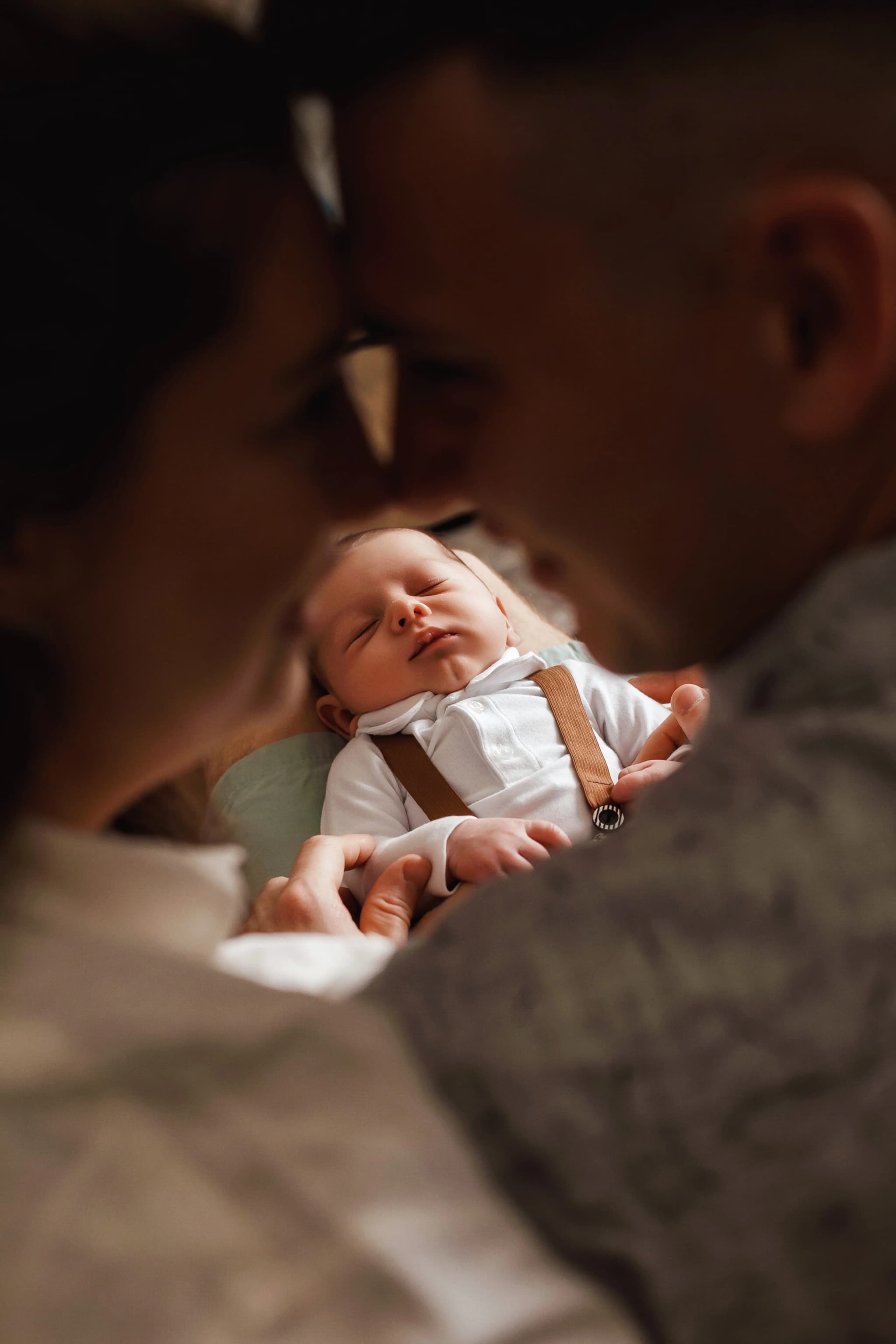
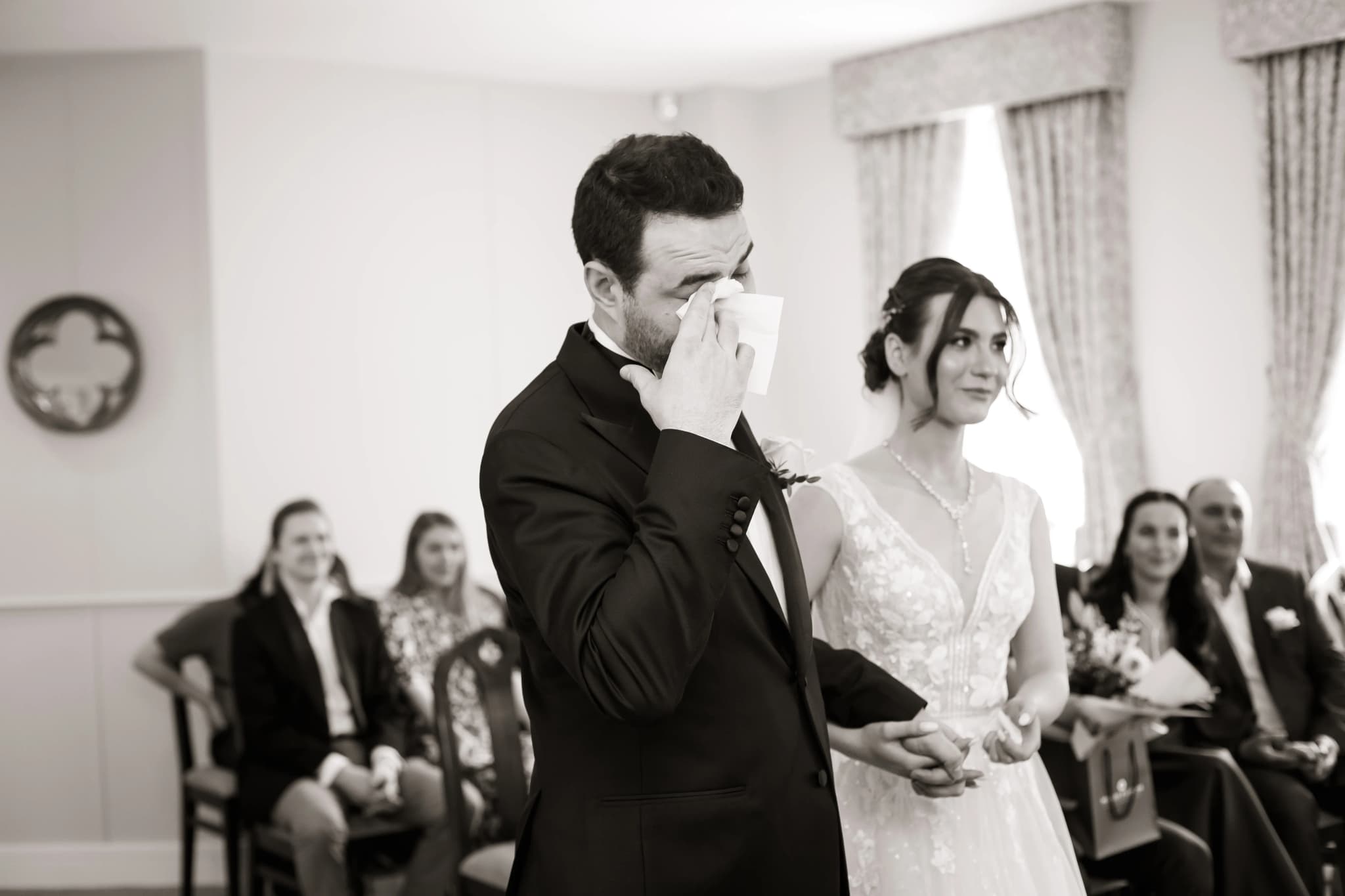
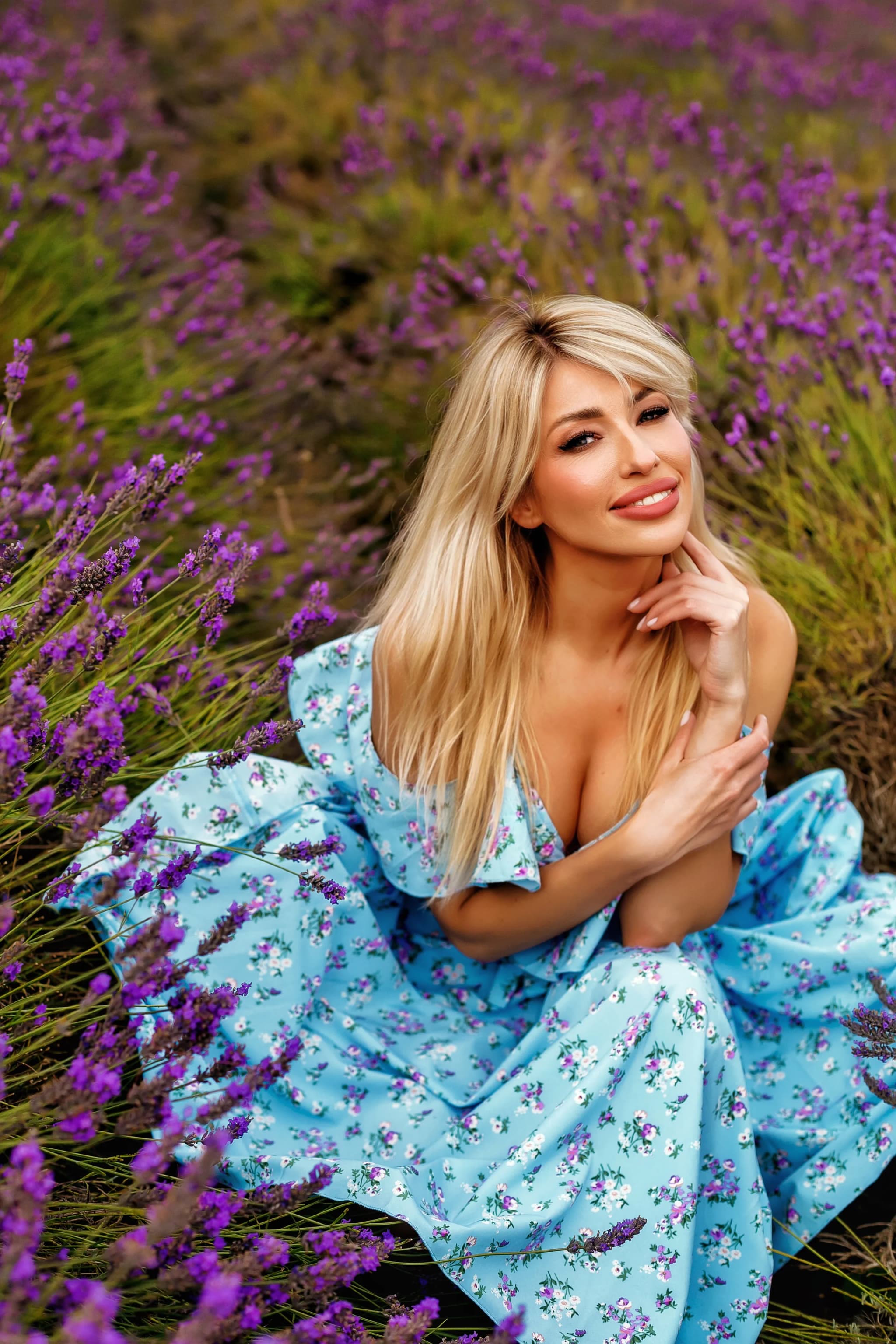
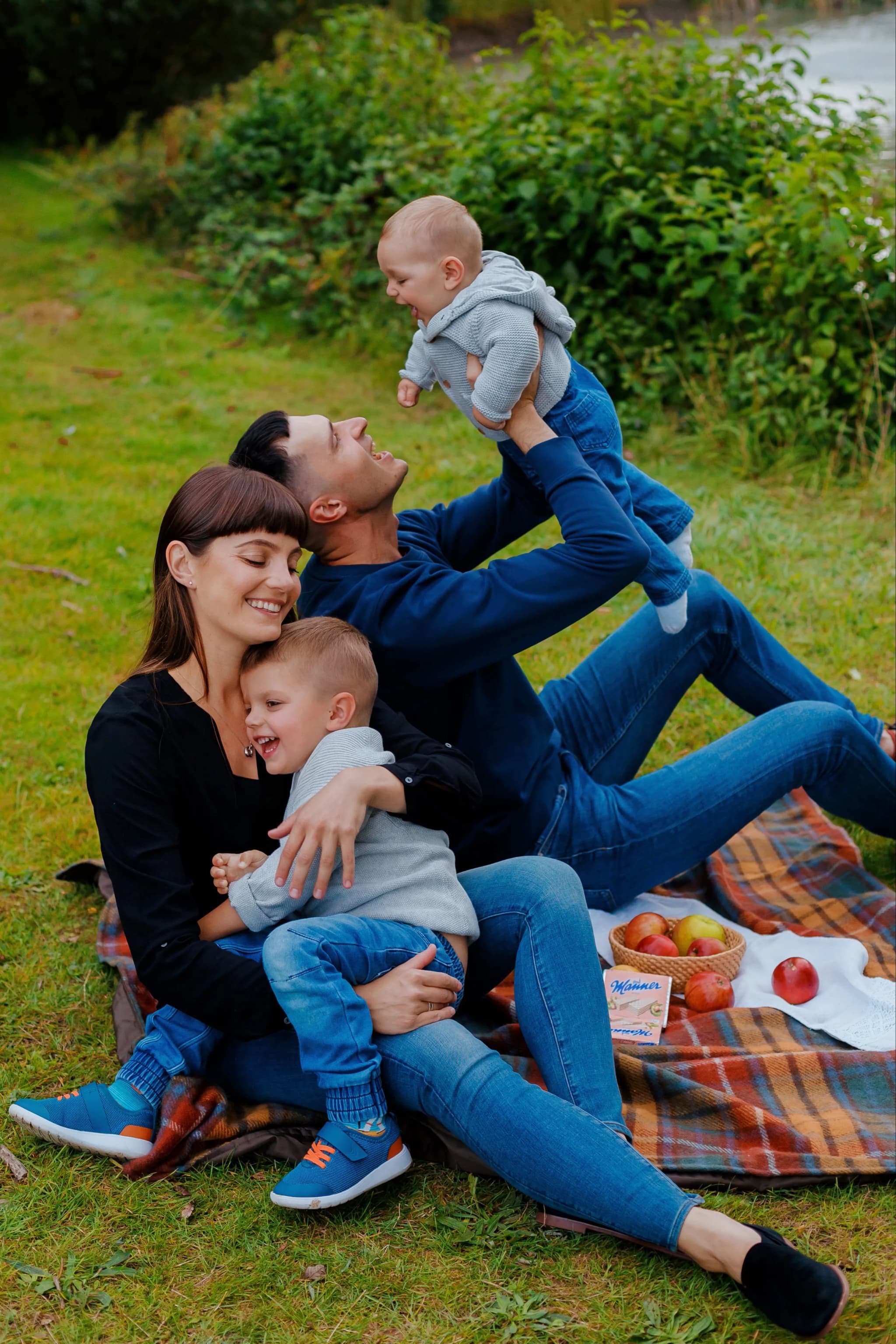
I carefully curate every gallery to deliver only your strongest, most beautiful images — thoughtfully selected and sequenced to tell the story of your day. No filler, no duplicates — just a collection of photographs that captures every emotion, detail, and moment that matters most.