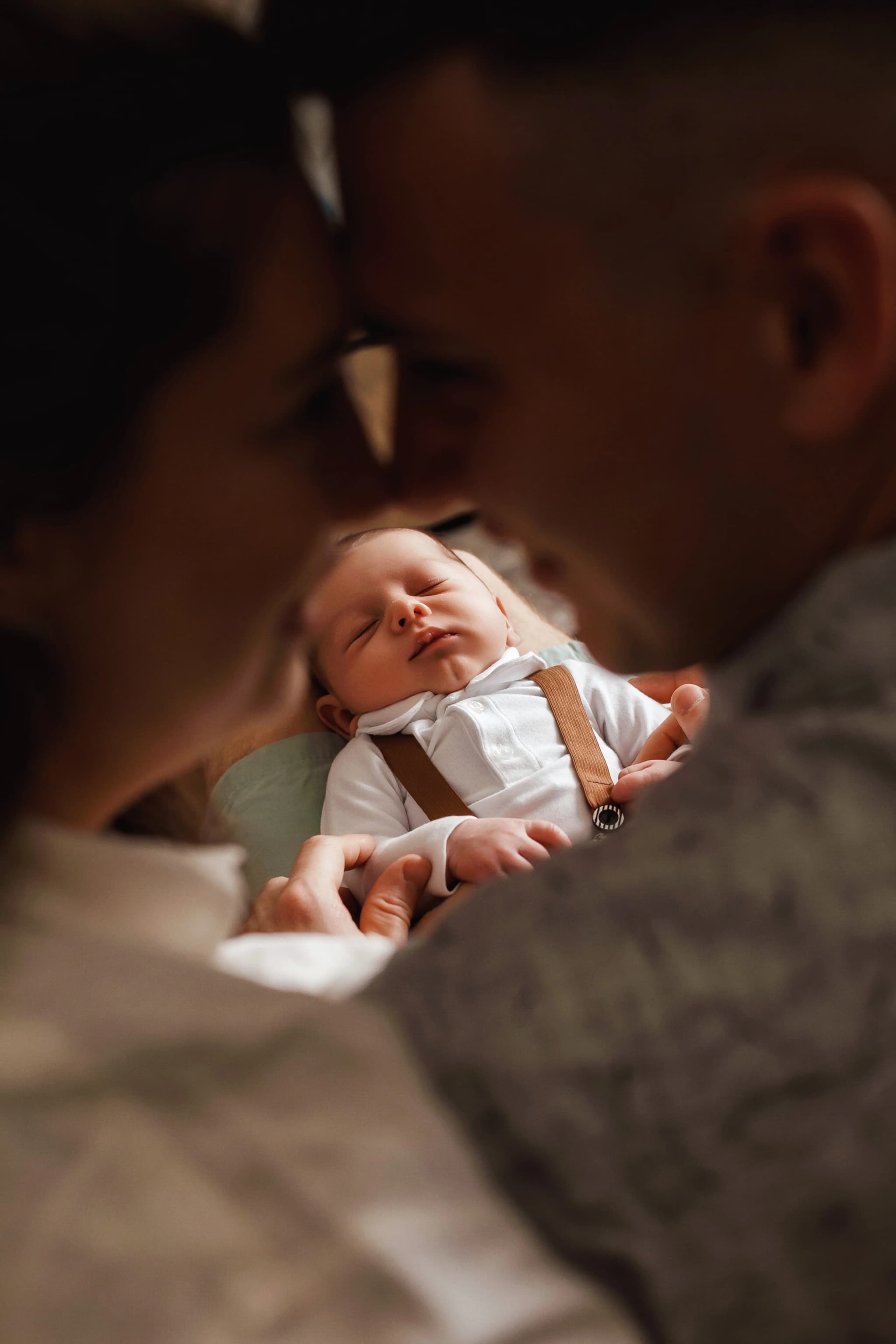
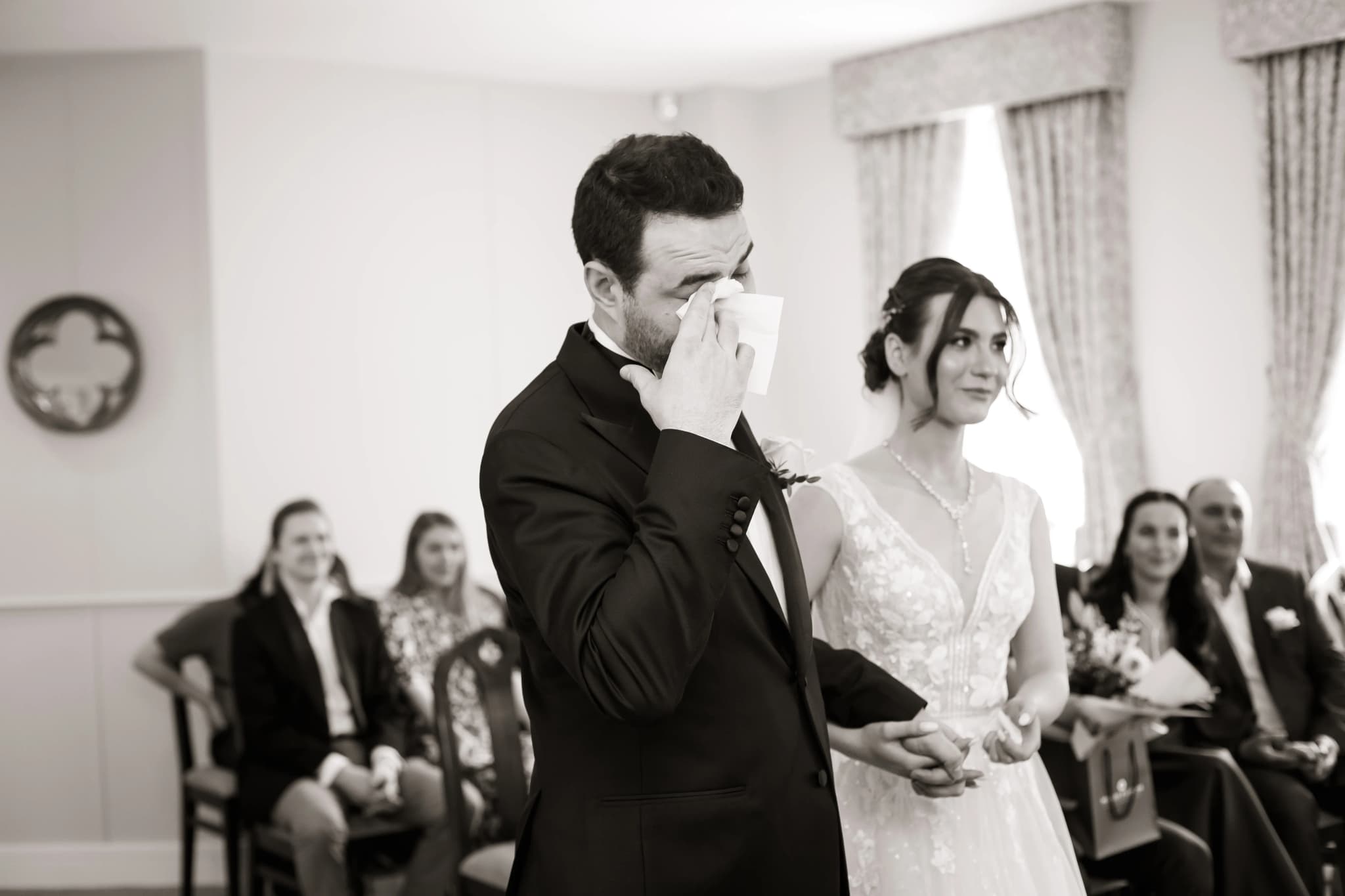
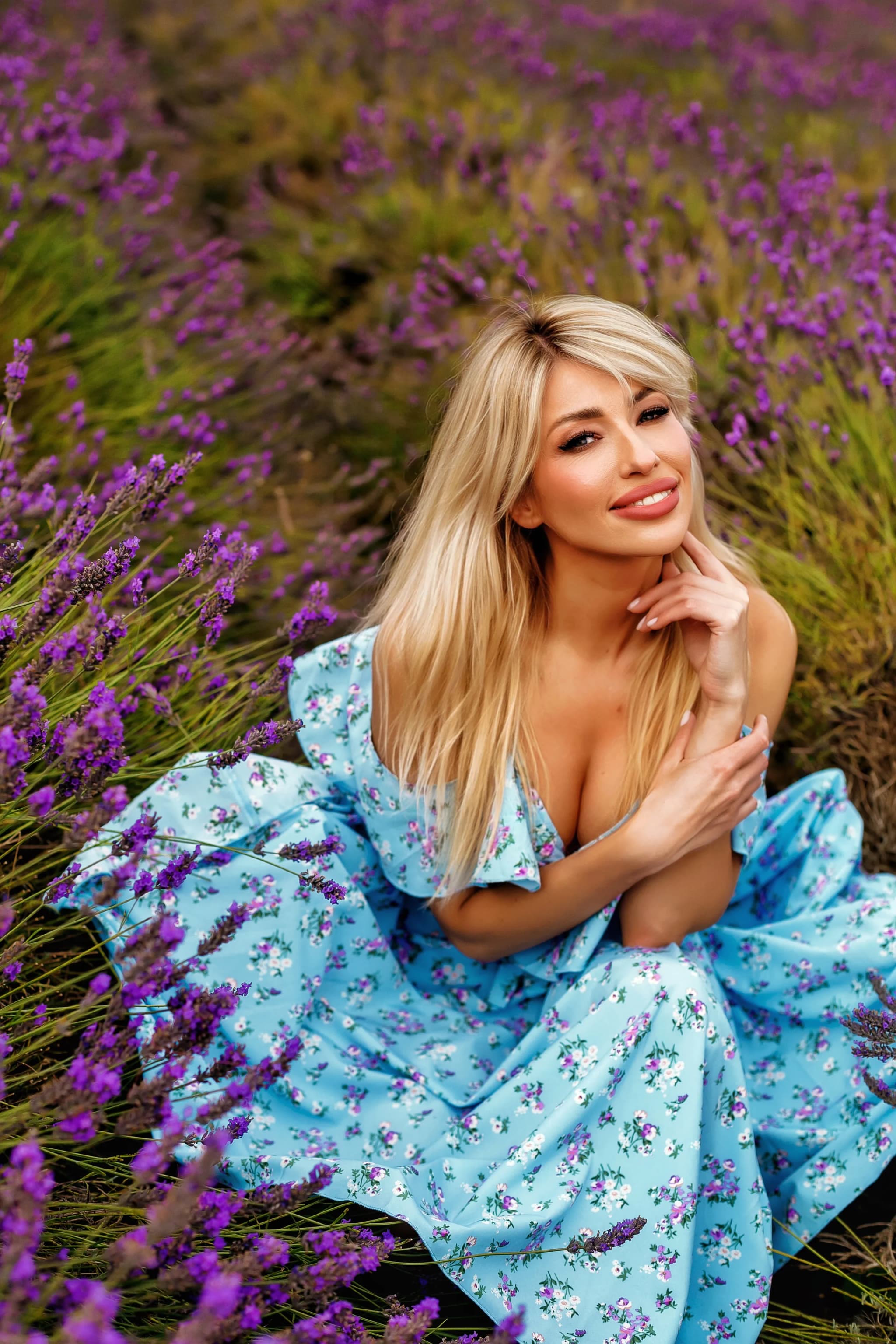
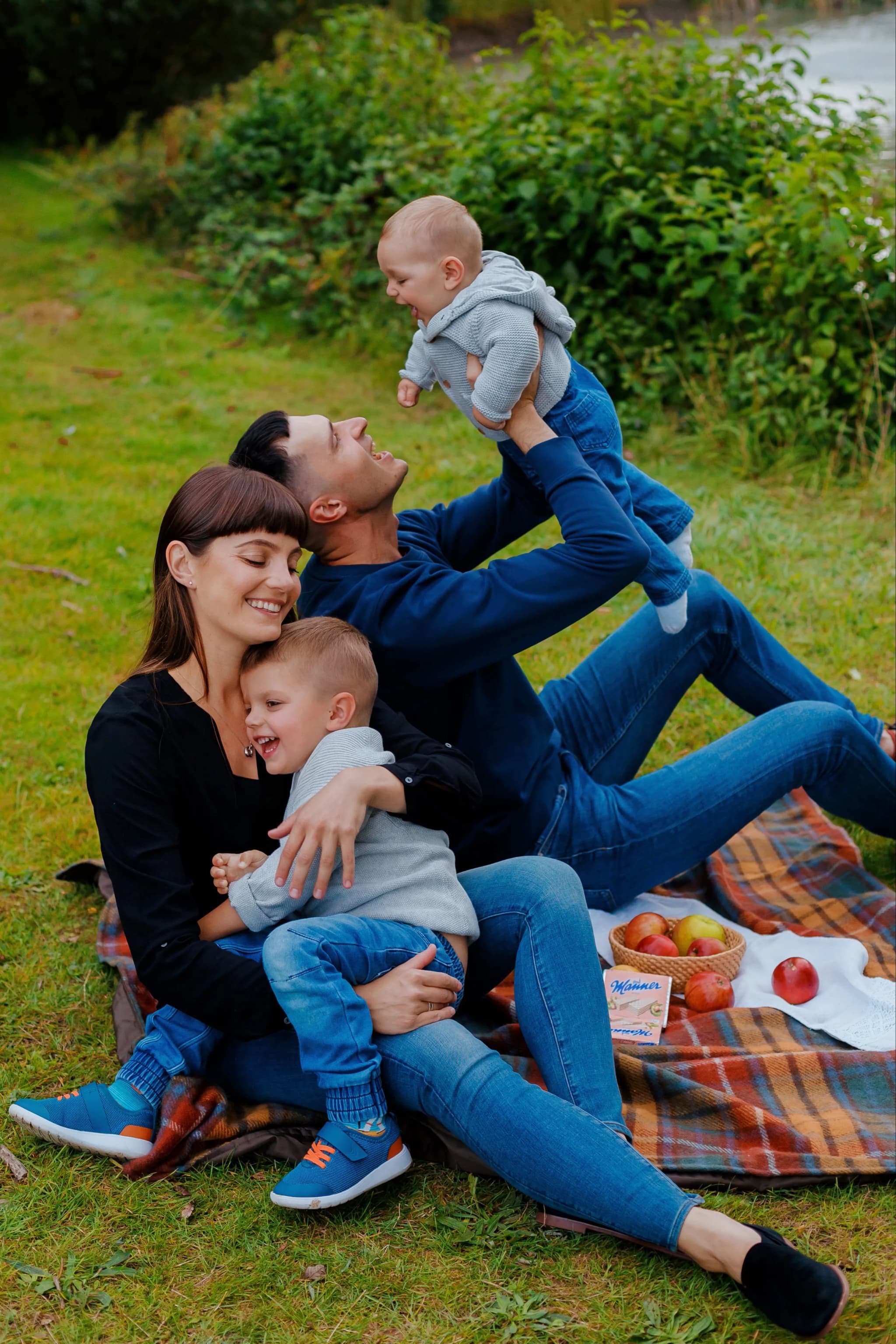
A diffuser softens light. That's the entire premise — and it's transformative. Hard, direct sunlight creates harsh shadows, unflattering contrast, and squinting subjects. Pass that same sunlight through a diffusion panel, and it becomes soft, wrapping, and beautiful. The shadows soften, the highlights smooth out, and skin looks luminous instead of shiny. This guide covers every type of diffuser, how to use them in portrait and wedding photography, and why mastering diffusion is one of the most impactful skills in lighting.
Why Light Needs Diffusing
The quality of light depends on the relative size of the light source compared to the subject. A small light source (the bare sun, an uncovered flash, a bare bulb) produces hard light — sharp shadow edges, high contrast, visible skin texture. A large light source (overcast sky, a large softbox, a diffusion panel between the sun and the subject) produces soft light — gradual shadow transitions, lower contrast, smoother skin rendering.
A diffuser works by taking a small, distant light source (the sun) and transforming it into a large, close light source (the illuminated diffusion panel). The panel becomes the effective light source — and because it's large relative to the subject and close to them, the light wraps around facial contours rather than cutting across them.
Types of Diffusers
Translucent Diffusion Panel (Scrim)
A large translucent fabric panel held between the sun and the subject. Most 5-in-1 reflector kits include one as the inner panel. Dedicated scrims (like the Lastolite Skylite) come in larger sizes (up to 2m × 2m) for full-body coverage.
- Effect: transforms harsh direct sunlight into soft, even, directional light. The sun's character (direction, colour) is preserved, but the harshness is removed.
- Use distance: hold as close to the subject as possible without appearing in frame. The closer the diffuser to the subject, the softer the light.
- Light loss: typically 1-2 stops depending on the material density.
Flash Diffuser (On-Camera)
A small dome, cup, or bounce card that attaches to an on-camera speedlight. Examples include the Gary Fong Lightsphere, the MagMod MagSphere, or a simple white business card rubber-banded to the flash. These spread the flash output in multiple directions, bouncing off ceilings and walls to produce softer, more omnidirectional light.
- Effect: reduces the harshness of direct on-camera flash. The light reaches the subject from multiple angles (bounced from ceiling, walls, and the diffuser itself).
- Limitation: only effective in rooms with white or light-coloured ceilings. Outdoors, with nothing to bounce off, most on-camera diffusers are minimally effective because they just make the flash a slightly larger (but still small) light source.
Softbox (Studio or Off-Camera Flash)
The most common studio diffuser — a shaped enclosure (square, rectangular, or octagonal) with an inner baffle and an outer diffusion panel. The flash fires into the inner baffle, bounces and spreads, then passes through the outer panel. The result is soft, controlled, directional light.
- Sizes: 60cm for head shots, 90-120cm for half and full body, 150cm+ for group lighting.
- Shape: rectangular softboxes produce catchlights that mimic windows. Octagonal softboxes produce rounder, more natural catchlights.
- Strip boxes: narrow rectangular softboxes (30 × 120cm) that create thin, directional light — ideal for rim lighting and edge highlights.
Umbrella (Shoot-Through or Reflective)
A shoot-through umbrella is a translucent white umbrella placed between the flash and the subject — the flash fires through it, and the umbrella acts as a diffuser. A reflective umbrella (silver or white interior) has the flash firing away from the subject, bouncing off the umbrella surface back toward the subject.
- Shoot-through: extremely soft, very wide spread. Light goes everywhere — hard to control spill, but beautifully soft. Quick to set up. Ideal for on-location work.
- Reflective: more directional than shoot-through. Light is bounced and somewhat focused. More control over where the light falls. Silver reflective umbrellas add specular quality.
Beauty Dish with Diffusion Sock
A beauty dish produces semi-hard, punchy light. Adding a fabric diffusion sock over the front softens the output significantly — keeping the character and directional quality of the beauty dish but smoothing the shadow edges. This is a favourite for fashion and bridal beauty portraits.
Using Diffusers in Wedding Photography
Outdoor Portraits in Harsh Sun
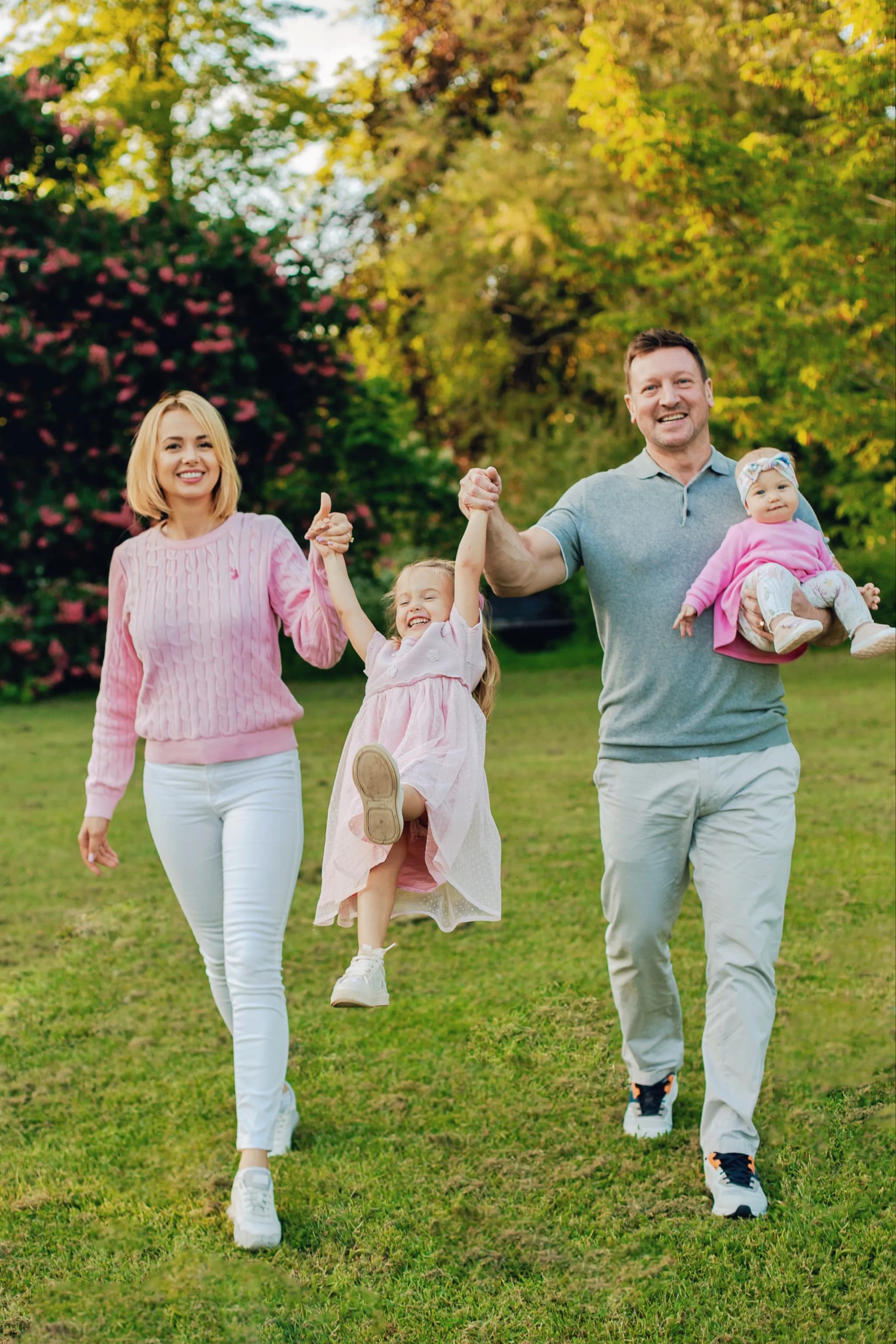
Hold a large diffusion panel above and slightly in front of the couple. The panel shades them from direct sun and converts the light into a soft, even glow. The result: no squinting, no harsh shadows under noses and eyes, no overexposed highlights on foreheads. This is the single most useful diffuser technique for wedding photographers.
Getting-Ready Window Light
If the window light is too harsh (direct sun coming through), hang a white sheet or hold a diffusion panel over the window. The light softens immediately — wrapping around the bride's face and figure with the directional quality of window light but the softness of an overcast sky.
Flash Diffusion at Receptions
During the reception — speeches, first dance, cake cutting — bounce flash off the ceiling through a diffuser cap for soft, even illumination that doesn't blind guests or create harsh on-camera flash signatures. If the ceiling is high or dark, use an off-camera flash with a small softbox positioned to the side for a softer, more directional result.
Detail Photography
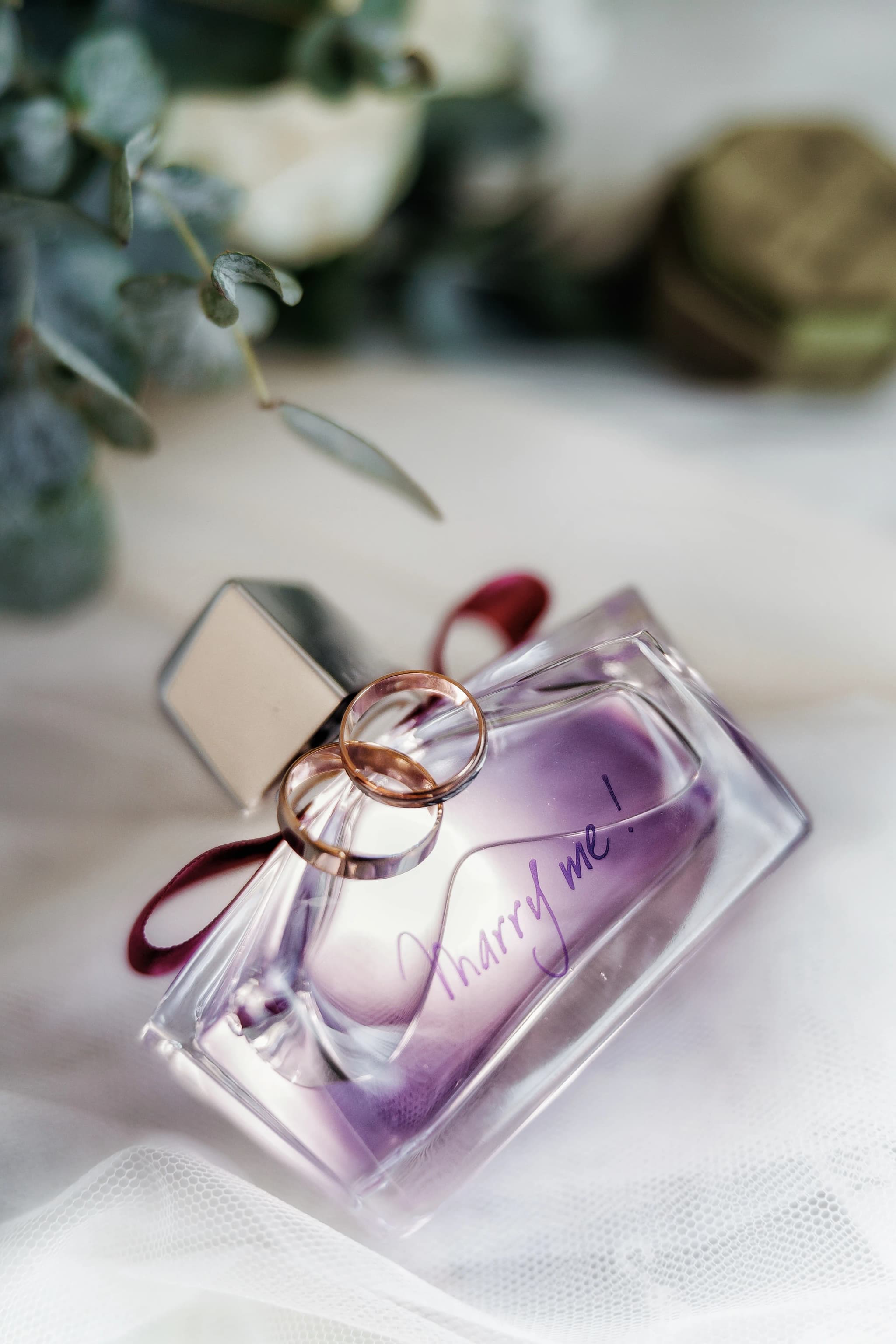
For ring shots, stationery flat lays, and shoe details, a small piece of diffusion material (a sheet of tracing paper, a translucent lid) held between a window or flashlight and the subject creates soft, even illumination that reveals texture without harsh shadows or blown highlights.
Key Principles of Diffusion
- Size relative to subject: the larger the diffuser (relative to the subject), the softer the light. A 2m scrim above a person's face is enormous and produces incredibly soft light. The same scrim from 10 metres away is tiny relative to the subject and produces harder light.
- Distance to subject: bring the diffuser as close as possible. Every centimetre closer makes the diffuser appear larger relative to the subject, and the light softer.
- Distance from light source: the diffuser should be close to the subject, not close to the light source. If the diffuser is right against the flash but 3 metres from the subject, it's still a small source and the light is still relatively hard.
- Light loss: every diffusion layer absorbs light. Plan for 1-2 stops of light loss per layer. Increase ISO, widen aperture, or increase flash power to compensate.
- Colour neutrality: quality diffusion materials are neutral white. Cheap materials may have a yellow or blue tint that shifts skin tone colour. Test before a shoot.
DIY Diffusion Solutions
- White bed sheet: two assistants holding a white sheet above the couple creates an enormous, beautiful diffuser. The light is soft, even, and wrapping.
- Shower curtain (frosted): a cheap frosted shower curtain from any home store is excellent diffusion material.
- Tracing paper / parchment paper: for tabletop and detail work, a sheet of tracing paper held between a lamp and the subject produces beautiful soft light.
- White plastic carrier bag: in an emergency, a white plastic bag over a flash produces surprisingly acceptable diffusion.
Soft, sculpted, beautiful light — diffused, reflected, and shaped to flatter every face.
Professional lighting mastery that transforms every portrait, in every condition — from harsh midday sun to dark reception halls. View portrait portfolio and enquire.