A mood board is the most effective way to communicate your visual preferences to your photographer before a shoot. Words are imprecise — "natural," "editorial," "romantic," "moody" mean different things to different people. A mood board eliminates ambiguity. It shows, rather than tells, what you're drawn to: the lighting, the colours, the poses, the overall feeling. This guide walks you through creating one that actually helps your photographer deliver exactly what you want.
Why Mood Boards Matter
Photographers see the world through their own creative lens. Without reference material, they'll produce work in their default style — which may or may not align with your vision. A mood board bridges this gap. It tells your photographer:
- What colour palette appeals to you (warm earth tones? cool blues? high contrast black and white?)
- What level of formality you want (highly posed and polished? completely candid? a mix?)
- What emotional tone you're aiming for (playful and energetic? intimate and calm? dramatic?)
- What specific compositions or poses catch your eye
- What you explicitly don't want
Where to Gather Inspiration
The most popular tool for photography mood boards — and for good reason. Pinterest's visual search algorithm is sophisticated: pin one image you love, and it surfaces dozens of related images. Create a dedicated board for your session, add 15–30 pins, and share the link with your photographer.
Tips for effective Pinterest use:
- Search for your specific session type: "autumn couple portraits," "studio maternity shoot," "natural light family beach session."
- Save images from photographers whose work you admire — not just posed inspirations but behind-the-scenes lighting setups and location references too.
- Pin images that show the overall mood, not just poses. A landscape photo that captures the light you love is as useful as a portrait reference.
Browse photographers' feeds, save posts to collections, and share those collections. Instagram's save-to-collection feature works well for quick curation. Look at both the images you save and the commonalities between them — do they all share warm tones? Window light? Close crops? Those patterns reveal your actual preferences.
Magazines and Film
Fashion magazines, film stills, and art photography books are underused sources of mood board material. A single frame from a film that captures the light and mood you want can be more useful than twenty Pinterest pins of explicitly "photoshoot" images. Think about films you love visually: the colour grading, the framing, the atmosphere.
Your Own Photos
Scroll through your camera roll. Which of your own casual photos do you love most — and why? The answer reveals preferences you might not articulate otherwise. "I love this one because the light is golden and soft" tells your photographer to shoot during golden hour. "I love this one because I'm laughing naturally" tells them to prioritise genuine moments over posed ones.
What to Include on Your Mood Board
A useful mood board communicates across several categories:
Lighting References
Lighting determines the mood of a photograph more than any other factor. Include examples showing:
- Natural light vs. flash: Do you prefer soft, available light or the crispness of controlled studio/flash lighting?
- Time of day: harsh midday sun, soft overcast, golden hour warmth, dramatic low-light evening?
- Direction: backlit (light behind the subject, creating a glow), side-lit (dramatic shadows), front-lit (even, clean)?
Colour and Tone
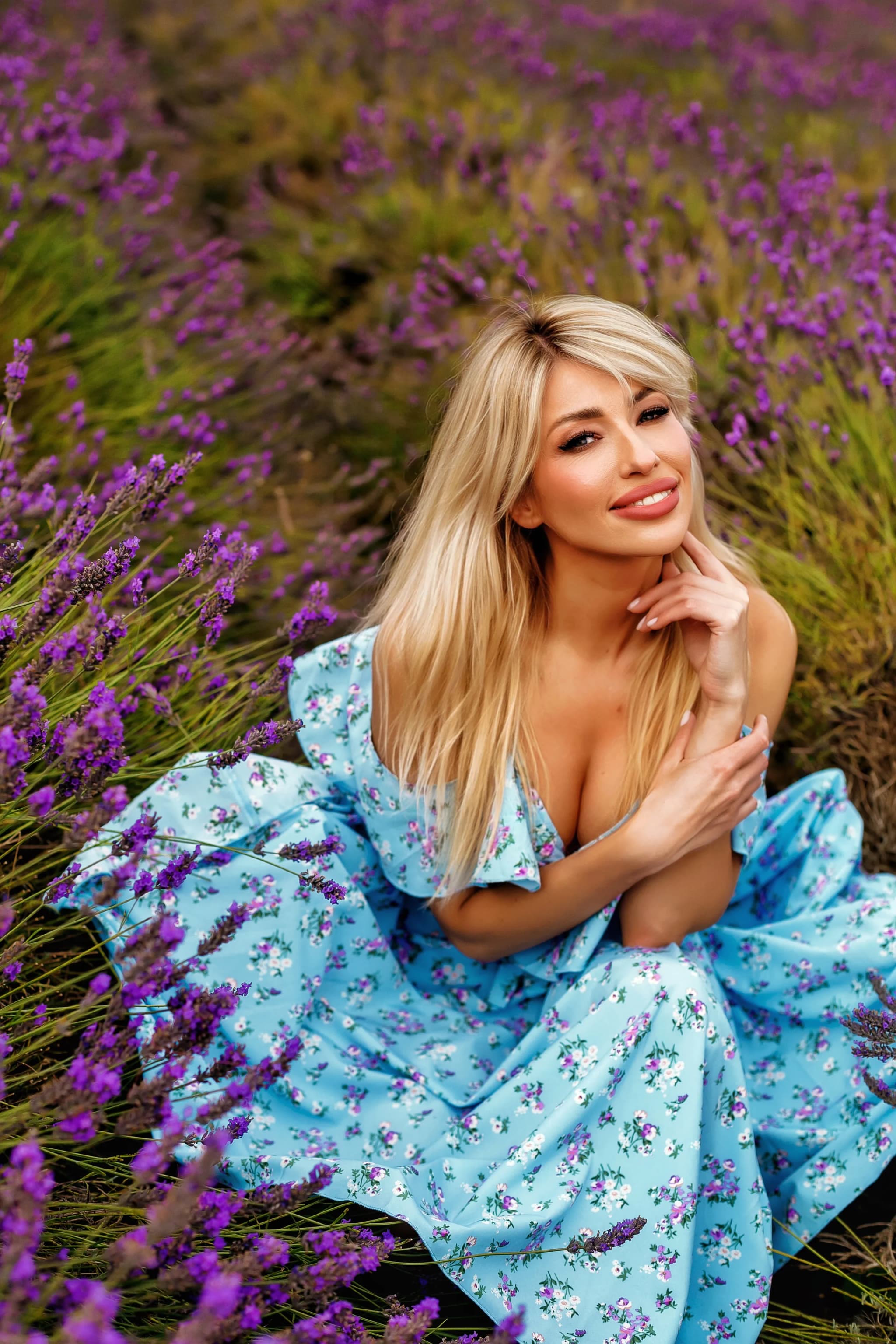
- Warm tones (oranges, reds, golden) vs. cool tones (blues, greens, silvery)
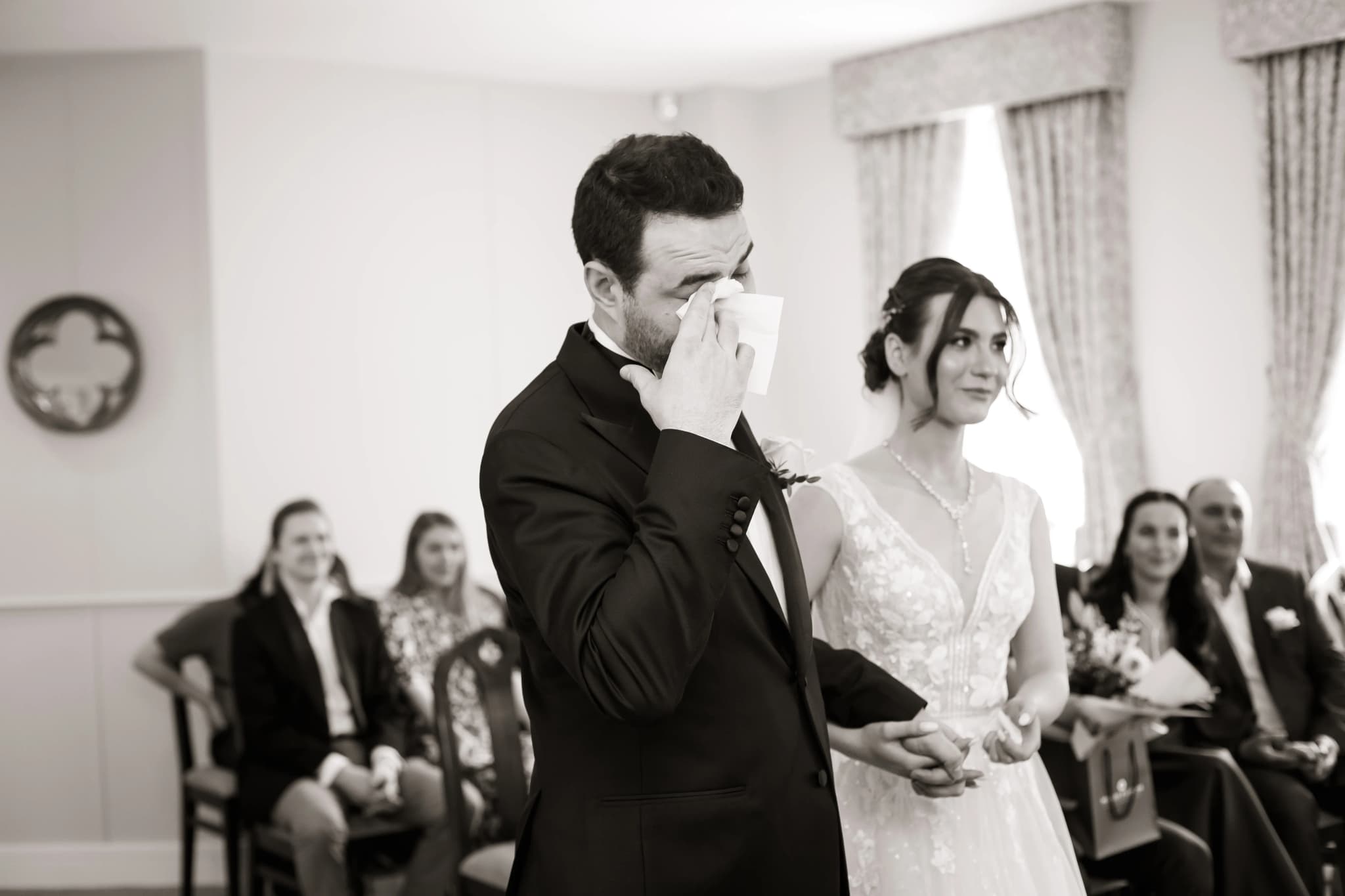
- High contrast (deep blacks, bright whites) vs. low contrast (soft, faded, matte)
- Saturated (vivid, punchy colours) vs. desaturated (muted, pastel, earthy)
- Colour or black and white — or a mix of both
Poses and Body Language
Show your photographer the kind of physical interactions and positions you're comfortable with. This is especially important for couples and family sessions. Are you drawn to:
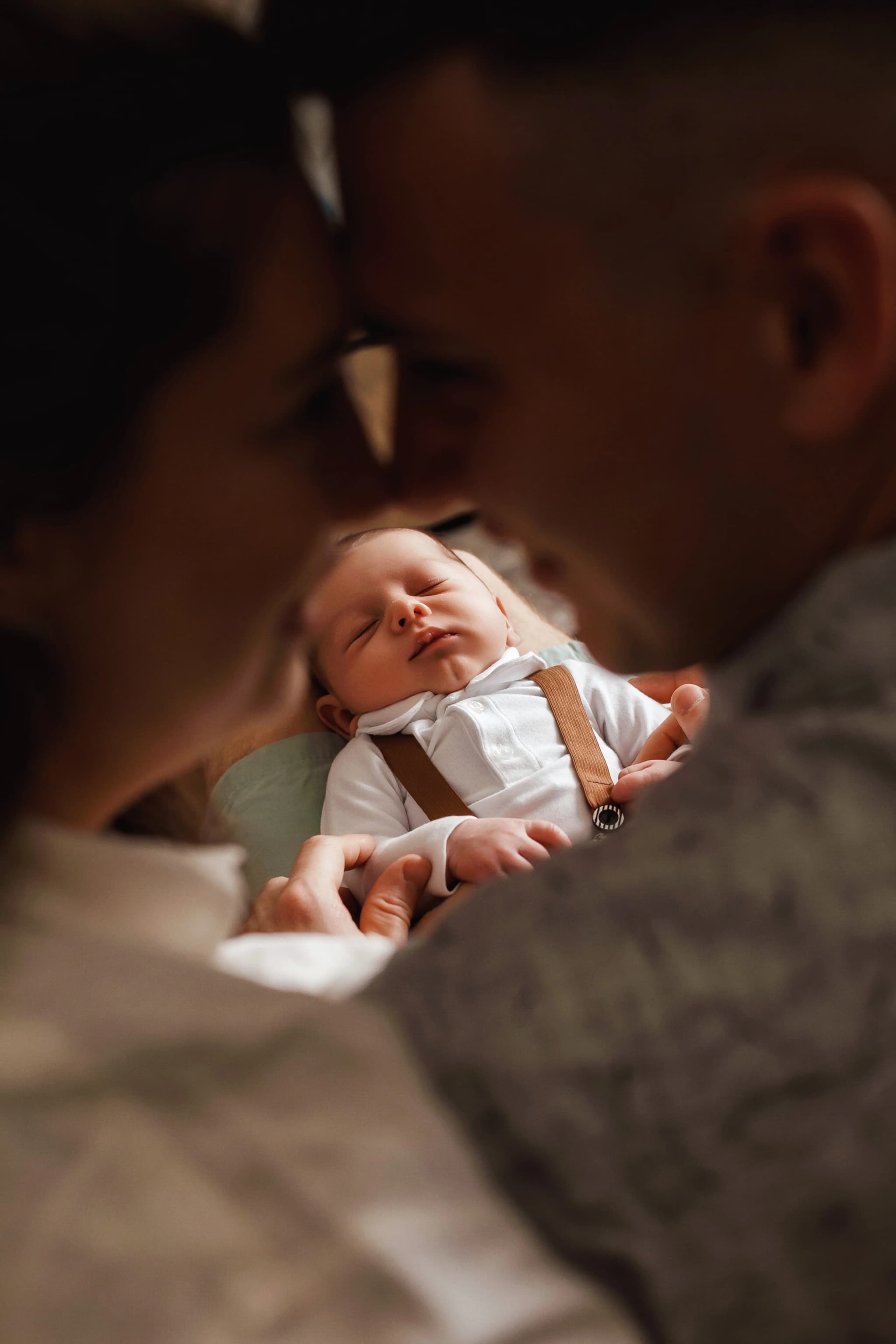
- Intimate, close poses (foreheads touching, arms wrapped around each other)?
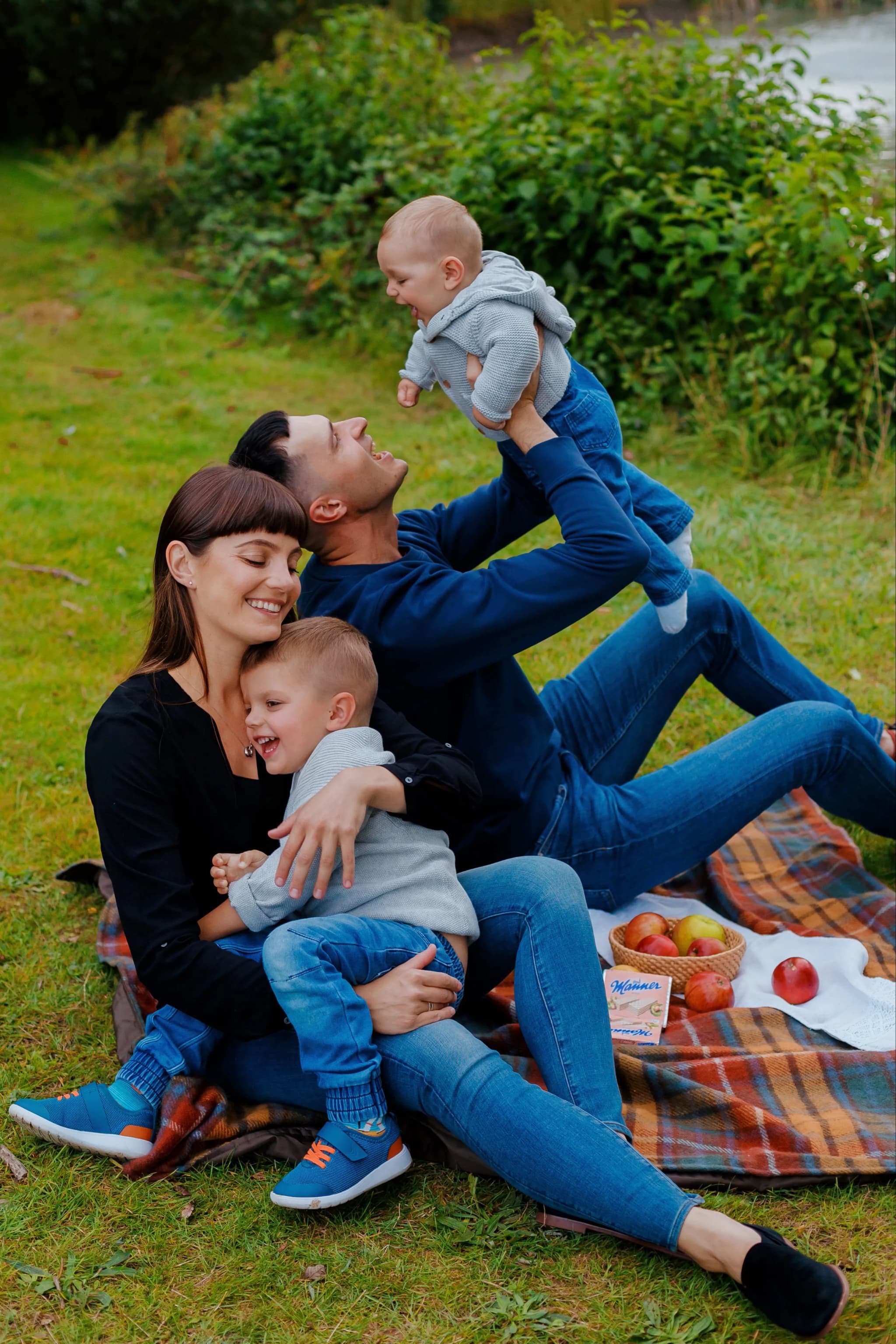
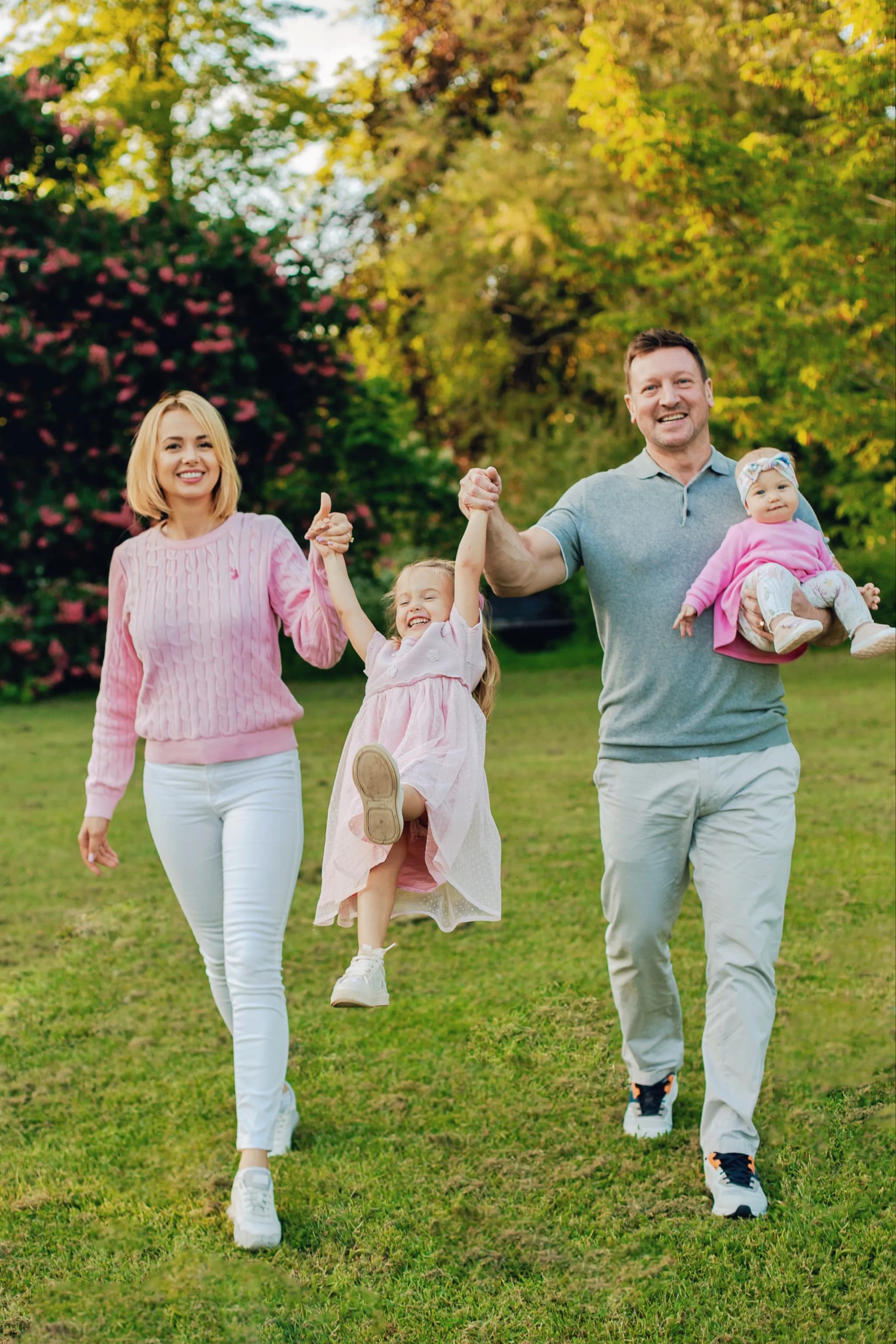
- Walking together, holding hands, movement?
- Sitting, reclining, casual?
- Looking at the camera vs. looking at each other?
- Formal, structured poses or loose, candid interactions?
Location and Setting
If you haven't finalised your shoot location, include images showing the type of environment you want: urban architecture, open fields, woodland, studio backdrop, interior rooms, waterfront. If you have finalised the location, include photos of that specific place at different times of day so your photographer can plan lighting.
Styling and Details
Outfits, accessories, props, flowers — anything that contributes to the visual story. These references help your photographer anticipate the colour palette and visual texture of the day and plan compositions accordingly.
How Many Images to Include
More than 5 — enough to establish patterns. Fewer than 30 — not so many that the message becomes diluted. The sweet spot is 15–20 images that collectively paint a clear picture of what you want. If your mood board has 50 images pulling in different directions, it's less useful than 12 cohesive ones.
What Not to Include
- Heavily filtered or Photoshopped images: unless you want your photographer to attempt heavy post-production work (which may not align with their style), stick to references that reflect actual photography rather than extreme digital manipulation.
- Locations you won't be shooting at: a gorgeous clifftop sunset in Bali is inspiring, but if you're shooting in a Cambridge park in November, it sets unachievable expectations.
- Images from completely different styles: if half your board is bright and airy and half is dark and moody, the message is unclear. Choose a direction.
How to Share Your Mood Board
The most effective methods:
- Pinterest board link: the easiest for both of you. Share the link via email or messaging.
- Google Drive or Dropbox folder: upload saved images to a shared folder. Useful if your references come from multiple sources.
- Instagram saved collection: share the link to a saved collection (note: this requires both parties to have Instagram).
- PDF or collage: tools like Canva let you arrange images into a single-page visual overview — clean and professional, especially if you want to add notes.
Share your mood board at least one week before your session — ideally at the planning consultation. This gives your photographer time to study your references, plan lighting, consider location options, and prepare accordingly.
Using the Mood Board During the Shoot
A good photographer will reference your mood board during the session — pulling it up on their phone between setups to check specific poses or compositions you highlighted. But the mood board is a starting point, not a rigid shot list. The best images from your session will likely be spontaneous moments that weren't on any board — they'll just happen to share the same feeling and aesthetic that your mood board established.
Love building mood boards? I'd love to see yours.
Sharing your visual references helps me create images that match your vision precisely. Let's plan your session.