Yana Skakun
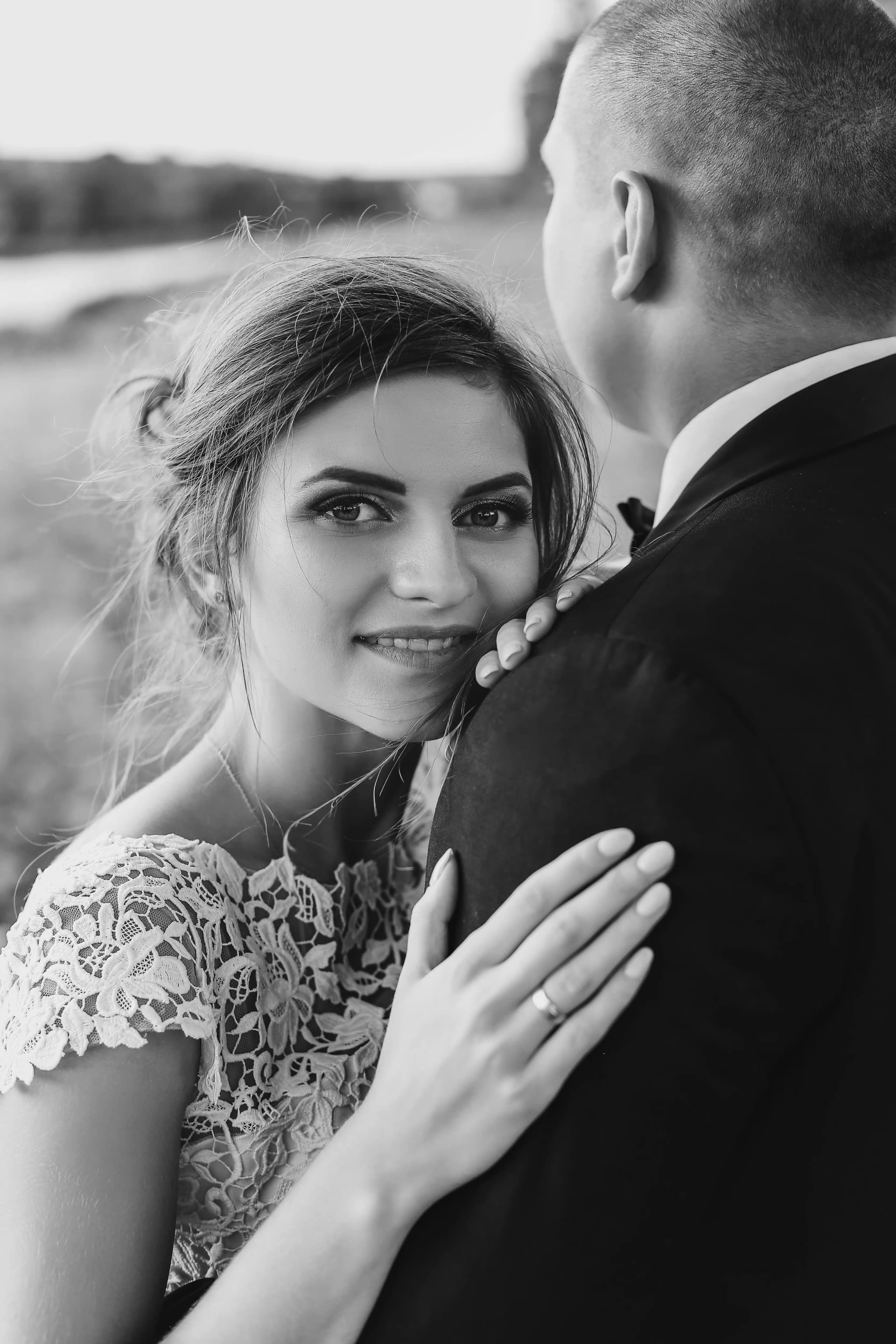
Portrait Photography for Camera-Shy People: How to Get Beautiful Results
By Yana Skakun·27 March 2026·7 min read
If you hate having your photo taken, you are not alone. A significant proportion of the people booked for portrait sessions — whether family portraits, headshots, or personal brand shoots — arrive at least somewhat dreading the experience. The good news is that the feeling almost always changes within the first ten minutes, and the results rarely resemble what camera-shy people fear they will look like. Here is why — and how to make the experience work for you.
Why most people feel camera-shy
Camera shyness almost always stems from the same source: experience of unflattering candid photographs — a snapshot at a party, a bad angle on someone else's phone, a passport photo taken in a booth. These images fuel the belief that cameras reveal something unflattering that better mirrors cannot.
Professional portrait photography is structurally different from casual photography. Lighting is chosen to complement your features, not expose them. Angles are deliberate — the camera is rarely below eye level. Expressions are guided, not caught mid-movement or mid-sentence. The worst candid photograph you have ever seen of yourself was likely taken by someone who was not thinking about light, angle, or timing. Portrait photographers think about nothing else.
Tell your photographer before you start
This is the single most useful thing you can do. If your photographer knows you are nervous, they will adapt their communication style, take more time between shots, provide more directional guidance, and show you images as you go so you can see early that the experience is going better than expected.
Without this information, a photographer may work quickly, assume confidence that is not there, and create an environment where you feel more exposed rather than less. The information that you are nervous is professionally useful, not something to be embarrassed about.
Also mention anything specific: if you dislike a particular angle, have a feature you are self-conscious about, or have had bad experiences with photography before. A good portrait photographer will adapt without making a point of it.
What helps during the session
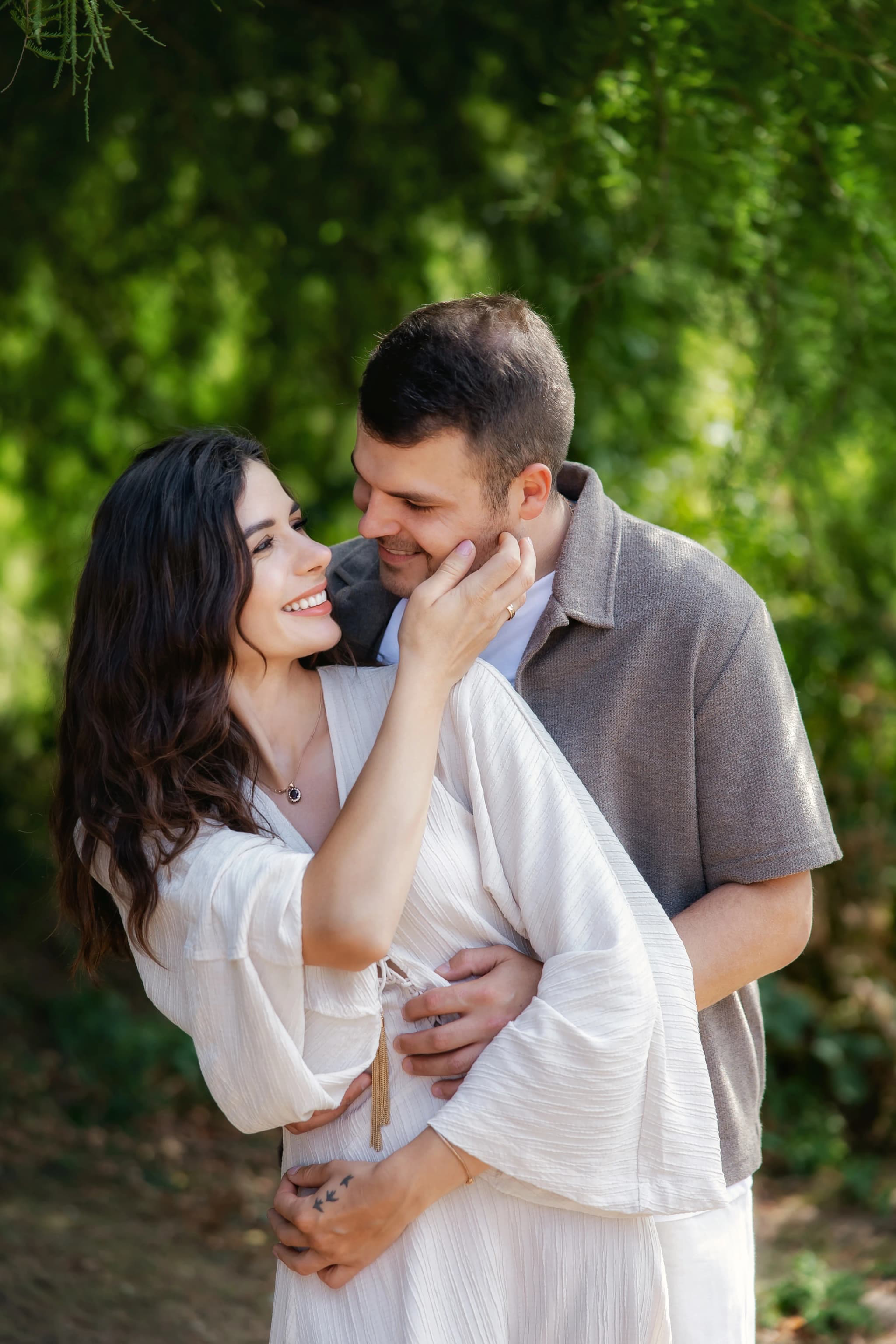
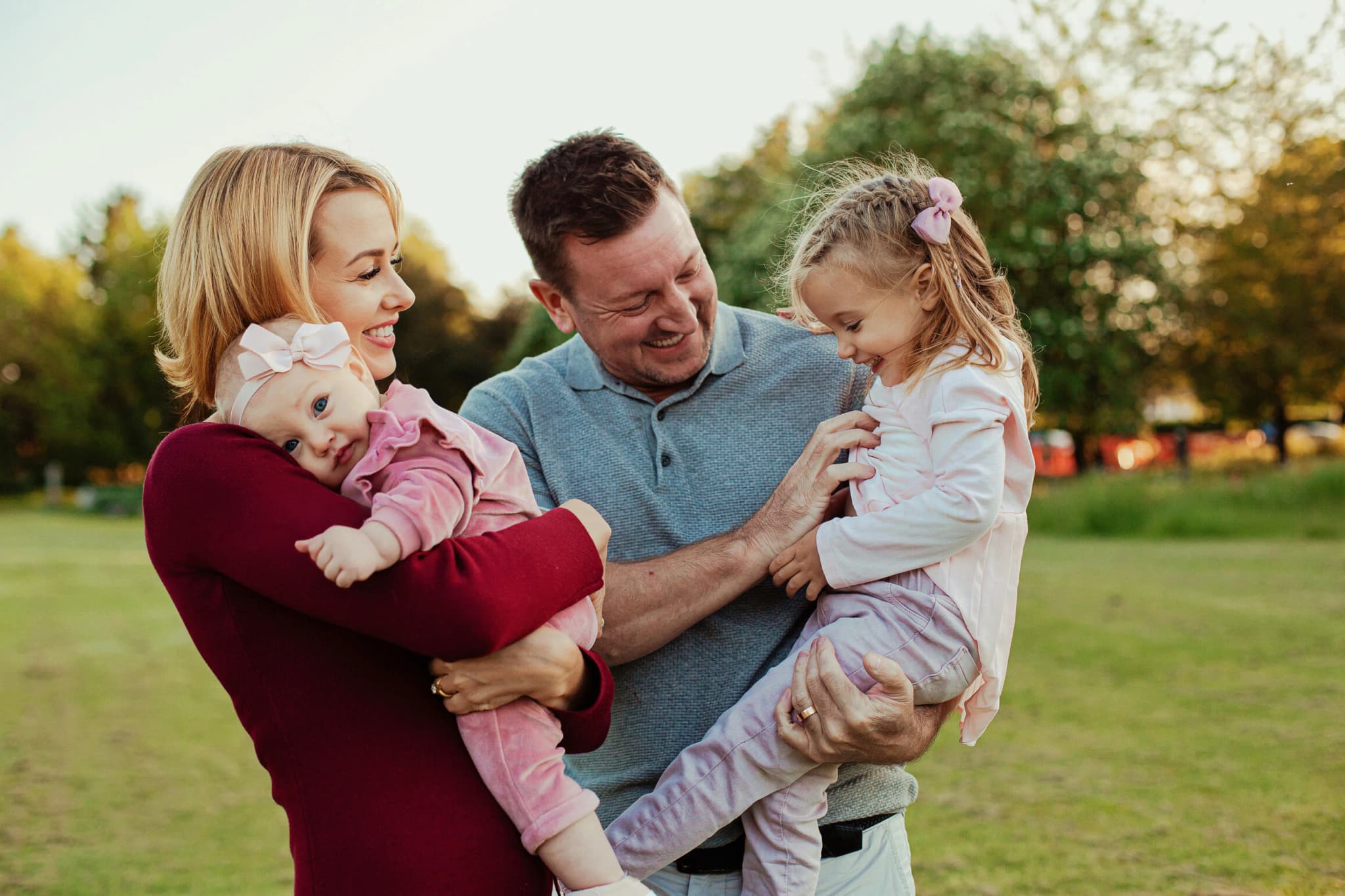
Movement creates more natural expressions than static posing. Rather than being asked to stand and look at a camera, expect to be directed to walk slowly, turn slightly, laugh genuinely at something, or interact with the people you are being photographed with. These movement-based directions produce more natural images than the “stand still and smile” instruction that most people dread.
Conversation helps. Photographers who talk to their subjects throughout — asking questions, sharing observations, sometimes just saying something absurd — are working to keep your attention off the camera and in a genuine emotional state that produces real expression.
Allow the first few minutes to be the warm-up period they are. No experienced portrait photographer expects someone to arrive fully relaxed. The tension that shows in the first five frames almost always softens as people stop anticipating the camera and start engaging with the process.
Practical things that help
- ◆Choose an environment you feel at ease in. A familiar park or a meaningful location is often more comfortable than an unfamiliar studio.
- ◆Bring someone you trust if the session format allows it — a friend or partner who makes you laugh.
- ◆Wear something you feel good in. Comfort and confidence in your outfit matter.
- ◆Avoid scheduling the session at a time when you will be rushed or stressed.
- ◆Look at the photographer's portfolio beforehand if possible — seeing how they have treated other real, non-model people can be reassuring.
What usually happens
The experience most camera-shy people report after a professional portrait session is surprise: surprise at how low-key the process was, at how quickly they forgot about the camera, and most often, at how the images look. The photographs that professional photographers deliver consistently look more like how people feel on a good day rather than the candid worst moments that have conditioned the fear.
The gap between how camera-shy people expect to look in photographs and how they look in their gallery is one of the most consistent outcomes in portrait photography. It is worth allowing the experience to prove the assumption wrong.
Let's talk first
If you are camera-shy and not sure whether a portrait session is right for you, happy to have a no-pressure conversation before any commitment. Get in touch and we can work out whether it will suit you.

Yana Skakun
Photographer · England
Professional wedding, family and portrait photographer based in England. Passionate about capturing authentic emotions and timeless moments.
About Yana →camera shy portrait photographynervous in front of camera tipshow to feel natural portrait photosportrait photography hate photos
Photography Tips — Professional Photography in Cambridge & England
Yana Skakun is a professional photographer based in Cambridge, specialising in wedding, family, and portrait photography across England. Every session is personal — planned around your story, your people, and the moments that matter most. This guide — Portrait Photography for Camera-Shy People: How to Get Beautiful Results — is part of the photography journal: practical, experience-based advice drawn from real sessions across England. Whether you arrived searching for camera shy portrait photography or nervous in front of camera tips, the same care and attention shapes every session Yana photographs.
Professional Photography sessions are available year-round, with bookings open across Cambridge, Ely, Huntingdon, Peterborough, and further afield — East England, London, the Midlands, and beyond. If you have specific questions about how to feel natural portrait photos, mention it in your enquiry. Get in touch through the contact form above to check availability and discuss your session. Enquiries are welcomed from anywhere in the UK.
Frequently Asked Questions
What camera settings should I use for outdoor portraits?+
For outdoor portraits, shoot in aperture priority mode. Use a wide aperture (f/1.8–f/2.8) to blur the background and isolate your subject. Keep ISO as low as possible in good light. In bright conditions, use a neutral density filter or switch to manual to avoid overexposure at wide apertures.
What is the golden hour in photography?+
Golden hour is the period roughly 30–60 minutes after sunrise and before sunset. The sun is low in the sky, producing warm, soft, directional light that flatters skin tones and creates beautiful long shadows. It's widely considered the best natural light for portrait and outdoor photography.
How do you get sharp photos in low light?+
In low light, increase your ISO (accepting some grain), use the widest aperture your lens allows, and slow your shutter speed to the slowest you can hand-hold without camera shake (roughly 1/focal length as a guide). Use image stabilisation if available, and consider a tripod for static subjects.
What is the rule of thirds in photography?+
The rule of thirds divides the frame into a 3×3 grid. Placing your subject on one of the four intersection points — rather than dead centre — creates a more dynamic, visually interesting composition. It's a guideline, not a rule: some of the most powerful images break it deliberately.
How do you edit photos to look professional?+
Professional editing starts with shooting in RAW format. In Lightroom or similar software, correct exposure, white balance, and contrast first. Recover shadow and highlight detail. Apply gentle colour grading for mood. Be conservative with skin retouching — the goal is natural enhancement, not transformation. Consistency across a set of images is what separates professional from amateur editing.
Continue Reading
Related Articles

Photography Tips
Photography Gift Vouchers: The Most Personal Present You Can Give
5 min read · Read Article
Photography Tips
Photo Books vs Photo Albums: What Is the Difference and Which Is Better?
5 min read · Read Article
Photography Tips
Photo Gift Ideas: Turning Professional Images into Meaningful Presents
5 min read · Read Article
Get in Touch
Ready to Book Your Session?
Get in touch to discuss your vision — I'll reply within 24 hours.