Prism photography uses a glass prism held in front of the camera lens to bend, refract, and split light — creating rainbow flares, reflections, distortions, and abstract overlays directly in-camera. It's one of the simplest, cheapest, and most immediately rewarding creative techniques available. A single glass prism (costing less than £10) transforms ordinary portraits, wedding photographs, and street scenes into surreal, eye-catching images with a look that is difficult to replicate in post-processing.
Types of Prisms
Triangular Prism
The classic equilateral triangle prism — the most versatile and commonly used. It splits white light into rainbow spectra (the same effect as Pink Floyd's Dark Side of the Moon cover). Held at the right angle to a light source, it projects rainbow bands across the frame. Tilted differently, it creates reflections and distortions at the edges of the image.
Crystal Ball (Lensball)
A polished glass sphere that acts as a wide-angle refraction lens. Hold it in front of the camera and it captures an inverted, wide-angle miniature of the scene inside the ball, surrounded by soft bokeh. Crystal ball photography produces distinctive, immediately recognisable images.
Fractals and Multi-Faceted Prisms
Multi-faceted glass prisms (available as photography accessories) split the image into multiple overlapping copies. A kaleidoscope prism creates symmetrical repeating patterns. These produce more dramatic, psychedelic effects — popular for music photography, fashion, and editorial work.
Technique
Holding the Prism
Hold the prism with your non-shutter hand, pressed against or just in front of the lens. Angle it so one face catches light from a window, lamp, or the sun — this creates the rainbow flare. Rotate and tilt the prism slowly while looking through the viewfinder or live view. Small adjustments produce dramatically different effects. The prism can cover part of the lens (a third or half) or the entire front element — partial coverage keeps the subject sharp while adding flare and distortion to the edges.
Camera Settings
Use a wide aperture (f/1.4-f/2.8) to blur the prism edges into soft, smooth overlays. At smaller apertures, the prism edges become visible as hard lines. Use manual focus — autofocus may hunt as the prism confuses the AF system. Focus on the subject through the clear area of the lens, then bring the prism into position.
Light Sources
Prism effects are amplified by directional light. Backlight (sun behind the subject) creates the strongest rainbow flares. Side light creates visible spectra on one side of the frame. Point light sources (streetlamps, fairy lights, candles) produce beautiful refracted highlights. Indoor window light creates softer, more controlled effects.
Creative Effects
Rainbow Flares
Angle the prism to catch direct sunlight and project rainbow bands across the frame — across a portrait subject's face, through a landscape, or over a still life. The rainbow appears as a real, in-camera element with natural falloff and light behaviour that is very difficult to fake in post-processing.
Reflections and Double Images
One face of the prism reflects the surrounding environment into the frame — an upside-down or reversed reflection overlaying the main subject. Position the prism to reflect the sky, nearby lights, or colourful objects into the edge of the frame for a surreal, double-exposed effect.
Edge Blur and Framing
Cover only the edges of the lens with the prism (or another piece of glass — even a broken glass fragment works). This blurs and distorts the edges while keeping the centre sharp, creating a natural vignette effect that frames the subject in haze and colour.
Prism Photography for Weddings
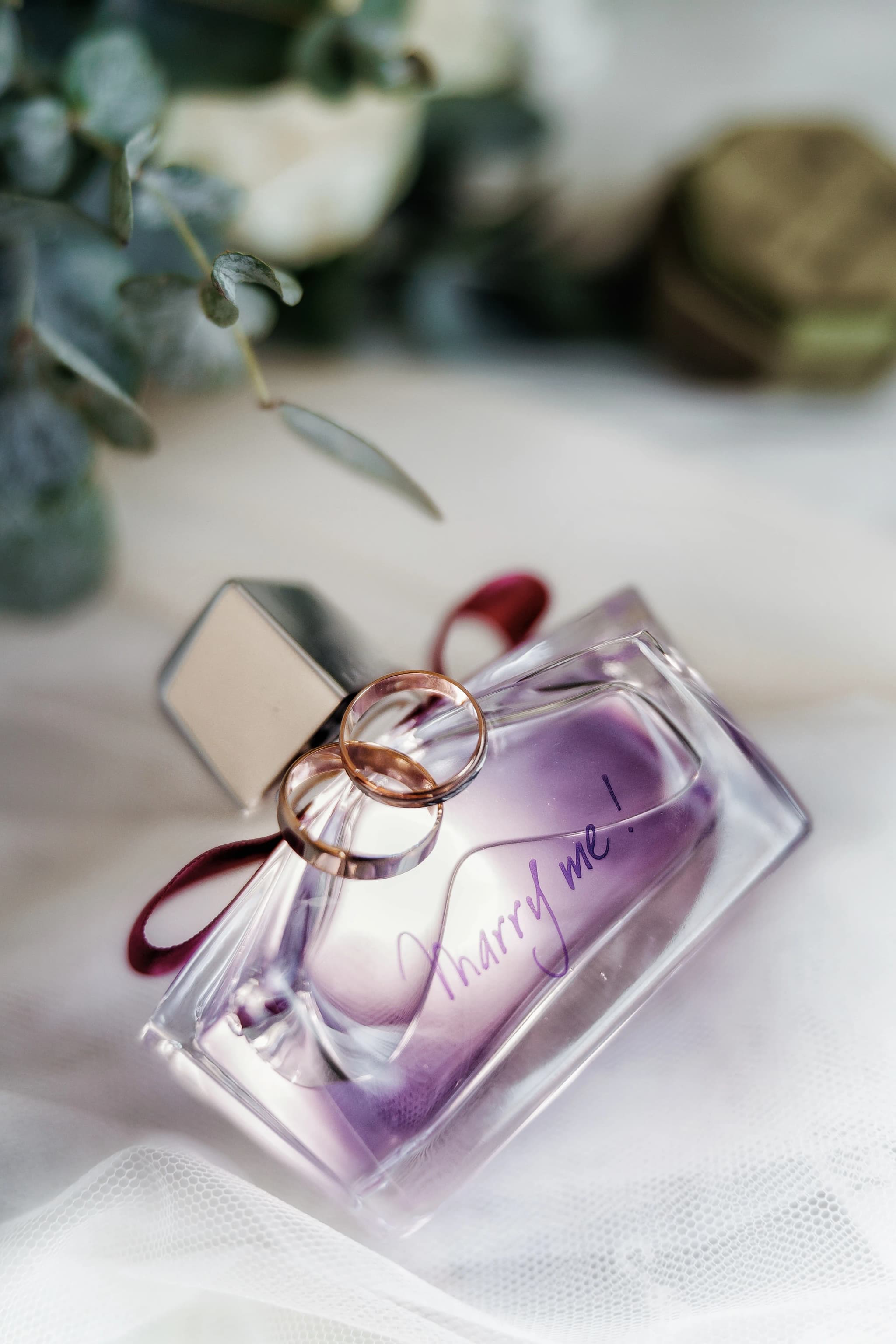
Prisms add a romantic, dreamlike quality to wedding portraits. Hold the prism at the bottom of the lens during a couple's portrait to add rainbow light across the lower third of the frame. During golden hour, the warm sunlight refracts into vivid spectra that complement the romantic mood. Prism shots work particularly well for ring detail photographs — the refracted light adds sparkle and colour without any post-processing intervention.
Post-Processing
Prism images generally need minimal editing — the effect is created in-camera. Boost contrast slightly to make the rainbow colours pop. Warm the white balance for a golden, atmospheric feel. Avoid desaturating — the colour is the whole point. If the prism created unwanted hard edges, use a brush in Lightroom to soften them with reduced clarity.
A £10 glass prism and a little experimentation can transform technically correct photographs into something magical — bending light, bending perception, bending reality.
Light, refracted creatively. See creative techniques in the portfolio.