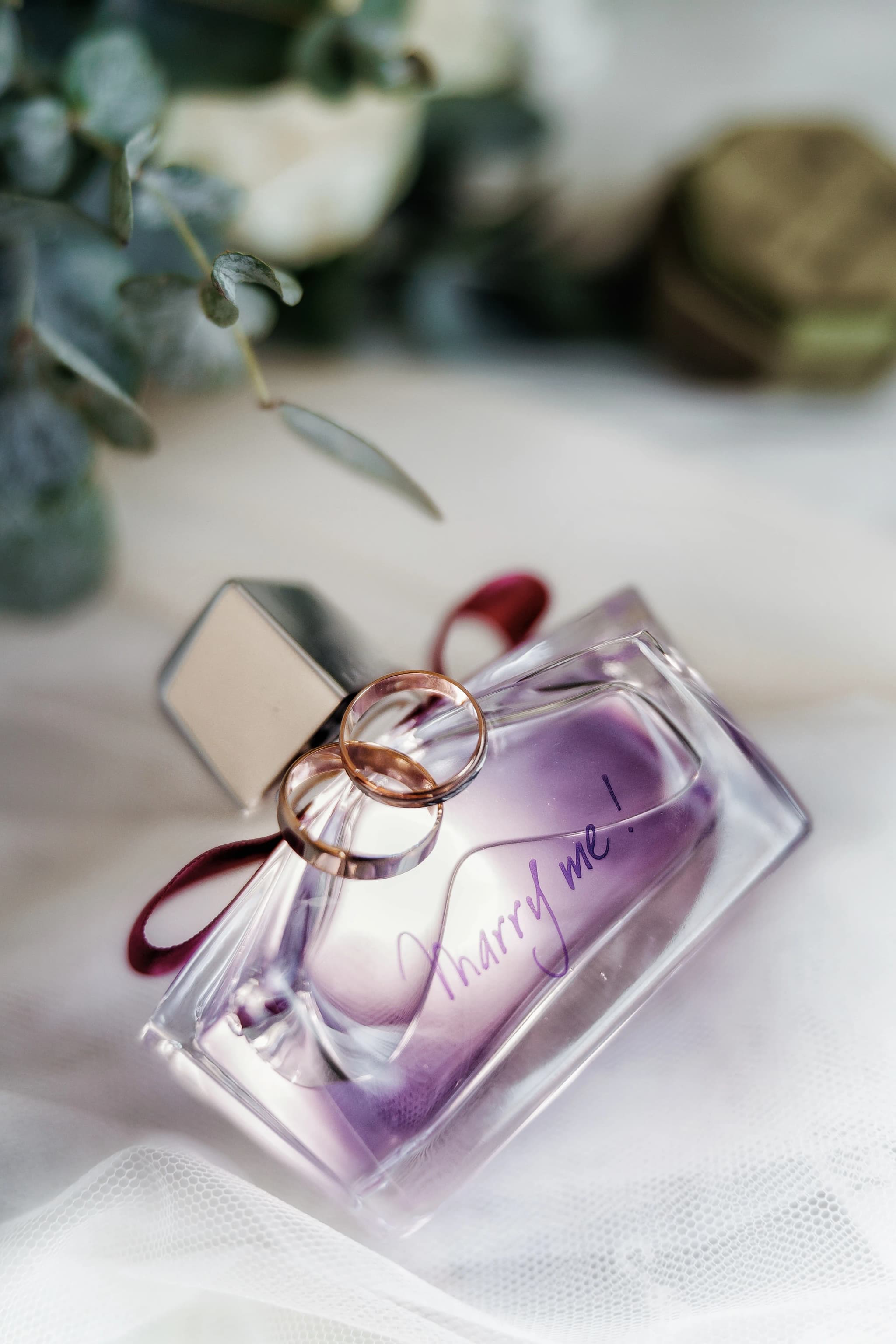
Product photography drives e-commerce sales. The quality of your product images directly determines whether someone adds to cart or moves on — studies consistently show that image quality is the single most influential factor in online purchase decisions. This guide covers the complete product photography workflow: equipment, lighting setups, shooting technique, common product types, and post-processing for clean, commercial-grade results.
Essential Equipment
Camera and Lens
Any interchangeable-lens camera with manual controls works. A 90-100mm macro lens is ideal — it provides 1:1 magnification for small products, maintains natural proportions, and creates a comfortable working distance. A 50mm is sufficient for larger products. For flat-lay shots (clothing, stationery), a 35mm or 50mm works well. Always shoot on a tripod for pixel-level sharpness and consistent framing.
Lighting
Two strobes or continuous LED panels are the minimum for professional results. A main light (key light) and a fill light or reflector control contrast. For clean e-commerce white-background work, add a third light aimed at the background. Softboxes in the 60-90cm range produce the even, diffused light that minimises harsh reflections on products.
Light Tent / Shooting Table
A light tent (soft box) diffuses light from all sides — ideal for highly reflective products like jewellery, watches, and glassware. A shooting table with a seamless white sweep creates an infinite white background — the product appears to float in clean white space. Both are inexpensive and dramatically improve results.
The White Background Setup
White-background product photography is the industry standard for e-commerce platforms — Amazon, Etsy, Shopify, and most retailers require or strongly prefer it. The setup: place the product on a white sweep (seamless paper or acrylic). Light the background separately from the product — aim a strobe or continuous light at the backdrop to blow it pure white (255,255,255 in RGB). Light the product from the sides with diffused key and fill lights. The background light must be 1-2 stops brighter than the product lighting.
Camera Settings
Use ISO 100 for cleanest files. Aperture f/8-f/11 for maximum sharpness and sufficient depth of field. For small products needing front-to-back sharpness (jewellery, watches), use focus stacking — shoot multiple frames at different focus distances and merge in Photoshop (File > Scripts > Load Files into Stack, then Auto-Blend Layers). Shoot in RAW. White balance should be set precisely — use a grey card for accurate colour reproduction, critical for products where colour matching matters (cosmetics, clothing, paint).
Specific Product Types
Reflective Products (Jewellery, Watches, Glass)
Reflective surfaces are the hardest subjects in product photography. Every light source, the camera, and even the photographer appear as reflections. Use a light tent that wraps diffused light around the object. Cut a small hole for the lens. For fine jewellery, use a "light painting" technique — set a long exposure (10-30 seconds) in a dark room and sweep a small, diffused LED wand around the product to build up even, reflection-free illumination.
Clothing and Textiles
Photograph clothing on a mannequin (ghost mannequin technique), a model, or flat-lay. For the ghost mannequin look: shoot the garment on a mannequin, then photograph the inside of the collar/label separately, and composite in Photoshop to remove the mannequin and show the garment's shape. Steam all wrinkles before shooting. Light evenly from both sides to avoid shadows across the fabric.
Bottles and Cosmetics
Bottles photograph best with strip softboxes on either side — creating clean, bright highlight strips along the edges that define the shape. A dark card behind the bottle between the two lights creates a dark centre that adds depth and dimension. For matte-finish cosmetic products, broad, soft lighting works well. For glossy packaging, control reflections with flags (black cards that block unwanted light spill).
Electronics
Electronics combine matte surfaces (plastic bodies), glossy surfaces (screens), and metallic elements (buttons, ports). Light matte surfaces with broad soft light. Control screen reflections — either power the screen on (displaying the product UI) or use a circular polariser to eliminate reflections. For screens showing content, composite the screen in post-production for perfect results.
Lifestyle Product Photography
Beyond clean white-background shots, lifestyle images show products in context — being used, in a styled setting, or held by a person. These images tell a story and create emotional connection. A coffee mug photographed on a white background sells features; the same mug held in two hands beside a rain-streaked window sells a feeling. Lifestyle shots use natural or styled environments, props, and models. Light them like editorial photography — window light, golden hour, or carefully shaped studio light.
Post-Processing
For white-background work: ensure the background is pure white by checking RGB values (aim for 250-255 in all channels). Use the Levels tool to push the background without overexposing the product. Remove dust, scratches, and imperfections with Clone Stamp and Healing Brush. Ensure colour accuracy — compare the edited image to the real product on screen. Batch process with consistent settings across all products in a collection for a cohesive look.
Image Requirements for E-Commerce
- Amazon: Main image must be on pure white background (RGB 255,255,255), product fills 85% of the frame, minimum 1000px on the longest side for zoom capability, JPEG or PNG.
- Etsy: 2000px on the shortest side recommended. White or styled backgrounds accepted. First image should show full product clearly.
- Shopify: 2048×2048px square recommended. Consistent aspect ratio across all product images. White or lifestyle backgrounds.
Professional product photography is the most powerful sales tool in e-commerce. Sharp, well-lit, accurately coloured images create trust and drive conversions.
Quality in every detail. See professional photography in the portfolio.