Spot metering is the most precise exposure metering mode available on any camera — measuring light from a tiny area of the scene (typically 1–5% of the frame) rather than averaging across the entire image. This precision gives photographers absolute control over which part of the scene determines the exposure, making it indispensable for high-contrast scenes, backlit subjects, stage performances, and any situation where evaluative metering would be fooled by a dominant bright or dark area. Mastering spot metering transforms your exposure from camera-determined to photographer-determined — putting creative control firmly in your hands. This guide covers how spot metering works, when to use it, practical techniques, the relationship with the Zone System, and real-world applications across portrait, landscape, wildlife, and event photography.
How Spot Metering Works
Every camera has a built-in light meter that measures the brightness of the scene and calculates an exposure (shutter speed, aperture, ISO combination) to produce a correctly exposed image. Evaluative/matrix metering divides the frame into many zones and uses complex algorithms to determine the overall exposure. Centre-weighted metering averages the entire frame with emphasis on the centre. Spot metering, by contrast, measures only a tiny circle — typically 2–4% of the frame, centred on the active focus point or the centre of the viewfinder. The meter reads the brightness of that spot and calculates an exposure that renders it as a middle tone (Zone V in Ansel Adams' Zone System — roughly 18% reflectance grey). Everything outside the spot is ignored. This narrow measurement gives you surgical precision: you choose exactly what the camera exposes for.
When to Use Spot Metering
Spot metering excels in high-contrast scenes where the brightness range exceeds the camera's dynamic range and you must choose which tones to prioritise. Backlit portraits: the bright background would fool evaluative metering into underexposing the subject's face — spot metering on the face ensures correct skin exposure regardless of the background. Stage performances: a brightly lit performer against a dark background reads correctly with spot metering on the performer, while evaluative metering would overexpose them trying to brighten the dark surroundings. Wildlife: a white egret against dark water, or a dark eagle against bright sky — spot metering on the subject ignores the misleading background. Sunsets with silhouettes: spot metering on the sky gives rich colour and black silhouettes; spot metering on the foreground subject opens up the exposure for a non-silhouetted look.
The Middle Tone Assumption
Understanding the middle tone assumption is critical to using spot metering effectively. The meter always assumes the spot is a middle tone — it does not know whether the spot is white snow, dark shadow, or grey concrete. If you spot meter on white snow, the camera will underexpose it to middle grey (making snow appear grey). If you spot meter on a black cat, the camera will overexpose it to middle grey (making the cat appear light grey). To correct this, you must apply exposure compensation based on the actual tone of the subject. Meter on the snow and add +1.5 to +2 stops of compensation to render it white. Meter on the black cat and subtract -1.5 to -2 stops to render it black. This conscious interpretation of the meter reading is the essence of skilled spot metering.
Zone System Connection
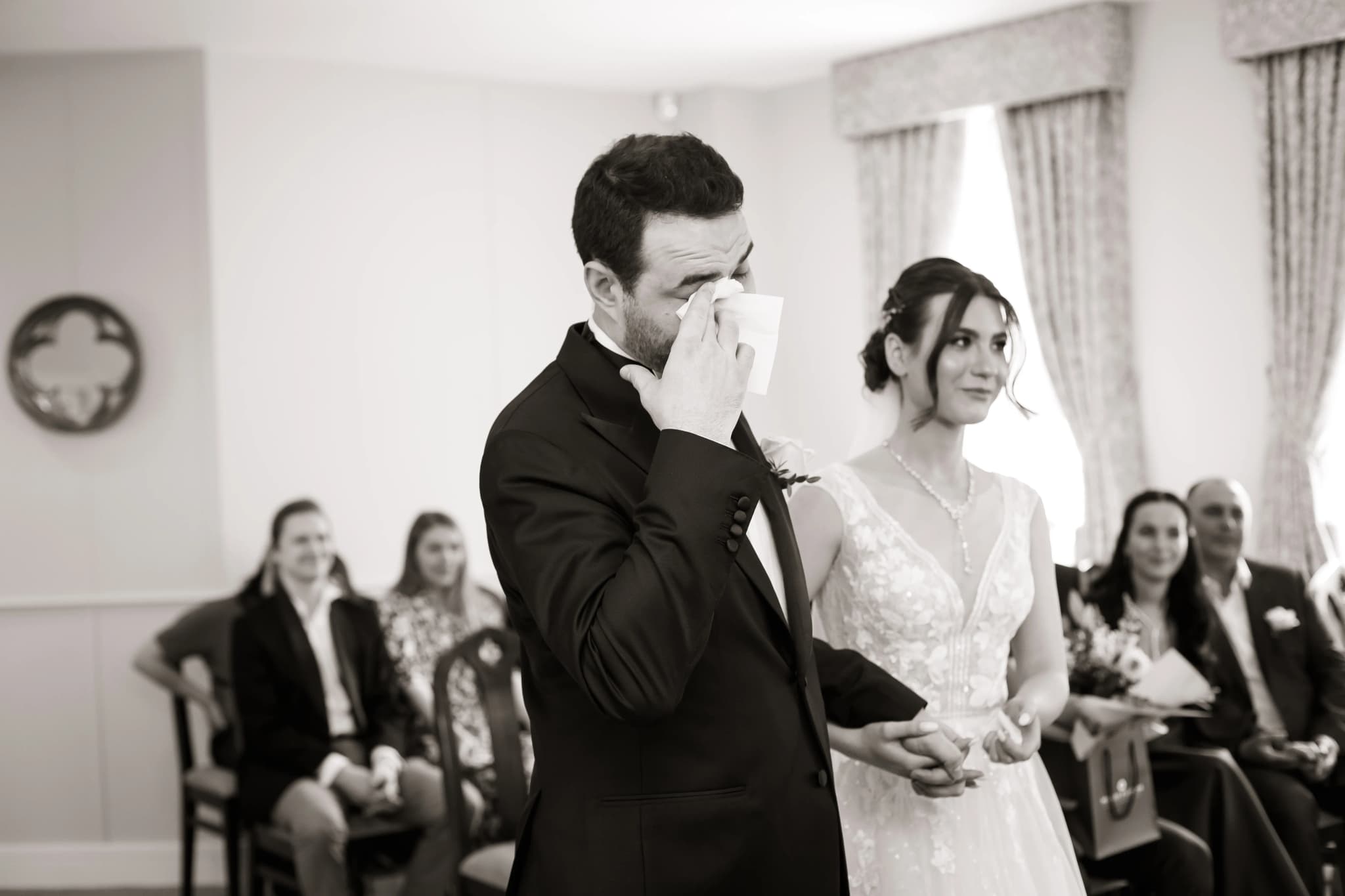
Ansel Adams and Fred Archer developed the Zone System in the 1940s to give photographers precise control over tonal rendering. The system divides the tonal range into 11 zones (Zone 0 = pure black, Zone V = middle grey, Zone X = pure white). The spot meter reads Zone V. If you spot meter on a subject and want it rendered lighter, you "place" it in a higher zone by adding exposure compensation. If you want it darker, you place it in a lower zone by reducing exposure. For example: spot meter on a bride's white dress (you want it bright white with detail = Zone VII/VIII) and add +2 to +2.5 stops. Spot meter on a dark suit (you want it dark with detail = Zone III) and subtract -2 stops. This zone-based thinking, combined with spot metering, gives you complete creative control over the tonal rendering of every element in the scene.
Practical Technique: Meter, Lock, Recompose
The classic spot metering workflow is: (1) Point the spot meter area at the critical tone in the scene (the subject's face, the key highlight, the important shadow area). (2) Apply exposure compensation if the metered area is not a middle tone. (3) Lock the exposure using AE-Lock (the * button on Canon, AE-L on Nikon). (4) Recompose the frame to your desired composition. (5) Shoot. The exposure remains locked from step 3, regardless of how you recompose. Some cameras link the spot meter area to the active focus point — allowing you to spot meter and focus on the same part of the scene simultaneously without recomposing. This is particularly useful for portraits: place the focus point on the subject's eye, and the spot meter reads the face exposure at the same time.
Spot Metering for Portraits
For portrait photography, spot metering on the subject's face ensures correct skin exposure in any lighting condition. In high-contrast outdoor light — dappled shade, strong backlight, or stage lighting — evaluative metering struggles because the bright and dark areas overwhelm its averaging algorithm. Spot metering on the cheekbone (a mid-tone area of most skin types) produces consistently accurate exposure. For fair-skinned subjects, add +1/3 to +2/3 stop compensation to keep skin in the bright-but-detailed range. For deeper skin tones, reduce by -1/3 to keep tones rich and saturated. In studio portrait work, spot metering the key light area on the face confirms your lighting ratio and ensures that the primary light reads correctly — a valuable check even when using a handheld incident meter.
Spot Metering for Landscapes
Landscape photographers use spot metering to analyse the tonal range of a scene and decide how to expose. Meter the brightest highlight with detail (a bright cloud, sunlit cliff face) and note the reading. Meter the darkest shadow with detail (deep forest floor, shadowed rock face) and note the reading. The difference between these readings tells you the scene's contrast range. If it exceeds your camera's dynamic range (typically 10–12 stops usable), you must either compress the range (graduated ND filter, HDR bracketing) or sacrifice highlights or shadows. Place the most important tone on the appropriate zone and expose accordingly. This methodical approach ensures that you never clip important highlights or lose critical shadow detail through careless evaluative metering.
Spot Metering for Events and Performances
Concert, theatre, and dance photography present extreme contrast — brightly lit performers against near-black backgrounds. Evaluative metering sees mostly darkness and opens up the exposure, blowing out the performers. Spot metering on the performer's face or body ignores the dark surroundings and exposes correctly for the lit subject. This technique works equally well for wedding speeches (a spotlit speaker in a dim venue), corporate events (a presenter on a lit stage), and religious ceremonies (candlelit faces in a dark interior). Pair spot metering with Manual mode and Auto ISO for a responsive system: set your aperture and shutter speed, spot meter to confirm the exposure, and let Auto ISO adjust to changing light as the performer moves in and out of spots.
Common Spot Metering Mistakes
The most common mistake is forgetting the middle-tone assumption — metering on a bright or dark subject and not applying compensation, resulting in grey snow or grey shadows. The second mistake is metering on the wrong area — accidentally placing the spot on a bright highlight or deep shadow instead of the intended subject. In fast-moving situations, the spot can drift off the subject between metering and shooting. The third mistake is leaving spot metering engaged when switching to a general shooting situation — evaluative metering is better for most walk-around photography where quick, reliable average exposure matters more than surgical precision. Get into the habit of checking your metering mode when you return from a spot-metering session.
Spot metering puts the camera's exposure brain exactly where you point it — replacing guesswork with precision, automation with intention.
Expose with purpose. See the results.