When you browse a wedding photographer's portfolio, you're seeing their best work — but not all of it was captured at real weddings. Some of the most visually striking images on photographer websites, in bridal magazines, and across social media come from styled shoots: carefully planned, art-directed sessions designed specifically to produce portfolio-worthy photographs. Understanding the difference between styled shoots and real wedding documentation helps you evaluate photographers more accurately and set realistic expectations for your own wedding images.
What Is a Styled Shoot?
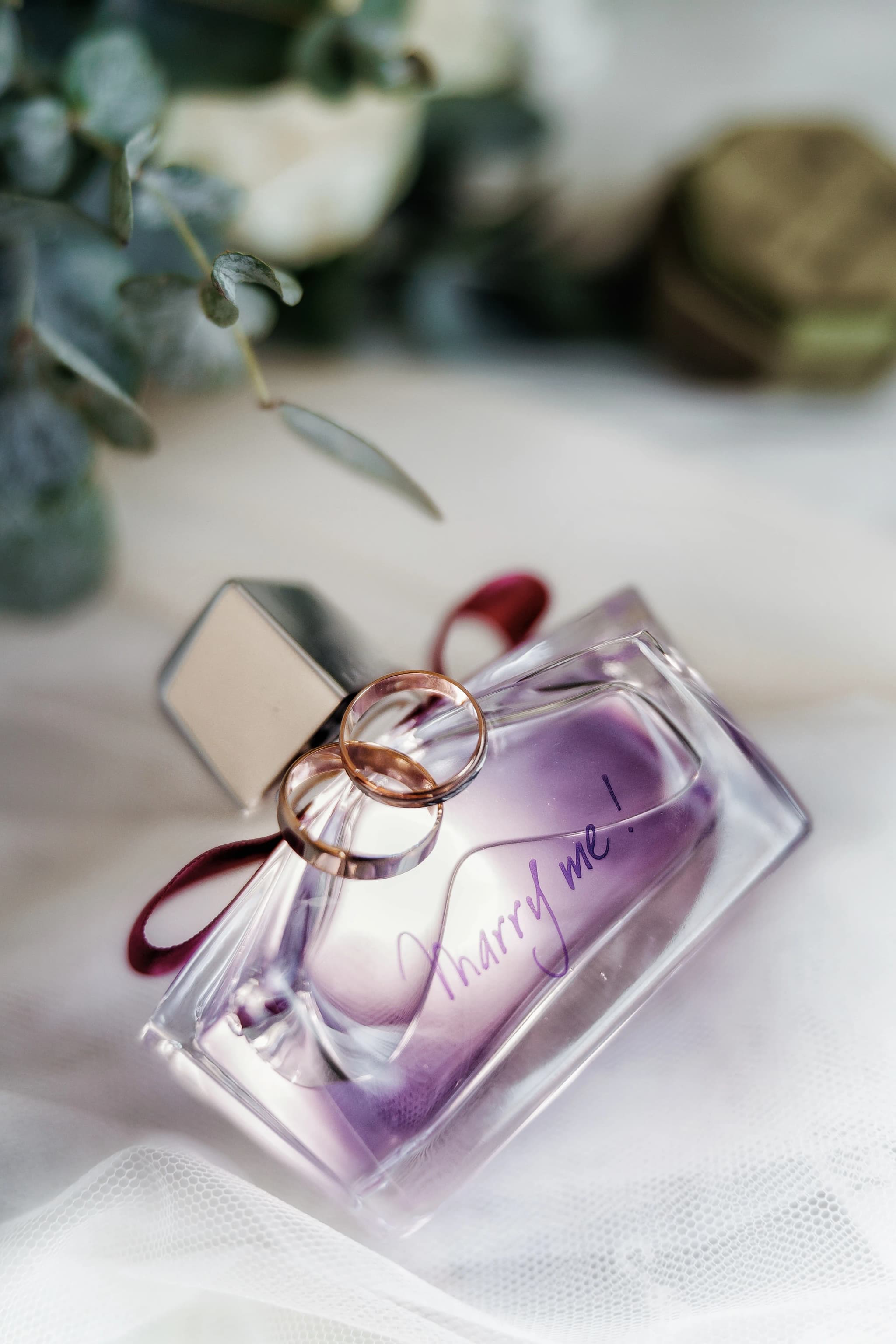
A styled shoot is a collaborative creative project where a group of wedding industry professionals — typically a photographer, florist, stylist, stationer, dress designer, hair and makeup artist, and sometimes models — come together to create a fictional wedding scenario. There is no real couple, no real wedding, no real guests. Everything is designed, arranged, and photographed under controlled conditions with the sole purpose of producing beautiful images.
- The concept is pre-planned: colour palette, theme, styling, location, and shot list are determined weeks or months in advance.
- Professional models or willing couples stand in: they follow direction from the photographer and stylist. There's no genuine emotion — expressions are posed and coached.
- Every detail is placed: place settings are arranged perfectly, florals are at their absolute peak (photographed within hours of arrangement), stationery is positioned for optimal visual impact.
- Time is unlimited: there's no wedding timeline pressure. If a shot doesn't work, the team adjusts and reshoots. Natural light can be waited for. A single table setting might be photographed for 30 minutes — impossible at a real reception.
- Post-production is extensive: styled shoot images often receive more detailed editing than real wedding images because fewer total photographs are produced.
Why Photographers Do Styled Shoots
Styled shoots serve legitimate professional purposes:
- Portfolio building: new photographers who haven't yet shot many real weddings use styled shoots to build a portfolio that demonstrates their capability.
- Creative experimentation: experienced photographers use styled shoots to test new techniques, lighting approaches, or creative concepts that would be too risky to attempt during a paid wedding.
- Publication: wedding magazines and blogs publish styled shoots because they provide curated, on-brand imagery. Getting published raises the photographer's profile.
- Vendor collaboration: every vendor involved receives professional images — the florist gets portfolio shots of their arrangements, the stationer gets images of their invitations, the venue gets professional photographs for their marketing.
- Filling gaps: if a photographer hasn't shot at a particular venue type (barn, castle, beach), a styled shoot lets them demonstrate capability in that setting.
How to Tell the Difference
Not all photographers clearly label styled shoots in their portfolios. Here's how to identify them:
- Vendor credits: if an image credits a "stylist," "concept designer," or lists 6–8 vendors for a single shoot, it's likely styled. Real weddings credit the same vendor types but the context is different.
- No guests: if you see a perfectly set reception table with no human beings around it, or a ceremony space with no one seated, it's styled. Real weddings have people — messy, imperfect, wonderful people.
- Too perfect: every flower at peak bloom, every place setting precisely aligned, no crumbs on the table, no wrinkled napkins. Real weddings have entropy. Styled shoots have art direction.
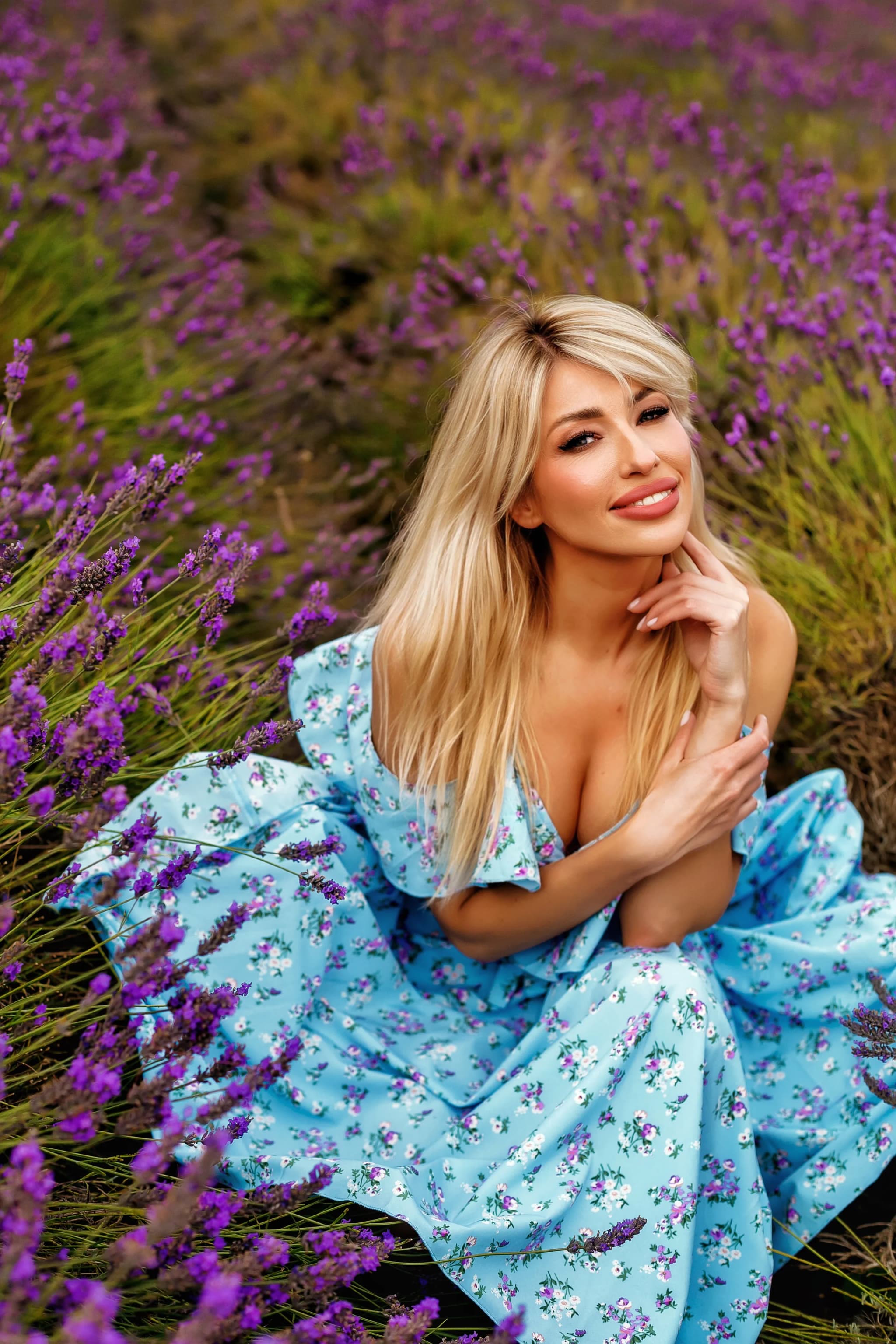
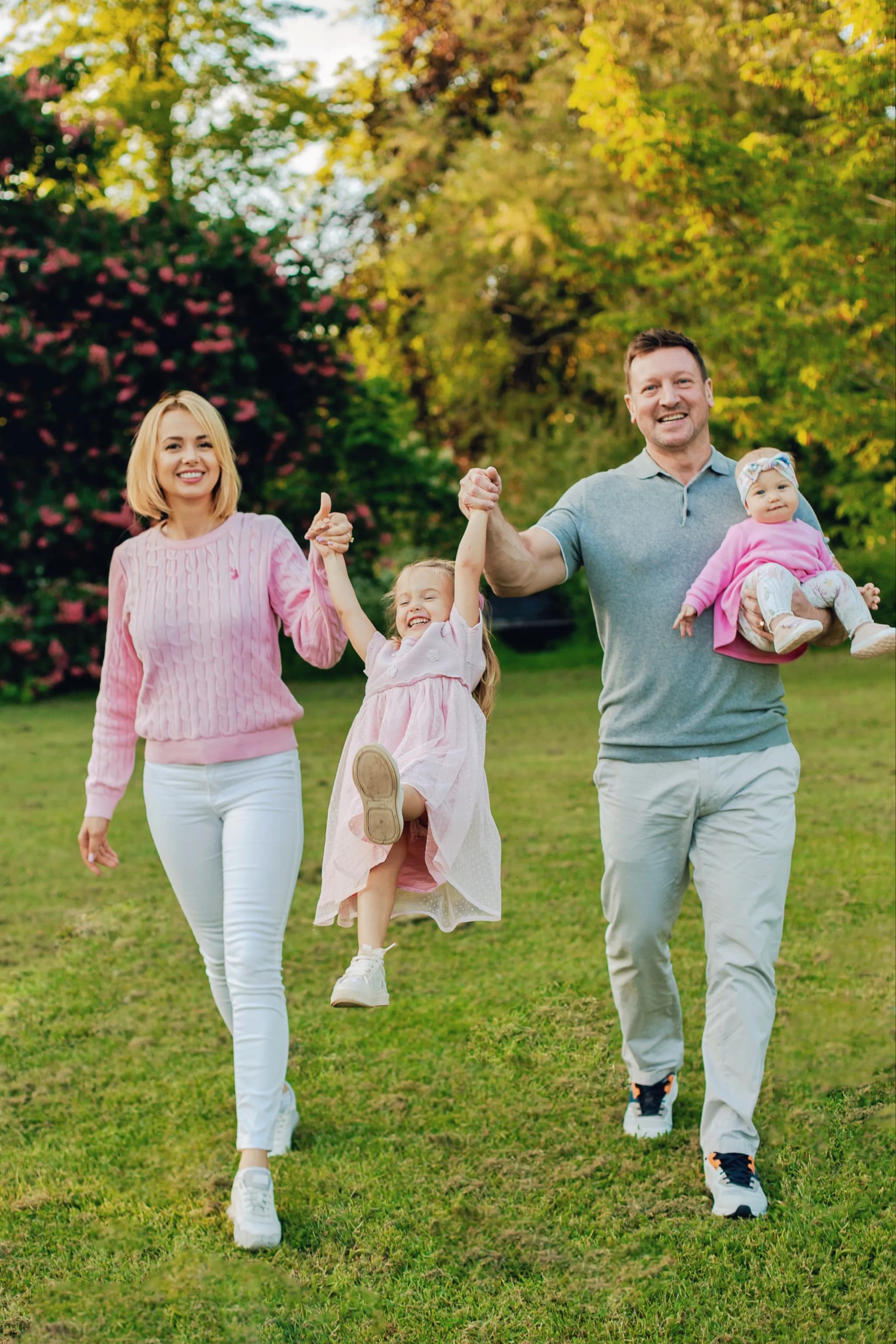
- Models vs. real couples: styled shoot models look polished but their interactions can feel generic. Real couples have specific dynamics — inside jokes, genuine laughter, authentic touches that can't be directed.
- Ask the photographer: simply ask, "Can I see a full gallery from a real wedding similar to mine?" A confident photographer with real experience will happily share. If they deflect, that's information.
What Can You Realistically Expect from Your Real Wedding?
Your wedding photographs will be different from styled shoot images — and that's not a failure. It's reality. Here's what changes:
- Time pressure: your photographer has minutes, not hours, for each scene. The ceremony is documented as it happens — one chance. Table settings are photographed during the 15 minutes between setup completion and guest seating.
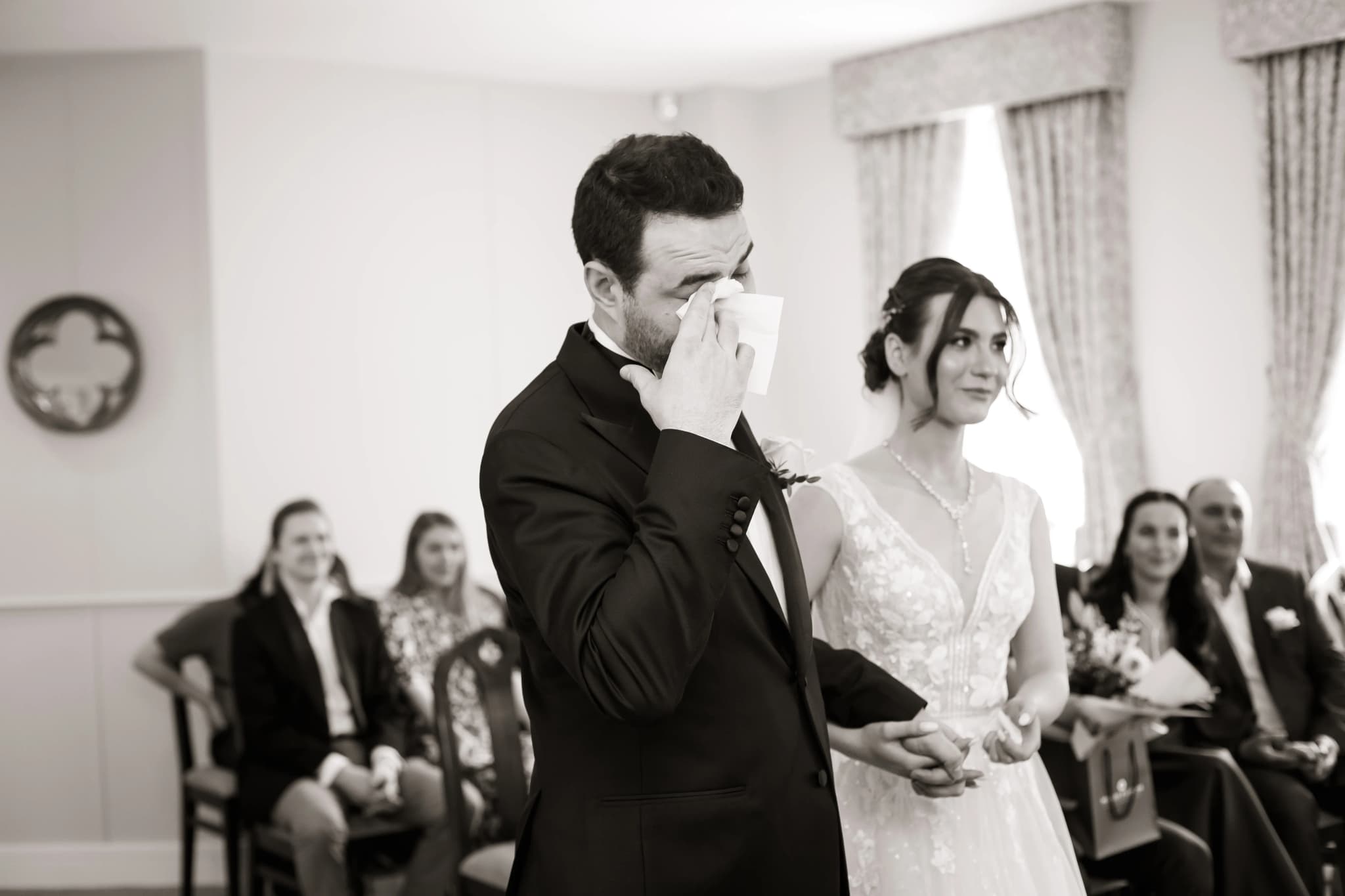
- Real emotion: this is where real weddings win decisively. A model can pose a kiss; she can't replicate the specific way your father holds back tears. Genuine emotion is unmatched in photographs — it's the reason real wedding photography matters.
- Imperfect details: a napkin slightly askew, a wilting petal, a child pulling at their outfit. These are not flaws — they're life. The best photographers embrace imperfection because it's authentic.
- Variable light: you can't reschedule sunset. If clouds roll in during portraits, the photographer adapts — and often produces more dramatic images than a clear sky would have yielded.
- Moving subjects: real wedding subjects move, turn, blink, talk, and look away. Not every frame is sharp. Not every expression is flattering. Selection and culling are how the photographer delivers a gallery of strong images from thousands of raw captures.
Are Styled Shoot Images Dishonest?
Not inherently. Styled shoots are a legitimate creative practice — they've existed in fashion, food, interior design, and product photography for decades. The issue arises only when a photographer presents styled shoot images as real wedding work without disclosure, leading couples to expect results that a real wedding timeline, budget, and chaos level cannot reproduce.
A photographer who labels their styled work clearly, mixes it with real wedding galleries, and can demonstrate consistent quality across both is using the format honestly. A photographer whose entire website is styled work with no real weddings visible should raise questions.
How to Evaluate a Photographer's Real Work
- Ask to see 2–3 full wedding galleries. Not highlights reels — complete delivered galleries. This shows you consistent quality across an entire day, not just the best 10 images.
- Look for consistency. Can the photographer produce quality work across different venues, lighting conditions, and weather? A few stunning styled shoot images don't prove adaptability.
- Check testimonials and reviews. Real couples describe real experiences. Reviews mention timeline management, communication, and how the photographer handled unexpected situations — things styled shoots never test.
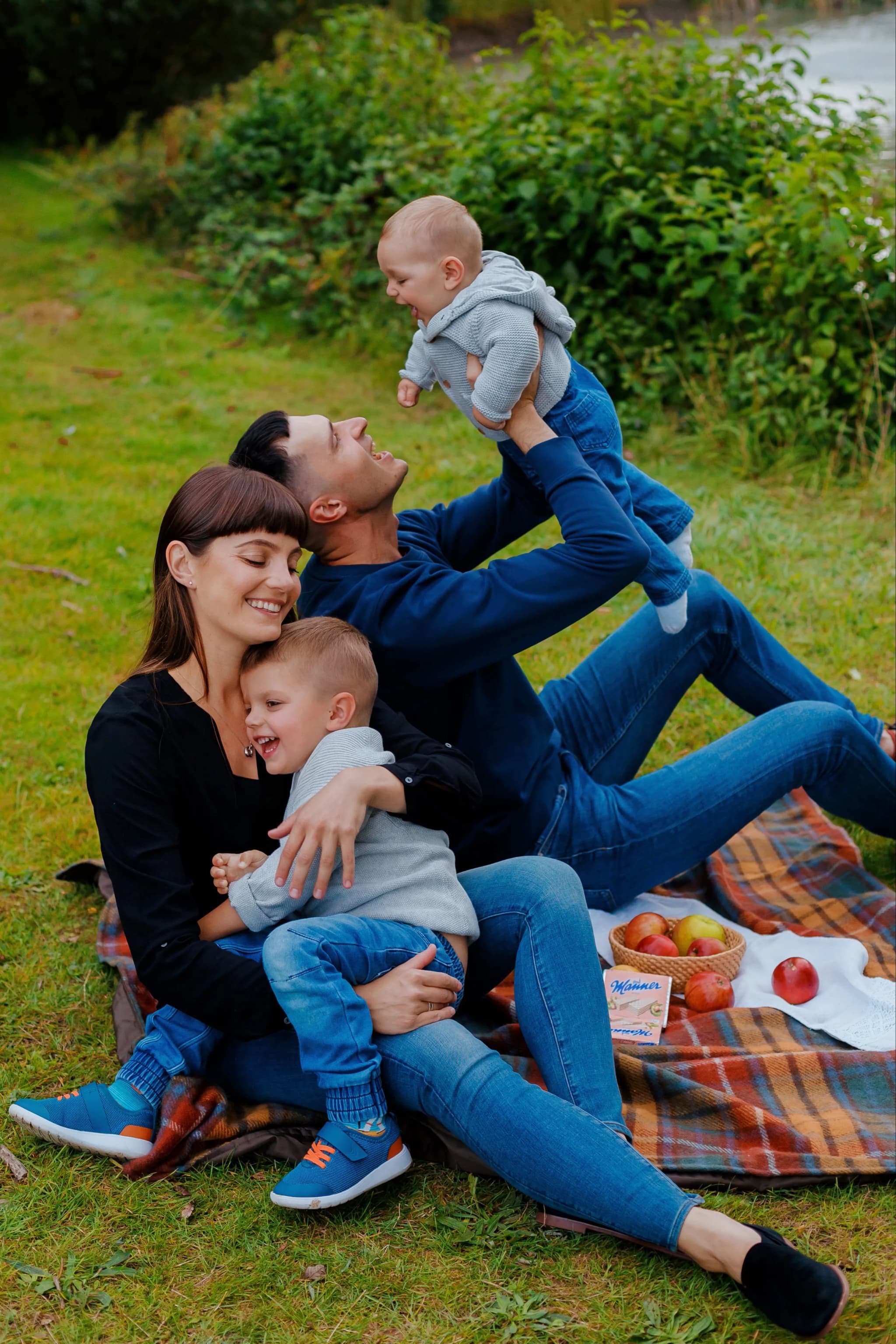
- Look for candid moments. Genuine laughter, children being unpredictable, guests dancing without self-consciousness. These are the moments that prove a photographer can work with real life, not manufactured scenarios.
My portfolio is built on real weddings — real couples, real emotions, real days.
Ask me for full galleries from weddings similar to yours — I'm always happy to share. See real wedding galleries.