Yana Skakun
What Makes a Great Portrait Photograph?
By Yana Skakun·27 March 2026·7 min read
Most people know a great portrait when they see one, but articulating why it works is harder. Understanding the elements that separate a great portrait from a merely adequate one helps you evaluate photographers, communicate better about what you want, and recognise when an image is delivering something genuinely meaningful.
Light is the foundation of everything
Portrait photography is, ultimately, an exercise in the management of light. The quality, direction, and colour temperature of light determine almost everything else: how skin looks, whether the face has dimension or flatness, whether the background is distracting or absorbed.
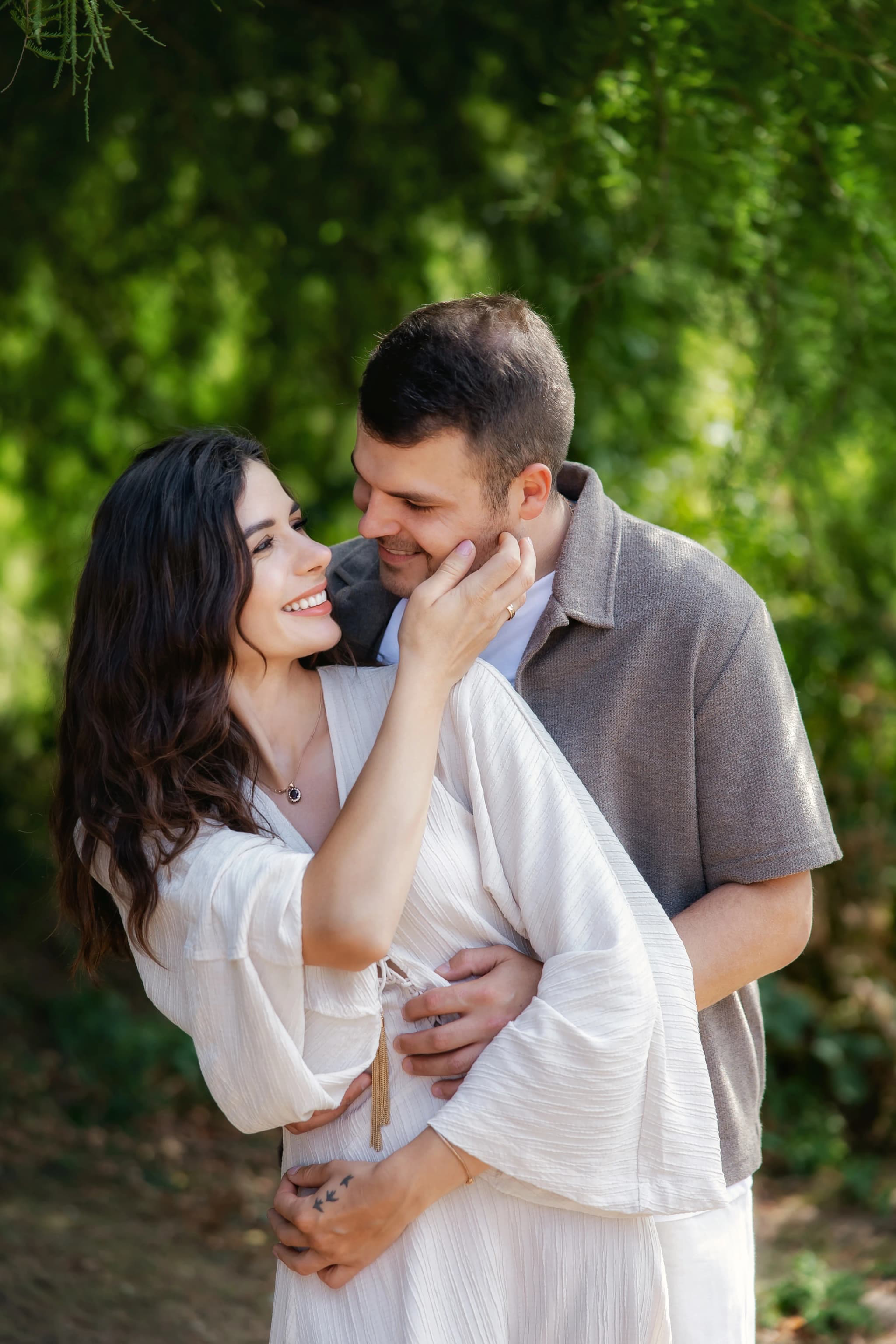
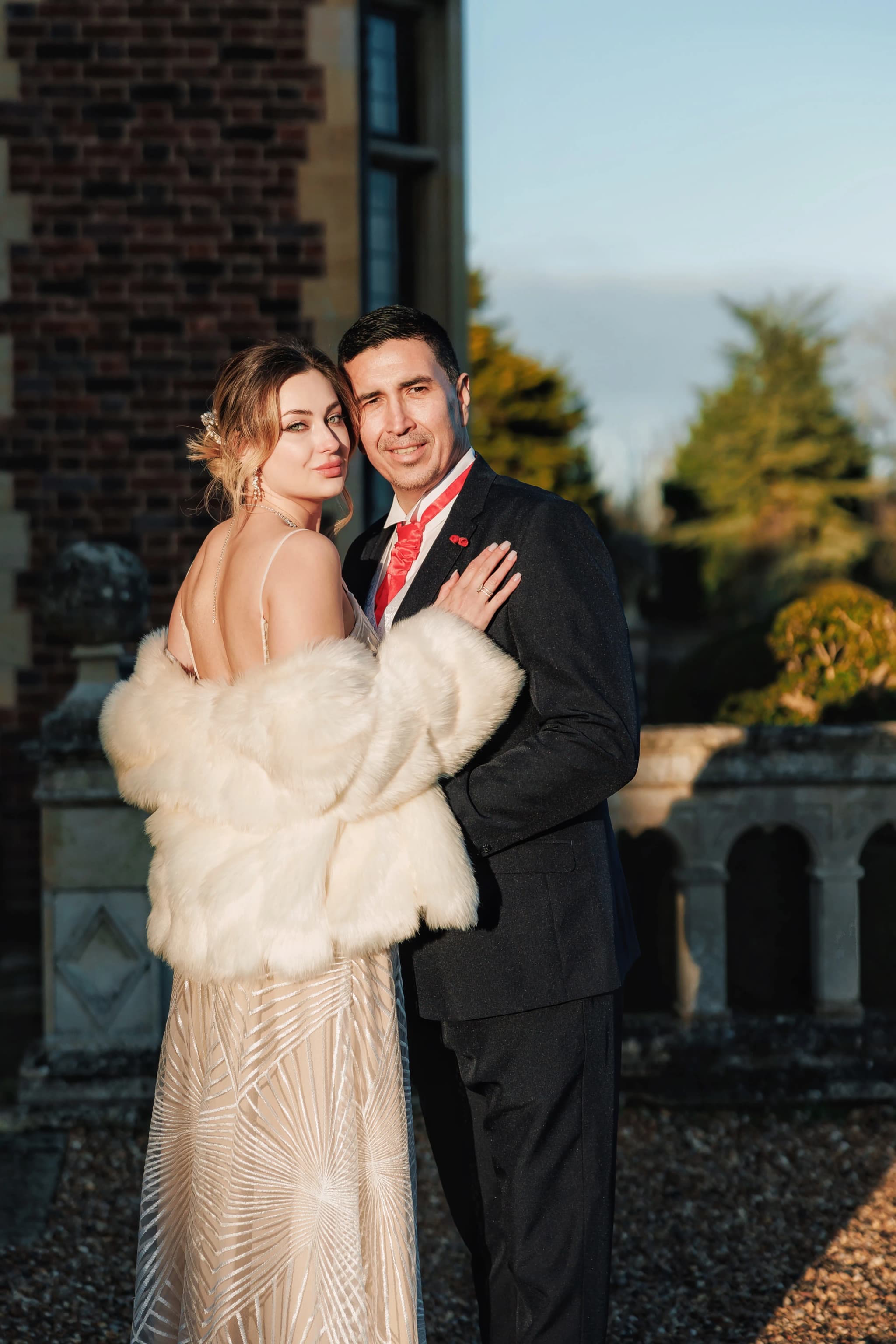
Flattering portrait light is typically soft and directional. Soft light — light that has been diffused by clouds, bounced off a surface, or passed through a modifier — wraps around features and reduces the shadow depth that creates harshness. Directional light, coming from one side rather than straight on, gives the face depth, shape, and three-dimensionality.
This is why portraits taken in dappled shade, near large north-facing windows, or during golden hour look different from those taken in direct midday sun or under overhead fluorescent lighting. The light quality is doing work that no amount of posing and expression can fully compensate for.
Expression and authentic connection
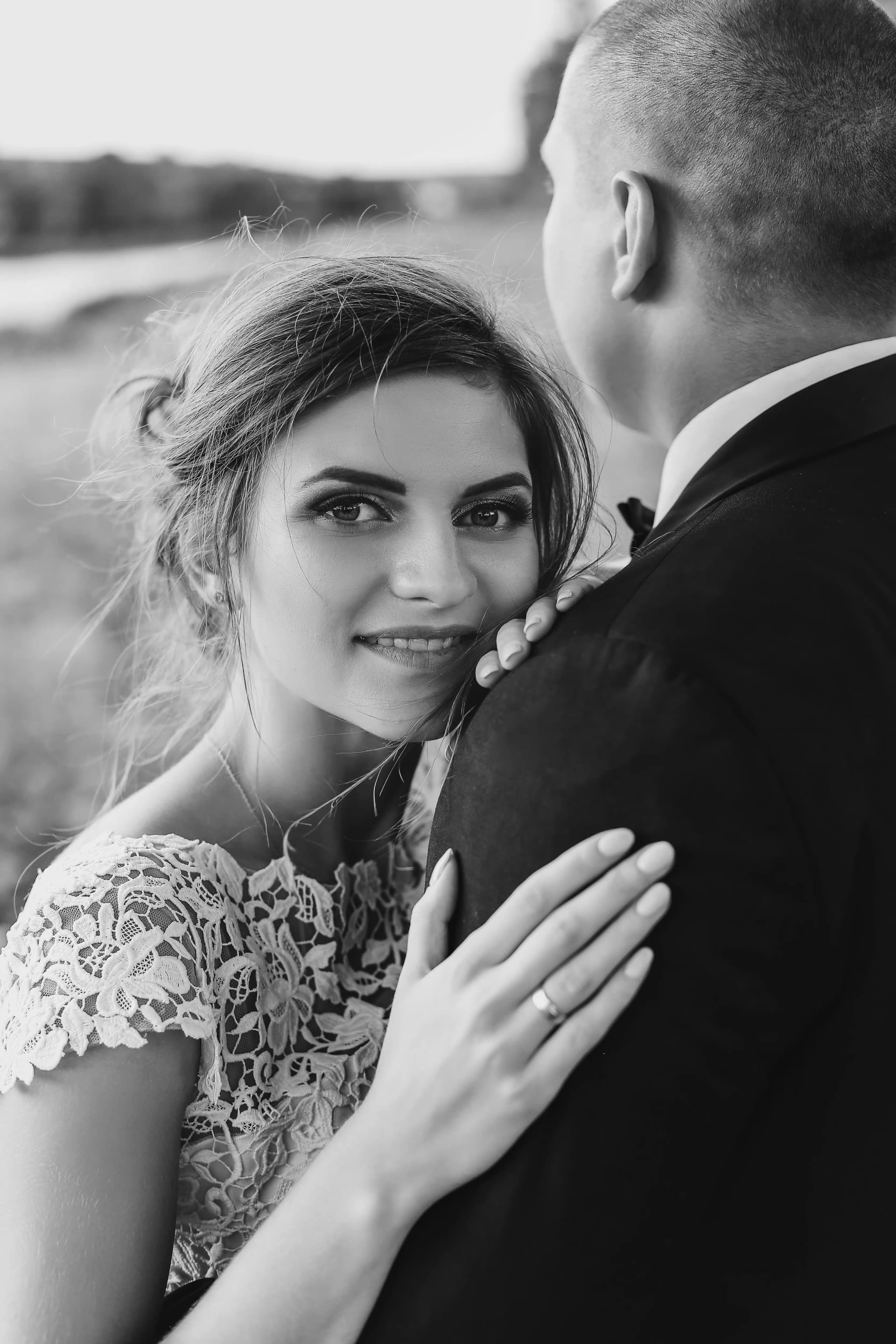
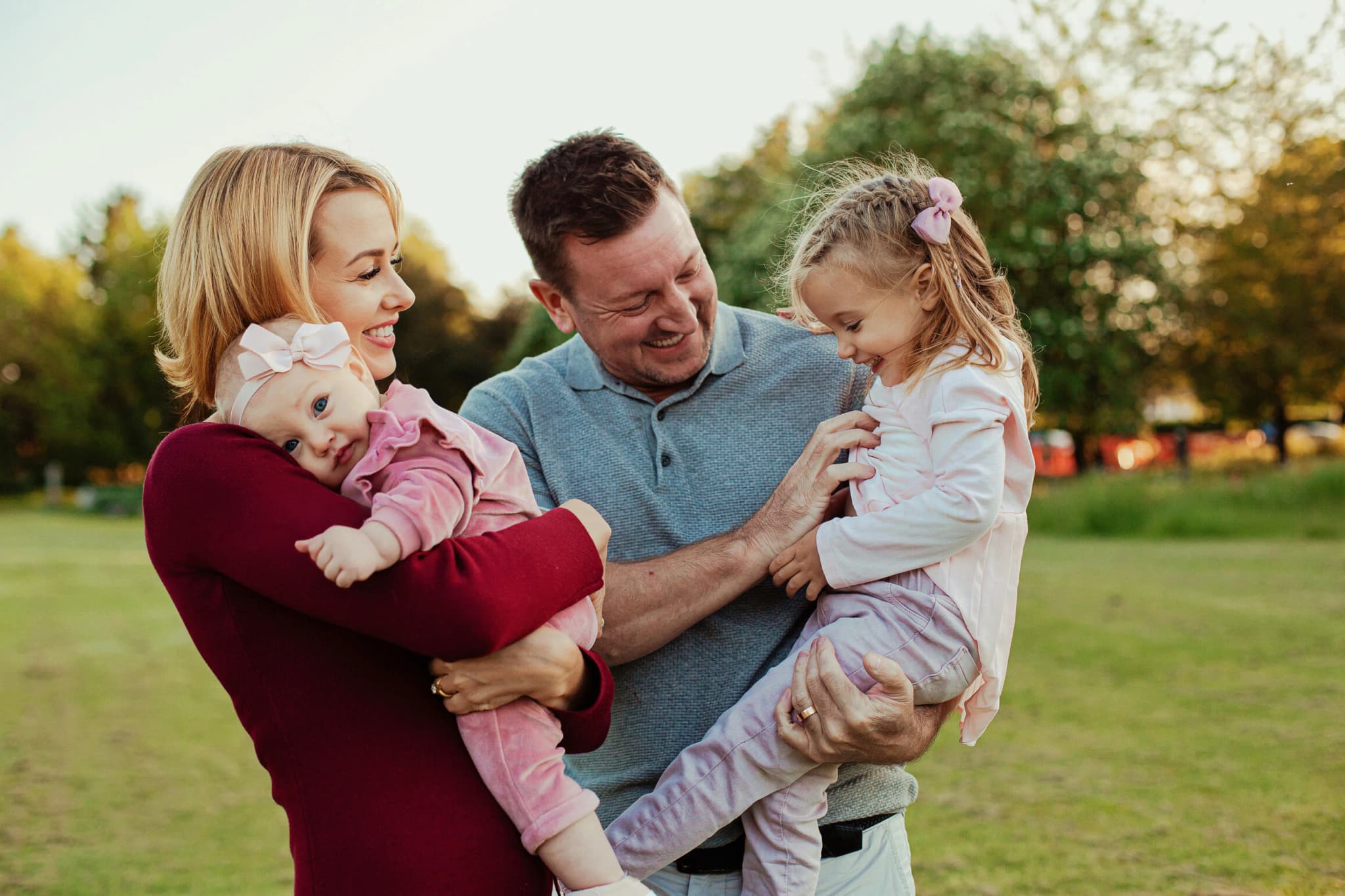
Great portraits capture something genuine. The most technically perfect photograph of someone staring blankly into a lens delivers far less than an image with slightly imperfect composition but a real, unguarded expression. The look that portraits aim for — the moment of connection, the almost-laugh, the quiet reflection — is not an easy thing to produce in a controlled session. It is a skill that portrait photographers work specifically to create.
Directing expression is not about asking people to smile. It is about creating conditions — through conversation, movement, laughter, or stillness — where genuine emotion appears. The best expression in a portrait is usually one the subject did not realise they were making.
Composition and framing
Portrait composition is largely about where the subject sits within the frame and how the background relates to the subject. Portraits where the subject fills the frame with a clean, uncluttered background isolate and emphasise the person. Environmental portraits, where the subject is smaller within a contextually rich scene, say something different — the location becomes part of the narrative.
Eye level matters enormously. A camera positioned precisely at eye level reads neutrally — you are meeting the subject as an equal. A camera slightly above eye level softens and flatters. A camera below chin level creates an unflattering upward perspective that reveals the underside of features. Most portrait photographers keep the camera at or slightly above eye level for the majority of their work.
Negative space — empty areas of the frame that are not filled with subject or background detail — can be as important as what is present. Portraits with breathing room around the subject often feel calmer and more considered than those that fill every pixel.
Focus and depth of field
In portrait photography, sharp focus on the eyes is the technical baseline. Whatever else is happening in a portrait, if the eyes are not sharp, the image does not work. When shooting at wide apertures — which creates a shallow depth of field and blurs the background — the precision of focus on the nearest eye becomes critical.
The amount of background blur (bokeh) is partly an aesthetic choice and partly driven by the equipment and distance from the subject. Heavy background blur isolates the subject strongly; less blur maintains more environmental context. Neither is definitively better — they serve different purposes.
Editing and post-processing
In a great portrait, the editing is usually invisible. Colour tones feel natural and consistent, skin looks real rather than plastic, and the overall image has a coherence that suggests the editing was done with intention rather than heavy-handedness. Heavy retouching that smooths skin beyond recognition or shifts colours to look stylised can damage the authenticity that makes a portrait worth having.
Book a portrait session
If you are looking for portraits where the light, expression, and composition all come together, I would love to hear about your project. Get in touch to discuss.

Yana Skakun
Photographer · England
Professional wedding, family and portrait photographer based in England. Passionate about capturing authentic emotions and timeless moments.
About Yana →what makes a great portrait photogood portrait photography tipsportrait photography quality UKelements of great portrait photography
Photography Tips — Professional Photography in Cambridge & England
Yana Skakun is a professional photographer based in Cambridge, specialising in wedding, family, and portrait photography across England. Every session is personal — planned around your story, your people, and the moments that matter most. This guide — What Makes a Great Portrait Photograph? — is part of the photography journal: practical, experience-based advice drawn from real sessions across England. Whether you arrived searching for what makes a great portrait photo or good portrait photography tips, the same care and attention shapes every session Yana photographs.
Professional Photography sessions are available year-round, with bookings open across Cambridge, Ely, Huntingdon, Peterborough, and further afield — East England, London, the Midlands, and beyond. If you have specific questions about portrait photography quality uk, mention it in your enquiry. Get in touch through the contact form above to check availability and discuss your session. Enquiries are welcomed from anywhere in the UK.
Frequently Asked Questions
What camera settings should I use for outdoor portraits?+
For outdoor portraits, shoot in aperture priority mode. Use a wide aperture (f/1.8–f/2.8) to blur the background and isolate your subject. Keep ISO as low as possible in good light. In bright conditions, use a neutral density filter or switch to manual to avoid overexposure at wide apertures.
What is the golden hour in photography?+
Golden hour is the period roughly 30–60 minutes after sunrise and before sunset. The sun is low in the sky, producing warm, soft, directional light that flatters skin tones and creates beautiful long shadows. It's widely considered the best natural light for portrait and outdoor photography.
How do you get sharp photos in low light?+
In low light, increase your ISO (accepting some grain), use the widest aperture your lens allows, and slow your shutter speed to the slowest you can hand-hold without camera shake (roughly 1/focal length as a guide). Use image stabilisation if available, and consider a tripod for static subjects.
What is the rule of thirds in photography?+
The rule of thirds divides the frame into a 3×3 grid. Placing your subject on one of the four intersection points — rather than dead centre — creates a more dynamic, visually interesting composition. It's a guideline, not a rule: some of the most powerful images break it deliberately.
How do you edit photos to look professional?+
Professional editing starts with shooting in RAW format. In Lightroom or similar software, correct exposure, white balance, and contrast first. Recover shadow and highlight detail. Apply gentle colour grading for mood. Be conservative with skin retouching — the goal is natural enhancement, not transformation. Consistency across a set of images is what separates professional from amateur editing.
Continue Reading
Related Articles

Photography Tips
Photography Gift Vouchers: The Most Personal Present You Can Give
5 min read · Read Article
Photography Tips
Photo Books vs Photo Albums: What Is the Difference and Which Is Better?
5 min read · Read Article
Photography Tips
Photo Gift Ideas: Turning Professional Images into Meaningful Presents
5 min read · Read Article
Get in Touch
Ready to Book Your Session?
Get in touch to discuss your vision — I'll reply within 24 hours.