White balance is one of the most powerful yet underused creative tools in photography. Most photographers set it to auto and forget it — letting the camera neutralise colour casts to produce "accurate" colour. But white balance can do far more than correct: it can transform mood, atmosphere, and emotional impact. Deliberately shifting white balance towards warmer or cooler tones can turn an ordinary scene into something evocative and memorable. This guide explores the technical foundations of white balance, then moves beyond correction into creative territory — showing you how to use Kelvin temperature, tint, and mixed lighting to craft images with intentional colour atmosphere.
Understanding Colour Temperature
Colour temperature is measured in Kelvin (K). Low Kelvin values (2500–3500K) describe warm, orange-toned light sources — candles, incandescent bulbs, golden-hour sunlight. High Kelvin values (6500–10000K) describe cool, blue-toned light — overcast skies, open shade, twilight. When you set your camera's white balance to a specific Kelvin value, you are telling the camera to expect light of that colour temperature. If the actual light is warmer than the set value, the image will appear warm; if cooler, the image will appear cool. This is the key to creative white balance: by deliberately mismatching the white balance setting to the actual light, you control the overall colour cast of the image.
Warming for Mood and Atmosphere
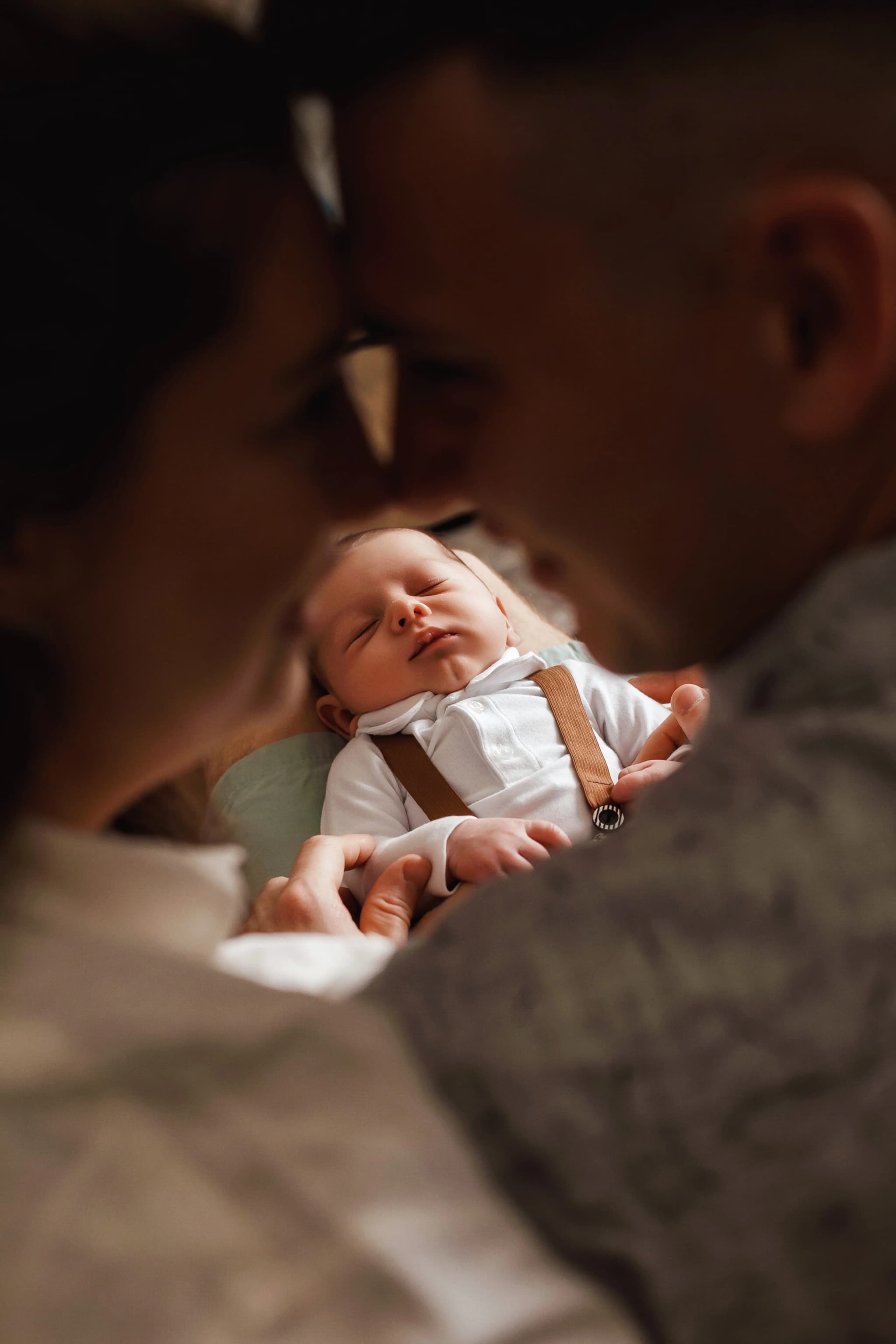
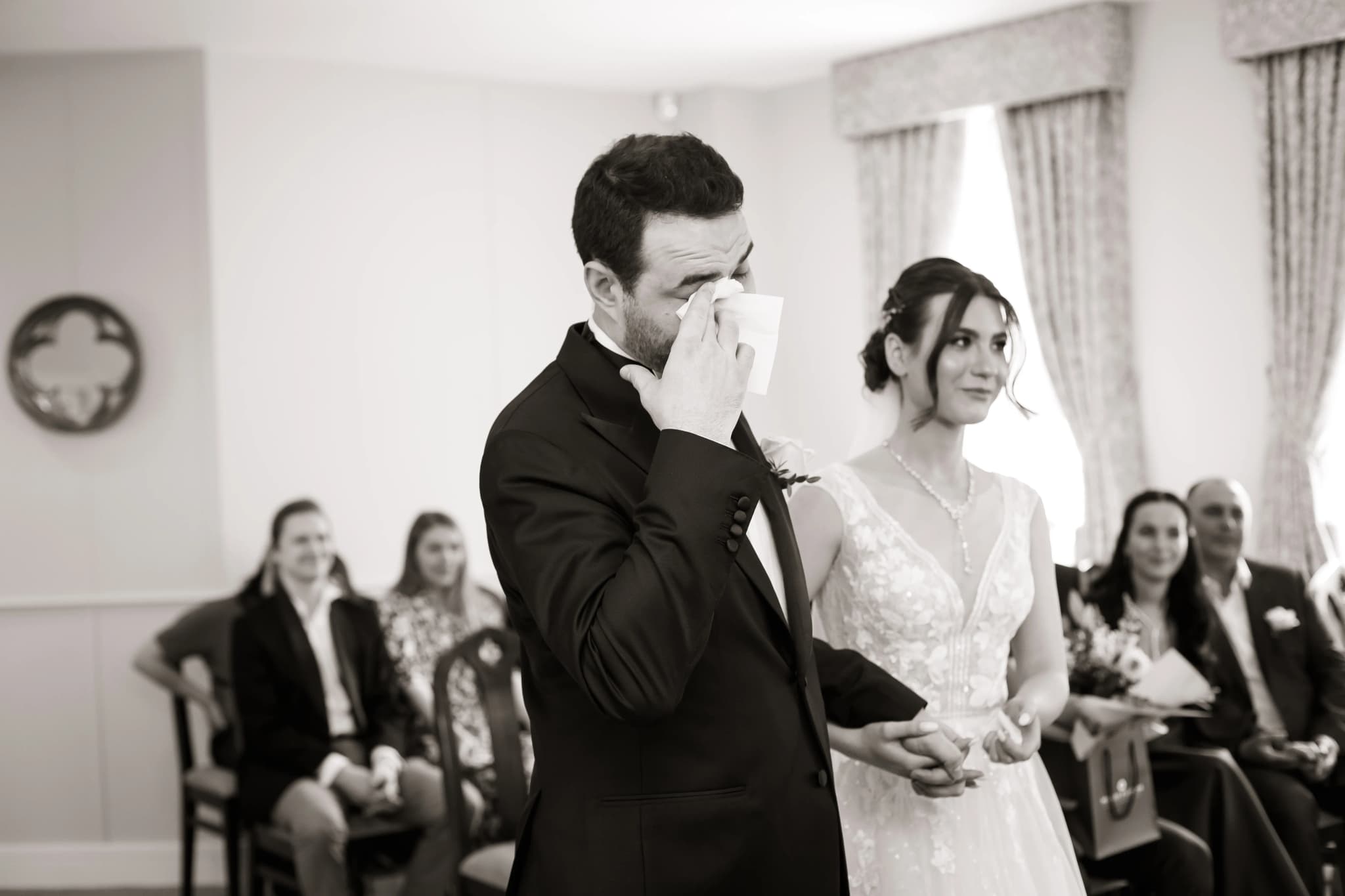
Setting a higher Kelvin value than the actual light temperature warms the entire image. Shooting a sunset scene at 7500K instead of the "correct" 5500K will amplify the golden tones, intensifying the warmth and romance of the moment. Portrait photography benefits enormously from a warm shift — skin tones glow with health and vitality, backgrounds take on a honeyed quality, and the overall image evokes comfort and intimacy. Wedding photographers routinely warm their white balance by 300–500K above neutral to enhance the emotional warmth of romantic moments. Interior scenes lit by window light become cosier when warmed. Autumn landscapes saturate further when the white balance emphasises golden and amber tones.
Cooling for Drama and Distance
Setting a lower Kelvin value than the actual light temperature cools the image, introducing blue tones that suggest distance, mystery, melancholy, or clinical precision. Blue-hour cityscapes are intensified with a cool white balance — the blue sky deepens, city lights contrast warmly against the cool atmosphere. Winter landscapes gain a sense of cold and stillness. Fashion photography uses cool tones for a high-end editorial look — blue-shifted images feel modern, sophisticated, and emotionally restrained. Documentary and street photography in cooler tones can convey isolation, urban alienation, or contemplative stillness. The emotional impact of cool tones is well established in cinema — think of the teal colour grading in contemporary thriller films.
Mixed Lighting: Embracing the Clash
Most real-world scenes contain multiple light sources with different colour temperatures — tungsten lamps, fluorescent tubes, daylight through windows, LED screens. Auto white balance tries to neutralise this complexity, but creative photographers embrace it. Set your white balance to one of the light sources and allow the others to express their colour. Balance for daylight and let tungsten lamps glow warm orange. Balance for tungsten and let the window light go electric blue. The colour contrast between warm and cool areas adds visual complexity, depth, and atmosphere. Architectural and interior photographers use this technique extensively — a restaurant interior balanced for the warm table lamps renders the twilight sky through the window as a dramatic deep blue, framing the scene with cool tones.
Using Kelvin Mode on Camera
Switch your camera's white balance from Auto (AWB) to Kelvin (K) mode. This gives you direct numerical control over the colour temperature. Start with 5500K (roughly neutral daylight) and adjust in 200K increments. Preview the result on your LCD or EVF — mirrorless cameras show the white balance effect in real time through the viewfinder, making creative white balance adjustments immediate and intuitive. With DSLRs, check the preview on the rear LCD after each adjustment. Once you find a Kelvin setting that creates the mood you want, lock it in and shoot consistently. If you shoot RAW (and you should for creative white balance work), you can fine-tune the Kelvin value in post-processing — but getting close in-camera saves time and helps you compose with the intended colour atmosphere.
The Tint Axis: Green-Magenta
White balance has two axes: the Kelvin temperature axis (blue-orange) and the tint axis (green-magenta). Most creative white balance discussion focuses on Kelvin, but the tint axis is equally powerful. A slight magenta shift adds warmth and richness to skin tones — many portrait photographers add +5 to +15 magenta tint as standard. A green shift gives a cooler, more clinical or vintage feel — useful for editorial, documentary, or nostalgia effects. Fluorescent lighting adds a green cast that is traditionally removed via magenta tint correction — but leaving it (or enhancing it) produces a distinctive, gritty urban aesthetic popular in street and nightlife photography.
White Balance in Post-Processing
RAW files store unprocessed sensor data, making white balance completely adjustable after the fact. In Lightroom or Camera Raw, the Temperature and Tint sliders give you precise, non-destructive control. This is immensely powerful for creative work: shoot a single scene, then process it with three different white balance settings to create three completely different moods. The same sunset can be warm and romantic, neutral and documentary, or cool and ethereal. Use the eyedropper tool on a neutral grey surface to establish a technically accurate baseline, then adjust from there for creative effect. Split toning (warm highlights, cool shadows — or vice versa) adds further colour sophistication, pushing the creative white balance concept into deliberate colour grading territory.
Creative White Balance in Portraiture
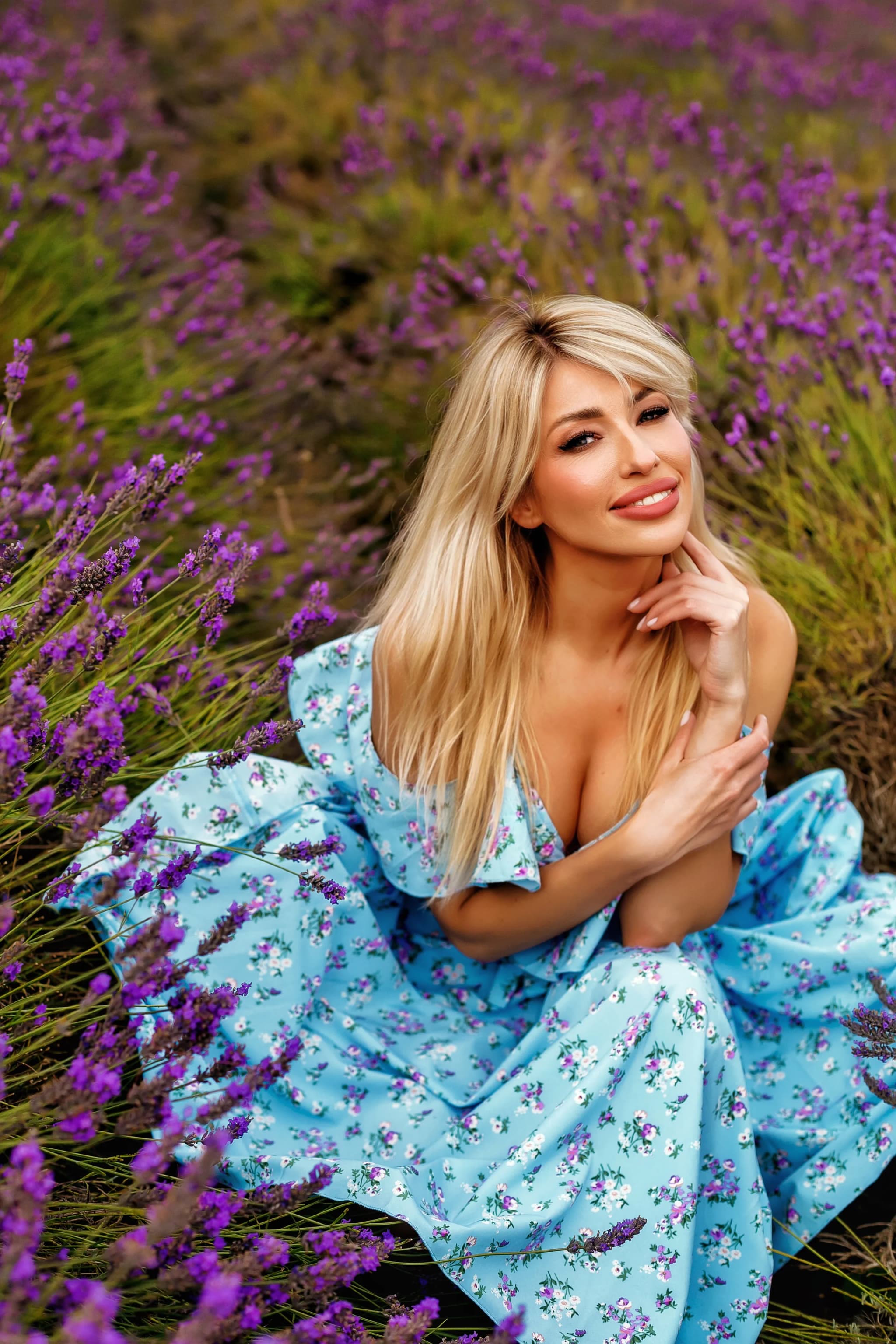
Portraits are particularly sensitive to white balance because human skin spans a narrow range of hues. Warming skin tones makes subjects appear healthy, radiant, and inviting. Cooling skin tones can look unflattering unless done intentionally for dramatic or editorial effect. For natural light portraits, try shooting at 6000–6500K on a 5500K day — the subtle warmth is pleasing without looking artificial. For golden-hour portraits, push to 7000–7500K to amplify the magic. For blue-hour portraits with artificial light on the subject, balance for the warm subject light and let the background go blue — this classic technique creates dimensional colour contrast that separates the subject from the environment.
Colour Gels and White Balance
Colour gels on flash or continuous lights interact powerfully with white balance settings. Place a CTO (colour temperature orange) gel on your flash, then set the camera white balance to tungsten (3200K). The gelled flash now appears neutral on the subject, while the ambient daylight turns deep blue. This is a classic technique for creating dramatic blue skies behind a warmly lit subject during twilight shoots. Reverse the approach with a CTB (colour temperature blue) gel — gel the flash blue, set white balance to daylight, and the gelled flash renders neutral while any warm ambient light becomes even warmer by comparison. These gel/white balance interactions are fundamental tools for editorial, fashion, and creative portrait photography.
White balance is not just a correction tool — it is a creative instrument that shapes mood, emotion, and atmosphere in every photograph you make.
Colour is feeling. Discover the portfolio.