Winter Engagement Photography: A Guide for Cold-Weather Sessions
Winter engagement photography — sessions taking place from November through February — occupies a distinct niche in couples portrait work. It is less common than spring and autumn engagement photography, which means lower demand on popular photographers and greater flexibility on dates. And in the right conditions, winter produces images with a quality entirely unlike any other season: stark, intimate, atmospheric.
This guide is specifically for couples considering a winter engagement session — covering the case for winter, how to plan around seasonal conditions, and what to expect.
Why Winter Can Be Outstanding
The visual qualities of winter that can make engagement photography exceptional include:
- Low, soft light all day — in winter, the sun never rises high enough to create harsh midday portrait problems. A session at 1pm on a clear December day has the same low, directional light quality that you would only get from an early morning or late afternoon session in summer. The photographic day is more consistently usable.
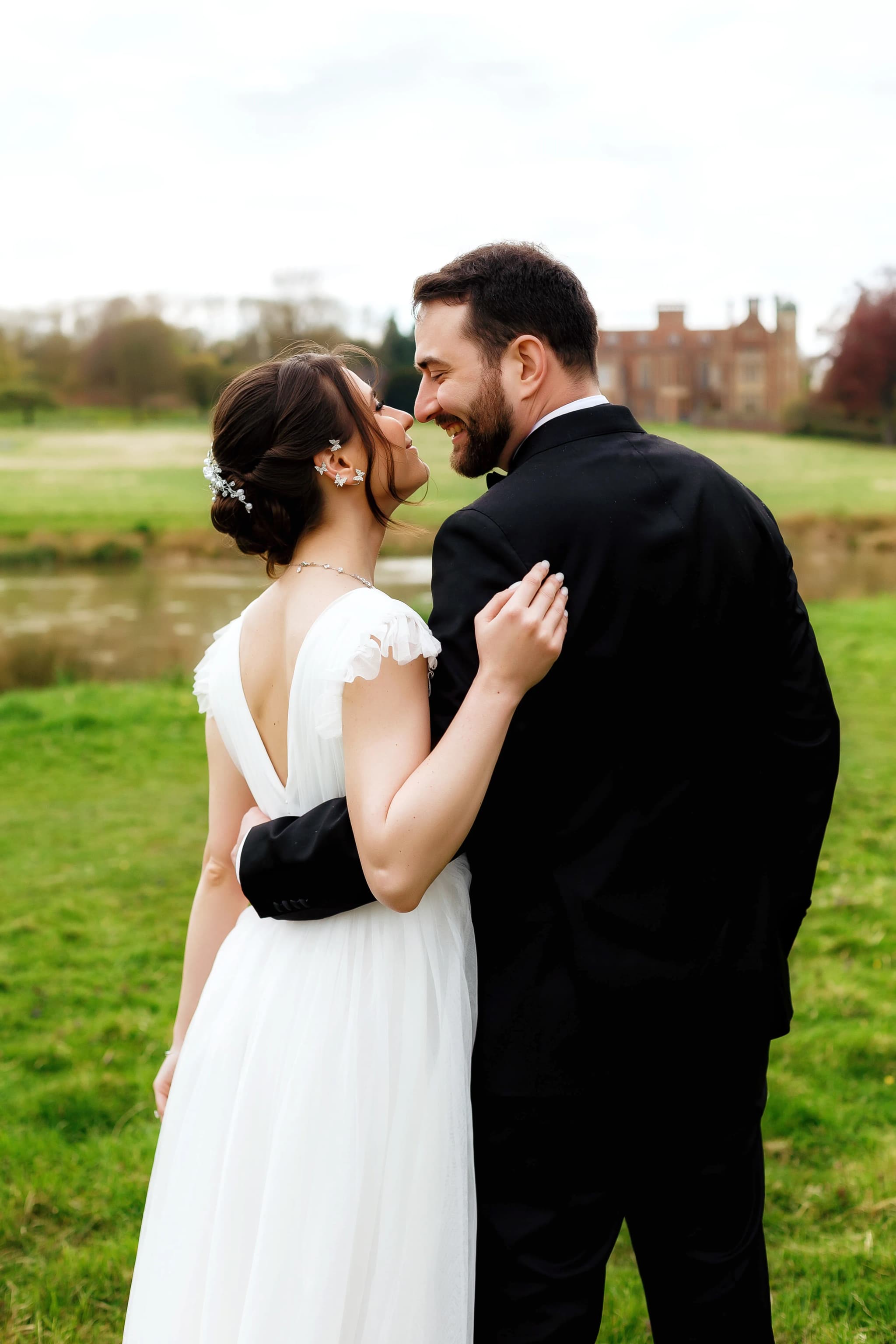
- Spare, graphic landscapes — bare branches against open sky, frost on grass, the clean architectural quality of parkland without heavy foliage. This spare aesthetic is completely different from the lush richness of summer and suits certain couples and aesthetics strongly.
- Frost and snow — the rare occasions when frost or snow is present transform any outdoor setting. A light frost on a clear December morning in a beech woodland is a scene with no equivalent in any other season.
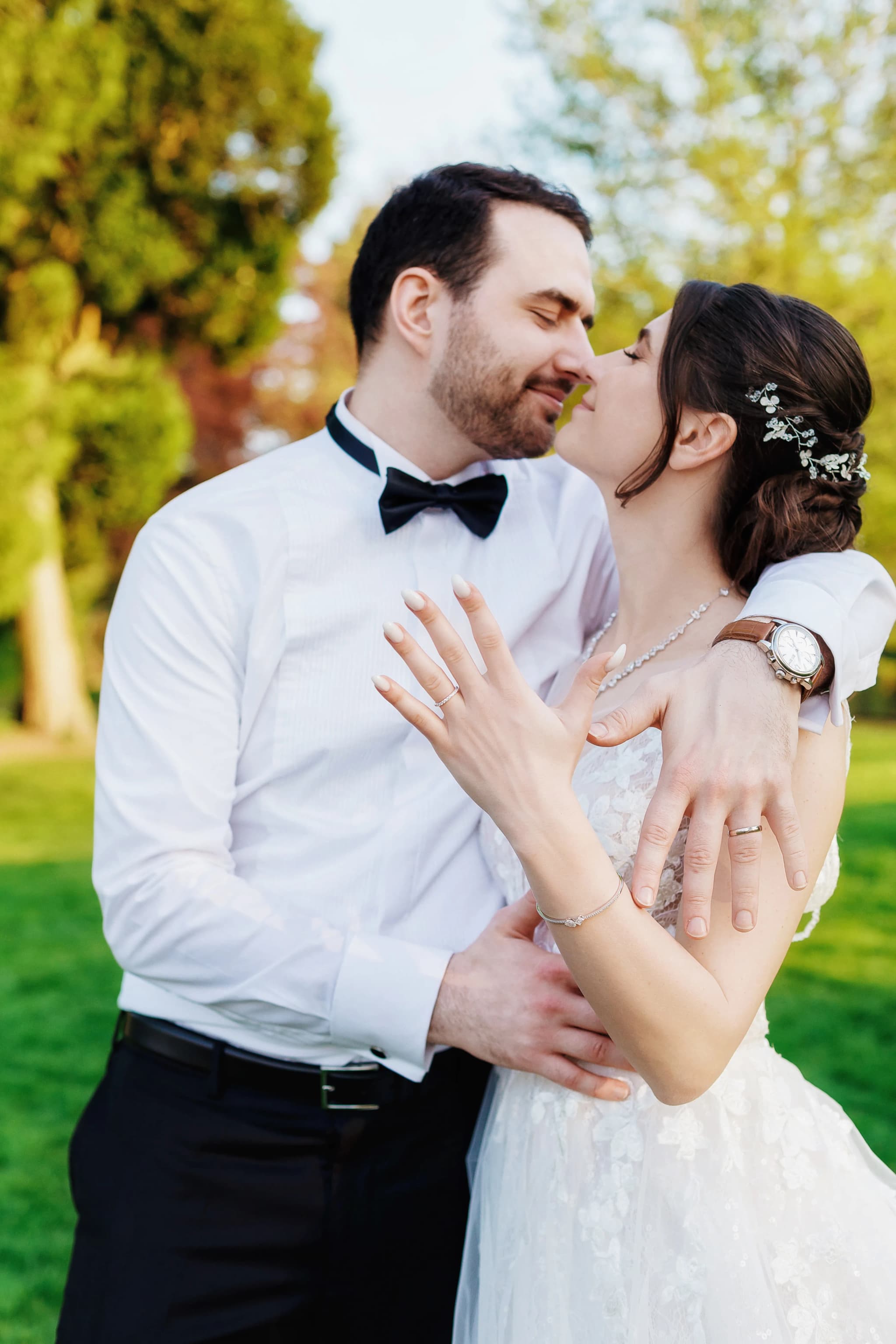
- Cosiness — winter engagement photography encourages close physical warmth that summer sessions sometimes lack. Two people bundled together, laughing in the cold, are naturally physically closer than they might be in warm weather. The images reflect that intimacy.
The Challenges of Winter
Winter engagement photography requires more careful planning than other seasons:
- Short days — usable outdoor photography light may be limited to 10am through 3:30pm in mid-winter. Sessions must fit within this window.
- Cold — physical discomfort shows in portraits. People who are very cold tense their shoulders, lose their natural expressiveness, and think primarily about being warm rather than being present with their partner. Sessions should be kept to a length that doesn't cross the threshold from comfortable-cold to miserable-cold — typically sixty to ninety minutes maximum.
- Mud and wet ground — November and January in England are wet months. Woodland floors are often waterlogged. Footwear appropriate for the terrain is essential, and the specific path conditions may vary significantly from week to week.
What to Wear for Winter Engagement Photos
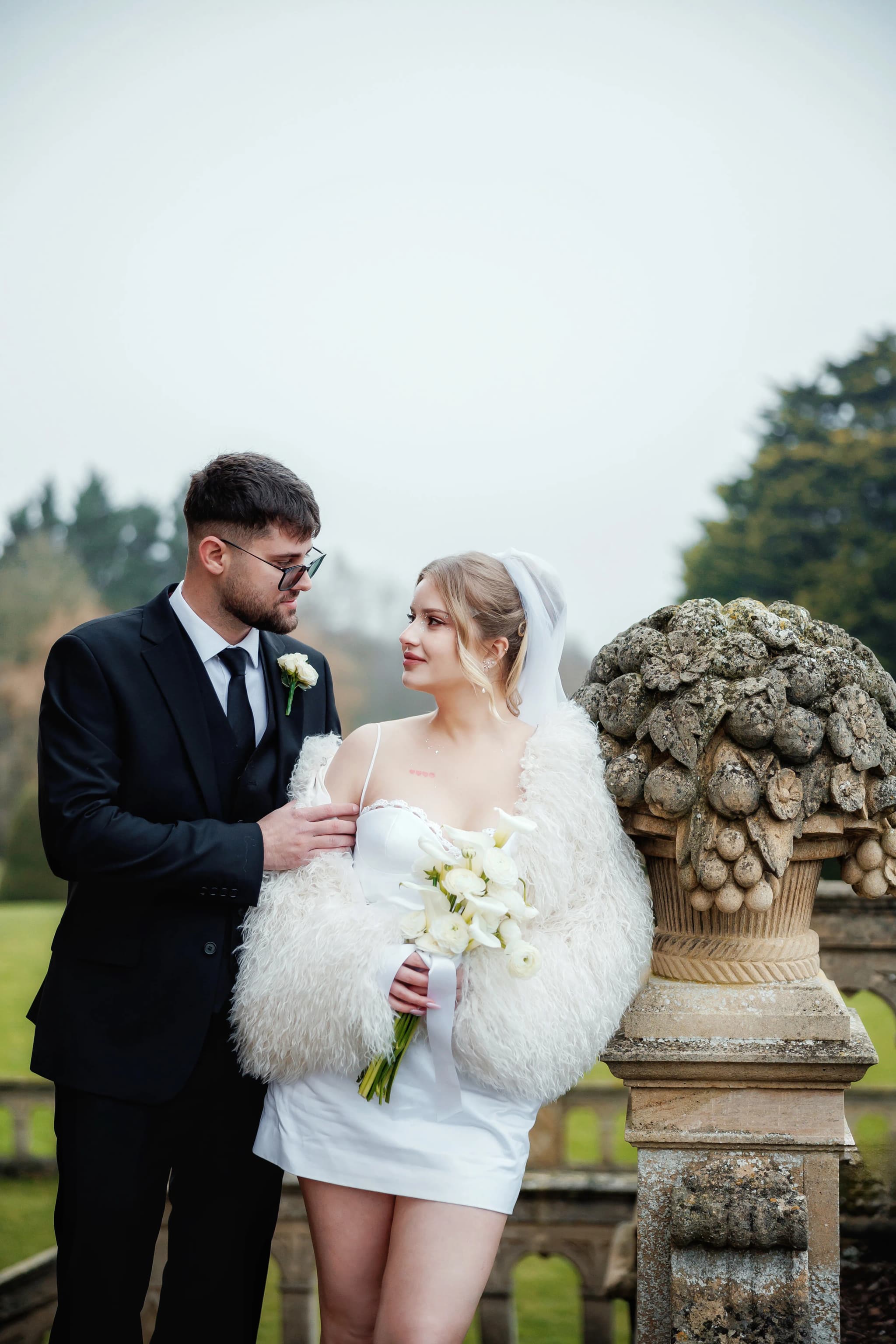
Winter engagement outfits are an opportunity for the richer textures and warmer tones of the cold weather wardrobe: wool coats, knitwear, scarves, textured layers. These photograph exceptionally well — the depth and texture of cold-weather fabrics creates visual interest that lightweight summer clothing cannot.
The key balance is between looking deliberate and feeling genuinely warm. An outfit that looks beautiful but leaves you shivering will not produce the best images. Dress in layers that can be managed as the session moves between open exposed areas and more sheltered spots.
Warm tones work well against winter's palette of dark bark, frosted grass, and clear sky — cream, camel, burgundy, deep green. Cool blue tones can also work specifically in winter where they would fight with autumn's warmth.
Working With Your Photographer in Winter
Discuss timing explicitly with your photographer: what time of day is best at the specific location you have chosen? In winter, golden hour can be earlier and shorter than expected. Discuss what happens if the weather is actively poor — rain in winter is not the same as the light drizzle that can sometimes make summer sessions more interesting. Have a backup plan that both parties understand and have agreed to before the session day.
Winter sessions that work well are usually planned to take advantage of specific conditions — mild, clear afternoons in January, crisp frost in December, the brief window of low golden light on a clear November day at 2:30pm. Planning around the conditions available, rather than hoping the calendar date will deliver, is the key to great winter engagement photography.