Yana Skakun
Behind the scenes: A spring wedding in Cambridgeshire
By Yana Skakun·10 July 2026·8 min read
People often ask what a wedding day actually looks like from behind the camera — not the finished gallery, but the hours in between. I want to walk through a spring wedding I photographed at a manor house near Ely, from the first enquiry to the moment the gallery went out, because it captures fairly typically what the job involves once you get past the glamorous version people imagine.
The Enquiry and the Consultation
This particular couple came to me through a recommendation from a previous client whose wedding I had photographed the autumn before — still the way a large proportion of my bookings happen. They were planning a spring ceremony at a manor house near Ely: an outdoor ceremony in the walled garden, reception in a marquee on the lawn. Their brief was refreshingly simple — natural, documentary, as few posed group shots as they could get away with.
We spoke on a video call for about forty-five minutes before booking. I try to listen more than I talk in these calls, asking about the shape of the day, the guest numbers, what mattered most to them, what they were anxious about. By the end of it I had a genuinely clear sense of what the day would need from me, and they had a clear sense of how I actually work, rather than just what my portfolio looks like. That mutual clarity matters more than almost anything else in getting a wedding day right.
The Preparation Before the Day
Roughly two weeks out, I visited the venue. Walking a site in advance is not optional for me — I want to know where the light will fall at whatever hour golden hour arrives on that specific date, which corner of the garden gives the best backdrop for couple portraits, and what the ceremony space itself is like to shoot in. In this case, the ceremony room inside the manor was beautiful but genuinely dim, so I packed lenses suited to low light specifically because of that visit, rather than guessing on the day.
I also spend time before every wedding building a loose timeline with the couple — not a rigid shot list, but a sense of when things are likely to happen and where the gaps are that can be used for portraits. Spring weddings need particular care here because the weather is far less predictable than summer: I always build in a contingency plan for where portraits would move to if rain arrived, so nobody is improvising under pressure on the day itself.
The Morning: Getting Ready
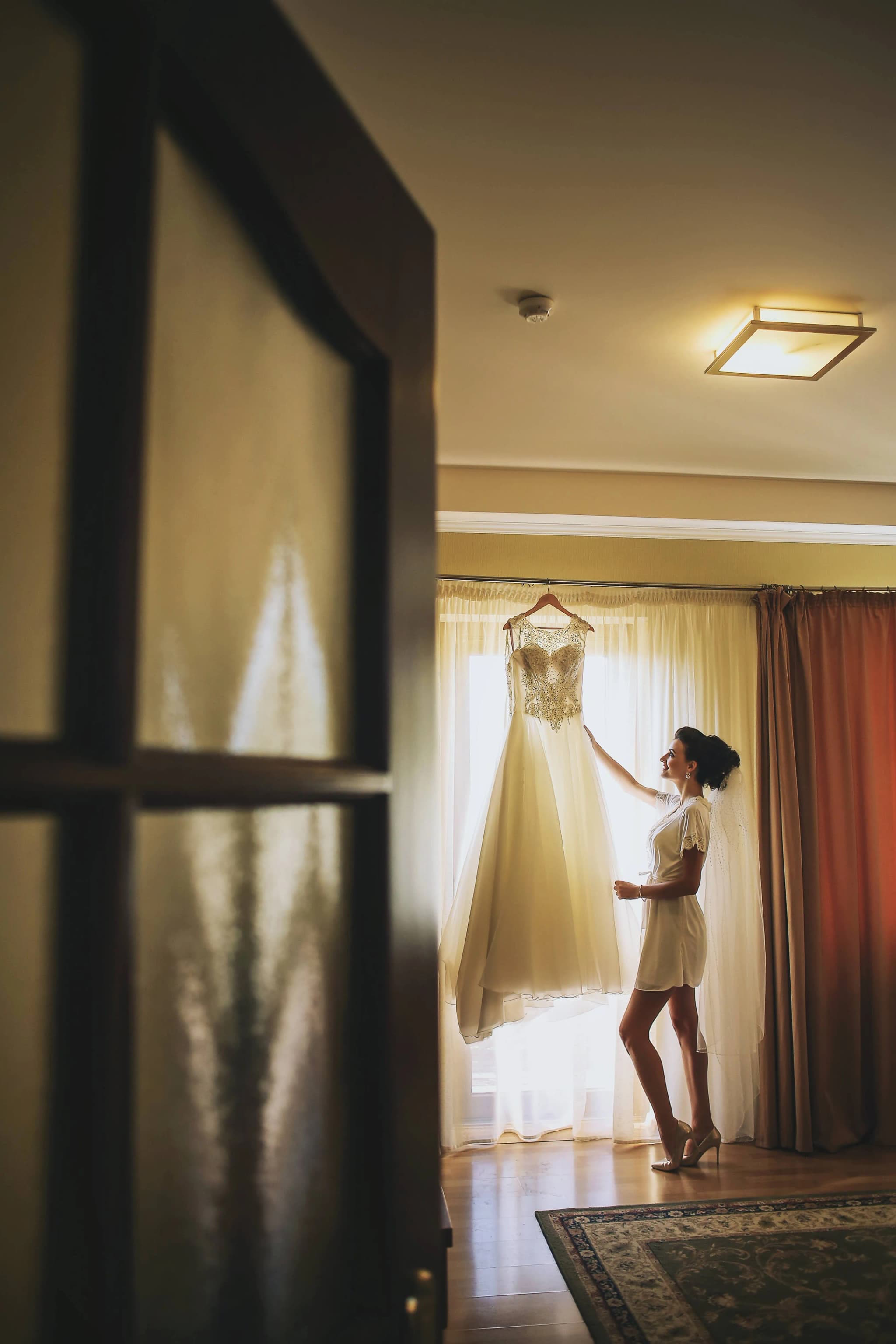
I arrived at half past nine to find the bride and her bridesmaids already deep into the morning — laughter, someone curling hair by the window, the dress hanging in a patch of good light against the glass. I worked quietly for close to two hours here, photographing the preparation itself, detail shots of the dress and flowers and rings, and the atmosphere building steadily as the morning went on. This stretch of the day is one I genuinely love shooting because nobody is performing for the camera yet — it is simply what is happening, and I am there to notice it.
Getting-ready coverage works best when I stay unobtrusive rather than directing. A gentle prompt here and there — asking a bridesmaid to help with the final buttons, catching a mother's reaction as she sees the dress for the first time — but mostly I am watching and waiting rather than staging.
The Ceremony
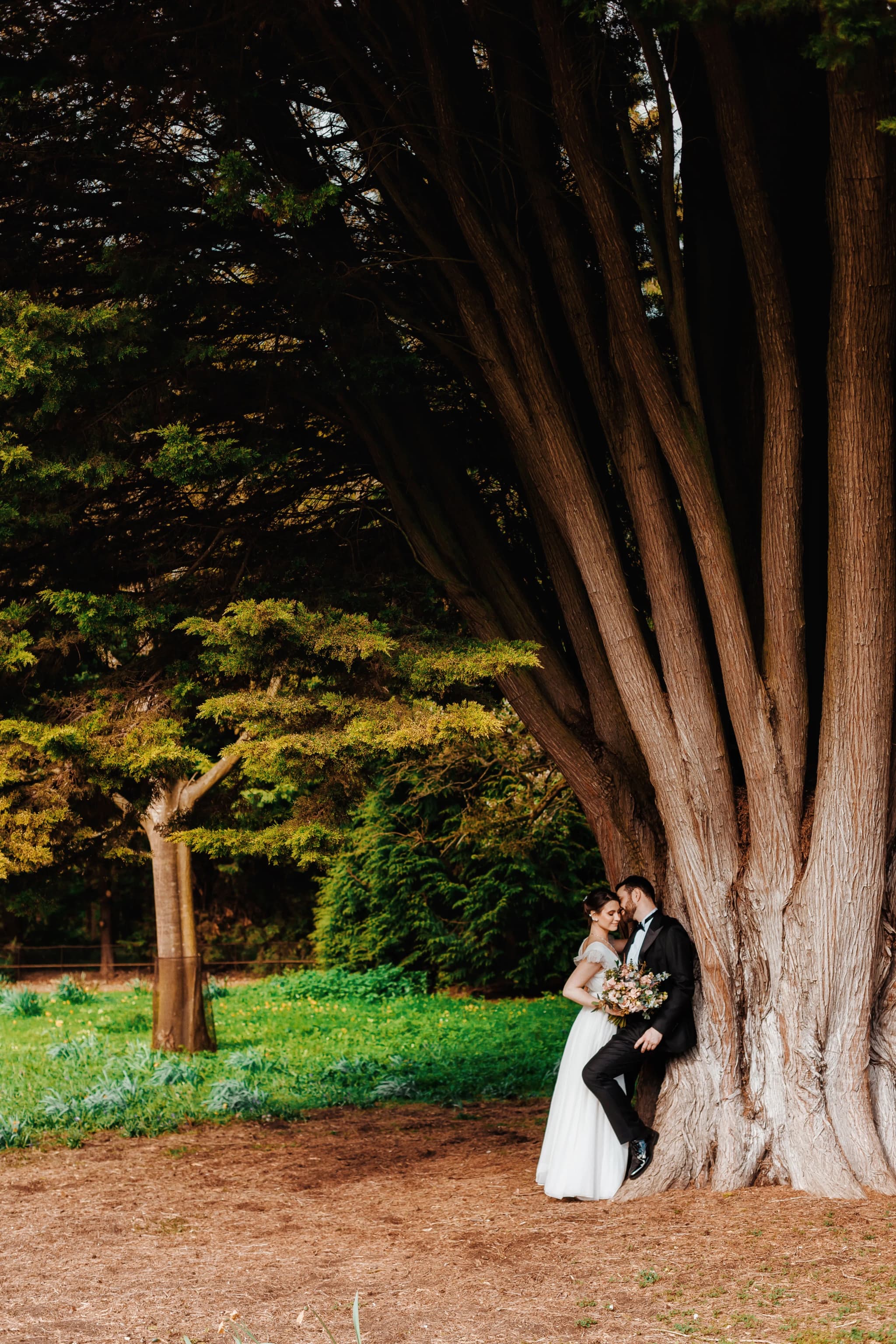
The ceremony itself, in the walled garden, was everything a spring wedding in England should be — dappled light coming through climbing roses not yet in full bloom, swallows overhead, a registrar who told the couple simply to look at each other and forget everyone else was there. I worked from the perimeter throughout, staying as invisible as I can manage, and the images from that particular ceremony are some of the strongest I made all year. Spring ceremonies outdoors carry real risk in England — a sudden shower can move the whole thing indoors with twenty minutes' notice — so I stay flexible and keep equipment ready for either setting until the couple is safely at the altar.
The golden hour portraits
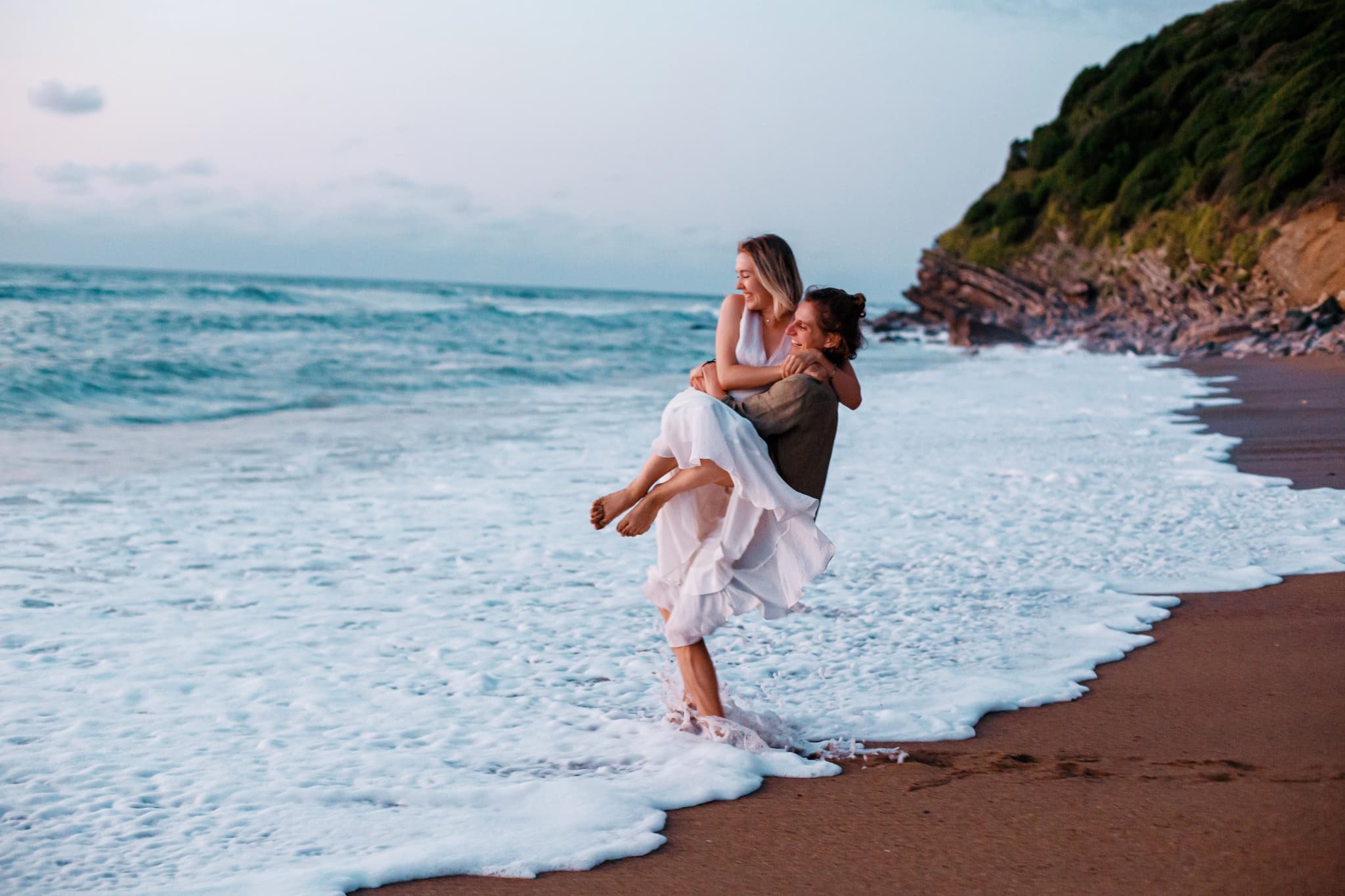
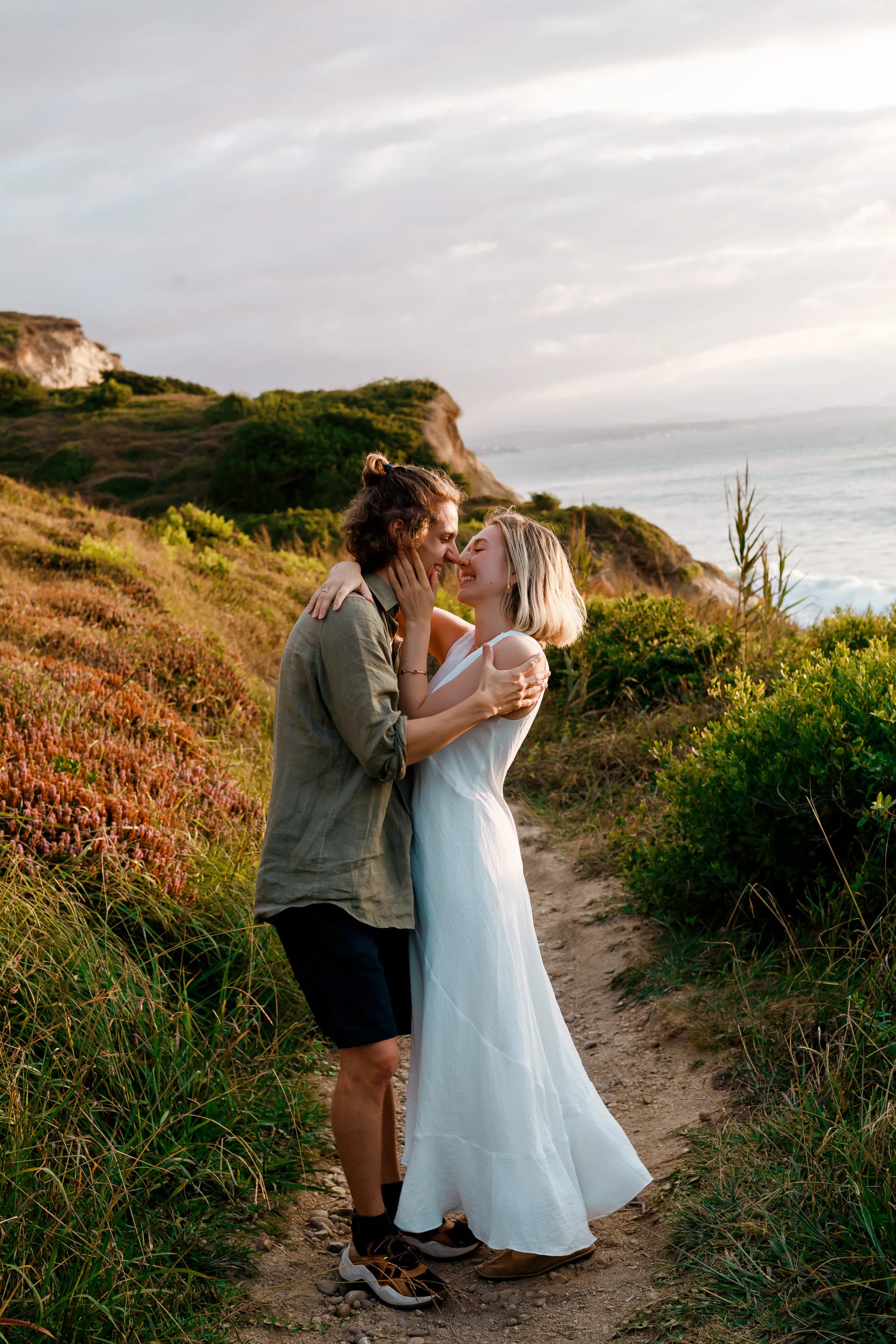
Twenty-five minutes, starting as the light dropped low over the lawn — long grass, warm colour, and a couple who had stopped performing for the camera and were simply enjoying being married. That short window produced some of the best images from the whole day.
Talk to me about your wedding dayThe Reception and the Evening
Once the formal portraits were done, I moved into documentary mode for the wedding breakfast and the speeches — watching reactions rather than posing anyone, staying low-key enough that guests largely forgot I was there at all. This is where the genuinely unrepeatable moments tend to happen: a grandparent's expression during a speech, a flower girl asleep under a table, the exact second a best man's joke lands. None of it can be recreated afterwards, which is exactly why documentary coverage through this part of the day matters so much.
As the light faded and the marquee filled with string lights, I photographed the first dance and the early part of the evening before handing the rest of the night over to the couple properly, without a camera hovering over every moment. Knowing when to stop shooting is as much a skill as knowing when to start.
After the Wedding: Editing and Delivery
Several thousand frames get taken across a full wedding day like this one. The editing process afterwards is as much about curation as technical correction — choosing the images that actually tell the story of the day, cutting duplicates and near-misses, and making sure the final gallery has rhythm rather than simply being every usable frame in chronological order. Within a couple of weeks, a curated gallery goes out via a private online link, generally running into the high hundreds of images rather than the thousands originally taken.
Colour grading for a spring wedding is a slightly different job from a summer or autumn one. Spring light can swing between warm sun and cool, cloudy stretches within the same afternoon, so I work carefully to keep the palette consistent across the gallery rather than letting individual frames feel disconnected from each other because the sky changed between them. Skin tones get particular attention here — spring light is softer than summer light but can also carry a slightly cooler cast, so I balance every image individually rather than applying a single blanket adjustment across the whole set.
The Equipment Behind the Day
People rarely ask about equipment, but it shapes the day more than most couples realise. For a wedding like this one, I carry two camera bodies rather than one, so I am never caught changing lenses at a critical moment — one set up for wider, environmental shots of the venue and guests, the other for closer, more intimate portrait work. Redundancy matters enormously on a day that cannot be reshot; a second body is as much insurance as it is a practical tool.
For the dim ceremony room I mentioned earlier, having fast lenses that perform well in low light without flash meant I could photograph the exchange of vows without a single flash firing, which matters both for the atmosphere of the images and for not distracting the couple or guests during the most important few minutes of the day.
What Makes Spring Weddings Different
Looking back across the spring weddings I have photographed, the thing that sets them apart from summer or autumn is the sense of freshness in every frame — new leaves rather than full summer canopy, the first proper warmth of the year rather than high-summer heat, flowers that feel seasonal rather than expected. There is also a practical planning difference worth knowing about: spring weather in England is genuinely unpredictable, more so than any other season, which means every spring wedding I shoot has a proper contingency plan built into the timeline rather than a vague hope that it will not rain.
That unpredictability is, in a strange way, part of what makes spring weddings so rewarding to photograph. A sudden shower that sends everyone dashing under a marquee awning, laughing, produces images that a perfectly sunny day never would. I go into every spring wedding day expecting the weather to do something, and building the coverage plan so that whatever it does becomes part of the story rather than a problem to route around.
Spring weddings are, in my experience, some of the most rewarding of the year to photograph — the light is soft and forgiving, the colour palette outdoors is fresh rather than heavy, and there is a genuine unpredictability to the weather that keeps every day different from the last. If you are planning a spring wedding and want to talk through how the day might come together, get in touch — I would love to hear about your venue and your plans.

Yana Skakun
Photographer · England
Professional wedding, family and portrait photographer based in England. Passionate about capturing authentic emotions and timeless moments.
About Yana →behind the scenes wedding photographyspring wedding Cambridgeshirewedding photographer day in lifedocumentary wedding photography behind scenes
Behind the Scenes — Professional Photography in Cambridge & England
Yana Skakun is a professional photographer based in Cambridge, covering weddings, families, and portraits across England. Every session is personal — planned around your story, your people, and the moments that matter most. This guide — Behind the scenes: A spring wedding in Cambridgeshire — is part of the photography journal: practical, experience-based advice drawn from real sessions across England. Whether you arrived searching for behind the scenes wedding photography or spring wedding cambridgeshire, the same care and attention shapes every session Yana photographs.
Professional Photography sessions are available year-round, with bookings open across Cambridge, Ely, Huntingdon, Peterborough, and further afield — East England, London, the Midlands, and beyond. If you have specific questions about wedding photographer day in life, mention it in your enquiry. Get in touch through the contact form above to check availability and discuss your session. Enquiries are welcomed from anywhere in the UK.
Frequently Asked Questions
What does a photographer carry in their camera bag?+
A professional wedding or portrait photographer typically carries at least two camera bodies (primary and backup), 3–5 lenses covering wide to telephoto, multiple flash units, batteries and memory cards, a laptop for tethering if shooting in studio, and various accessories. The exact kit depends on the assignment and shooting conditions.
How do photographers edit their photos?+
Most photographers shoot in RAW format and use Adobe Lightroom for primary culling, colour grading, and global adjustments. Photoshop is used for detailed retouching where needed. Many photographers develop custom presets that establish their signature colour palette, then fine-tune each image individually. A typical wedding gallery of 600 images can take 20–40 hours to edit.
How long does it take to receive wedding photos?+
Most professional wedding photographers deliver final edited galleries within 4–8 weeks of the wedding date. Some offer 6–10 week turnaround, particularly during peak season when workload is highest. Discuss expected delivery timelines before booking and confirm it in your contract.
What backup systems do professional photographers use?+
Professional photographers back up images immediately after a shoot, often using dual-card capture during the wedding day itself (if the camera supports it). After the event, files are backed up to at least two separate drives and often a cloud service. Losing a client's images is a career-ending event — every working professional takes data security extremely seriously.
Do wedding photographers watermark their photos?+
Professional photographers typically do not watermark the digital files delivered to clients. Watermarks on personal images are inconvenient for clients and look unprofessional. Watermarking is more common on low-resolution online preview images or social media posts, but delivered gallery images are usually clean and ready to print.
Continue Reading
Related Articles

Behind the Scenes
Carbon Neutral Wedding Photographer: How I Offset My Travel Emissions
6 min read · Read Article

Behind the Scenes
What is an Eco-Friendly Wedding Photographer? (My Commitment)
6 min read · Read Article

Behind the Scenes
Wedding Photographer Emergency Kit: What I Bring to Every Wedding
6 min read · Read Article
Get in Touch
Ready to Book Your Session?
Get in touch to discuss your vision — I'll reply within 24 hours.