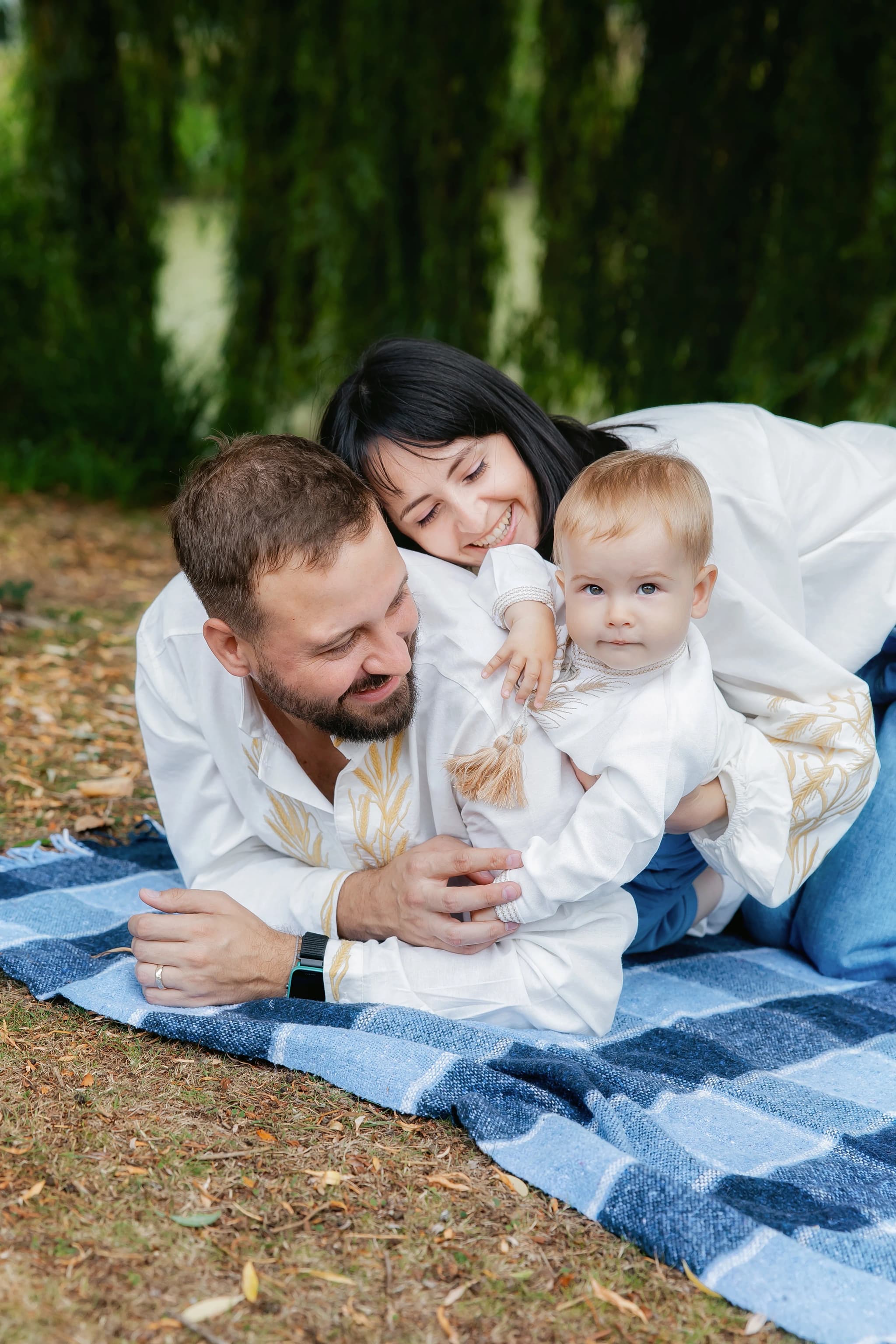
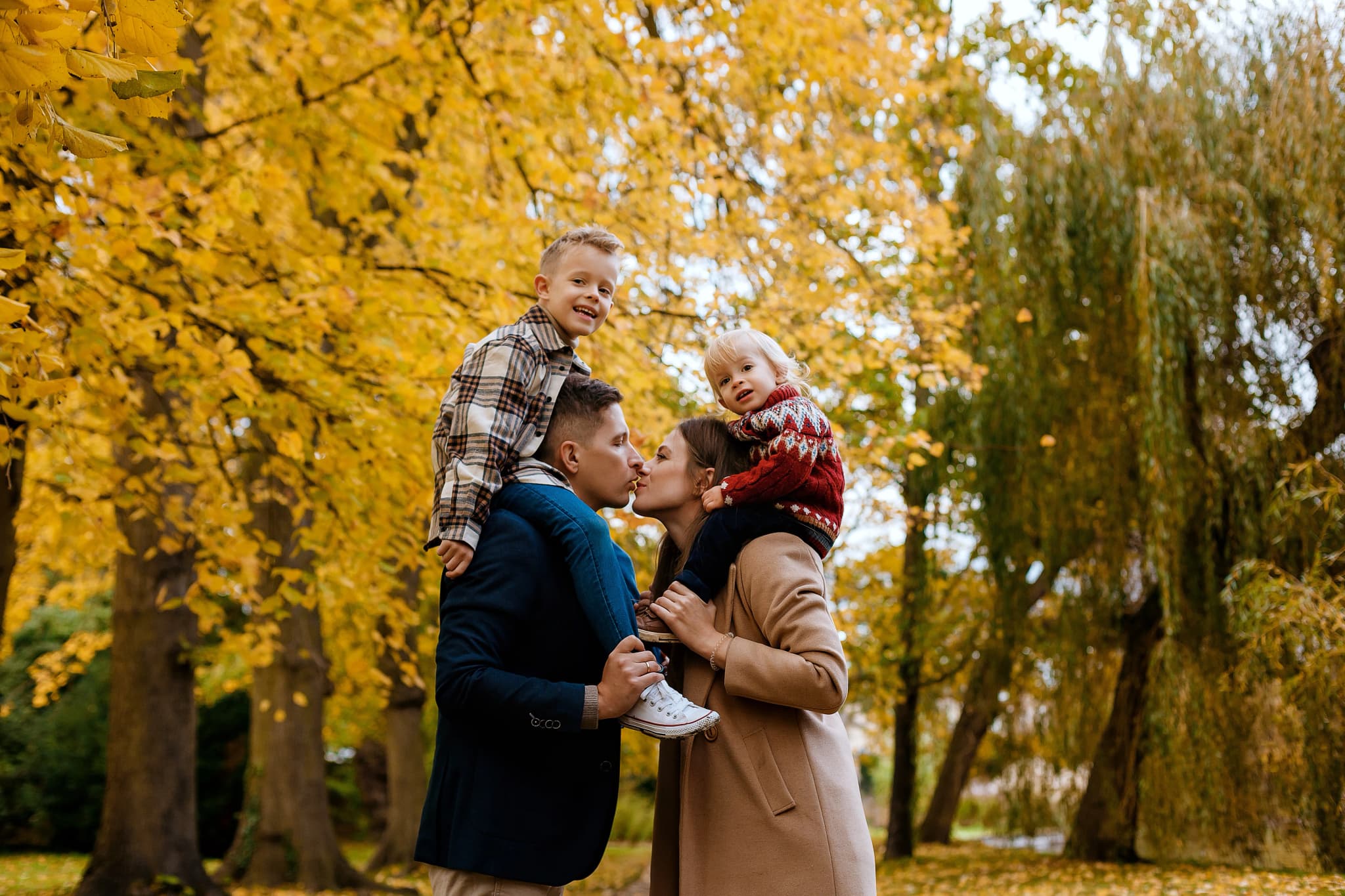
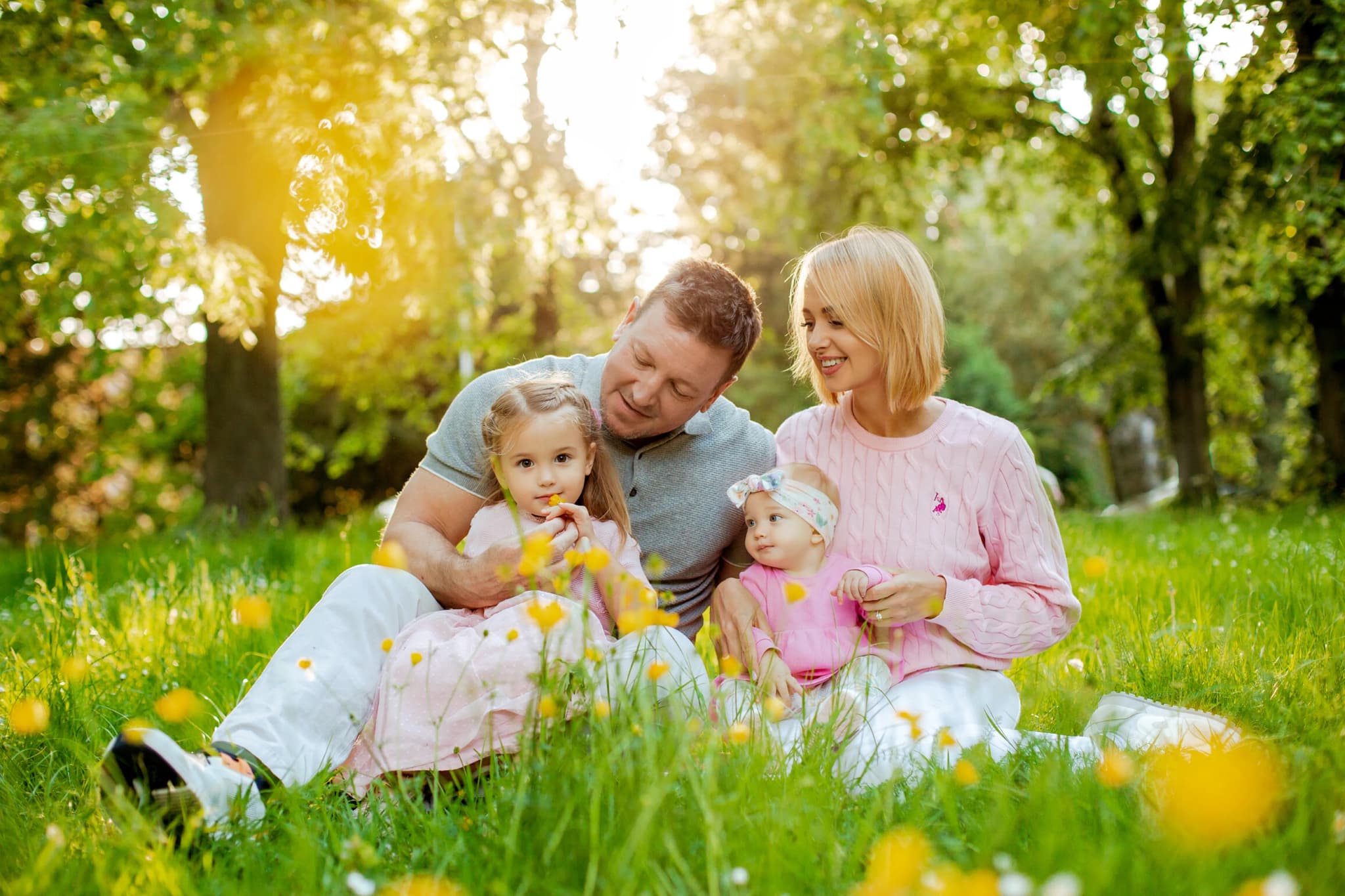
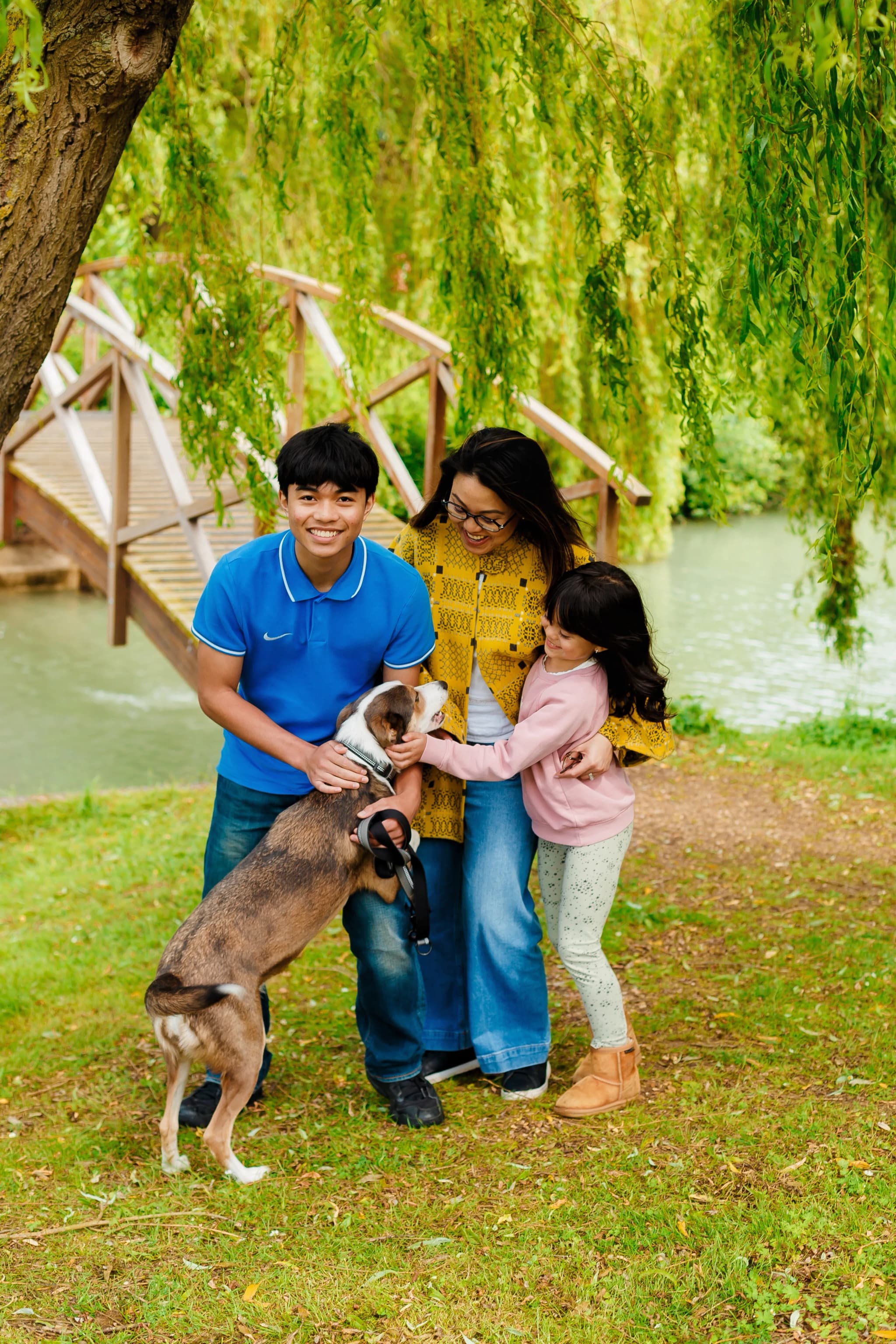
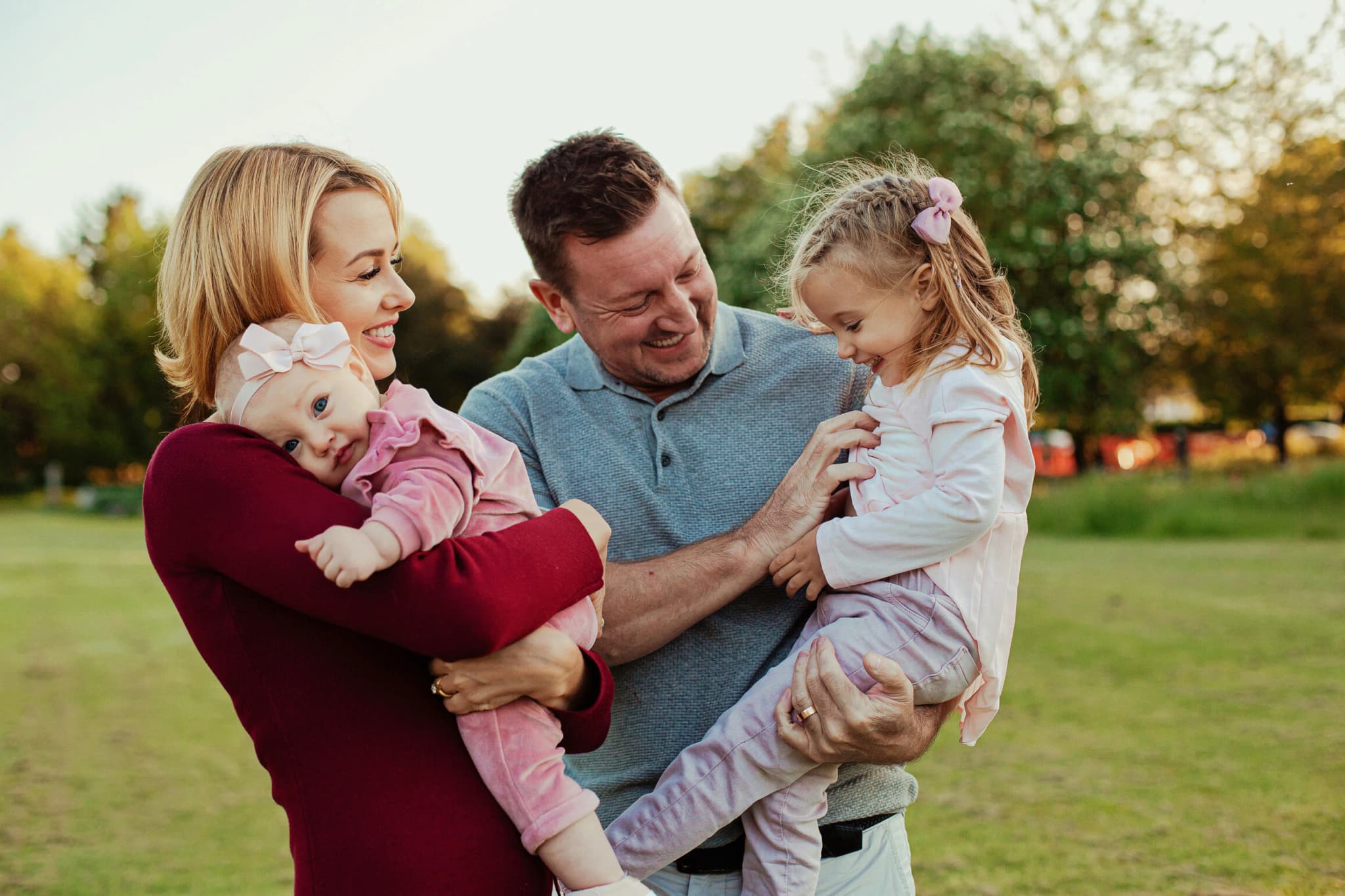
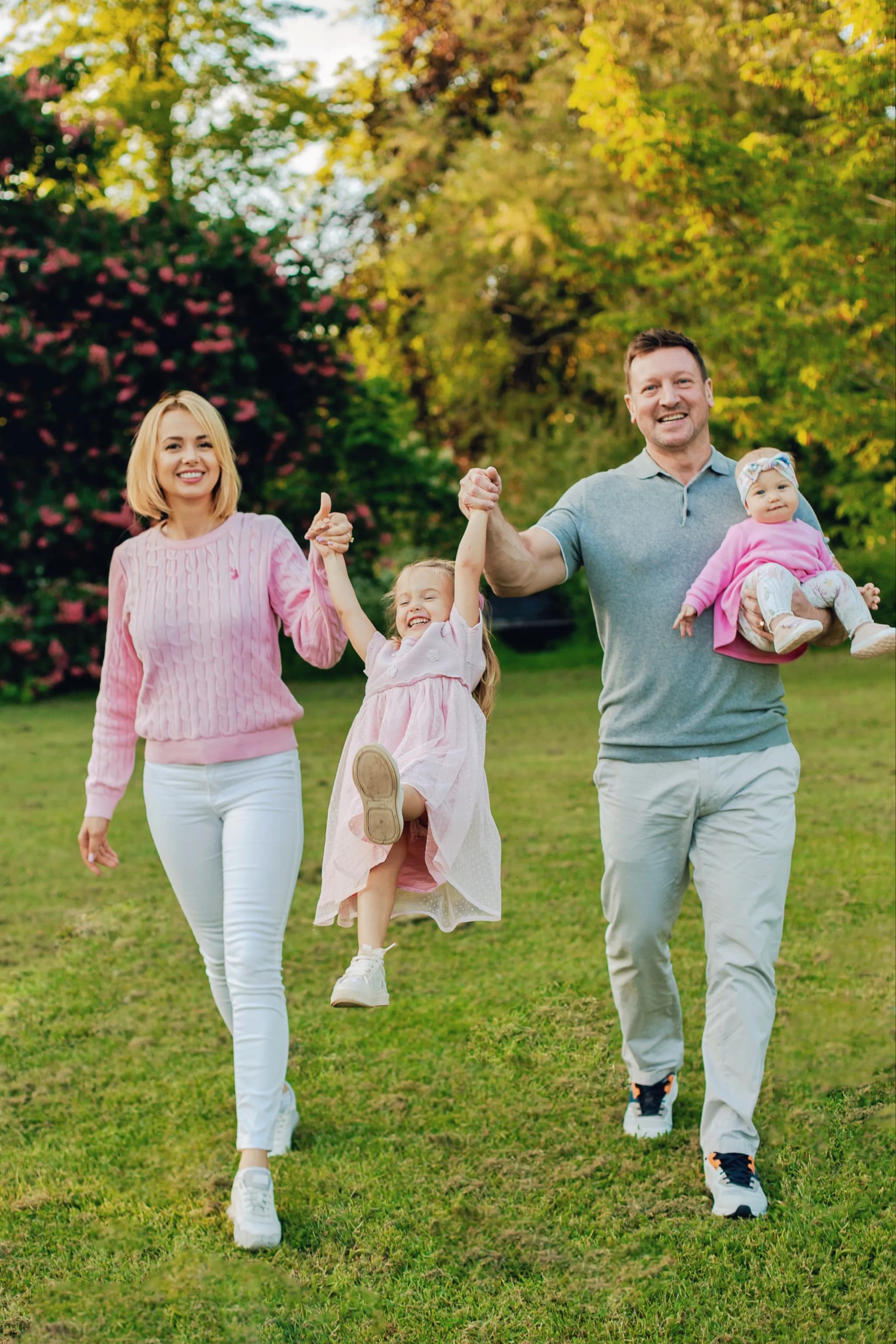
Blended families — families formed through second marriages, step-parenting, co-parenting arrangements, or other non-traditional structures — are now one of the most common family types in England. Yet photography advice still overwhelmingly assumes a nuclear model: two biological parents and their children. If your family doesn't look like that, the guidance doesn't apply — and the anxiety about getting professional photos increases instead of decreasing.
This guide addresses the specific considerations that blended families face when booking a professional photoshoot: navigating relationships, managing expectations, grouping combinations, and how to produce photographs that genuinely represent your family as it actually exists.
The Core Challenge: Defining "Family" for the Session
Before booking a photographer, the most important step is defining who the session includes. In a blended family, this isn't always obvious. Consider:
- Are both biological parents included, or just one parent with a new partner?
- Are stepchildren included alongside biological children?
- Are children from a previous relationship who live primarily with the other parent included?
- Are ex-partners cooperating on this, or does the session need to navigate non-participation?
- Are there grandparents, step-grandparents, or other extended family to include?
There is no wrong answer. The answer simply needs to be decided before the session, not during it. A family session where the groupings are being negotiated on the day is uncomfortable for everyone — the adults, the children, and the photographer.
Communicating With Your Photographer
Your photographer needs to understand the family structure. This isn't gossip — it's practical information that directly affects how they plan the session. A pre-session call or email should cover:
- Who's in the session and their relationships: "My partner's two children will be there, plus my son from my previous marriage. My partner's ex-wife is supportive. My ex-husband is not involved."
- Names and ages: children's names and ages help the photographer address them correctly and calibrate expectations for behaviour
- Any sensitivities: "My stepdaughter is self-conscious about being photographed" or "My son is uncomfortable when people he doesn't know talk about his 'other dad'"
- Grouping combinations you want: this is critical — see below
Planning the Grouping Combinations
In a nuclear family, the group list is simple: the whole family, each parent with kids, siblings together. In a blended family, the combinations multiply — and each combination tells a different story. Consider which of these you want:
- The complete household: everyone who lives under one roof. This is the "family portrait" in the traditional sense.
- The couple alone: the adults whose partnership anchors this family. These images remind you that you're not just parents — you're partners.
- Each biological parent with their children: these honour the pre-existing bonds that remain important regardless of new relationships.
- Step-parent with stepchildren: these images document a relationship that is often invisible in photographs. They matter enormously, sometimes more than anything else in the session.
- All siblings together: biological, half, and stepsiblings. This grouping normalises the sibling relationship across biological lines.
- Individual portraits of each child: particularly important for children who live between two homes — each parent gets a portrait for their own wall.
When Children Resist
Children in blended families may resist a photoshoot for reasons that go deeper than normal shyness:
- Loyalty conflicts: a child may feel that participating in a photoshoot with a step-parent is disloyal to their biological parent
- Change resistance: the photoshoot represents the formalisation of a new family structure they haven't fully accepted
- Awkwardness with new siblings: stepsiblings who don't yet have established relationships may feel uncomfortable posing together
The solutions are mostly human rather than photographic:
- Give children agency. Let them choose some of the groupings. "Would you like a photo just with your mum?" acknowledges their existing family without forcing a new one.
- Don't force physical closeness. If a child doesn't want to be hugged by a step-parent for a photograph, respect that. Proximity — standing near each other, sharing a space — is enough. Forced affection reads as false in photographs anyway.
- Activity-based photography. Walking together, exploring a location, throwing leaves, kicking a ball — these activities create natural photographs without requiring posed closeness.
- Private time. Give the resistant child five minutes alone with the photographer, away from the family dynamic. Often, removed from the group pressure, they relax completely.
What to Wear as a Blended Family
Coordinating outfits for a blended family follows the same principles as any family: aim for a shared colour palette rather than matching outfits. But there are additional considerations:
- Don't split by biological grouping. If the biological children wear blue and the stepchildren wear something different, the visual separation reinforces the biological divide. Choose a palette that everyone draws from equally.
- Let children have input on their outfits. Within the colour palette, let each child choose what they wear. This gives them ownership of the session and reduces resistance.
- Avoid identical matching. "We all wore the same white t-shirt" looks forced in any family portrait. It looks particularly forced when the unity it implies doesn't match the family's actual complexity.
The Emotional Weight of These Photographs
Blended family photographs carry extraordinary emotional significance — precisely because the family they record required deliberate choice. No one is born into a blended family. Every relationship in it was chosen, negotiated, and maintained through effort.
For step-parents, a family photograph that includes them is often the first time they see themselves visually belonging to this family. For children, seeing themselves in a family portrait with their step-parent or stepsiblings normalises a reality they might still be processing. For the couple, the photograph represents the family they built together from separate starting points.
These photographs are more than decoration. They're documentation of a family's decision to become a family. That makes them some of the most important portraits a photographer can create.
Co-Parenting Collaboration
In the most cooperative co-parenting arrangements, both households participate in the session. This can look like:
- Both biological parents photographed with the child (separately)
- The child photographed with each household's family unit
- In rare, amicable cases, all adults together — an extended family portrait that acknowledges the full picture
When this works, the result is extraordinary — a child sees that all the adults in their life can share a space, and the photographs document a network of care rather than competing units.
When it doesn't work — when one parent is uninvolved, hostile, or absent — the session should honour the family that does show up. Don't apologise for who isn't there. Photograph who is.
Location Choices for Blended Families
Neutral locations often work better than homes — especially when this is a newer family unit. A park, a beach, a woodland, or a garden offers space for everyone to spread out and regroup naturally without the territorial dynamics a home can carry. Activity-friendly locations are particularly valuable because they give everyone something to do, reducing the "stand and smile" pressure that heightens awkwardness.
How Often to Photograph a Blended Family
Blended families evolve faster in their early years than established nuclear families. Relationships between stepsiblings deepen. A step-parent's role becomes more established. Children grow and their comfort with the new structure increases. Photographing annually during the first three to five years captures this evolution — and the difference between year one and year three is often visible in the body language alone.
Annual sessions also serve a practical function: they create a visual narrative of this family's existence. For a child who moves between two homes, having a series of family portraits from each household provides continuity and belonging that transcends the logistics of custody arrangements.
Every family structure is welcome before my camera.
I work with blended families regularly and handle every session with care and sensitivity. Book a family session.