Yana Skakun
Cotswolds wedding venues: A photographer's guide to the best locations
By Yana Skakun·13 October 2026·12 min read
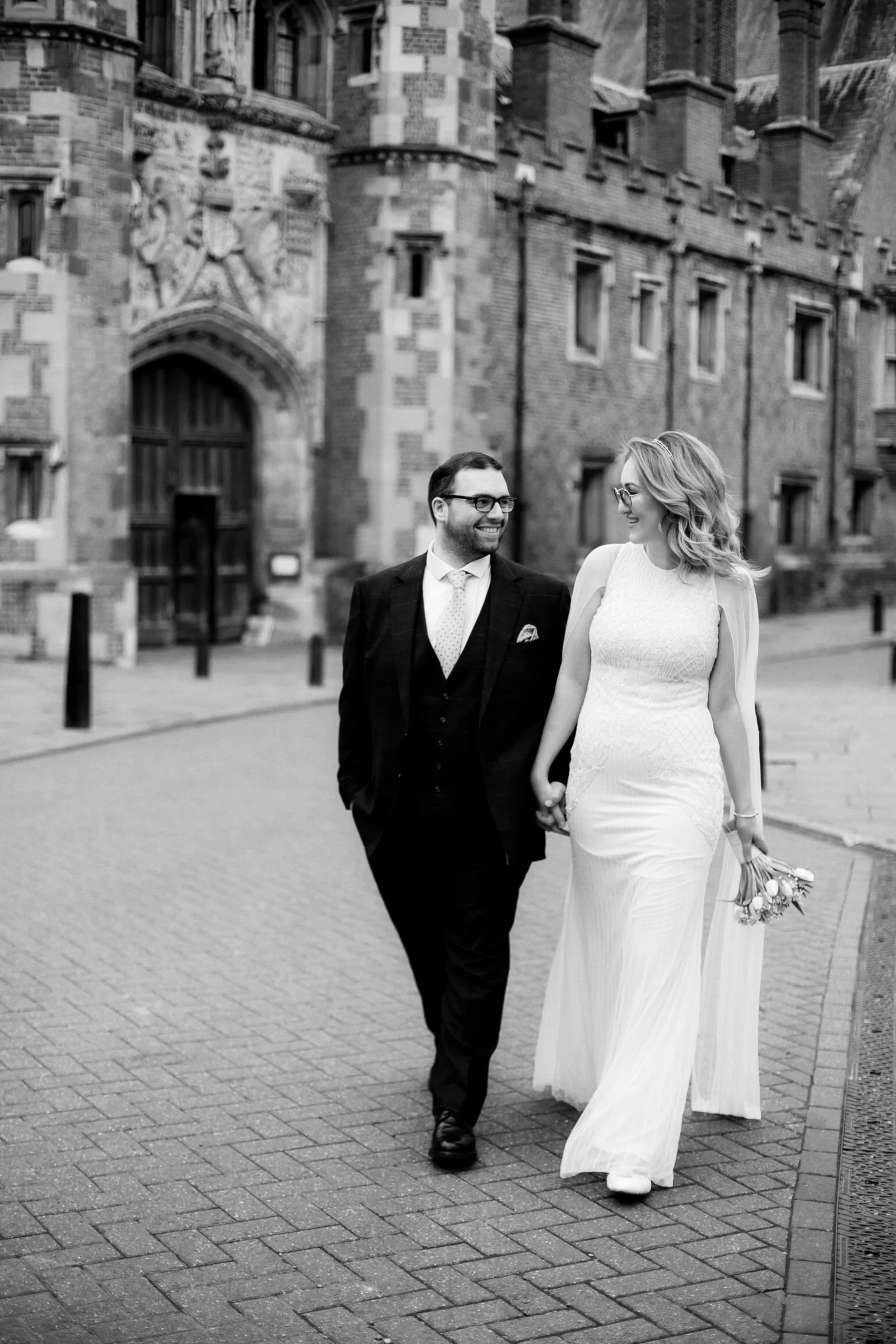
The Cotswolds is the most photographed wedding region in England outside London, and for good reason. Honey-coloured limestone villages, rolling hills that turn gold in the late-afternoon light, and a concentration of barns, manor houses, and ancient churches unlike anywhere else in the country. I travel out from Cambridge to shoot Cotswolds weddings several times a year, and the same question comes up in almost every planning call: which venue, and why does it matter so much for the photographs? The honest answer is that the venue does more of the visual work in the Cotswolds than almost anywhere else I shoot, which makes choosing well — and understanding what each type of venue actually offers a photographer — worth real thought before you sign a contract.
Barn Venues
The Cotswolds barn wedding has become the defining format of the modern English country wedding: exposed timber beams, reclaimed stone floors, festoon lighting strung across the roof line, and views out across genuinely undulating countryside. Couples love barns because they photograph beautifully in the wide shots — the kind of image that shows the whole scene, guests scattered across a lawn, the barn glowing at dusk. What couples do not always anticipate is how challenging barns are from the photographer's side of the lens.
Barns are typically low-ceilinged, with a mix of daylight coming through doors and windows and warm artificial light from the fittings inside, which creates mixed colour temperatures that need careful handling to avoid images that look sickly yellow or patchy. Space for genuinely wide shots during the ceremony itself is often limited, which is why I always ask in advance where the aisle will run and whether there is room to shoot from a side angle as well as straight on. The best barn venues I work with have large doors that open fully onto the courtyard or garden, allowing real daylight to flood the ceremony space rather than relying entirely on artificial light, and this single detail makes an enormous difference to how natural the ceremony photographs look afterwards.
When I am assessing a barn venue's own photography on their website, I look specifically at whether the ceremony images are lit by window light or by flash. Flash-lit barn ceremony photographs tend to look flat and slightly clinical; window-lit ones have depth, shadow, and warmth. If a venue's own gallery is full of flash-heavy interior shots, that is often a sign the natural light in the space is limited, and it is worth asking directly what time of day the ceremony will be scheduled and where the sun will be.
Manor Houses and Country Estates
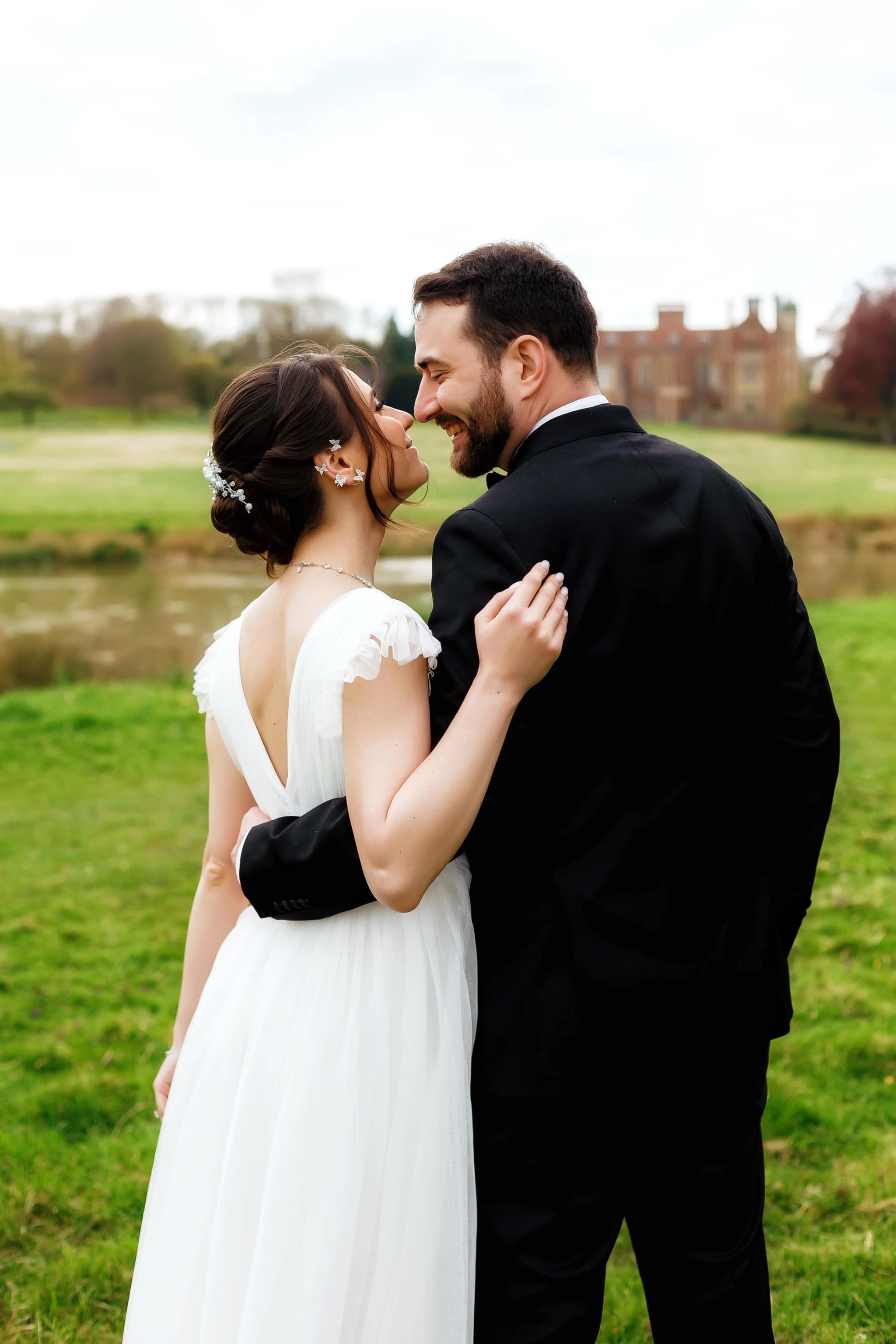
Cotswolds manor houses — typically seventeenth or eighteenth century, built from the same warm limestone as the villages around them — are, in my experience, the most photographically reliable wedding environment the region offers. The stone exteriors hold colour and texture in almost any light, from flat overcast mornings to the golden hour before sunset, which takes a huge amount of risk out of the day compared with venues that depend on clear skies to look their best.
Formal gardens attached to these estates give structured settings for couple portraits: clipped hedging, symmetrical borders, stone steps, and mature trees that have been growing for a century or more. The interiors combine genuine architectural character — oak panelling, grand staircases, tall sash windows — with serviceable natural light in most of the principal rooms, which means indoor portraits and detail shots on a wet day are rarely a compromise.
The risk with manor house venues is sameness. Because so many weddings are hosted at the same handful of well-known estates each season, it is easy to end up with a gallery that looks interchangeable with dozens of others taken at the same venue. Part of my job on a manor house wedding day is knowing which specific corners, staircases, and garden vantage points at that particular venue produce something distinctive rather than the same three shots every photographer takes there. I always do a walk-through in advance, ideally at the same time of day as the ceremony, so I know exactly where the light will fall on the day itself.
Village Churches and Village Halls
The Cotswolds village church — almost always Norman or Perpendicular Gothic, built in the same honey-coloured limestone as everything else in the region — is one of the most photographically satisfying wedding settings in England. Exterior shots after a church ceremony are close to guaranteed to be beautiful: the churchyard, the lychgate, confetti thrown against weathered stone walls that have stood for eight hundred years. There is a gravity and a warmth to these settings that newer buildings simply cannot replicate.
The challenge is almost always the interior light. Cotswolds churches tend to be deeply shadowed inside, with small stained-glass windows that throw beautiful but very uneven, coloured light across the aisle. Exposing correctly for a bride walking down a shadowed aisle towards a brightly lit altar window behind her is a genuinely technical problem, and it is one reason I always recommend a second, informal visit to any church venue in the weeks before the wedding, at roughly the ceremony time, to see exactly how the light behaves.
Village halls attached to these churches, often used for the reception when a couple wants to keep the whole day within walking distance of the village, are more modest spaces but come with their own charm: bunting, trestle tables, a genuinely local feel that larger commercial venues cannot buy. They photograph best when the couple leans into that character rather than trying to dress the space up as something grander than it is.
A note on venue questions
From a photography perspective, the most important questions to ask before booking a Cotswolds venue are practical ones: can we access the grounds for couple portraits away from the main event, is there a curfew on outdoor access after dark, what is the policy on confetti and where is it permitted, and are there any areas of the venue that cannot be photographed for privacy or insurance reasons. Asking these before you sign prevents surprises on the day itself, when there is no time to renegotiate.
Get in touch about your Cotswolds weddingWeather, Season, and Light in the Cotswolds
The Cotswolds sits slightly higher and more exposed than Cambridgeshire, and the weather can turn faster than couples planning from further away sometimes expect. Late spring and early autumn tend to give the most reliable combination of soft light and comfortable temperatures, and they are also when the hedgerows and gardens attached to manor house venues look their best. High summer brings longer days and a later golden hour, which is wonderful for evening portraits but also means the midday sun over open Cotswolds hillside can be harsh and unflattering if the ceremony is scheduled around midday.
I always build a weather contingency into the timeline for any Cotswolds wedding I shoot, discussed with the couple in advance rather than improvised on the day. Barns and manor houses generally have strong indoor backup options; village church weddings sometimes need a plan B a short drive away if the churchyard itself is unusable in heavy rain. Knowing the venue well enough to have already scouted that backup, rather than discovering it for the first time in the middle of a downpour, is part of what separates a smooth wedding day from a stressful one.
Getting the Most from Your Chosen Venue
Whichever type of venue you choose, the single most useful thing you can do for your photographs is build in time. A wedding day timeline packed too tightly leaves no room for the ten or fifteen minutes of unhurried couple portraits that produce the images most couples treasure years later. I always ask for at least twenty minutes alone with the couple somewhere on the property, away from the main group, ideally timed to catch the best light of the afternoon rather than squeezed in wherever a gap happens to appear.
It is also worth walking the grounds with your photographer, or at minimum sharing venue photographs and a site plan, well before the day. Cotswolds properties often have a hidden corner — an orchard, a walled garden, a view over the valley from a spot not featured on the venue's own marketing — that produces something genuinely different from every other wedding shot there that season. Finding that corner takes a bit of legwork in advance, but it is exactly the kind of detail that makes a gallery feel like it belongs to you rather than to the venue.
I photograph weddings across the Cotswolds from a base in Cambridge, travelling out for the day or staying locally depending on the venue and timeline. If you have a venue in mind, or are still deciding between a barn, a manor house, and a village church, get in touch and I am happy to talk through what each option means for your photographs and check availability for your date.

Yana Skakun
Photographer · England
Professional wedding, family and portrait photographer based in England. Passionate about capturing authentic emotions and timeless moments.
About Yana →Cotswolds wedding venuesbest Cotswolds wedding venues photographyCotswolds barn weddingCotswolds manor wedding venuewedding photography Cotswolds
Venue Guides — Wedding Photography in Cambridge & England
Yana Skakun photographs weddings across England, with particular expertise in regional venues and the distinct lighting and architectural challenges each space presents. Coverage areas include Cambridgeshire, East England, London, and the Midlands. This guide — Cotswolds wedding venues: A photographer's guide to the best locations — is part of the photography journal: practical, experience-based advice drawn from real sessions across England. Whether you arrived searching for cotswolds wedding venues or best cotswolds wedding venues photography, the same care and attention shapes every session Yana photographs.
Wedding Photography sessions are available year-round, with bookings open across Cambridge, Ely, Huntingdon, Peterborough, and further afield — East England, London, the Midlands, and beyond. If you have specific questions about cotswolds barn wedding, mention it in your enquiry. Get in touch through the contact form above to check availability and discuss your session. Enquiries are welcomed from anywhere in the UK.
Frequently Asked Questions
What are the best wedding venues in Cambridgeshire?+
Cambridgeshire has excellent options across every budget and style. King's College Chapel and Trinity Hall offer iconic Cambridge settings. Anstey Hall and Ely Cathedral provide classic country house and cathedral drama. Granchester Meadows and various farm venues suit couples wanting a relaxed outdoor feel. The region's historic colleges, riverside venues, and country estates make it one of England's finest wedding destinations.
How do I find a hidden gem wedding venue?+
Look beyond the first page of Google results. Talk to your photographer and caterer — suppliers who work at venues regularly know which ones are genuinely beautiful to work in versus just well-photographed. Visit venues in person rather than relying on Instagram. Historic house venues, working farms, and privately-owned estates sometimes offer exceptional beauty without the premium price of established commercial venues.
What is the average cost of a wedding venue in England?+
Venue hire in England typically ranges from £2,000 to £15,000+ depending on region, exclusivity, catering arrangements, and guest numbers. London and the Home Counties tend to be at the higher end. East Anglia and the Midlands offer excellent venues at more accessible price points. Some venues quote a total minimum spend including catering, so always understand what's included.
Can you get married outside in England?+
Since 2022, couples in England and Wales can legally marry in a wider variety of outdoor settings, though regulations are still evolving. Many licensed venues now offer outdoor civil ceremonies. Check with your local Register Office for current rules and licensing requirements if you want a legal outdoor ceremony.
What is a dry hire wedding venue?+
A dry hire venue provides the space only — you arrange all your own suppliers (caterers, bar, furniture, decorations, entertainment). It gives maximum flexibility and can be more cost-effective than all-inclusive venues, but requires more coordination. Make sure you understand what's included: some 'dry hire' venues include tables and chairs, others are literally just a shell space.

Get in Touch
Ready to Book Your Session?
Get in touch to discuss your vision — I'll reply within 24 hours.