Yana Skakun
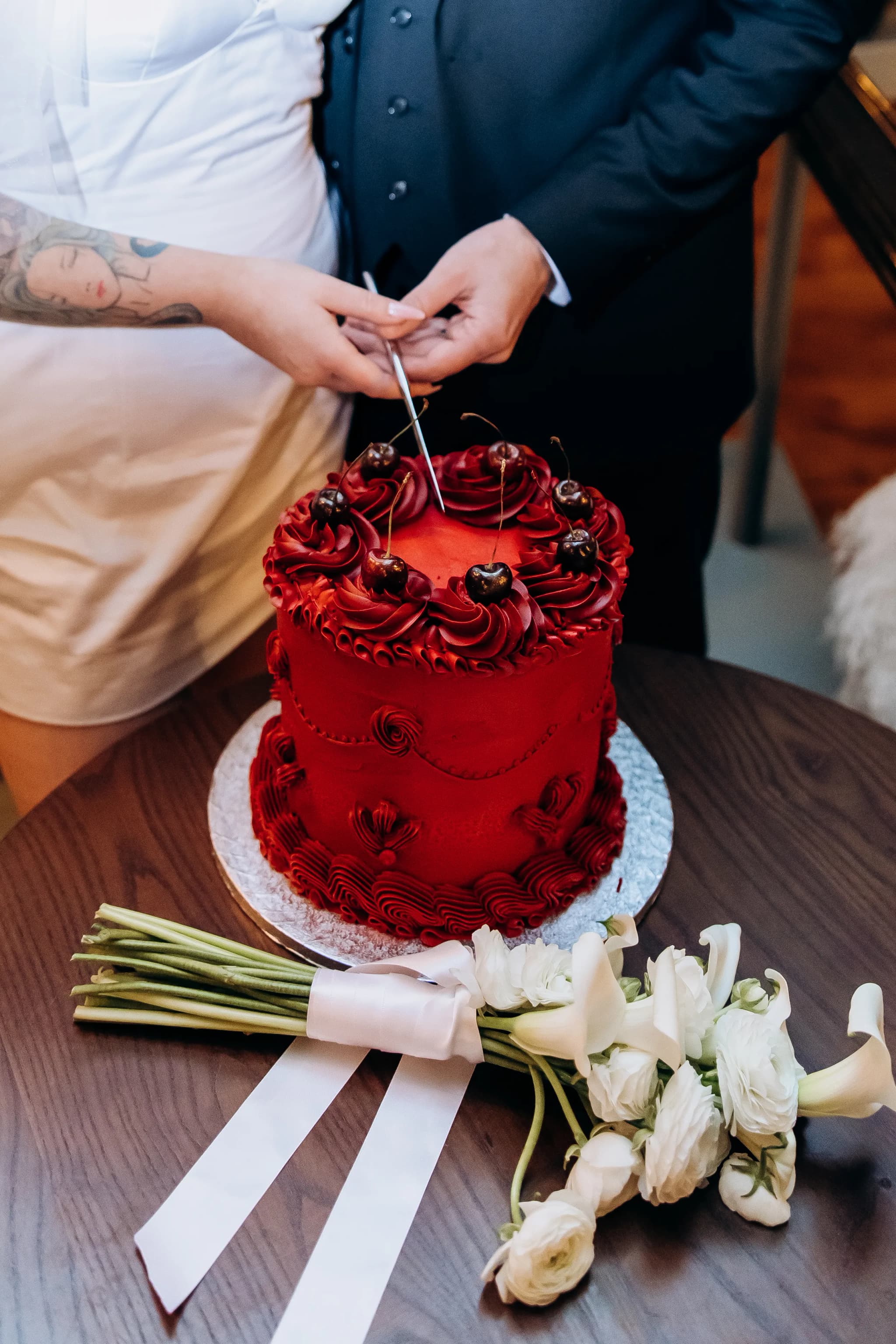
Film vs digital photography: What is the difference and does it matter?
By Yana Skakun·7 July 2026·9 min read
Film photography has returned in a way almost nobody in the industry predicted fifteen years ago. What was declared obsolete in the mid-2000s, replaced entirely by memory cards and instant previews, now commands genuine enthusiasm — both from photographers who never stopped shooting it through the digital transition, and from a new generation of clients who never knew it as their primary format and are drawn to it precisely because it feels unfamiliar. I get asked about film more often now than at any point in my career, usually by couples who have seen a particular look on Instagram and want to know whether it is achievable, and whether it is right for their day. Here is an honest, practical answer.
The Aesthetic Difference
Film grain, when it appears, is organic and genuinely random — each grain cluster is slightly different from the next, producing a texture that digital noise, even the best modern high-ISO digital noise, does not replicate convincingly. There is a physical, chemical randomness to it that algorithms approximate but do not truly reproduce. Film also renders colour with a particular palette that varies by stock: a slight warmth or magenta cast in the shadows, often a distinctive blue-green quality in blown highlights on certain emulsions, and a general tonal compression that flatters skin in bright conditions where digital sensors would otherwise clip.
Kodak Portra 400 and Fuji 400H are the two films most often cited as producing a look that digital struggles to reproduce exactly, though editing presets and profiles have become extraordinarily good at approximating the general character. What they cannot fully replicate is the way film handles extreme dynamic range — very bright skies alongside very dark shadow detail — with a gentler, more forgiving roll-off than a digital sensor, which tends to clip highlights more abruptly once its limit is reached.
There is also something to be said for the fact that film has a fixed, known character per stock. A roll of Portra 400 looks like Portra 400 regardless of who shoots it, whereas a digital photographer's colour grading is a personal signature applied afterwards. Some clients specifically want the former: a known, referenceable, timeless palette rather than a contemporary trend that might feel dated in a decade.
The Practical Difference
Film is slow, and I do not mean shutter speed — modern film stocks have excellent dynamic range and colour rendition even at moderate speeds. I mean the workflow around it. A roll of 35mm film contains 36 frames; a roll of 120 medium format film, the format most wedding and portrait film photographers actually prefer for its larger negative and finer detail, contains only 12 to 16 frames. A professional digital photographer might take 800 to 1,200 frames across a full wedding day. A film photographer working the same day, even shooting selectively and only for key moments, is working with a fraction of that volume and cannot review a single frame until the roll comes back from the lab.
This constraint changes how both photographer and subject relate to the camera, and it is not purely a negative. There are fewer attempts, more deliberate framing, and none of the spray-and-pray approach that digital permits and, frankly, sometimes encourages. Photographers who shoot film exclusively often talk about how it forces a slower, more intentional way of seeing — waiting for the moment rather than capturing a burst and selecting afterwards. The trade-off is that there is no safety net. If the exposure is wrong, if the moment is missed, there is no instant preview to catch the mistake and reshoot.
The Cost Difference
Film costs money at every single stage of the process — purchase, professional development, and high-resolution scanning — and none of those costs are optional if you want usable, gallery-quality final images. A roll of Kodak Portra 400 currently costs somewhere in the region of £15 to £20 in the UK, and prices have climbed steadily over the past several years as manufacturers have scaled back production and demand has risen again. Professional processing and scanning adds a further £20 to £30 per roll on top of that, depending on the lab and the resolution of scan requested.
A photographer shooting a full wedding day entirely on film, covering getting ready through to the evening reception, could realistically spend £500 to £900 in materials alone before a single hour of their time is accounted for. That cost has to be reflected in what they charge, which is one of the main reasons full-day film wedding photography tends to sit at a significantly higher price point than equivalent digital coverage. Most photographers who work with film professionally, myself included when I use it for specific requests, use it as a supplementary format rather than the sole one — shooting digital as the primary, reliable record of the day and bringing out a film camera for a select set of formal portraits or a particular creative sequence.
A note on my own approach
I shoot digitally and edit with a consistent, natural-light style designed to hold the warmth and softness people associate with film, without the cost and risk of shooting an entire wedding day on it. If a particular look is important to you, tell me during our initial conversation and I can talk you through exactly what is and is not achievable.
Get in touch about your photographyWhen Film Genuinely Makes Sense
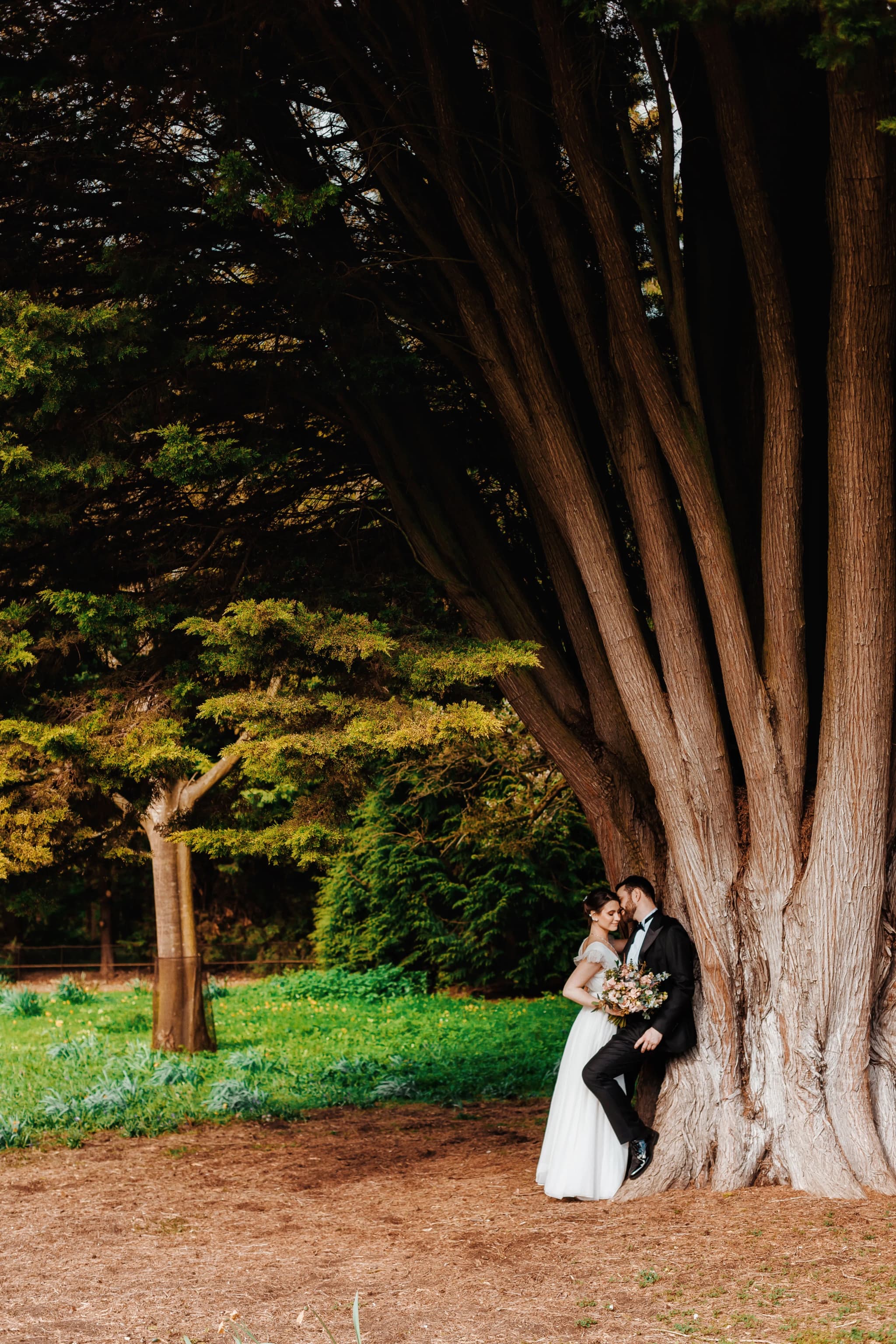
Film makes the most sense when the aesthetic itself is the brief — when a client specifically wants that look, understands the trade-offs, and the session format supports the constraints of the medium. Portrait sessions, engagement sessions, and editorial-style shoots all support a film or hybrid approach comfortably, because the pace is naturally slower and the number of images required is modest. A couple having a relaxed engagement session in a park has time for a photographer to load film, meter carefully, and take a considered dozen frames.
A twelve-hour wedding day moving through changing light, indoor and outdoor conditions, and constantly shifting groups of people is a much harder environment to photograph reliably on film alone, without either very high material costs or the safety net of a second digital shooter working alongside. Most photographers who offer film wedding coverage build it as an add-on to digital coverage rather than a replacement for it, precisely because the risk profile of film — no instant feedback, limited frames, and processing that happens weeks after the day — is harder to justify for an event that cannot be repeated.
Hybrid Approaches
A growing number of photographers, myself included on occasion for specific requests, work in a hybrid way — shooting the bulk of a session or wedding day digitally, then bringing out a film camera for a small, deliberate sequence of images within it. This approach captures the benefits of both formats without the full cost or risk of shooting an entire event on film alone. A couple might have their full wedding day covered digitally, with a handful of formal portraits or a quiet getting-ready moment shot on film specifically for its distinctive texture.
The hybrid approach also allows a photographer to be selective about when film genuinely adds something. Film's particular colour rendering and grain structure tend to shine in soft, even light — an overcast afternoon, gentle window light, golden hour — and matter far less in flat midday sun or in dim indoor venues where digital sensors already outperform film considerably. Choosing the moments that suit the medium, rather than shooting everything on film out of principle, tends to produce the strongest results from a hybrid session.
The Honest Answer
The best photographers produce beautiful, moving work in either format because the format is not actually the primary variable in what makes a photograph good. Light, composition, timing, genuine expression, and the relationship between photographer and subject are the variables that matter most. A great film photographer and a great digital photographer will produce images that look different from one another in texture and colour, but both will be genuinely good, because the skill sits upstream of the equipment. A mediocre photographer in either format will produce mediocre results regardless of what camera they are holding.
My advice to anyone choosing between photographers on the basis of format is to set the format question aside for a moment and ask to see a photographer's actual completed galleries instead — full weddings or full sessions, not just curated highlight reels. That tells you far more about what you will actually receive than whether the camera loaded a memory card or a roll of 120 film. If you would like to talk through what approach suits your day or session, get in touch and I am happy to talk you through it honestly.

Yana Skakun
Photographer · England
Professional wedding, family and portrait photographer based in England. Passionate about capturing authentic emotions and timeless moments.
About Yana →film vs digital photographyfilm photography UKanalogue photographyshould I hire a film photographerdigital photography explained
Photography Tips — Professional Photography in Cambridge & England
Yana Skakun is a professional photographer based in Cambridge, specialising in wedding, family, and portrait photography across England. Every session is personal — planned around your story, your people, and the moments that matter most. This guide — Film vs digital photography: What is the difference and does it matter? — is part of the photography journal: practical, experience-based advice drawn from real sessions across England. Whether you arrived searching for film vs digital photography or film photography uk, the same care and attention shapes every session Yana photographs.
Professional Photography sessions are available year-round, with bookings open across Cambridge, Ely, Huntingdon, Peterborough, and further afield — East England, London, the Midlands, and beyond. If you have specific questions about analogue photography, mention it in your enquiry. Get in touch through the contact form above to check availability and discuss your session. Enquiries are welcomed from anywhere in the UK.
Frequently Asked Questions
What camera settings should I use for outdoor portraits?+
For outdoor portraits, shoot in aperture priority mode. Use a wide aperture (f/1.8–f/2.8) to blur the background and isolate your subject. Keep ISO as low as possible in good light. In bright conditions, use a neutral density filter or switch to manual to avoid overexposure at wide apertures.
What is the golden hour in photography?+
Golden hour is the period roughly 30–60 minutes after sunrise and before sunset. The sun is low in the sky, producing warm, soft, directional light that flatters skin tones and creates beautiful long shadows. It's widely considered the best natural light for portrait and outdoor photography.
How do you get sharp photos in low light?+
In low light, increase your ISO (accepting some grain), use the widest aperture your lens allows, and slow your shutter speed to the slowest you can hand-hold without camera shake (roughly 1/focal length as a guide). Use image stabilisation if available, and consider a tripod for static subjects.
What is the rule of thirds in photography?+
The rule of thirds divides the frame into a 3×3 grid. Placing your subject on one of the four intersection points — rather than dead centre — creates a more dynamic, visually interesting composition. It's a guideline, not a rule: some of the most powerful images break it deliberately.
How do you edit photos to look professional?+
Professional editing starts with shooting in RAW format. In Lightroom or similar software, correct exposure, white balance, and contrast first. Recover shadow and highlight detail. Apply gentle colour grading for mood. Be conservative with skin retouching — the goal is natural enhancement, not transformation. Consistency across a set of images is what separates professional from amateur editing.
Continue Reading
Related Articles

Photography Tips
Photography Gift Vouchers: The Most Personal Present You Can Give
5 min read · Read Article
Photography Tips
Photo Books vs Photo Albums: What Is the Difference and Which Is Better?
5 min read · Read Article
Photography Tips
Photo Gift Ideas: Turning Professional Images into Meaningful Presents
5 min read · Read Article
Get in Touch
Ready to Book Your Session?
Get in touch to discuss your vision — I'll reply within 24 hours.