Yana Skakun

Glasses and Glare in Photography: How to Get Great Results
By Yana Skakun·7 April 2034·6 min read
I photograph a huge number of people who wear glasses every day, and almost every one of them mentions it before the session starts — usually apologetically, as though it is a complication I would rather not deal with. It genuinely is not. Glasses are part of how people look and how they see, and refusing to work around them properly would mean turning away a significant portion of the people I photograph. What glasses do require is a bit of specific technical understanding: where the glare comes from, how lenses distort the eyes, and how to position light and bodies so that none of that gets in the way of a natural, connected portrait.
Why Glasses Complicate Portrait Photography
There are three separate issues at play, and it helps to understand them as distinct problems rather than one vague catch-all "glasses are tricky" concern. The first is glare — light sources reflecting off the lens surface and landing as a bright white patch that obscures the eye behind it. The second is optical distortion, where the curvature and power of a prescription lens subtly changes the apparent size or position of the eye, more noticeable in stronger prescriptions. The third is simply that a frame sits between the viewer and the eyes, and eyes are where most of a portrait's emotional connection lives, so a heavy or dark frame can act as a visual barrier if it is not accounted for in the composition.
None of these are reasons to avoid glasses in a portrait. They are reasons to think about angle, light source position, and framing with a bit more precision than a session without glasses would need. In my experience, a photographer who has not developed a habit of watching for these things will occasionally produce a portrait with a strip of window reflected across someone's eyes and not even notice it until the edit. Watching for it in real time, during the shoot, is the actual solution — there is very little that can be fixed convincingly afterwards if a lens is filled edge to edge with reflected light.
What Causes Glare and How I Prevent It
Glare appears whenever a light source — the sun, a window, a studio light, even a bright wall — sits at an angle where its reflection off the lens surface points directly back toward the camera. Anti-reflective coatings on modern lenses reduce this considerably but do not eliminate it, particularly with strong direct light like unfiltered sun. The most reliable fix is simply changing the angle between the light, the glasses, and the camera. Tilting the chin very slightly down and forward, or having someone turn their head a few degrees away from the brightest light source, is usually enough to shift the angle of reflection away from the lens entirely. It sounds like a tiny adjustment and it is — but a few degrees makes the difference between a lens full of white glare and a lens with nothing visible in it but the eye.
For studio or off-camera flash work, the position of the light matters enormously. A light placed at roughly the same height as the camera, pointed straight at a subject's face, is the single most reliable way to produce glasses glare, because the reflection angle sends the light straight back at the lens the camera is looking through. Lights positioned higher and to one side, angled down toward the subject, typically reflect off the glasses toward the floor or a wall behind the subject rather than back at the camera. This is one of the first things I check when setting up lighting for anyone wearing glasses, and it becomes second nature after a while — I adjust the light position slightly before I even ask whether glasses will be worn throughout.
It is also worth knowing that glare is not distributed evenly across a face turned toward a light source. Even within the same setup, a subject looking directly at the light will usually show more glare than one looking a few degrees off-axis toward the camera, or toward a point just beside the lens. Small adjustments to gaze direction, not just head angle, can resolve a stubborn reflection without changing the overall composition at all.
Working Outdoors in Natural Light
Outdoor sessions bring their own version of this problem, and the good news is that overcast conditions solve most of it automatically. Diffused cloud cover scatters light in every direction rather than sending it from one concentrated point, so there is no single strong reflection to land on a lens — this is one of several reasons I like overcast days for portrait work generally, and glasses-wearing clients benefit from it particularly.
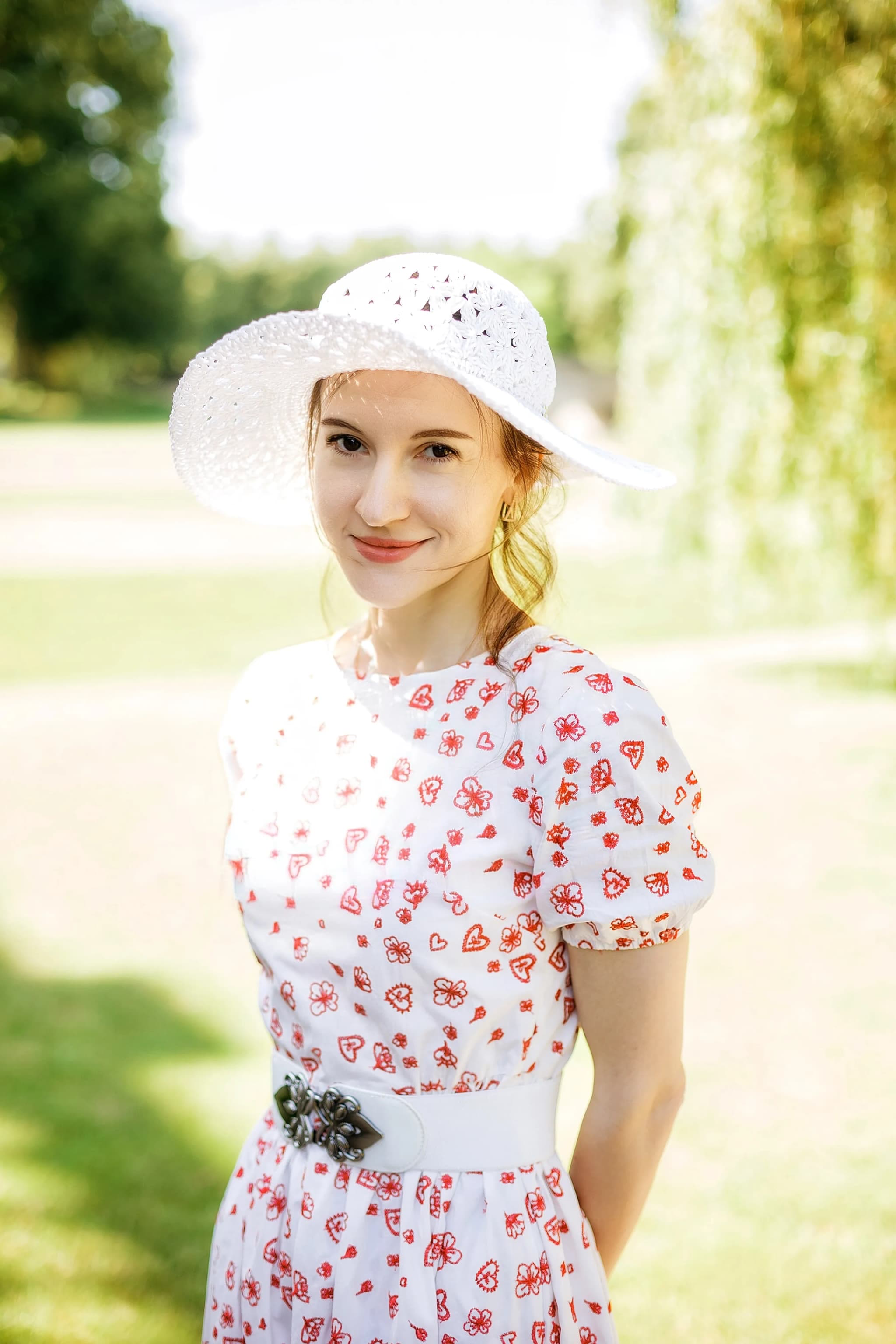
On a clear, sunny day the calculation changes. Shooting with the sun behind or to the side of the subject — backlighting or side-lighting rather than front-lighting — keeps the most intense direct reflections pointed away from the camera, since the subject's face and glasses are not aimed straight at the brightest part of the sky. Open shade, meaning a spot out of direct sun but not enclosed or dark, tends to be the most dependable outdoor solution of all: soft, even, and free of the harsh single-point reflections that direct sun produces. When I am scouting a location for a session with someone I know wears glasses, I keep an eye out for these pockets of open shade as a fallback even if the main plan is to shoot in more open light.
A note on planning your session
If you wear glasses and have had a frustrating portrait experience in the past — endless retakes, a photographer asking you to remove them repeatedly, or a gallery full of images with visible glare — it is worth knowing that this genuinely does not need to be a struggle. I plan lighting and positioning around glasses as a matter of course, not as an afterthought, and it very rarely slows a session down once we get started.
Get in touch about your sessionShould You Wear Your Glasses at All?
This comes up in almost every consultation with a glasses-wearing client and there genuinely is no universally right answer — only what feels right to the individual. Glasses are part of your face and part of how the people who love you recognise you day to day. A portrait taken without them can end up feeling subtly unfamiliar, even to the person in it, which is exactly the opposite of what a good portrait is meant to achieve. If you wear glasses every day and feel like yourself in them, my strong recommendation is to keep them on for most of the session and let me manage glare and positioning, rather than removing something that is genuinely part of your identity.
That said, plenty of people like having a mix in their gallery. I am always happy to take a portion of a session with glasses on and a portion without, so you have both options when it comes to choosing final images, prints, or a wedding album spread. There is no cost to trying both, and it often settles the question far more easily than debating it in advance — you simply look at the two versions afterwards and pick whichever feels more like you.
One practical middle ground some clients choose is bringing a pair of frames with the lenses removed, or using non-prescription frames that match their usual style. This gives the visual signature of glasses — the shape of the frame, the way it sits on the face — without any of the glare or optical distortion that a genuine prescription lens introduces. It is a small thing, but for anyone with a strong prescription who has noticed odd distortion around their eyes in old photographs, it can make a genuinely noticeable difference to the final images.
A Few Practical Tips If You Are Preparing for a Session
Clean lenses matter more than people expect. Smudges and fingerprints catch light in ways that are far more visible in a photograph than they are to the naked eye, so a quick clean with a proper lens cloth right before the session starts is worth the thirty seconds it takes. If your glasses tend to slip down your nose, mention it — a small nudge back into place between shots takes no time at all, and it is far easier for me to notice and mention than for you to remember mid-conversation.
If you have had genuinely bad experiences with glasses in photographs before, tell me about it before we start. Knowing that glare or distortion has been a particular frustration for you means I will pay even closer attention to it throughout, and check images on the back of the camera as we go rather than assuming everything is fine. Portraits should look like you, glasses and all, and getting there is simply a matter of technique rather than compromise. If you would like to talk through how a session with glasses would work for your particular portrait, family, or wedding photography, get in touch and we can plan it properly from the start.

Yana Skakun
Photographer · England
Professional wedding, family and portrait photographer based in England. Passionate about capturing authentic emotions and timeless moments.
About Yana →glasses photography tipsglasses glare portrait photographyphotographing people with glassesspectacles glare portraits
Portrait Tips — Portrait Photography in Cambridge & England
Portrait sessions with Yana Skakun are unhurried and personal — designed to produce images that feel genuinely like you, not a performance. Sessions are available in Cambridge, across East England, and at locations throughout the UK. This guide — Glasses and Glare in Photography: How to Get Great Results — is part of the photography journal: practical, experience-based advice drawn from real sessions across England. Whether you arrived searching for glasses photography tips or glasses glare portrait photography, the same care and attention shapes every session Yana photographs.
Portrait Photography sessions are available year-round, with bookings open across Cambridge, Ely, Huntingdon, Peterborough, and further afield — East England, London, the Midlands, and beyond. If you have specific questions about photographing people with glasses, mention it in your enquiry. Get in touch through the contact form above to check availability and discuss your session. Enquiries are welcomed from anywhere in the UK.
Frequently Asked Questions
How do I look natural in portrait photos?+
The key is to keep moving — walking, talking, laughing. Still poses often look stiff. A good portrait photographer will direct you gently rather than just pointing and shooting. Take a breath, drop your shoulders, and try to focus on something that makes you happy rather than worrying about how you look.
What should I wear for a portrait session?+
Wear something you feel good in — not something borrowed or brand new that you haven't worn before. Solid colours photograph better than busy patterns. Bring a second outfit for variety. Think about the location: flowing fabrics work beautifully outdoors; tailored looks suit urban settings.
How long does a portrait session take?+
Standard portrait sessions last 60–75 minutes. This allows enough time to warm up, try different locations and poses, and explore a couple of looks without rushing. If you're very camera-shy, a longer session helps — the more relaxed you become, the better the final images.
What locations are best for outdoor portrait photography?+
Gardens, parks, riverside paths, woodland, and areas with interesting architecture all make great portrait backgrounds. The most important factor is light — a location with open shade or soft directional light will always photograph better than a technically beautiful spot in harsh midday sun.
What is the difference between a portrait session and a headshot session?+
Portrait sessions focus on you as a whole person — full-body, three-quarter, and close-up images in a relaxed, often outdoor setting. Headshot sessions focus specifically on professional or actor headshots: face and upper body, often in a controlled setting with consistent, professional lighting.
Continue Reading
Related Articles
Get in Touch
Ready to Book Your Session?
Get in touch to discuss your vision — I'll reply within 24 hours.