Yana Skakun

Hair and Makeup for a Photoshoot: What Photographs Well
By Yana Skakun·24 March 2034·7 min read
One of the most common questions I get from clients ahead of a session has nothing to do with locations or timing, and everything to do with what to do with their hair and makeup that morning. It is a fair question, because photography and everyday mirrors interpret a face very differently, and what looks right for a normal day out often reads as flat or underwhelming once it is captured on camera, particularly outdoors in natural light.
The Core Principle: More Than Everyday, Less Than Stage
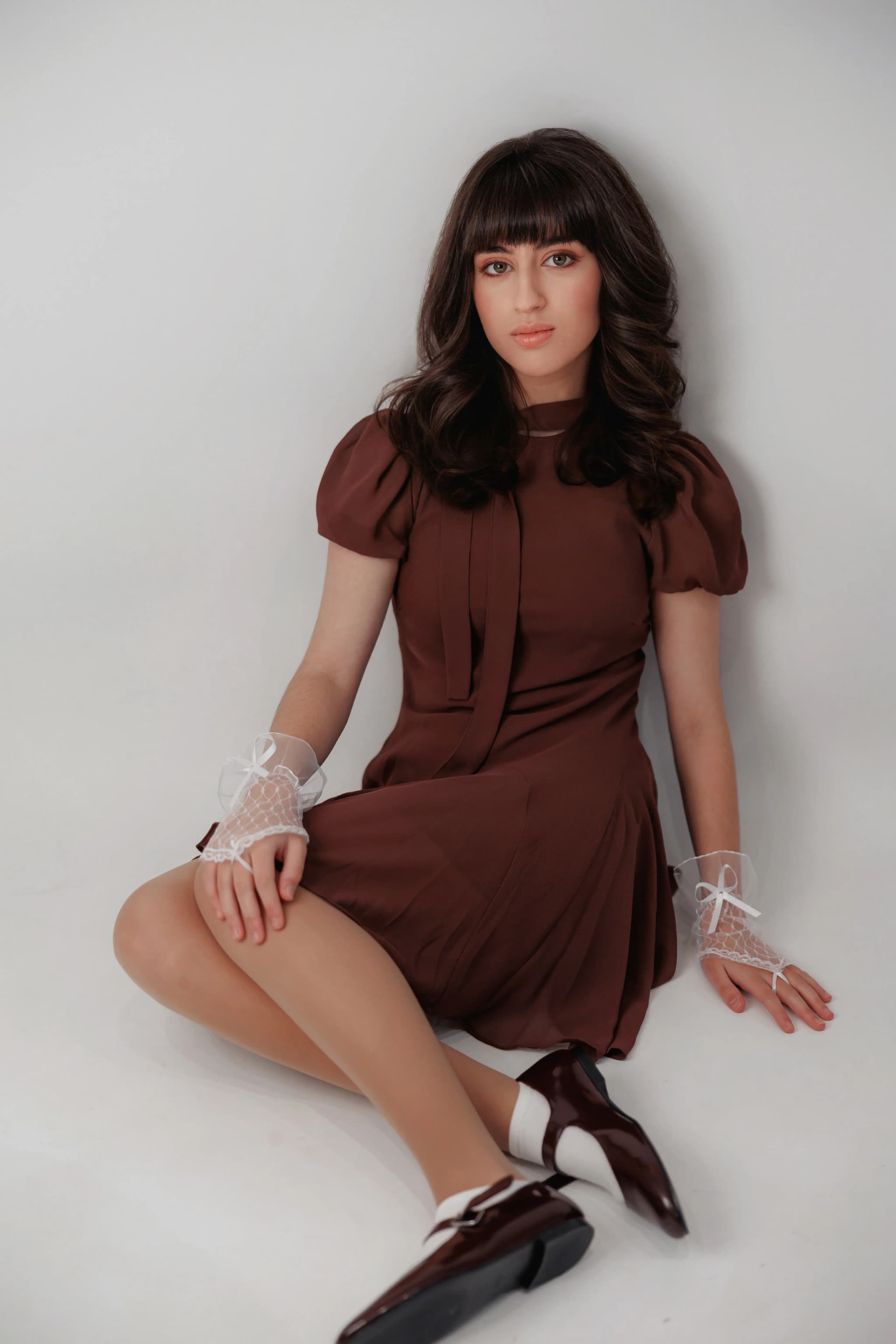
The most common makeup mistake I see before a photoshoot is underestimating how much definition is actually needed. Cameras and editing software interpret makeup quite differently from the human eye. Features that appear perfectly well defined in the bathroom mirror — brow shape, lip colour, eye definition — can become muted and washed out in photographs, especially outdoor photographs taken in natural light. The general rule I give clients is to apply makeup that is slightly more emphasised than everyday wear: bolder brow definition, a stronger lip colour, more thoroughly blended eye shadow than you would normally use for the office.
The opposite mistake, dramatically theatrical makeup designed for stage performance or editorial fashion, can be just as problematic if it ends up reading as costume rather than a genuine, if enhanced, version of yourself. Unless you are deliberately going for a stylised editorial look, which is a legitimate choice for certain sessions, the goal is to look like the best version of your everyday self, not a different person entirely.
Foundation and Skin Preparation
Well-prepared, properly moisturised skin photographs noticeably better than skin that is dry or flaky, and this is one of the easiest things to get right with a little advance planning. If you do not normally moisturise daily, it is worth starting in the days before your session rather than relying on a single application the morning of. Foundation containing SPF ingredients can sometimes produce a slightly white cast in photographs taken with flash — if your session includes any flash photography, it is worth considering a non-SPF foundation, or applying a physical SPF product separately underneath, before your usual foundation.
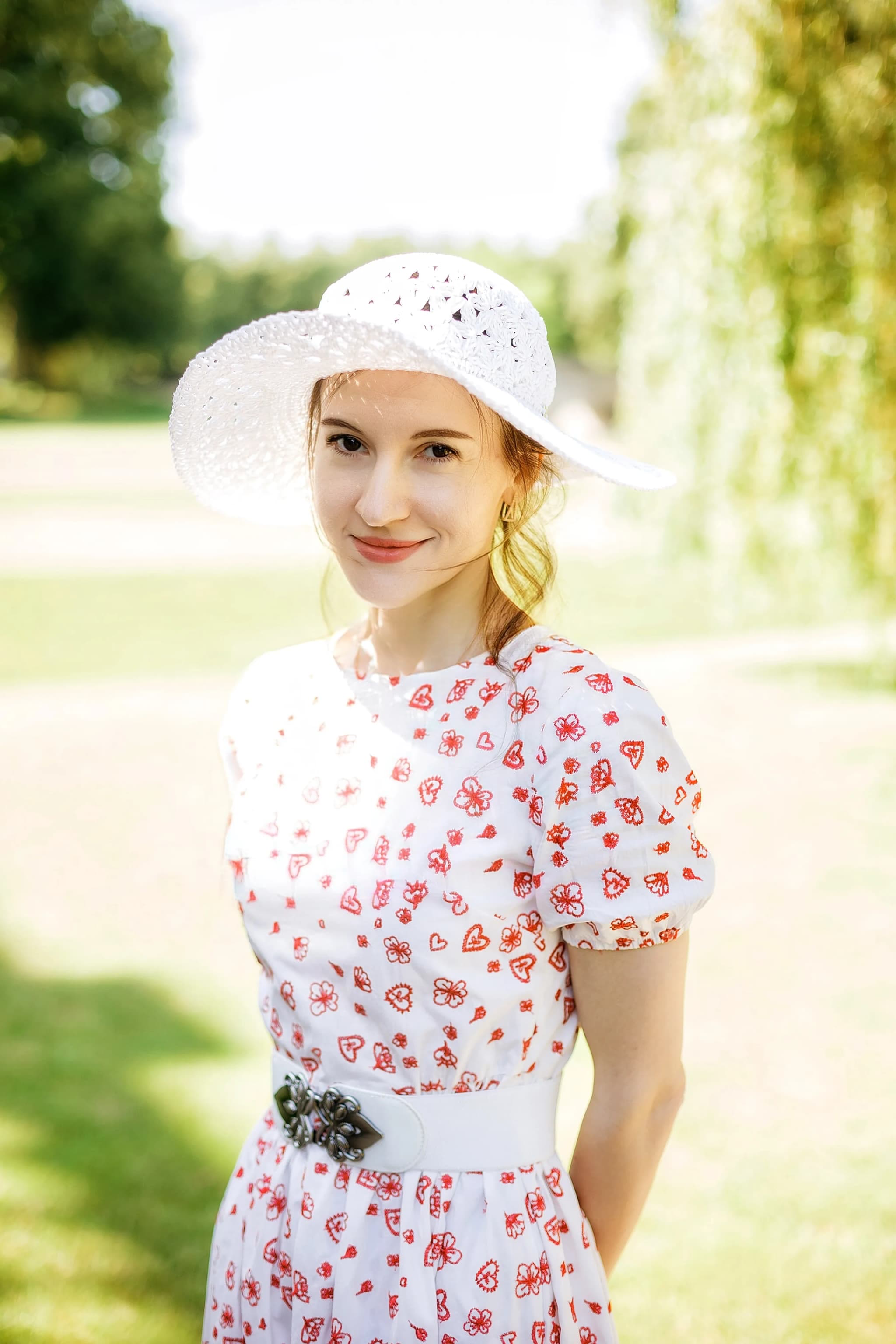
It is also worth avoiding heavy shimmer products on the high points of the face — forehead, nose, cheekbones — if your session is taking place in bright sunlight. Shimmer tends to amplify harsh highlights in direct light and can make skin look sweaty rather than genuinely glowing. Matte or subtle satin finishes photograph far more reliably outdoors in full sun, and I generally recommend them over dewy or heavily illuminated finishes for daytime outdoor sessions specifically.
Eyes and Brows
Defined brows have a genuinely significant impact on how a portrait reads overall. It is worth filling in any gaps and defining the shape at least one shade darker and bolder than you would ordinarily choose, since brows that look natural in the mirror often disappear almost entirely once photographed. Mascara can be used as normal, perhaps with one additional coat for a little extra definition. Eyeliner, if you are comfortable wearing it, creates a level of definition that reads particularly well in photographs. Bold, properly blended eye shadow, rather than a subtle everyday wash of colour, tends to create noticeably more dimension in images, though it is worth keeping any colour choices within what genuinely feels like you.
Hair: Day-Of Strategy
Your hair should be freshly washed and styled on the day of the session, but it is worth avoiding a wash-and-go approach if your hair does not naturally stay in place well on its own. Fresh hair that has been blow-dried smooth or properly styled photographs far better than hair that starts to move into disorder within thirty minutes of getting ready. Products with a stronger hold are entirely appropriate for a photoshoot; matte textures tend to photograph more naturally than very shiny serums or oils, particularly in bright sunlight where shine can catch the light in unflattering ways.
If you are having your hair professionally styled ahead of the session, it is worth timing the appointment carefully. The styling should ideally take place no more than two to three hours before the photography session begins — styles set the night before tend to lose both shape and movement by the following afternoon, however carefully they were done originally.
A note on preparation guidance
Every client I work with receives a full preparation guide after booking, covering outfit choices, hair and makeup tips specific to their session type, and general logistics for the day itself. It is worth reading through it properly in the week before your session rather than the night before, so there is time to actually act on anything relevant.
Get in touch to book a sessionCommon Mistakes Worth Avoiding
Trying a completely new hair or makeup look for the first time on the day of the session is one of the more avoidable mistakes I see. Unfamiliar products, colours, or techniques introduce genuine uncertainty right when you want to feel confident and relaxed in front of the camera, and any unease tends to show through in a session in ways that are hard to fully hide. If you want to try something different, whether that is a bolder lip colour or a new hairstyle, testing it a week or two in advance gives you time to judge how it photographs and adjust if it is not quite right.
Similarly, drastic last-minute changes such as a fresh haircut the day before a session can be risky. A new style needs a little time to settle and be styled confidently, and a photographer working with hair that still feels unfamiliar to you is starting from a slight disadvantage before the session has even begun.
Adjusting for Outdoor Versus Studio Sessions
Outdoor sessions in natural light generally call for slightly warmer, more blended tones than a studio session with controlled artificial lighting, since natural light shifts constantly through a session and a warmer base tends to hold up better across changing conditions. Studio sessions, with more consistent and often more directional lighting, can support slightly bolder, more precise makeup, since the lighting itself is not going to shift and wash out definition the way changing daylight can.
If your session is moving between indoor and outdoor locations within the same appointment, it is worth erring towards the outdoor recommendations as a base, since makeup that reads well outdoors will generally still look good indoors, whereas the reverse is not always true.
A Trial Run, If You Are Uncertain
For sessions with particular significance, such as an engagement shoot or a milestone portrait, it can be worth doing a short trial run of your intended hair and makeup a few days beforehand, and taking a few photographs on your phone in similar lighting to what you expect on the day. This is not about achieving perfection in a casual test, but about catching anything that reads differently on camera than it does in the mirror, while there is still time to make small adjustments before the session itself.
Professional Hair and Makeup Versus Doing It Yourself
For sessions with particular significance, or for clients who feel less confident applying makeup that reads well on camera, booking a professional hair and makeup artist ahead of the session can make a genuine difference to how relaxed and confident you feel once the camera comes out. A good artist experienced in working ahead of photography, rather than for everyday wear, will already understand how to adjust for the camera in a way that can take some guesswork out of the process entirely.
That said, plenty of clients do their own hair and makeup very successfully for a session, particularly once they understand the general principles of slightly bolder definition and a stable, longer-lasting style. The right choice really depends on your own comfort and confidence, not on any fixed rule about what a photoshoot requires.
If you do decide to book a professional, it is worth asking to see examples of their previous work specifically for photography rather than everyday occasions such as weddings for guests or evening events, since the two require noticeably different approaches and not every artist adjusts equally well between them.
Getting hair and makeup right for a photoshoot is mostly a matter of a little extra definition and some straightforward planning, rather than anything drastically different from your usual routine. If you have questions about preparing for your own session, get in touch and I am always happy to talk through the specifics beforehand.

Yana Skakun
Photographer · England
Professional wedding, family and portrait photographer based in England. Passionate about capturing authentic emotions and timeless moments.
About Yana →hair makeup for photoshoot tipsphotography makeup advicehair styling photoshootwhat makeup looks good in photos
Portrait Tips — Portrait Photography in Cambridge & England
Portrait sessions with Yana Skakun are unhurried and personal — designed to produce images that feel genuinely like you, not a performance. Sessions are available in Cambridge, across East England, and at locations throughout the UK. This guide — Hair and Makeup for a Photoshoot: What Photographs Well — is part of the photography journal: practical, experience-based advice drawn from real sessions across England. Whether you arrived searching for hair makeup for photoshoot tips or photography makeup advice, the same care and attention shapes every session Yana photographs.
Portrait Photography sessions are available year-round, with bookings open across Cambridge, Ely, Huntingdon, Peterborough, and further afield — East England, London, the Midlands, and beyond. If you have specific questions about hair styling photoshoot, mention it in your enquiry. Get in touch through the contact form above to check availability and discuss your session. Enquiries are welcomed from anywhere in the UK.
Frequently Asked Questions
How do I look natural in portrait photos?+
The key is to keep moving — walking, talking, laughing. Still poses often look stiff. A good portrait photographer will direct you gently rather than just pointing and shooting. Take a breath, drop your shoulders, and try to focus on something that makes you happy rather than worrying about how you look.
What should I wear for a portrait session?+
Wear something you feel good in — not something borrowed or brand new that you haven't worn before. Solid colours photograph better than busy patterns. Bring a second outfit for variety. Think about the location: flowing fabrics work beautifully outdoors; tailored looks suit urban settings.
How long does a portrait session take?+
Standard portrait sessions last 60–75 minutes. This allows enough time to warm up, try different locations and poses, and explore a couple of looks without rushing. If you're very camera-shy, a longer session helps — the more relaxed you become, the better the final images.
What locations are best for outdoor portrait photography?+
Gardens, parks, riverside paths, woodland, and areas with interesting architecture all make great portrait backgrounds. The most important factor is light — a location with open shade or soft directional light will always photograph better than a technically beautiful spot in harsh midday sun.
What is the difference between a portrait session and a headshot session?+
Portrait sessions focus on you as a whole person — full-body, three-quarter, and close-up images in a relaxed, often outdoor setting. Headshot sessions focus specifically on professional or actor headshots: face and upper body, often in a controlled setting with consistent, professional lighting.
Continue Reading
Related Articles
Get in Touch
Ready to Book Your Session?
Get in touch to discuss your vision — I'll reply within 24 hours.