Newcastle Portrait Photography Locations: Jesmond Dene, the Quayside & Beyond
Tips & Advice · 7 min read
Newcastle upon Tyne has a portrait photography environment unlike any other northern English city. The Quayside — the Victorian and Edwardian riverfront with its seven historic bridges spanning to Gateshead — provides an immediately recognisable urban backdrop of genuine architectural quality. Jesmond Dene, the wooded Victorian valley ten minutes north of the city centre, provides intimate woodland and waterfall portrait settings that belie their urban proximity. And beyond the city, Northumberland — with Bamburgh Castle, Holy Island, and the Cheviots — provides landscape portrait settings of national significance within 40–50 minutes.
Jesmond Dene
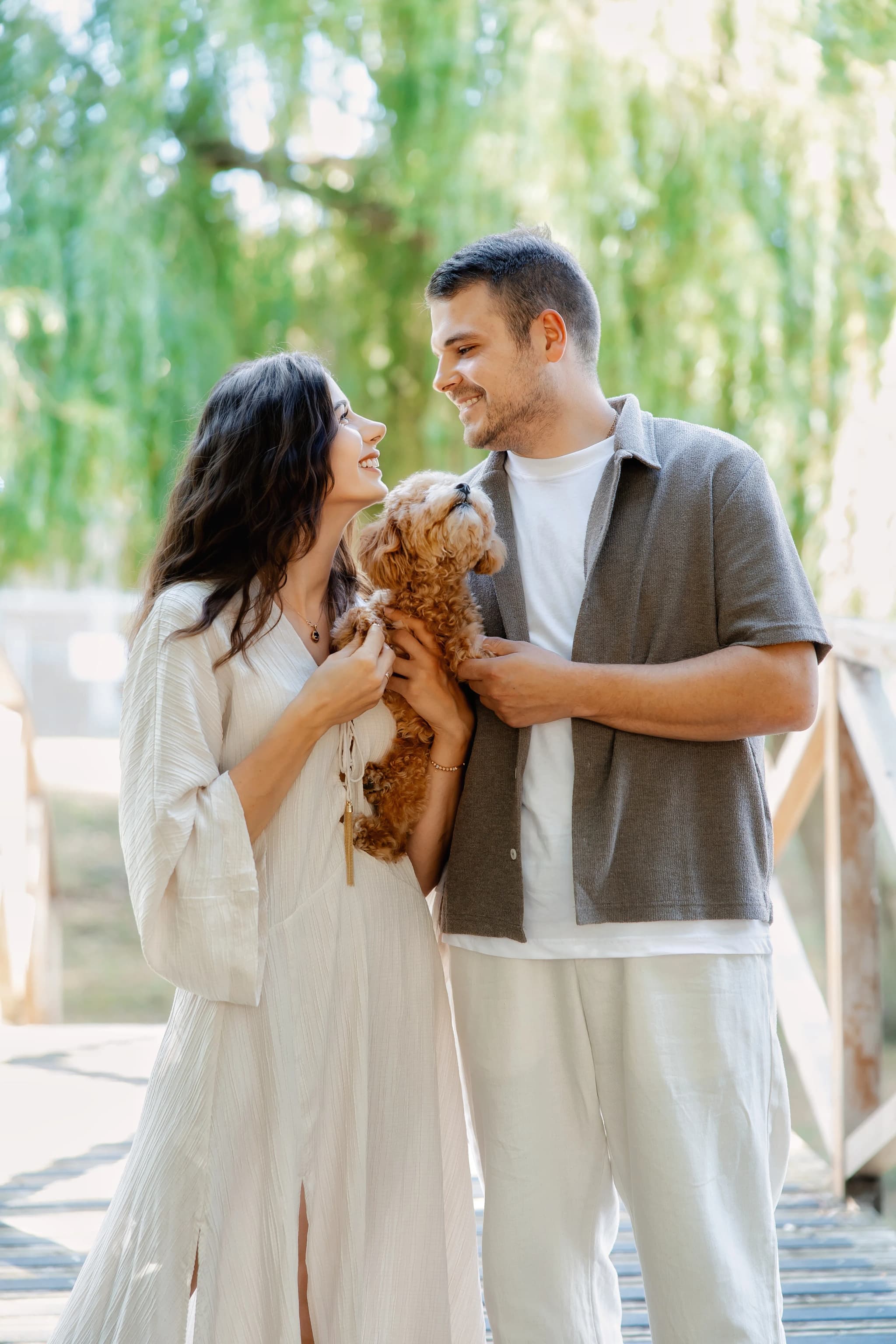
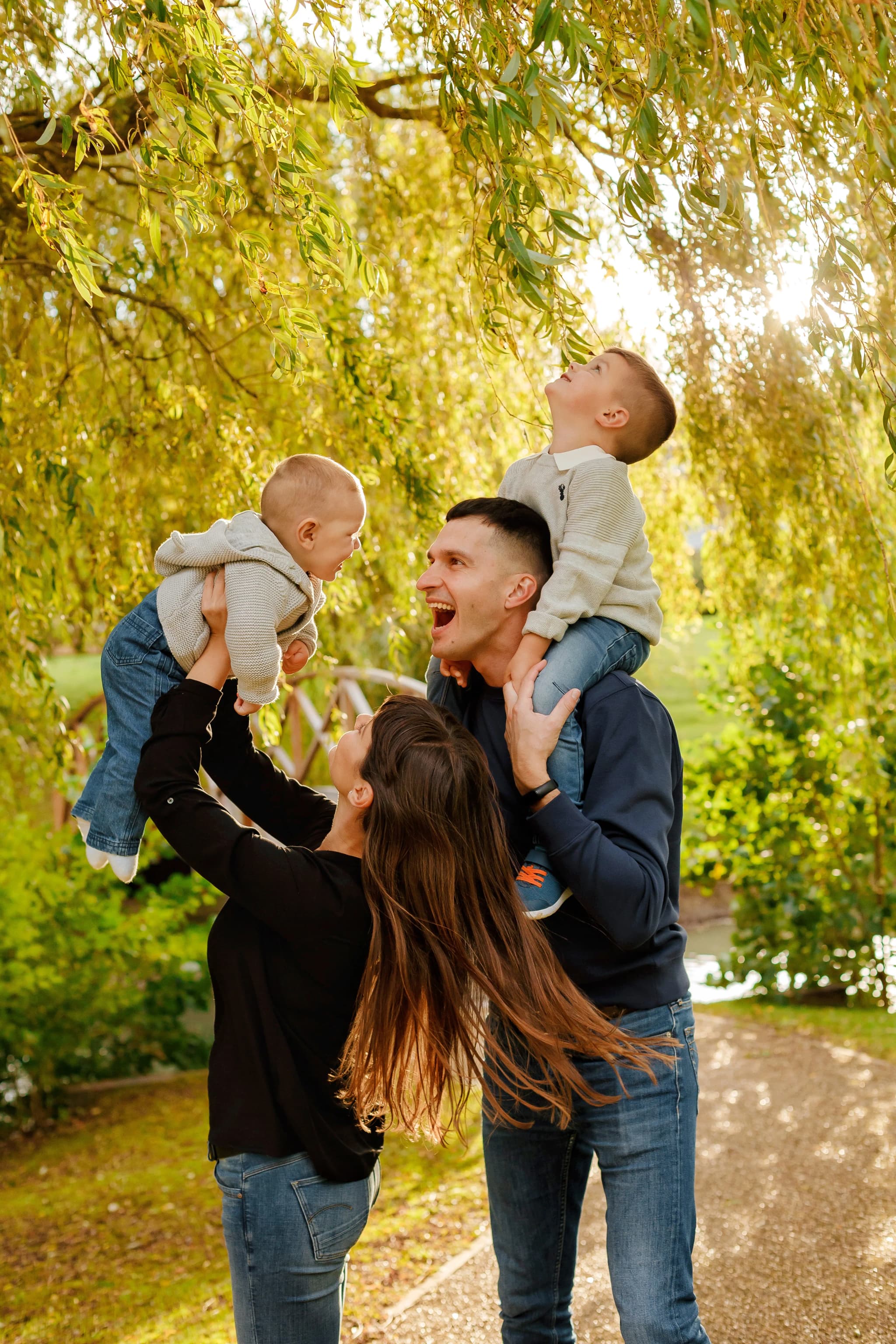
Jesmond Dene — the wooded gorge of the Ouseburn stream, given to the city of Newcastle in 1884 by Lord Armstrong (the Victorian arms manufacturer and engineer whose Cragside house in Northumberland was the world's first house lit by hydroelectric power) — runs for about a mile from Jesmond to Heaton, accessible via multiple entry points. The gorge's ancient ash and oak woodland, the Armstrong Bridge (a Victorian suspension footbridge across the gorge), the pet farm meadows, the walled garden, and the remains of Armstrong's original mill make Jesmond Dene Newcastle's most versatile portrait location — intimate, wooded, historically layered, and ten minutes from the city centre by bike or bus.
The Quayside & Tyne Bridges
Newcastle Quayside — the mile-long stretch of Victorian and Edwardian commercial buildings from the Swing Bridge to the Ouseburn — is the city's most photographed urban portrait backdrop. The seven bridges spanning the Tyne to Gateshead provide layered architectural elements: the Tyne Bridge (1928, the model for Sydney Harbour Bridge), the Gateshead Millennium Bridge (the world's first tilting bridge, opened 2001), the High Level Bridge (Brunel's 1849 combined road-and-rail bridge), and the Swing Bridge are all within one frame from the Quayside walk. The Sage Gateshead (Foster and Partners' curved glass building) and the Baltic Centre for Contemporary Art (the converted flour mill) on the Gateshead shore extend the Quayside circuit with contemporary architecture of considerably distinction.
Leazes Park
Leazes Park — the Victorian municipal park immediately north-west of the city centre, adjacent to St James' Park — has a formal boating lake, an Italian garden pergola with climbing roses, and mature plane and elm avenues. Less visited than Jesmond Dene and the Town Moor, Leazes provides quieter park conditions with the benefit of its formal garden elements and the decorative boathouse on the lake. The park is at its finest in late afternoon, when the west-facing lake shore collects the declining sun.
The Ouseburn Valley
The Ouseburn Valley — the creative quarter in the east of the city below the Byker viaduct, with its city farm, converted Victorian warehouses, independent music venues, and the Ouseburn river walk — provides an urban portrait environment with Newcastle's specific creative character. The Byker Viaduct (the Victorian railway viaduct spanning the valley) and the converted industrial buildings of the Ouseburn Trust provide portrait backgrounds of genuine urban-industrial depth, suited to personal branding, musician, and creative professional sessions.
Northumberland: Bamburgh & the Coast
Bamburgh Castle — the Anglo-Saxon fortress on its bass rock above the Northumberland coast, 50 miles north of Newcastle — provides one of England's most dramatic portrait backdrops. The castle sits on a natural volcanic crag above two miles of wide, dune-backed white sand beach. The view looking north from the beach to the castle, the dunes behind Bamburgh village, and the Harkness Rocks tide-pools provide portrait variety within walking distance. Alnmouth estuary, Craster harbour, Holy Island (Lindisfarne, accessible by causeway at low tide), and Dunstanburgh Castle's coastal ruin are other Northumberland coast locations used for Newcastle portrait sessions wanting a landscape backdrop.
Durham Cathedral
Durham — 15 miles south of Newcastle on the East Coast Main Line — presents one of Europe's great urban-architectural portrait settings: the Norman cathedral and castle on their peninsula above the meander of the River Wear, visible from the railway viaduct and from the riverside walk below. The Prebends Bridge, the riverbanks under the castle bluff, and the cathedral's west front at dusk produce portrait settings of European significance accessible from Newcastle within 30 minutes.
Newcastle portrait sessions work across all four seasons. The city's north-facing Quayside collects oblique light throughout the day rather than direct overhead sun, which makes for excellent portrait conditions in all seasons. Jesmond Dene's woodland is at its most atmospheric in early autumn and in late spring when the canopy is fresh. Winter sessions with low golden light across the Tyne Bridge (4pm in December) produce some of my strongest Newcastle portrait work.