Yana Skakun

Personal Branding Photography: The Complete Guide for Professionals
By Yana Skakun·1 February 2028·7 min read
Personal branding photography has quietly outgrown its corporate origins. A decade ago the phrase mostly meant a stiff headshot against a grey backdrop, taken once and reused for years on a staff page nobody visited. Today it means something much broader and much more useful: a considered set of images that shows a freelancer, coach, consultant, therapist, or small business owner as they actually are — capable, approachable, and unmistakably themselves — across a website, LinkedIn, social media, press requests, and everywhere else their face now has to do some of the work their business card used to do. If you earn your living by being trusted by people who have never met you in person, this is one of the more practical investments you can make in how your work is perceived before anyone reads a word of it.
Why a Single Headshot Is No Longer Enough
The old model of professional photography assumed one image would be reused everywhere: the same headshot on the website, the same one on LinkedIn, the same one in a conference programme five years later. That model made sense when a website had one "About" page and one photograph on it. It makes far less sense now, when the same professional needs a wide landscape image for a website hero banner, a square crop for Instagram, a vertical portrait for a speaker bio, and a handful of working images to break up a long-form blog post or newsletter.
A single headshot, however well taken, cannot do all of that well. Cropping a portrait shot for a headshot into a wide banner usually leaves awkward empty space or cuts someone's head off at an odd point. A personal branding session solves this by capturing a genuine variety of compositions and orientations in one sitting, so you are never trying to force one image to do six different jobs it was never framed for.
There is also a trust dimension that is easy to underestimate. People increasingly research who they are hiring before they ever speak to them, and a page full of visibly stock, visibly generic, or visibly outdated photography reads as a small but real signal that the business behind it may not be paying close attention to detail elsewhere either. Consistent, current, genuinely-you photography is a quiet form of reassurance.
Who a Branding Session Is For
Freelancers and consultants are hired as individuals, not as logos, and clients choosing between several options are often making as much of a personal decision as a professional one. Seeing a genuine, well-lit image of the person they might work with closes some of that distance before the first call ever happens.
Coaches, therapists, and other practitioners in trust-based work rely on a first impression that communicates warmth and competence simultaneously, which is a harder brief than it sounds. A tense, over-posed corporate headshot can undercut exactly the sense of safety a therapist or coach's website is trying to build, while a natural, unforced portrait does the opposite.
Small business owners who are the visible face of their brand — a bakery owner, a florist, an independent solicitor, a personal trainer — benefit from images that tie their personal presence to their business consistently across every platform, rather than a patchwork of old phone photos and one formal shot from years ago.
And anyone mid-transition — launching a new practice, rebranding an existing business, changing career direction, stepping into public speaking for the first time — usually finds that their existing photography, taken for an earlier version of their working life, simply does not represent who they are now. A session marks that change visually as well as on paper.
What Actually Happens During a Session
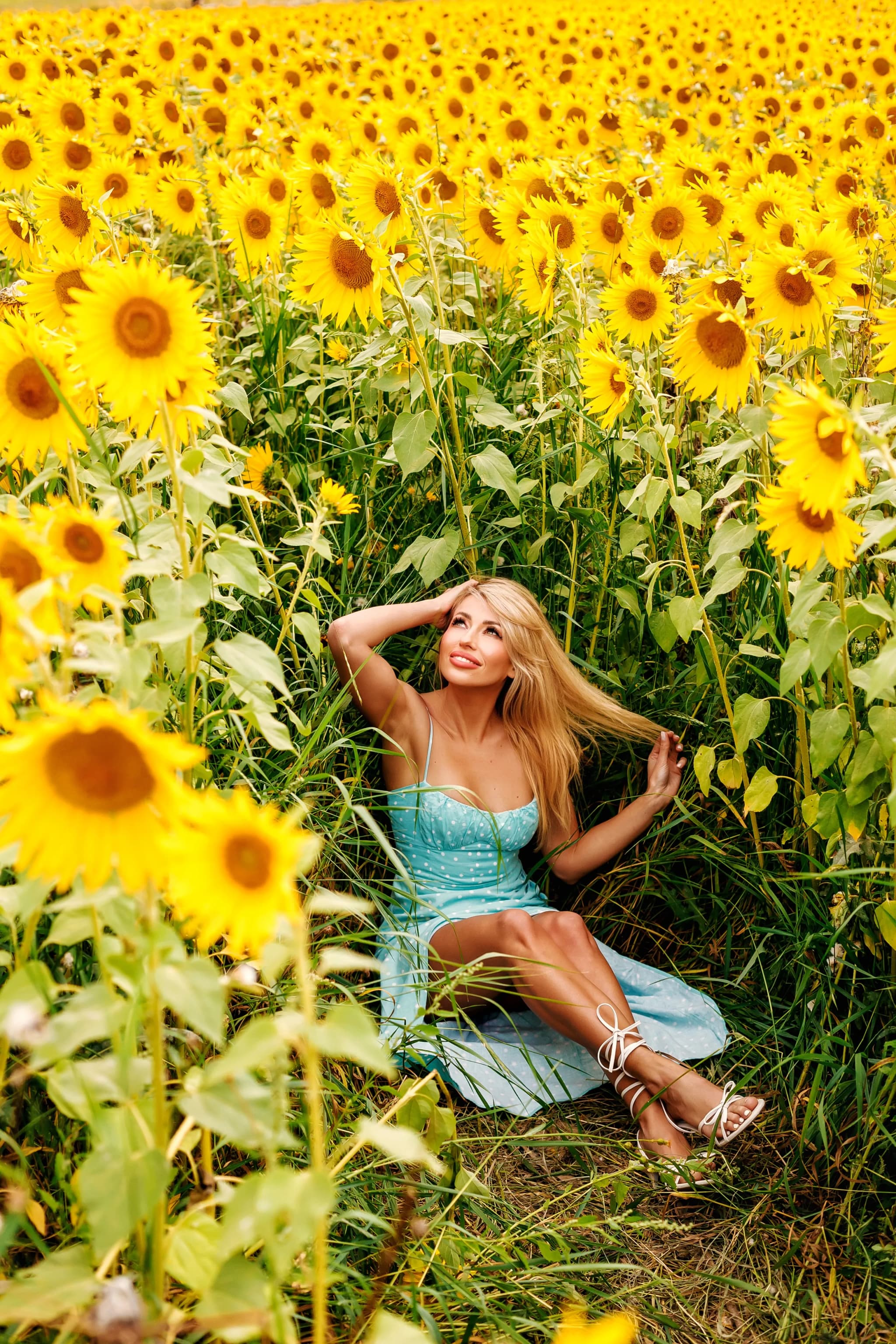
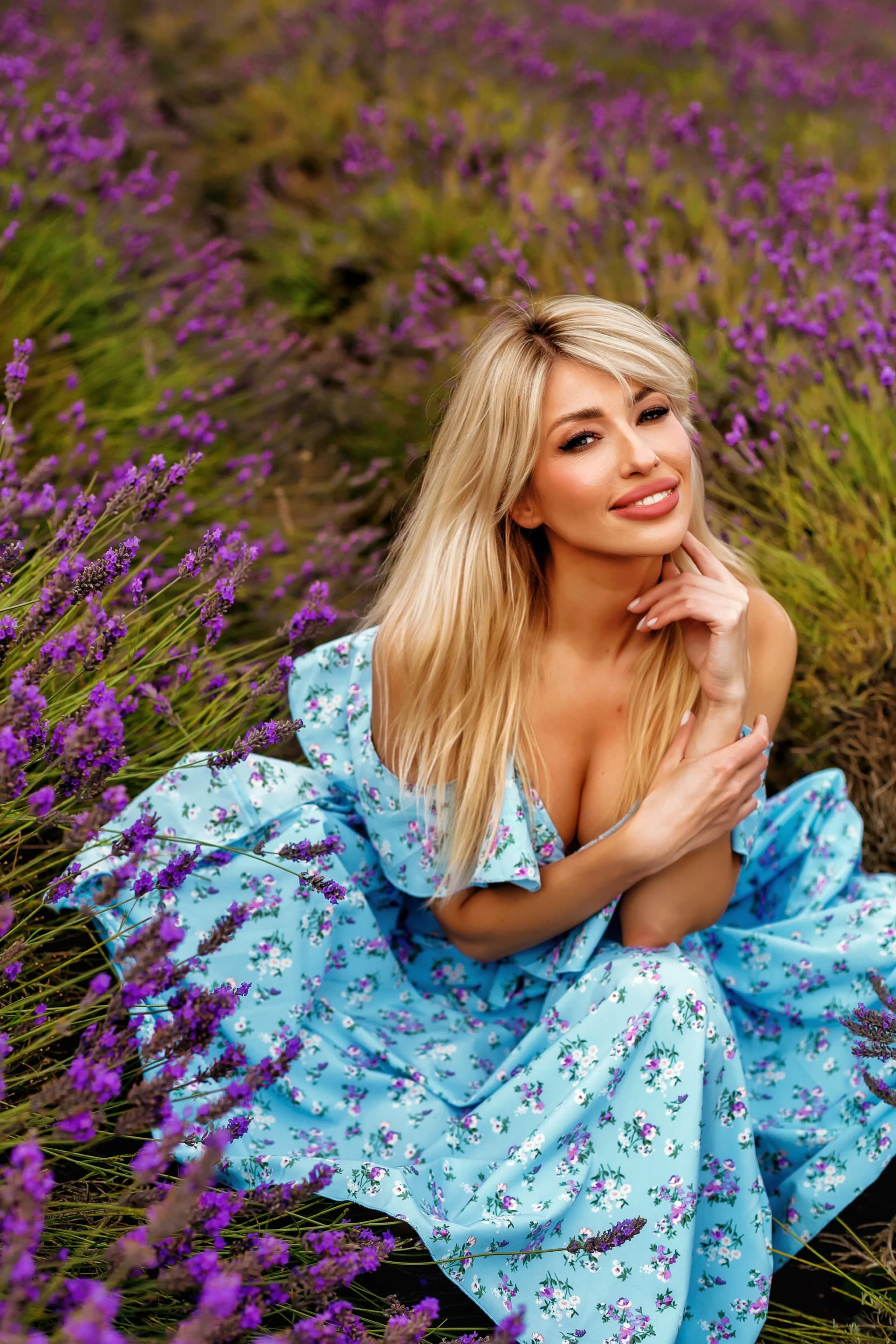
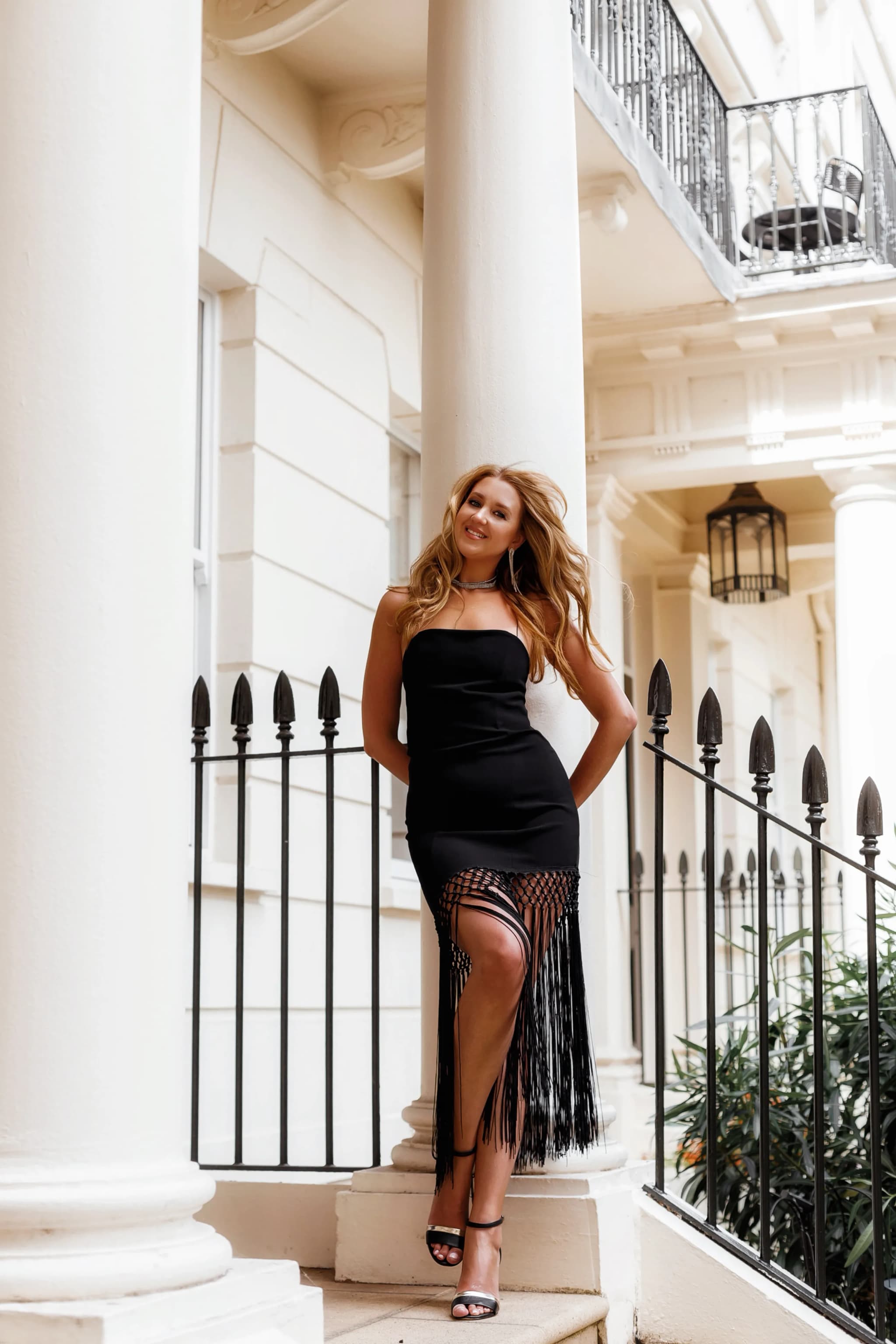
A well-planned personal branding session produces three broad categories of image, and understanding this in advance makes the whole process feel far less abstract. The first category is clean portraiture: full-length, three-quarter, and head-and-shoulders images taken against a setting that makes sense for your work, whether that is a considered studio backdrop, your own office, or a location tied to what you do. These are your workhorse images — the ones for LinkedIn, your website About page, and anywhere a straightforward, well-composed portrait of you is needed.
The second category is working or lifestyle imagery: photographs that show you actually doing something rather than posing for a camera — at a desk mid-conversation, setting up equipment, reviewing notes with a client stand-in, walking through the space where you work. These images tend to read as more candid and more trustworthy precisely because they are not obviously "a photoshoot", even though they are carefully directed.
The third category is detail and texture images: hands on a keyboard, tools of your particular trade, a notebook, a cup of coffee on a desk beside a laptop. These sound minor, but they are often the images that get the most practical use — breaking up long blog posts, filling awkward gaps in newsletter layouts, sitting behind a website hero heading where a full portrait would be too dominant.
The balance between these three categories depends entirely on your work and how you intend to use the images. A creative professional might want a heavier weighting towards environmental and detail shots that show process and craft; a coach or therapist typically wants a stronger set of warm, direct-to-camera portrait variations, since trust and approachability are being communicated primarily through the face rather than through the environment. This is worth discussing properly before the session rather than deciding on the day, so time is spent where it will actually be useful to you.
Plan the session around how you will actually use it
I always ask clients to bring a rough list of where the images will be used — website, LinkedIn, press, print — before we plan the session, so we shoot the compositions and orientations you will genuinely need rather than a generic set that has to be cropped and compromised afterwards.
Get in touch about a branding sessionChoosing a Location: Studio, Office, or On-Location
There is no single correct setting for personal branding photography, and the right choice depends on what you are trying to communicate. A neutral studio setting keeps attention entirely on you, gives full control over lighting, and produces images that will not date as quickly as a location-based background might. It is a strong default for professionals who need flexible, clean images that can sit comfortably in many different contexts.
Your own office, studio, or workspace tells a more specific story and can be genuinely valuable when the environment itself communicates something about your work — a well-organised consulting room, a particular kind of workshop, a distinctive shopfront. The risk with this approach is clutter and inconsistent light, both of which are manageable with a bit of preparation beforehand: tidying visible surfaces, thinking about what appears in the background of a desk shot, and checking what natural light is available at the time of day the session is planned.
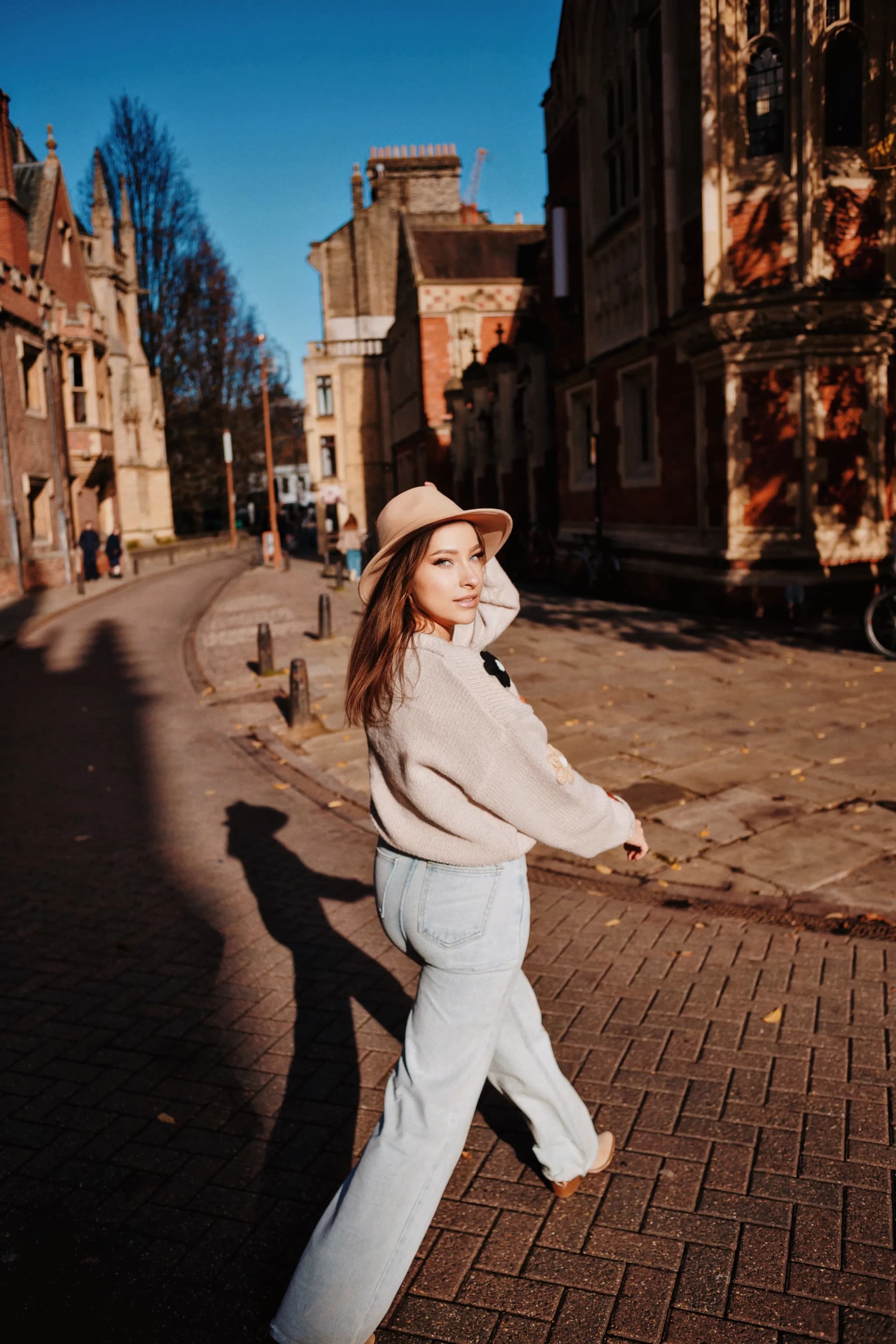
For clients in and around Cambridge, I also use a handful of locations around the city and colleges that photograph beautifully and lend a sense of place without becoming distracting — useful for professionals who want their branding photography to feel rooted somewhere specific rather than generic. Whichever setting you choose, the important thing is that it should still look recognisably like you a year or two from now, since these images are typically meant to last well beyond a single season.
What to Wear and How to Prepare
Bring several outfit options rather than committing to one. A single outfit, even photographed at different angles and in different poses, tends to produce a final set that feels repetitive when viewed together, whereas two or three considered changes give you genuinely different-feeling images to choose from without needing a completely different session. Solid colours generally photograph better than busy patterns, and clothing in tones consistent with your existing branding colours, if you have them, helps the final images sit naturally alongside your website and marketing materials rather than fighting them.
It is worth thinking about the difference between how you want to look and how you actually dress day to day. Branding photography works best when it is aspirational but still recognisably you — a slightly elevated, well-put-together version of your normal working wardrobe rather than an outfit you would never actually wear to meet a client. Bring the accessories, glasses, or any specific items that are part of how people recognise you.
On the practical side, arrive with skin, hair, and grooming in the state you would want to present in an important meeting, and consider professional hair and make-up if the session matters enough to you to justify it — it photographs well and tends to remove one source of self-consciousness during the shoot itself.
Getting Natural Expressions Instead of a Forced Smile
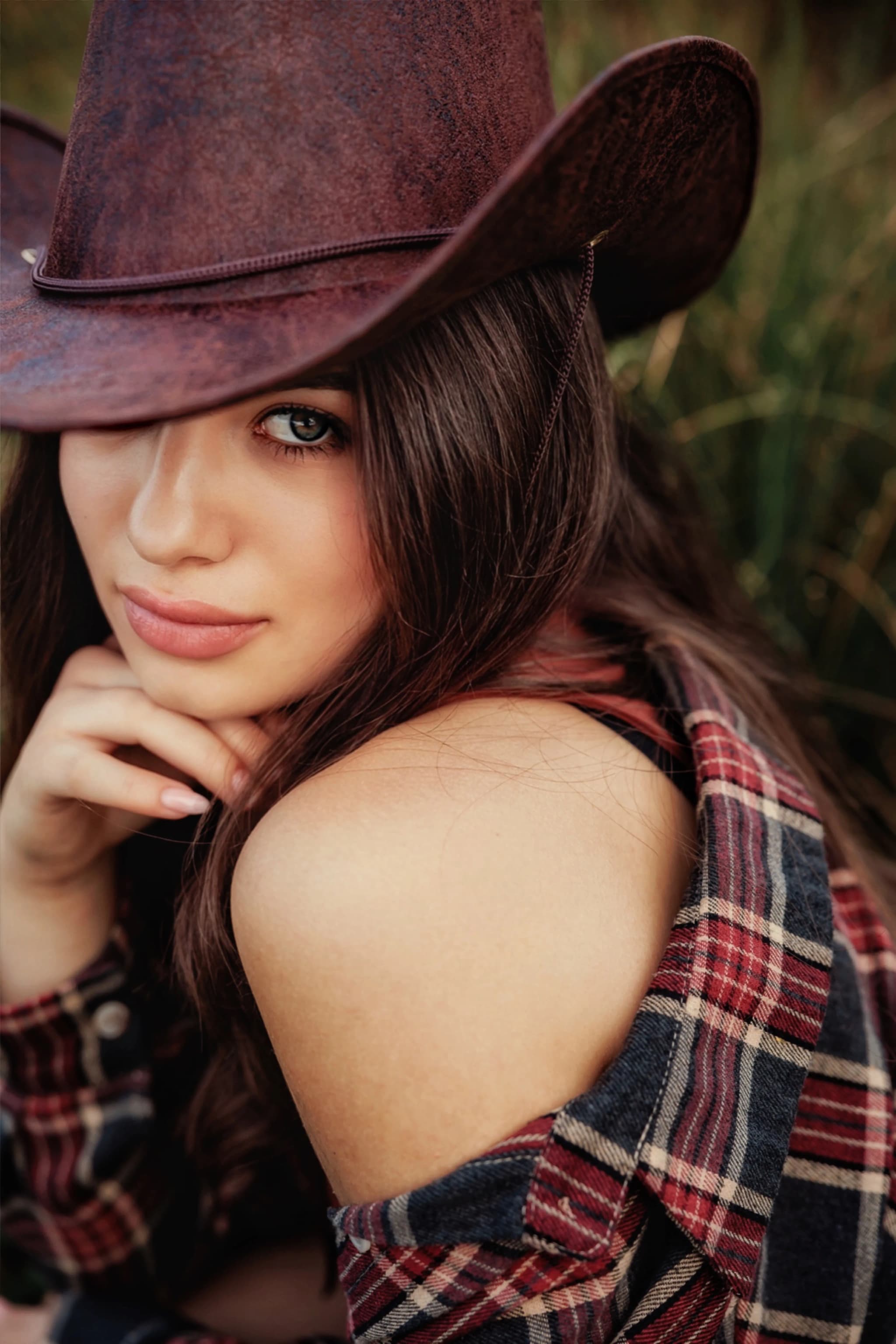
Most people who are uncomfortable in front of a camera are uncomfortable because they are being asked to do something unnatural: stand still, look directly at a lens, and produce an expression on command. A good branding session works around this rather than fighting it. Rather than asking for a fixed smile, I direct movement, conversation, and small tasks — walking, turning, adjusting something, responding to an actual question — and photograph the genuine expressions that happen in between the posed moments. These are consistently the images clients end up choosing over the deliberately posed ones.
If you know you find being photographed genuinely difficult, say so before the session rather than during it. Knowing this in advance changes how I approach the whole shoot — more movement, more conversation, longer warm-up time before the camera comes out properly — and it makes a real difference to how comfortable the final images look, because discomfort is very hard to hide from a lens even when you are trying your best to smile through it.
Personal branding photography is, in the end, a fairly practical exercise dressed up as something more precious than it needs to be: it is simply a set of well-planned, well-lit images that let the professional version of you show up consistently wherever people are deciding whether to trust you. Done properly, it should not feel like "a photoshoot" in the way that makes people anxious — it should feel like a working session that produces a toolkit of images you will actually reach for over and over, on your website, on LinkedIn, in the press pack you send to a journalist next year. If you are planning a rebrand, a new website, or simply tired of reusing the same five-year-old photograph everywhere, get in touch and we can talk through what a session tailored to your particular work would look like.


Yana Skakun
Photographer · England
Professional wedding, family and portrait photographer based in England. Passionate about capturing authentic emotions and timeless moments.
About Yana →personal branding photography guidepersonal brand photos ukwhat is personal branding photographybusiness portrait session
Headshot Tips — Professional Headshot Photography in Cambridge & England
Professional headshot sessions with Yana Skakun are clean, efficient, and designed to produce images that represent you authentically across every professional context — LinkedIn, company websites, speaker profiles, and press. Sessions available in Cambridge and across England. This guide — Personal Branding Photography: The Complete Guide for Professionals — is part of the photography journal: practical, experience-based advice drawn from real sessions across England. Whether you arrived searching for personal branding photography guide or personal brand photos uk, the same care and attention shapes every session Yana photographs.
Professional Headshot Photography sessions are available year-round, with bookings open across Cambridge, Ely, Huntingdon, Peterborough, and further afield — East England, London, the Midlands, and beyond. If you have specific questions about what is personal branding photography, mention it in your enquiry. Get in touch through the contact form above to check availability and discuss your session. Enquiries are welcomed from anywhere in the UK.
Frequently Asked Questions
What should I wear for a professional headshot?+
Solid colours photograph better than patterns. Navy, grey, charcoal, and burgundy are universally flattering. Avoid white (creates exposure issues), black (can look flat), and bright neons. Make sure your clothing fits well and is freshly pressed. Bring 2–3 outfit options to give yourself variety.
How do I prepare for a headshot session?+
Get a good night's sleep. Stay hydrated in the days before. If you're having hair and makeup done, schedule it for the morning of the shoot. Bring the clothes you plan to wear on a hanger. Arrive 10 minutes early to settle in before the camera comes out. Most importantly — don't stress. A good photographer will guide you.
How long does a professional headshot session take?+
A standard headshot session takes 30–60 minutes. This covers 2–3 outfits and multiple expressions and angles. Corporate team headshots at a single location can be scheduled at 15–20 minutes per person.
How often should you update your professional headshot?+
Every 2–3 years, or whenever your appearance changes significantly — new hairstyle, weight change, or notable ageing. Your headshot should look like you when you walk into a meeting, not like you five years ago. Outdated headshots undermine trust, particularly in client-facing roles.
What is the difference between a headshot and a business portrait?+
A headshot is a tight crop of the face and upper chest, focused entirely on professional presence and approachability. A business portrait typically includes more of the body and often incorporates environment or context — an office setting, equipment, or a workspace that communicates your profession.
Continue Reading
Related Articles
Headshot Tips
LinkedIn Headshots for Cambridge Graduates: Start Your Career With the Right First Impression
7 min read · Read Article
Headshot Tips
Professional Photography for Small Businesses: The Complete Guide
12 min read · Read Article
Headshot Tips
Corporate Team Photography: Professional Headshots for Your Entire Organisation
9 min read · Read Article
Get in Touch
Ready to Book Your Session?
Get in touch to discuss your vision — I'll reply within 24 hours.