Yana Skakun

LinkedIn Headshots for Cambridge Graduates: Start Your Career With the Right First Impression
By Yana Skakun·10 March 2033·7 min read
Every June and July, Cambridge fills with graduates who have spent three or four years being assessed on essays, exams, and supervisions, and who are about to be assessed on something entirely different: a small square photograph on a LinkedIn profile that a recruiter will glance at for less than a second before deciding whether to read any further. It is a strange thing to realise after years of rigorous academic work, but it is true. Before a hiring manager reads your degree classification, your internships, or your covering letter, they have already formed an impression from your photograph. For Cambridge graduates specifically, that photograph carries extra weight, because the Cambridge name on a profile raises expectations that the image either meets or quietly undermines.
Why the Photograph Matters More Than Graduates Expect
Most students arrive at their final year with a LinkedIn photograph that was never meant to be a LinkedIn photograph — a cropped group shot from a formal hall, a phone selfie taken in a dimly lit room, or an old sixth-form photo that no longer looks much like them. None of these are disasters in isolation, but collectively they send a signal: this person has not yet turned their attention to how they present themselves professionally. Recruiters and hiring managers, who look at hundreds of profiles a week, notice that signal even if they could not articulate exactly why a photo felt off.
A genuinely professional headshot does the opposite. It signals that you take your own career seriously enough to have invested a small amount of time and care into how you show up, before anyone has asked you to. For graduates competing for competitive graduate schemes, consultancy roles, City jobs, or postgraduate opportunities where hundreds of near-identical CVs land on the same desk, that signal is not decorative. It is one of the few things within your control at the point of first contact.
What Actually Makes a LinkedIn Headshot Work
A LinkedIn headshot has a specific job to do, and that job is different from a portrait, a wedding photograph, or a family session. The image sits inside a small circular crop, is often viewed at thumbnail size on a phone screen, and needs to read clearly and positively in that tiny format. This changes several practical decisions. The framing needs to be tight — generally head and shoulders, sometimes head to mid-chest — because anything wider loses definition once it is compressed into a small circle. The expression needs to land somewhere between approachable and credible: warm enough that you look like someone a colleague would want to work alongside, composed enough that you look like someone a client would trust with something important.
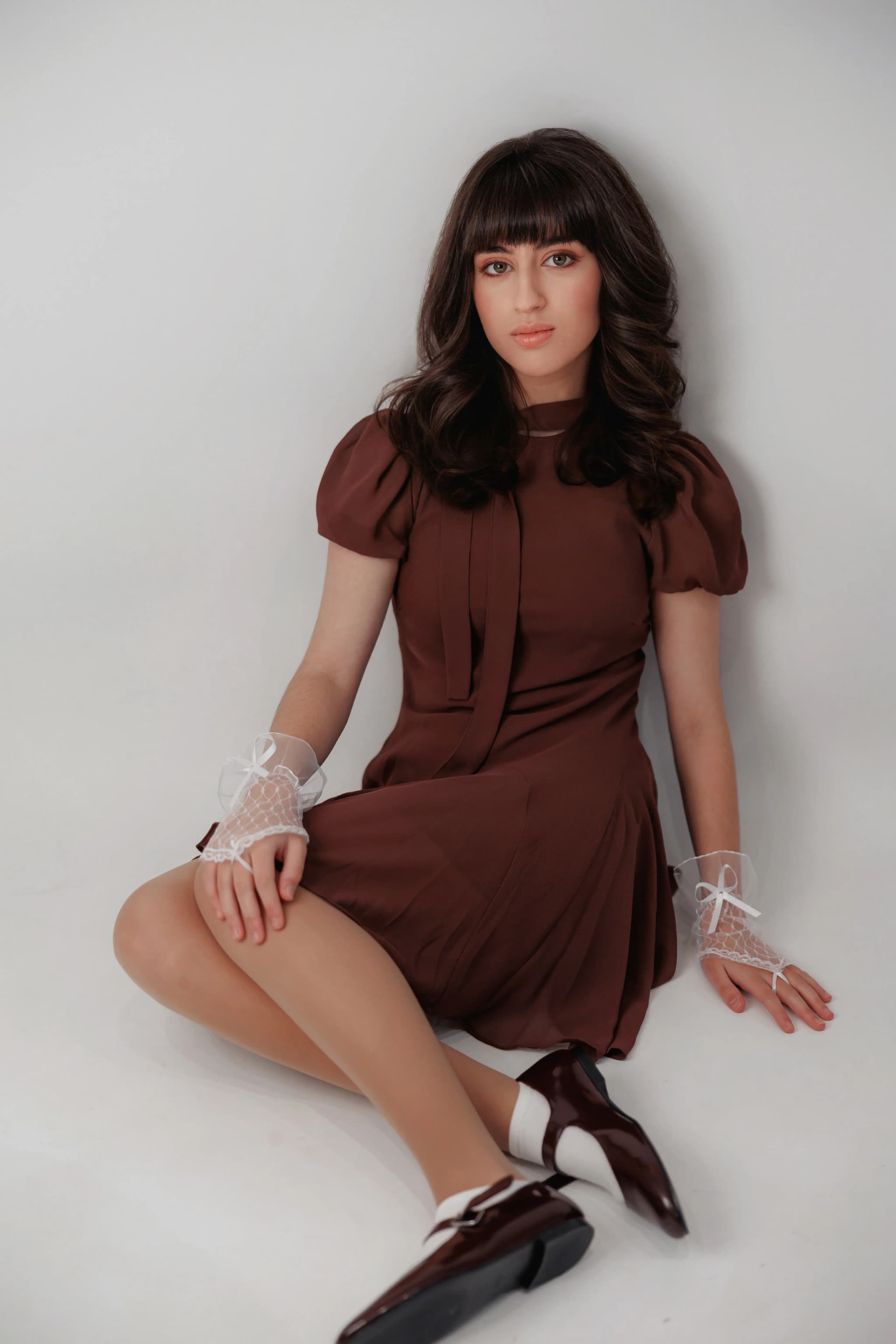
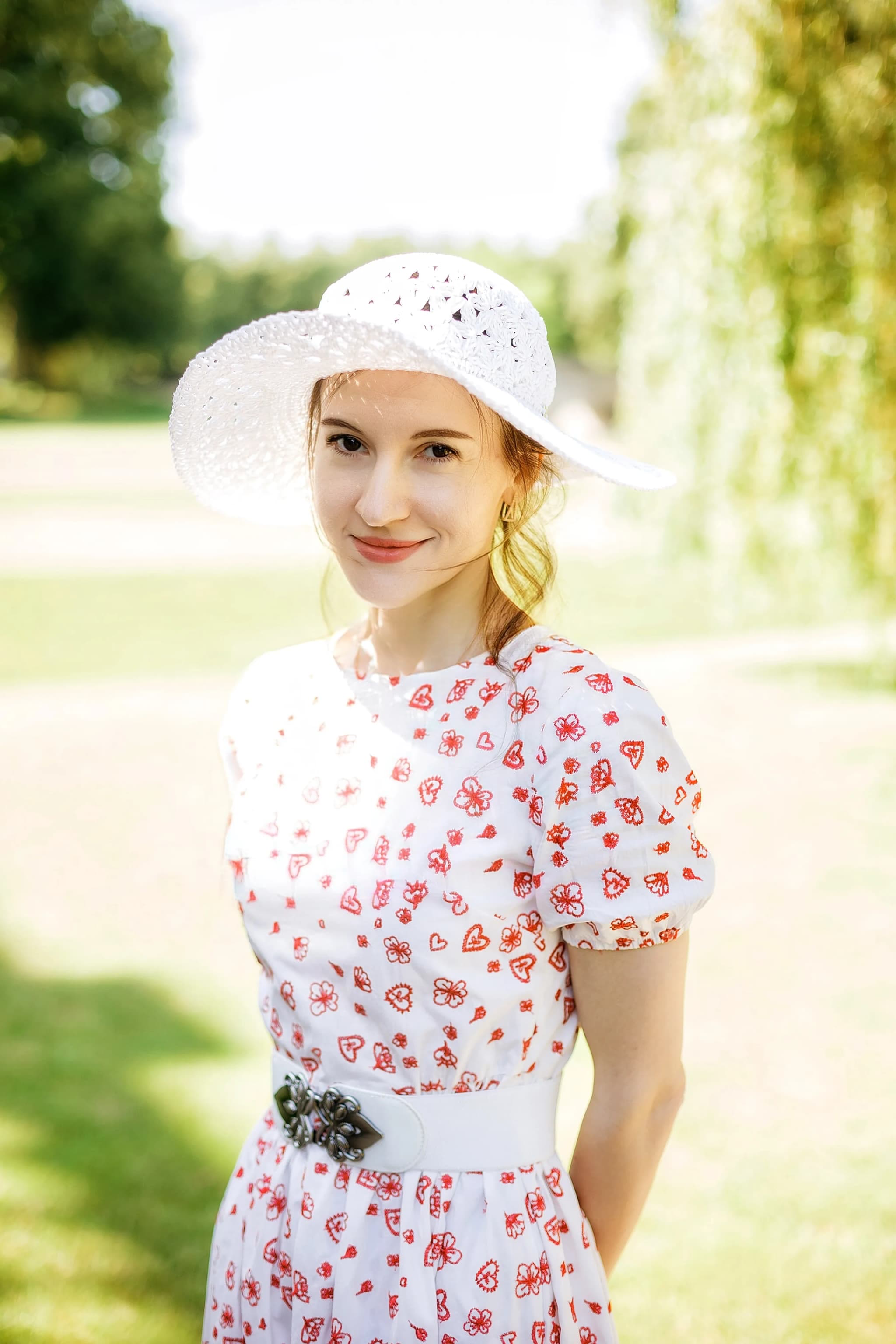
Background matters more than most graduates expect. A cluttered or distracting background pulls attention away from your face, which is the only part of the image doing any communicative work. I generally work with clean, softly blurred backgrounds — either a neutral studio-style backdrop or a softly out-of-focus outdoor or interior setting — so that nothing in the frame competes with you.
Clothing is worth thinking about before the session rather than during it. Different sectors read differently: a headshot aimed at investment banking or law reads differently from one aimed at a design studio or a start-up, and the wardrobe choices that work for one can feel slightly wrong for the other. Plain, well-fitted clothing in solid colours photographs best — busy patterns and logos date an image quickly and distract from the face. I talk through sector and target roles with every client before we shoot, so the final images look like they belong on the profile they are heading to.
Cambridge Setting or Clean Studio Background: Choosing Between Them
One question almost every Cambridge graduate asks is whether to use the university or their college as a backdrop. There is no single right answer — it depends on what you are using the image for and the impression you want it to carry. A photograph taken against Cambridge stone, an old library interior, or a college court can communicate achievement and a certain gravitas, and for graduates heading into academia, research roles, or sectors where the Cambridge name is a genuine asset, that context can work strongly in your favour.
For other sectors, a heavily branded university backdrop can read as leaning on your degree rather than standing on your own professional identity, particularly a few years into a career when the context of where the photo was taken matters less than how current and relevant it looks. My approach is to offer both within the same session wherever practical: a clean, neutral, studio-style set of headshots that will look professional and unplaced for years to come, alongside a smaller set using the Cambridge setting as a more distinctive backdrop. Many graduates end up using the neutral version for LinkedIn and CVs, and the contextual version for a personal website, a portfolio, or a more informal professional bio.
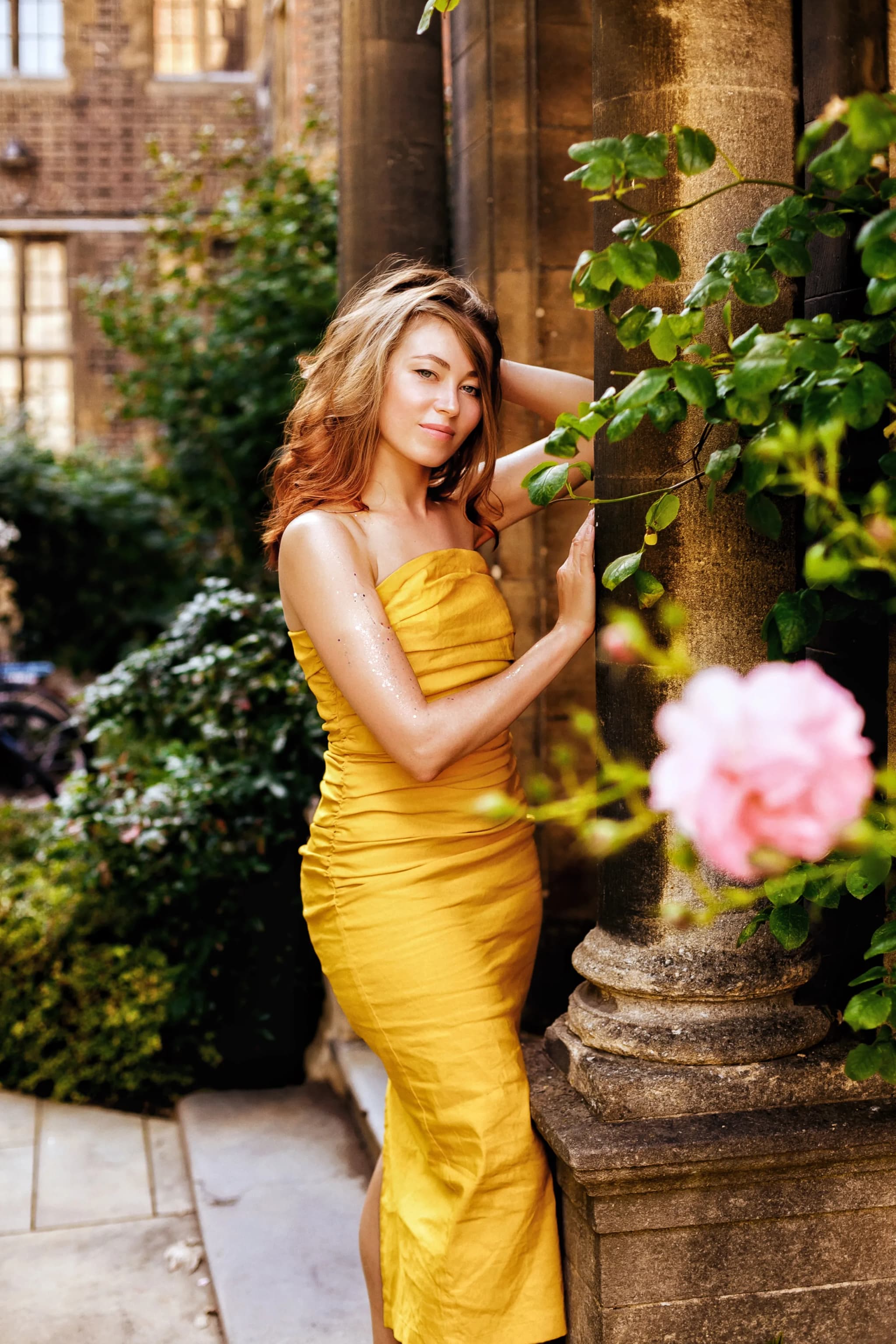
If you do want the Cambridge setting, timing and location both matter. Soft, even light in a college court in the late afternoon photographs very differently from the same court at midday with hard shadows and passing tourists in the background. I know which corners of central Cambridge work quietly and reliably for this kind of session and plan around light and footfall rather than simply picking somewhere picturesque.
When to Book: Getting the Timing Right
The best time to have a professional headshot taken is before you need it, not in the middle of an application cycle when you suddenly notice your current photo will not do. For finalists, this generally means booking a session either during the final year before applications open in earnest, or in the window around graduation itself — May Week and the weeks immediately following exams are popular, because you are still in Cambridge, still have access to college settings if you want them, and the pressure of exams is finally behind you.
A second natural window comes immediately after graduation, in that transitional stretch between finishing your degree and starting your first role, when you have a little more time and headspace than you will once a new job begins. Some graduates also come back specifically once they have secured a role and want an image that reflects their new professional context rather than their student one. There is no wrong time, but earlier is generally better than later — a photograph taken calmly a few weeks before you need it is always a better experience than one squeezed in the day before an application deadline.
Sessions themselves are relatively short, typically somewhere in the region of thirty to forty-five minutes, which is enough time to work through a small number of outfit changes and backdrop options without the session becoming a marathon. You will see a full digital gallery to choose from within a short turnaround, generally within a week, which comfortably fits within any application or onboarding timeline.
Graduating this summer?
A short headshot session before you leave Cambridge gives you a professional image ready for LinkedIn, CVs, and applications from day one — no scrambling for a decent photo once an interview is confirmed.
Book a graduate headshot sessionOne Session, Many Uses
It is worth thinking about a headshot session as building a small professional image library rather than producing a single photograph. The images from one session end up being used far beyond LinkedIn: on a CV, on a personal website or portfolio, in a new employer's staff directory or "meet the team" page, on conference or event materials if you present or speak, on professional association or alumni profiles, and in any press or media coverage that follows your career. Having a small set of consistent, high-quality images to draw on for all of these purposes saves you from the situation many professionals find themselves in a few years into their career — a mismatched patchwork of photographs from different points in their life, none of which quite represents who they are now.
For graduates specifically, there is an added benefit to getting this right early. The images from a graduate headshot session often become the baseline professional image a person uses for several years, refreshed only when a significant career change warrants a new set. Getting it right at the outset, rather than making do with whatever photograph happens to exist, sets a stronger foundation for everything that follows.
For a small amount of time and a modest cost, a professional headshot session gives you a set of images you will use, adapt, and rely on across the first several years of your career — on LinkedIn, on your CV, and everywhere else a professional impression matters. If you are graduating this summer, or know that applications and interviews are coming up soon, it is worth sorting this out while you still have the time and setting available in Cambridge rather than after you have moved on. Get in touch and we can find a session time that fits around exams, graduation, and whatever comes next.

Yana Skakun
Photographer · England
Professional wedding, family and portrait photographer based in England. Passionate about capturing authentic emotions and timeless moments.
About Yana →LinkedIn headshots Cambridge graduatesgraduate headshots Cambridgeprofessional headshots Cambridge studentscareer photos Cambridge graduates
Headshot Tips — Professional Headshot Photography in Cambridge & England
Professional headshot sessions with Yana Skakun are clean, efficient, and designed to produce images that represent you authentically across every professional context — LinkedIn, company websites, speaker profiles, and press. Sessions available in Cambridge and across England. This guide — LinkedIn Headshots for Cambridge Graduates: Start Your Career With the Right First Impression — is part of the photography journal: practical, experience-based advice drawn from real sessions across England. Whether you arrived searching for linkedin headshots cambridge graduates or graduate headshots cambridge, the same care and attention shapes every session Yana photographs.
Professional Headshot Photography sessions are available year-round, with bookings open across Cambridge, Ely, Huntingdon, Peterborough, and further afield — East England, London, the Midlands, and beyond. If you have specific questions about professional headshots cambridge students, mention it in your enquiry. Get in touch through the contact form above to check availability and discuss your session. Enquiries are welcomed from anywhere in the UK.
Frequently Asked Questions
What should I wear for a professional headshot?+
Solid colours photograph better than patterns. Navy, grey, charcoal, and burgundy are universally flattering. Avoid white (creates exposure issues), black (can look flat), and bright neons. Make sure your clothing fits well and is freshly pressed. Bring 2–3 outfit options to give yourself variety.
How do I prepare for a headshot session?+
Get a good night's sleep. Stay hydrated in the days before. If you're having hair and makeup done, schedule it for the morning of the shoot. Bring the clothes you plan to wear on a hanger. Arrive 10 minutes early to settle in before the camera comes out. Most importantly — don't stress. A good photographer will guide you.
How long does a professional headshot session take?+
A standard headshot session takes 30–60 minutes. This covers 2–3 outfits and multiple expressions and angles. Corporate team headshots at a single location can be scheduled at 15–20 minutes per person.
How often should you update your professional headshot?+
Every 2–3 years, or whenever your appearance changes significantly — new hairstyle, weight change, or notable ageing. Your headshot should look like you when you walk into a meeting, not like you five years ago. Outdated headshots undermine trust, particularly in client-facing roles.
What is the difference between a headshot and a business portrait?+
A headshot is a tight crop of the face and upper chest, focused entirely on professional presence and approachability. A business portrait typically includes more of the body and often incorporates environment or context — an office setting, equipment, or a workspace that communicates your profession.
Continue Reading
Related Articles
Headshot Tips
Professional Photography for Small Businesses: The Complete Guide
12 min read · Read Article
Headshot Tips
Corporate Team Photography: Professional Headshots for Your Entire Organisation
9 min read · Read Article
Headshot Tips
Dating Profile Photos That Actually Work: A Photographer's Guide
8 min read · Read Article
Get in Touch
Ready to Book Your Session?
Get in touch to discuss your vision — I'll reply within 24 hours.