Architects and interior designers present a specific and instructive challenge for professional portrait photography: the subject's clothing exists in direct relationship with the spaces they create. An interior designer photographed against environments they have designed, or an architect working in a studio full of drawings and models, needs clothing that is visually consistent with the aesthetic language of their work. Getting this relationship right produces portraits that read as genuinely professional and professionally coherent. Getting it wrong — wearing something that contradicts the aesthetic being constructed — undermines the credibility of both subject and work.
Reading Your own Aesthetic
Before choosing what to wear, look at the body of work being represented. A residential interior designer whose portfolio is characterised by warm, textural, maximalist schemes will present very differently from an architect whose work is minimalist, structural, and driven by clean geometry. A fashion-forward boutique designer operates in a different visual register from a listed buildings conservation architect. Clothing should exist in the same aesthetic world as the work — not identically, but coherently.
The Minimalist / Clean Architecture Register
For architects and designers whose work is characterised by clean lines, monochromatic palettes, structural clarity, or Scandinavian-influenced minimalism:
- ◆ Clothing in clean neutrals — architectural white, warm stone, slate, charcoal, or deep navy — reads as visually consistent with the design vocabulary
- ◆ Well-fitted, minimal detail: a quality plain collarless shirt, a well-cut linen blazer, tailored trousers with a clean line
- ◆ A single textural element — a fine-knit merino jumper, a quality linen shirt — adds warmth without adding noise
- ◆ Footwear matters: clean, considered footwear consistent with the formality register — quality leather shoes or quality trainers, nothing worn or visually distracting
The Warm / Maximalist / Textural Interior Design Register
For interior designers whose work incorporates rich material palettes, layered textiles, warm tones, or an artisanal aesthetic:
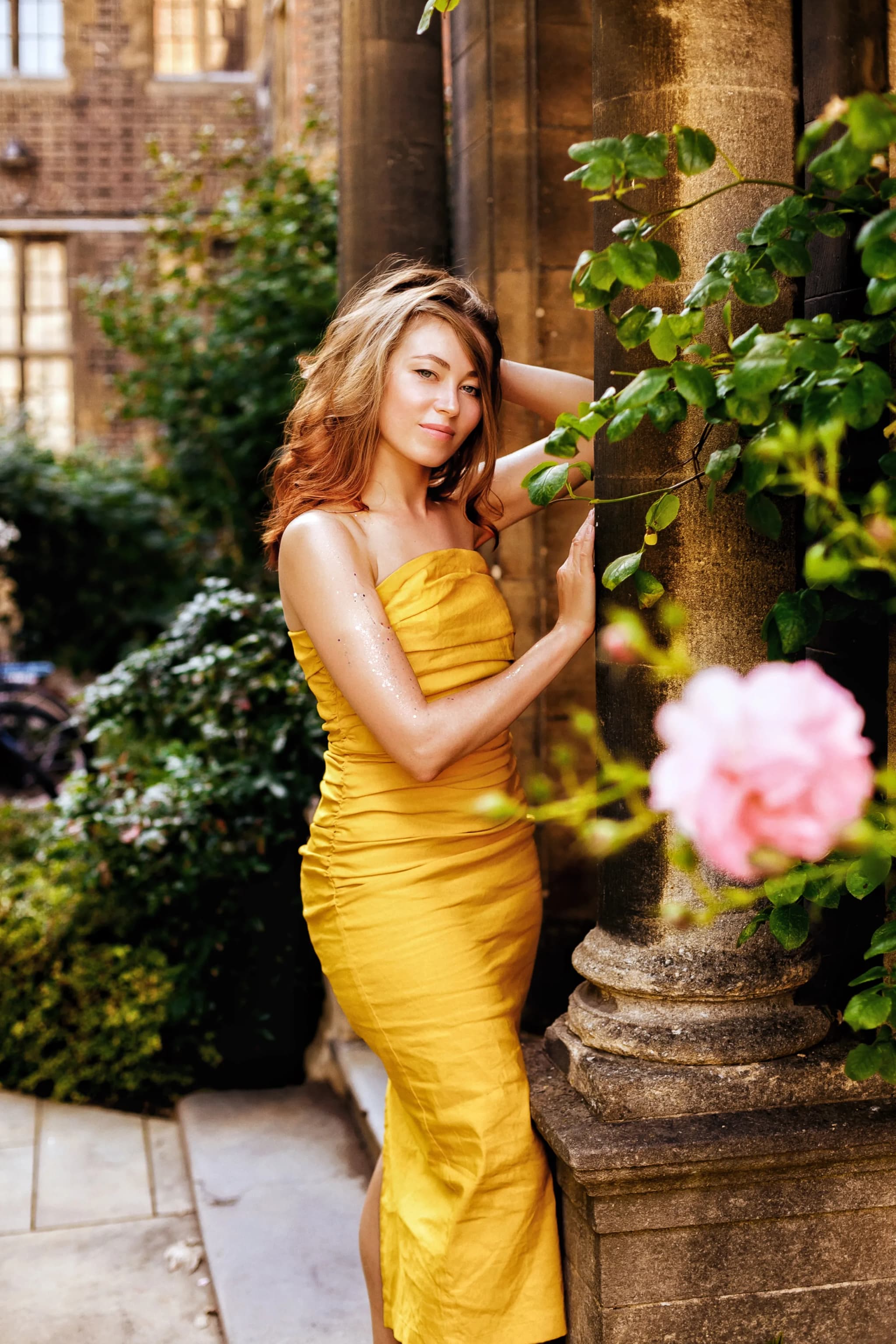
- ◆ Clothing can incorporate more texture and warmth — a quality textured blazer or jacket, a rich-toned silk blouse, a well-fitted dress in a deep warm colour
- ◆ Jewel tones photograph particularly well in warm interior environments — deep teal, burnt sienna, deep plum, warm ochre
- ◆ Layering is appropriate but should remain intentional — a fine-knit over a quality shirt, not multiple layers that create visual clutter
- ◆ Statement jewellery in keeping with the aesthetic voice of the practice — a designer who creates bold, curated spaces can carry bold accessories more credibly than one whose work is minimal
For Location Shoots in Completed Projects
Architects and interior designers are often photographed in environments they have created — either photographed alongside the completed project or within a residential or commercial space. In these contexts:
- ◆ Clothing should be chosen after reviewing the colour palette of the space to be photographed in — wearing colours from the same palette creates visual coherence; wearing colours that clash with the scheme creates a distracting imbalance
- ◆ Avoid wearing the dominant colour of the space — if the scheme is largely deep teal and warm plaster, wearing deep teal makes the subject visually merge with the setting
- ◆ A tone or two away from the dominant palette — if the room is warm ivory and wood, wearing deep charcoal or forest green allows you to visually stand out against the setting while remaining tonally coherent
Studio and Office Portraits
For portraits in an architecture studio or design office — among drawings, models, material samples, or at a drawing desk:
- ◆ Clean, relaxed professional clothing is most effective — quality fitted trousers, a quality plain shirt or fine-knit, or a well-cut blazer over clean basics
- ◆ The working environment provides visual context — clothing doesn 't need to work hard to communicate the industry. Plain and considered reads as intentional against a visually active studio background
- ◆ A fitted dark top against the white/light surfaces of a drawings-heavy studio creates clean visual separation between subject and environment
What to Avoid
- ✕ Heavily printed or pattern-mixed clothing — a professional practice depends on the work being seen clearly; competing clothing patterns redirect attention from the professional context to the clothing
- ✕ Casual, unprepared choices — worn jeans with a generic T-shirt in a studio environment looks unintentional and undermines the professional register of the portrait
- ✕ Clothing that contradicts the design aesthetic — if the work is precision-led and architectural, visually chaotic clothing creates an incoherence that affects how both the portrait and the practice are perceived
- ✕ Colours that clash with the primary project environment if being photographed in situ
Accessories and Props
Architecture and interior design practice offers natural props that add professional authenticity to portraits:
- ◆ A rolled drawing, a material sample board, or a model in frame provides professional context without needing to be actively posed with — simply present in the environment
- ◆ Glasses, if worn professionally, should be worn in portfolio images — they are part of the professional identity and are read as authentic professional signifiers
- ◆ Jewellery should align with the aesthetic register — a minimal watch or restrained necklace for a minimalist practice; more considered or statement pieces for a maximalist or fashion-forward practice