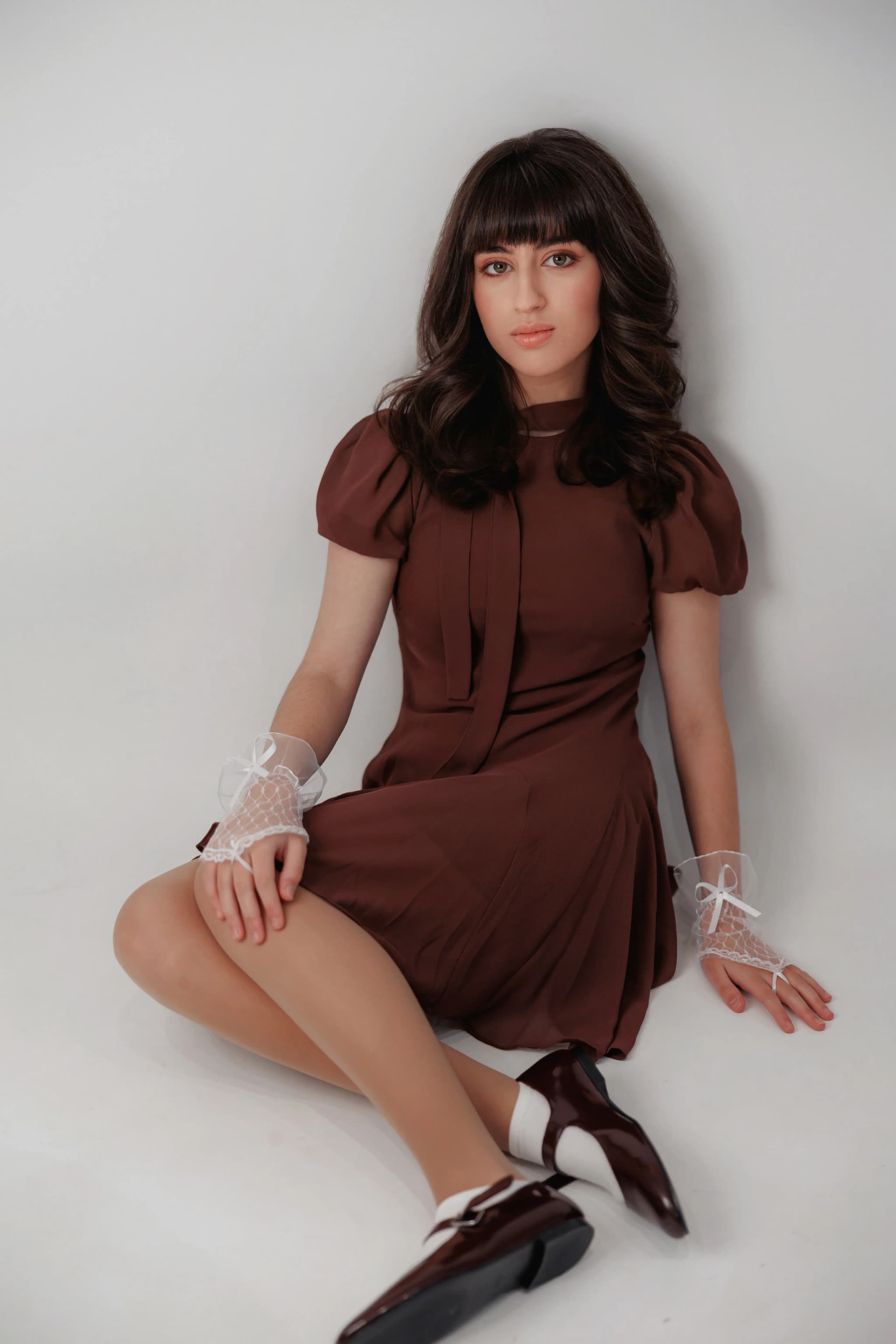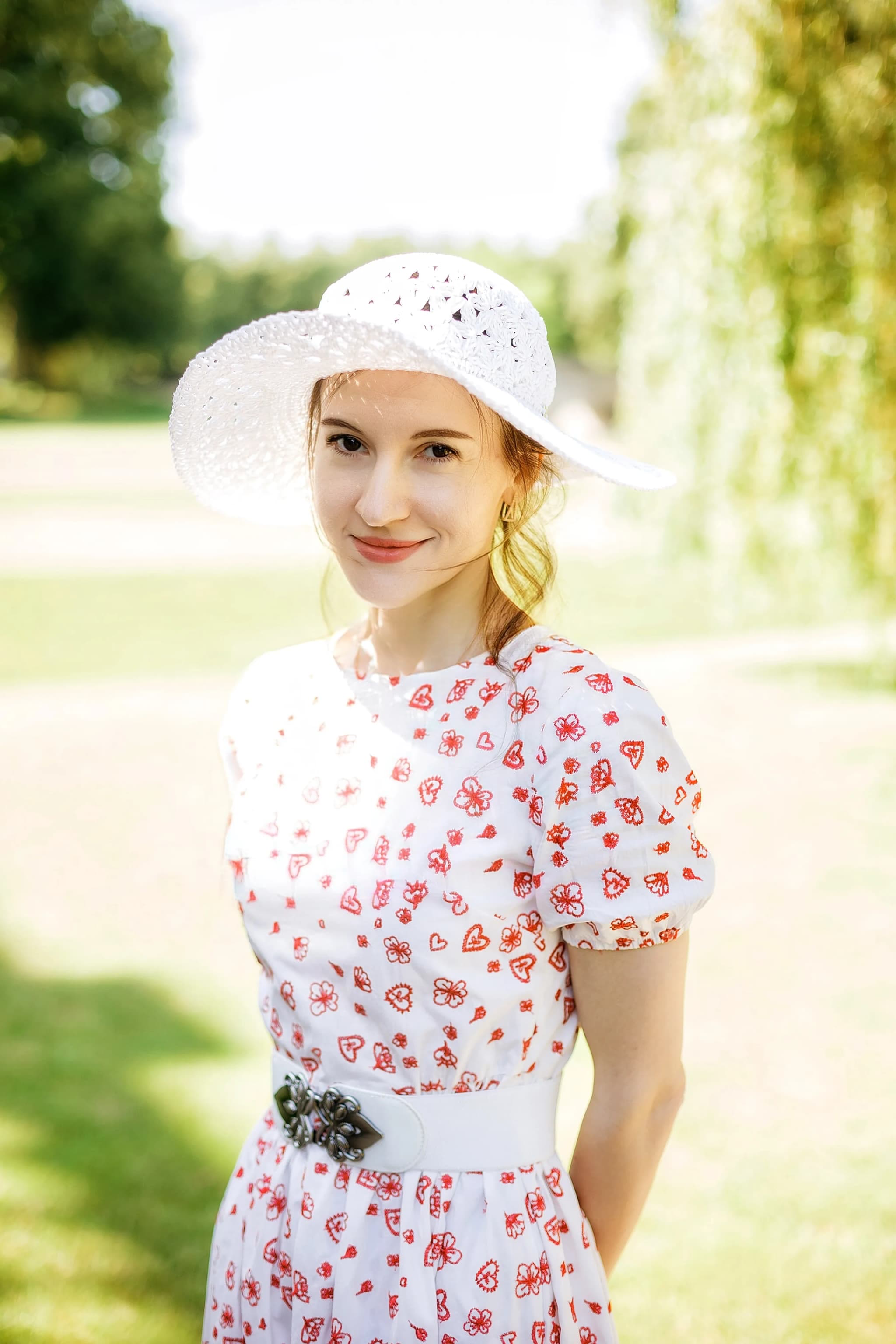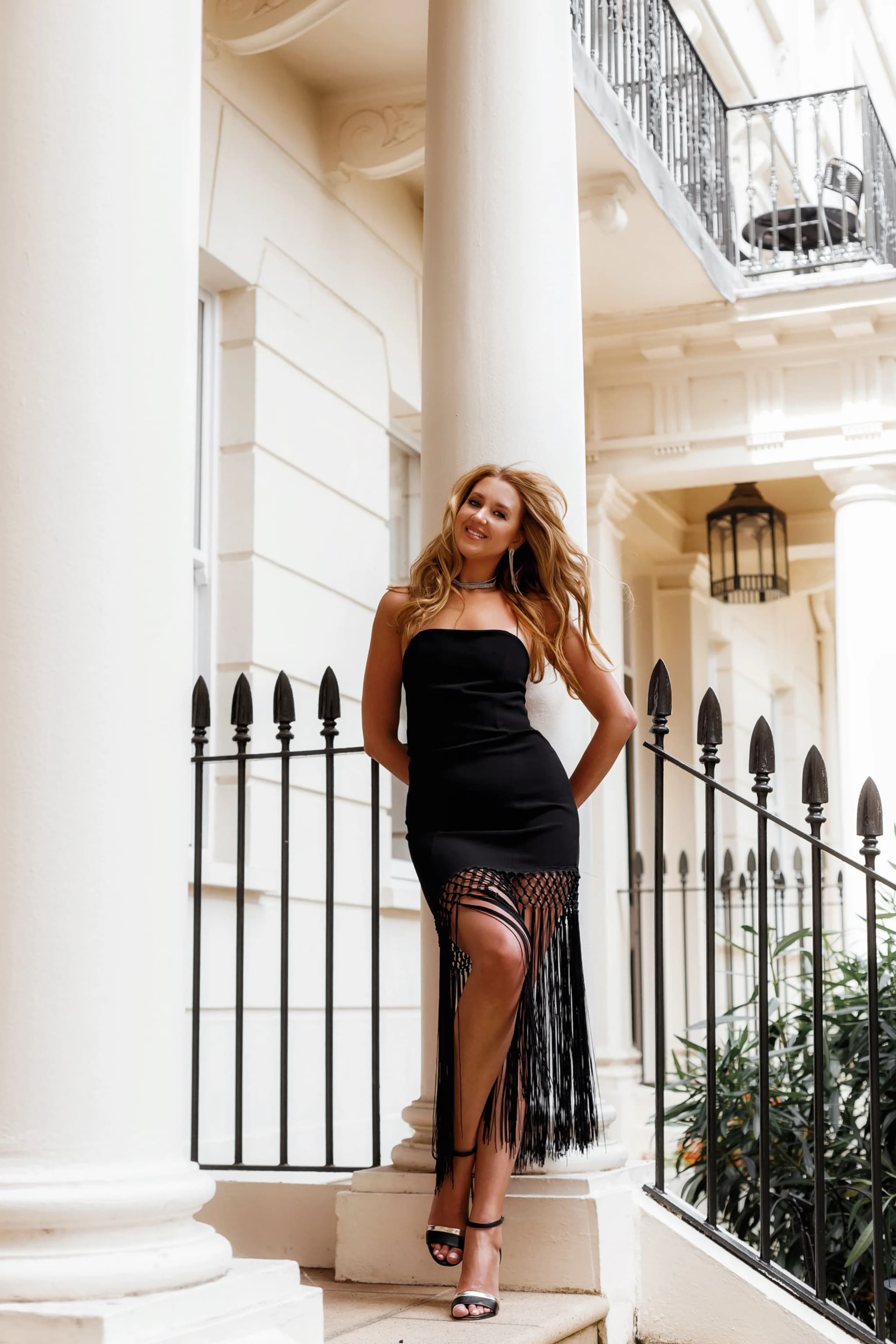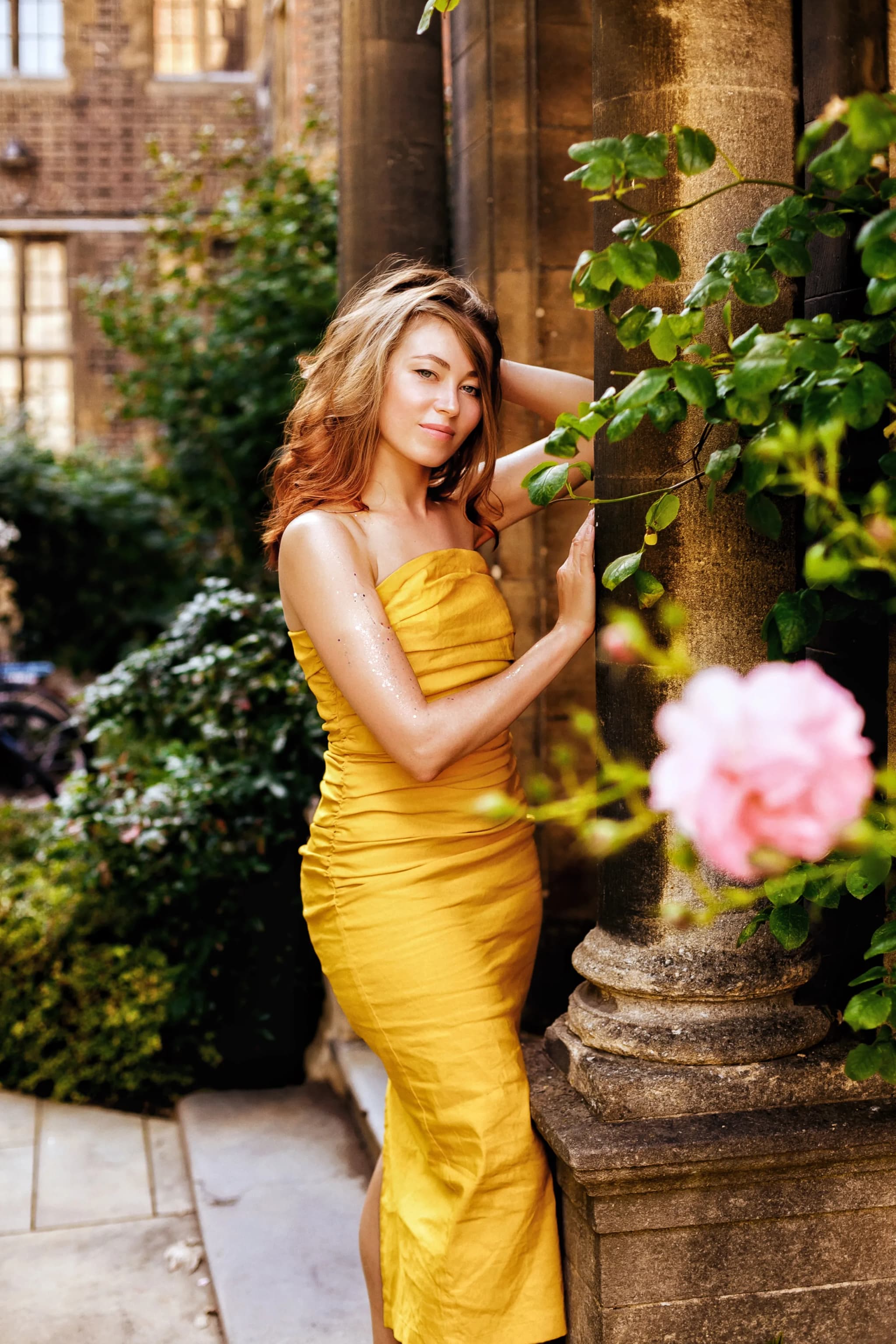
Creative director, brand strategist, and marketing leader headshots present a specific and instructive challenge: the subject's professional identity is built on an understanding of visual communication, and the headshot itself is therefore a more intensely scrutinised piece of communication than it might be for a professional in a different field. A creative director whose headshot is generic, considers standard, or visually uninspired sends an unintentional but powerful signal about their creative sensibilities. This guide covers how to approach headshot photography for creative professionals — including what to wear, how to use clothing as a creative signal, and where the limits of creative departure lie.
The Creative Professional's Specific Opportunity
Creative directors, brand strategists, marketing directors, and CMOs have more latitude in headshot clothing choices than most professional categories. The expectation of visual sophistication in these roles means that a more considered, distinctive, or aesthetically intentional clothing choice reads as competent rather than unusual. What this means in practice:
- ◆ The standard professional headshot default — dark suit, white shirt — may actually underperform in creative roles. It communicates professional safety but does not communicate visual voice or aesthetic judgement.
- ◆ A more considered, visually interesting clothing choice — a well-chosen colour, an interesting layering, a distinctive but restrained accessory — can reinforce the professional narrative of someone whose value is in their aesthetic thinking
- ◆ This latitude is narrower than it might seem — it is the latitude of considered, expert departure from convention, not the latitude of anything goes
Expressing Aesthetic Voice Through Clothing
For creative professionals, clothing in a headshot should ideally read as an extension of their creative voice — consistent with how they present their visual identity across their portfolio, website, and professional communications:
- ◆ Minimalist design aesthetic: clothing should reflect that aesthetic — clean lines, quality materials, a restrained palette. A quality plain black or charcoal top, beautifully fitted, communicates the same visual values as the work.
- ◆ Bold, colour-led brand identity: a signature colour from the professional's own brand palette can appear in the headshot clothing — a deep teal blazer for a teal-branded creative director, a warm terracotta top for someone whose visual identity is built around earthy, warm tones
- ◆ Editorial or fashion-adjacent creative: a more fashion-forward clothing choice — quality structured blazer in an unexpected colour, an interesting fabric or texture — may be appropriate if consistent with the professional's identity and the visual register of their work
- ◆ Corporate brand or marketing role: a higher formality register is appropriate — quality blazer, quality shirt or blouse — but with more colour and character than a financial or legal professional headshot
Colour Choices for Creative Professional Headshots
- ◆ Deep, rich, distinctive colours photograph with particular impact — deep teal, warm burgundy, rich forest green, deep plum. These read as distinctive and considered without being casual or distracting.
- ◆ A brand-associated colour used deliberately — if the creative's professional visual identity consistently uses a specific colour, extending that into the headshot creates visual coherence across their professional presence
- ◆ Architectural neutrals used with quality and intention — quality black, sophisticated charcoal, warm deep navy — communicate minimalist design intelligence rather than generic professional default
- ◆ Avoid arbitrary colour choices that have no relationship to the professional's aesthetic voice — even in creative roles, clothing should feel intentional and coherent, not random
What to Wear: Practical Guidance
- ◆ A quality blazer or structured jacket in a considered colour over a quality plain top — this combination creates visual structure, communicates authority and creative intelligence, and works across all professional contexts
- ◆ For a more minimal approach: a very well-fitted quality top in a strongly considered colour — deep teal, quality black, warm burgundy — on its own, without a jacket. The quality and fit of the individual piece must be exceptional if worn without a jacket.
- ◆ Quality fabric is disproportionately important for creative professional headshots — materials that read as expensive, considered, and intentional communicate aesthetic intelligence in ways that generic fabrics do not
- ◆ A distinctive but restrained accessory — a well-chosen watch, a quality minimal pendant, an interesting but not competing ring — can add the right level of considered personalisation
For Marketing Directors and CMOs
Senior marketing leaders photographed for company websites, industry profiles, and press contexts:
- ◆ A well-fitted blazer in a quality, considered colour — navy, charcoal, deep teal, or forest green — communicates senior leadership authority with more creative character than a standard corporate suit
- ◆ Quality shirt or blouse in a well-coordinated tone — the combination should look intentional and carefully chosen rather than generically professional
- ◆ An associated brand colour in the clothing, where it works — a CMO whose company brand is deep blue and the headshot features deep blue communicates alignment with the brand identity they steward
What to Avoid
- ✕ Generic professional defaults that communicate no visual voice — a boring grey suit and white shirt on a creative director communicates that the person does not apply their professional aesthetic to their own presentation
- ✕ Overcorrecting in the creative direction — a very fashion-forward, heavily styled, visually complex look that distracts from the person. The face and expression must remain the subject.
- ✕ Clothing that photographs badly — interesting clothing that creates visual distortion, pattern interference, or excessive reflectivity. The photo quality must be retained.
- ✕ A "creative" choice that contradicts the actual aesthetic of the work — a creative director whose portfolio is clean and Swiss-minimalist wearing heavily eclectic clothing creates a visual inconsistency that undermines the portfolio itself