Yana Skakun

What to Wear for Your Engagement Photoshoot: A Seasonal Guide
By Yana Skakun·1 June 2027·5 min read
Of all the questions I get asked in the run-up to an engagement shoot, "what should we wear?" comes up more than any other — more than location, more than timing, more than what happens if it rains. It is a completely understandable worry. An engagement shoot is often the first time a couple has been properly photographed together outside of phone snaps and wedding-guest candids, and clothing is the one variable you have almost total control over before the day itself. Get it right and the images feel effortless, timeless, and unmistakably you. Get it wrong — a clashing pattern, a logo that dates the photograph within a year, an outfit that felt fine at home but reads as flat or washed-out against a Cambridgeshire backdrop — and you notice it every time you look at the album, even if the moment itself was lovely. This is a practical, season-by-season guide to the decisions that actually matter, built from what I have seen work, again and again, across hundreds of sessions around Cambridge and the surrounding countryside.
The Principles Before the Specifics
Before getting into seasons and locations, a handful of rules apply to every engagement shoot regardless of when or where it happens. The first is to avoid busy patterns, small repeating prints, and anything with visible branding or text. A bold check or a tight polka dot can create a strobing effect in photographs that is distracting even though it looks perfectly normal in person, and a logo or slogan across a t-shirt dates an image the moment fashions move on — which they always do. Plain fabrics, subtle textures, and simple silhouettes photograph far better than anything busy.
The second principle is to coordinate rather than match. Couples who turn up in genuinely identical outfits — same shirt, same colour, same everything — end up looking slightly like a matching pair of dolls rather than two individuals who happen to be together. What works much better is choosing colours that sit comfortably in the same palette without being the same garment: one of you in a deep teal jumper, the other in cream and navy; one in a rust-coloured dress, the other in a warm grey shirt. The eye reads this as intentional and considered without it looking staged.
The third principle, and honestly the most important one, is comfort. If you are wearing shoes that pinch, a shirt that is too tight across the shoulders, or a dress you are constantly adjusting, that discomfort shows on your face in every single frame. I would always rather photograph a couple in something slightly less "photogenic" on paper but that they feel completely at ease in, than a couple in a magazine-perfect outfit they are visibly uncomfortable wearing. Relaxed, natural expressions come from feeling good in your own skin, not from the exact shade of a jumper.
Finally, bring a second outfit if you can. Most engagement sessions run for around an hour to ninety minutes and often move between two settings — perhaps a woodland or riverside spot and then somewhere more architectural, like a Cambridge college backdrop or a cobbled street. A change of clothing partway through, even a simple swap like taking off a jacket or changing from a dress into jeans and a jumper, gives you genuine variety in the final gallery rather than an hour of images that all look interchangeable.
Reading Your Backdrop
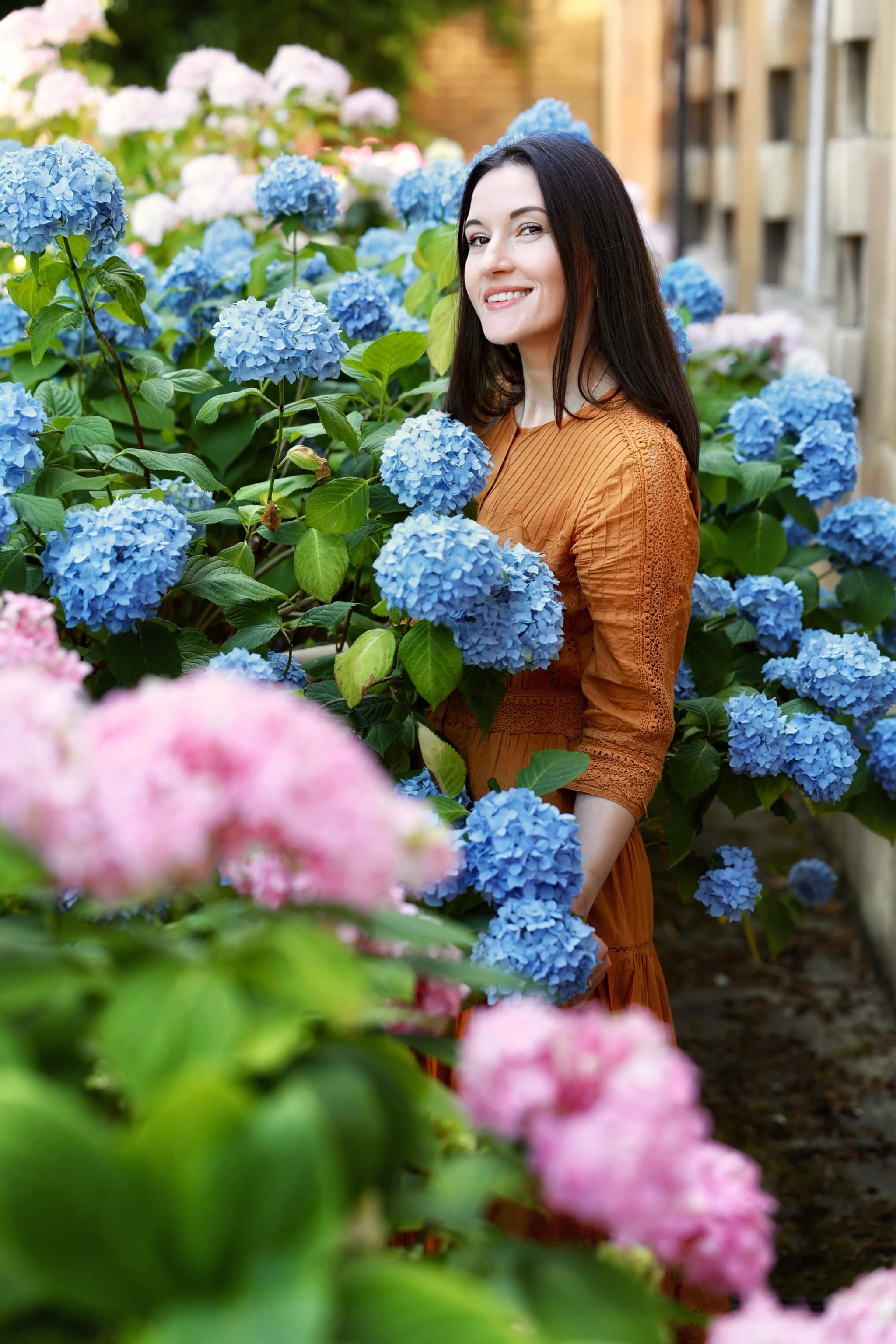
Where you shoot should genuinely influence what you wear, and thinking about this in advance makes a real difference to the final images. A green, open backdrop — the Backs along the River Cam, Grantchester Meadows, or one of the country parks like Wandlebury — rewards warm tones: terracotta, cream, camel, olive, warm mustard. These colours sit alongside natural greens and browns rather than fighting them, and they tend to glow rather than clash in afternoon light.
A stone or urban backdrop — the honey-coloured colleges along King's Parade, the cobbled lanes near the Market Square, or the red-brick terraces around Mill Road — suits a slightly different palette: navy, burgundy, charcoal, forest green, and rich neutrals like camel or stone grey. These tones have enough depth and saturation to hold their own against architecture without disappearing into it, and they photograph with a timeless, slightly more formal feel that complements historic buildings well.
If you are not sure which setting you will end up favouring on the day, or if your session is likely to move between more than one type of backdrop, a warm neutral palette — cream, camel, soft grey, dusty blue — works reliably well almost everywhere. It is the safest starting point if you genuinely cannot decide, and it pairs easily with almost any second outfit you bring as a change.
Season by Season
Spring. Cambridgeshire in spring has a particular quality of soft, slightly diffused light, especially on the overcast days that are common through March and April, but the weather can shift within a single afternoon. Layering is the practical answer — a light cardigan or jacket you can add or remove as needed. In terms of colour, pale florals, soft greens, and warm off-whites work beautifully against blossom, fresh growth, and the daffodils that line so many of the riverside paths in April. I would generally steer away from very dark colours on a bright spring day, since they absorb heat visibly and can create quite heavy contrast against a pale, new-growth background.
Summer. Summer gives you the most flexibility, and golden hour — roughly the hour before sunset — is genuinely one of the best times to shoot an engagement session in the county, whether that is along the river, in the Botanic Garden, or out in the surrounding villages. Lightweight linen, soft cotton dresses, and relaxed tailoring all suit the warmth of the season and move naturally in the kind of breeze you often get near the water. Jewel tones — deep blue, terracotta, mustard, burgundy — hold up particularly well against the warm, golden light of a summer evening. Pure white is the one colour I would ask you to think twice about in bright summer sun; it blows out easily in camera and can lose all its texture and detail, especially in harsh midday light.
Autumn. This is, in my experience, the most forgiving and generally the most popular season for engagement shoots around Cambridge. Rich, warm tones — burnt orange, ochre, burgundy, deep forest green — sit directly alongside the turning foliage in places like Wandlebury or the Botanic Garden, so almost any warm-toned outfit looks intentional against that backdrop. Knitwear, longline coats, and scarves are both genuinely practical, given the drop in temperature, and photograph beautifully — an oversized coat wrapped around both of you against a carpet of fallen leaves is one of the single most consistently beautiful images I capture across an entire autumn season of sessions.
Winter. Winter sessions ask a bit more of you in terms of practical warmth, but the results reward it. Wool coats, cashmere jumpers, and textured knitwear all photograph with a richness that lighter summer fabrics cannot match, especially against the low-contrast, often slightly misty winter light that Cambridgeshire gets through December and January. Deep jewel tones and warm neutrals work particularly well against bare trees and pale winter skies. If the forecast includes light rain or mist, an umbrella is not just a practical necessity — used well, it becomes a genuinely lovely prop that adds movement to an image and a distinctly British character that couples often love in hindsight.
Still not sure what will work?
I always talk outfits through with couples ahead of the session, based on the specific location we choose and the time of year — it takes the guesswork out of it entirely.
Get in touch about your engagement shootFootwear, Accessories, and the Small Details
Footwear is one of the most overlooked parts of engagement shoot planning, and it matters more than people expect. Cambridgeshire locations are rarely flat, dry, and even — riverside paths get muddy, woodland tracks have roots and puddles, and cobbled streets in the city centre are genuinely uneven underfoot. Heels look elegant in a shop but are miserable and often unsafe on grass, gravel, or cobbles, and the discomfort tends to show in stiff, careful posture rather than relaxed movement. Flat boots, loafers, or simple trainers in a neutral tone almost always photograph just as well as heels while letting you actually walk, laugh, and move naturally through the session, which is where the best candid images tend to come from.
Accessories are worth a moment of thought too, but a light one. A simple scarf, a hat in winter, or a favourite piece of jewellery can add a personal touch and a bit of texture to an image without becoming a distraction. The general rule is the same as with clothing patterns: anything too busy, too shiny, or too fussy tends to pull the eye away from your faces and your expressions, which are really what the photographs are about. If in doubt, less tends to work better than more.
Hair and makeup deserve a brief mention as well, since they are part of the same overall decision. My general advice is to aim for what you would wear on a genuinely good night out — put together, polished, but still recognisably yourselves. Full wedding-day-level hair and makeup on an engagement shoot can look slightly incongruous against an informal, outdoor setting, and creates a strange mismatch between how done-up you look and how relaxed the setting is. Natural and polished, rather than dramatic, is almost always the better fit for this kind of session.
What to Actually Pack on the Day
A few practical additions make a real difference once you are actually on location. Bring a small bag with a few essentials: a lint roller if you have pets at home, blotting papers or powder if it is warm, a hairbrush, and lip balm, since Cambridgeshire weather can dry your lips out quickly whatever the season. If you are bringing a second outfit, pack it on hangers or folded neatly in a way that keeps it crease-free, and bring a pair of flat, easy-to-remove shoes for walking between locations even if you plan to wear something dressier for the actual photographs.
If children, dogs, or other family members are joining part of the session, it is worth extending the same colour-coordination thinking to them, without going as far as matching outfits for everyone. A dog in a simple bandana in a complementary tone, or children in soft, plain colours that echo the adults' palette without repeating it exactly, keeps the whole group looking considered as a set of images rather than looking like several unrelated outfits happened to end up in the same field.
Ultimately, the outfit is there to support the two of you, not the other way around — the goal of every engagement shoot I photograph is images that feel like an honest, relaxed record of who you are together, not a styled shoot that could belong to anyone. Think about colour and comfort, choose something you will look back on in ten years without wincing at a fleeting trend, and let the rest take care of itself on the day. If you would like help thinking through outfit choices for your own session, whether that is matching colours to a specific Cambridge location or planning for a particular season, get in touch and I am always happy to talk it through before we book a date.

Yana Skakun
Photographer · England
Professional wedding, family and portrait photographer based in England. Passionate about capturing authentic emotions and timeless moments.
About Yana →what to wear engagement shootengagement photoshoot outfits ukengagement shoot clothing guidewhat to wear engagement photos
Engagement Photography — Professional Photography in Cambridge & England
Yana Skakun is a professional photographer based in Cambridge, covering weddings, families, and portraits across England. Every session is personal — planned around your story, your people, and the moments that matter most. This guide — What to Wear for Your Engagement Photoshoot: A Seasonal Guide — is part of the photography journal: practical, experience-based advice drawn from real sessions across England. Whether you arrived searching for what to wear engagement shoot or engagement photoshoot outfits uk, the same care and attention shapes every session Yana photographs.
Professional Photography sessions are available year-round, with bookings open across Cambridge, Ely, Huntingdon, Peterborough, and further afield — East England, London, the Midlands, and beyond. If you have specific questions about engagement shoot clothing guide, mention it in your enquiry. Get in touch through the contact form above to check availability and discuss your session. Enquiries are welcomed from anywhere in the UK.
Frequently Asked Questions
What camera settings should I use for outdoor portraits?+
For outdoor portraits, shoot in aperture priority mode. Use a wide aperture (f/1.8–f/2.8) to blur the background and isolate your subject. Keep ISO as low as possible in good light. In bright conditions, use a neutral density filter or switch to manual to avoid overexposure at wide apertures.
What is the golden hour in photography?+
Golden hour is the period roughly 30–60 minutes after sunrise and before sunset. The sun is low in the sky, producing warm, soft, directional light that flatters skin tones and creates beautiful long shadows. It's widely considered the best natural light for portrait and outdoor photography.
How do you get sharp photos in low light?+
In low light, increase your ISO (accepting some grain), use the widest aperture your lens allows, and slow your shutter speed to the slowest you can hand-hold without camera shake (roughly 1/focal length as a guide). Use image stabilisation if available, and consider a tripod for static subjects.
What is the rule of thirds in photography?+
The rule of thirds divides the frame into a 3×3 grid. Placing your subject on one of the four intersection points — rather than dead centre — creates a more dynamic, visually interesting composition. It's a guideline, not a rule: some of the most powerful images break it deliberately.
How do you edit photos to look professional?+
Professional editing starts with shooting in RAW format. In Lightroom or similar software, correct exposure, white balance, and contrast first. Recover shadow and highlight detail. Apply gentle colour grading for mood. Be conservative with skin retouching — the goal is natural enhancement, not transformation. Consistency across a set of images is what separates professional from amateur editing.
Continue Reading
Related Articles
Engagement Photography
Engagement Photography Cost: How Much Should You Expect to Pay?
5 min read · Read Article
Engagement Photography
Top 10 Locations for an Engagement Shoot in the Cotswolds
5 min read · Read Article
Engagement Photography
7 Reasons Why You Should Book an Engagement Shoot
5 min read · Read Article
Get in Touch
Ready to Book Your Session?
Get in touch to discuss your vision — I'll reply within 24 hours.