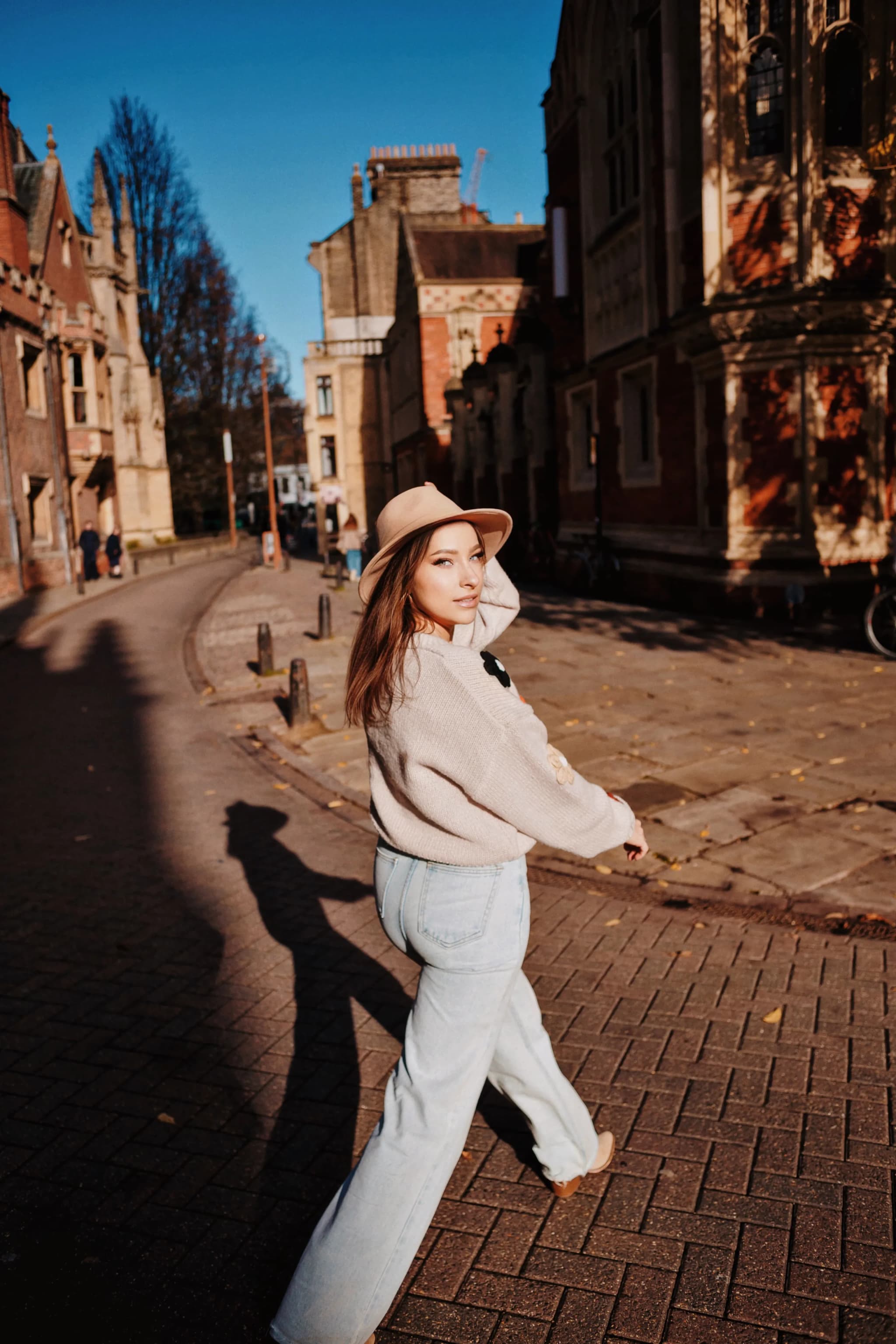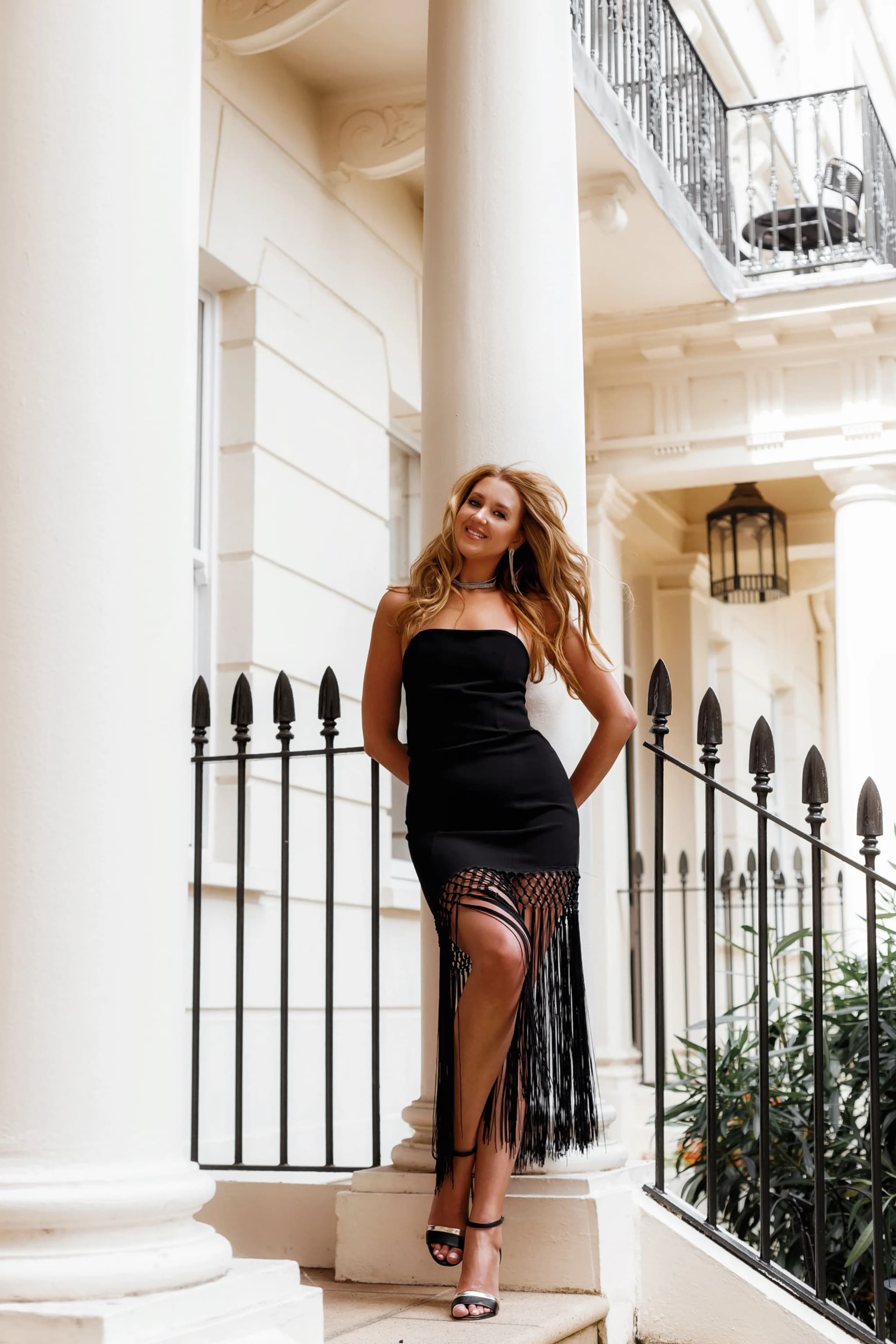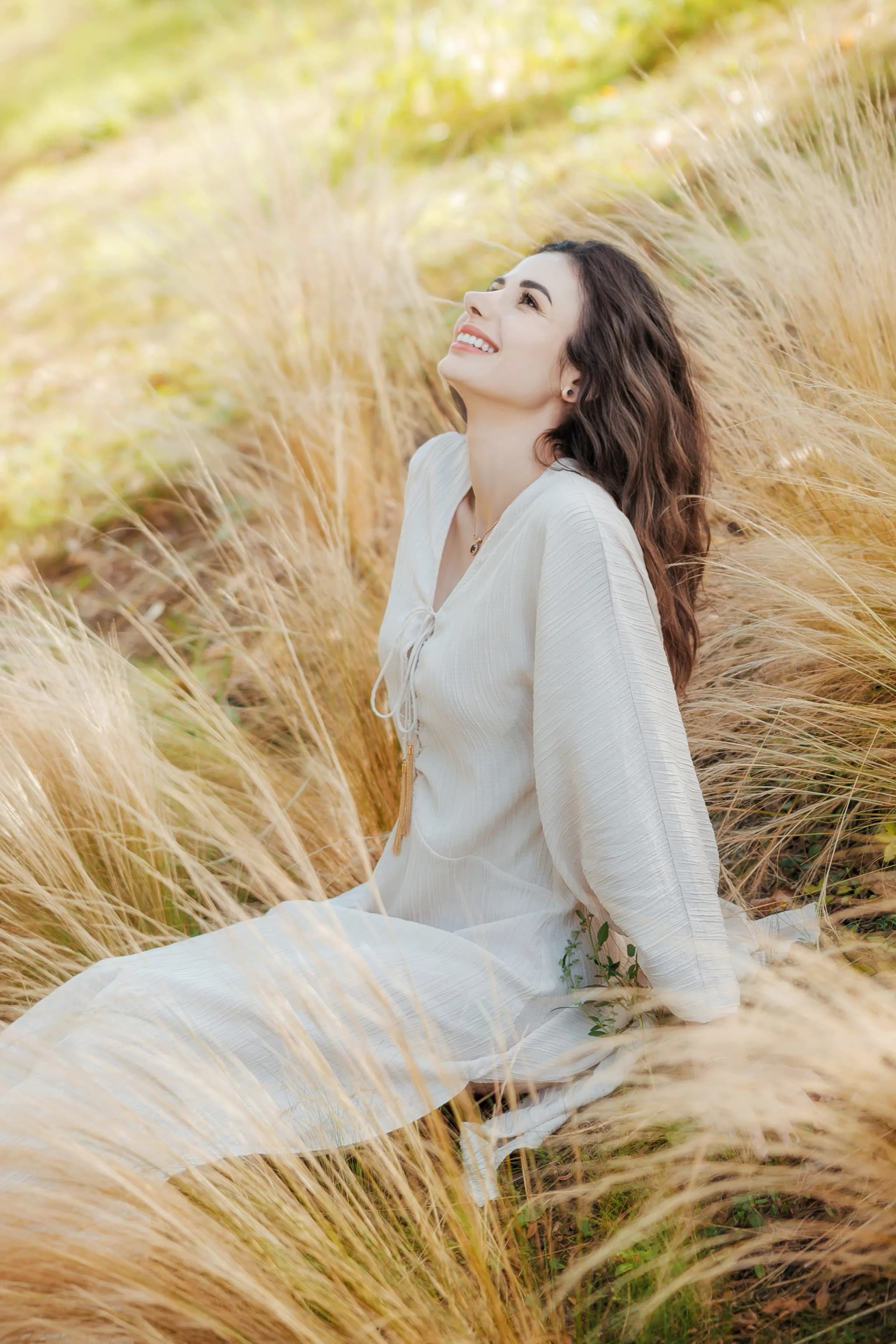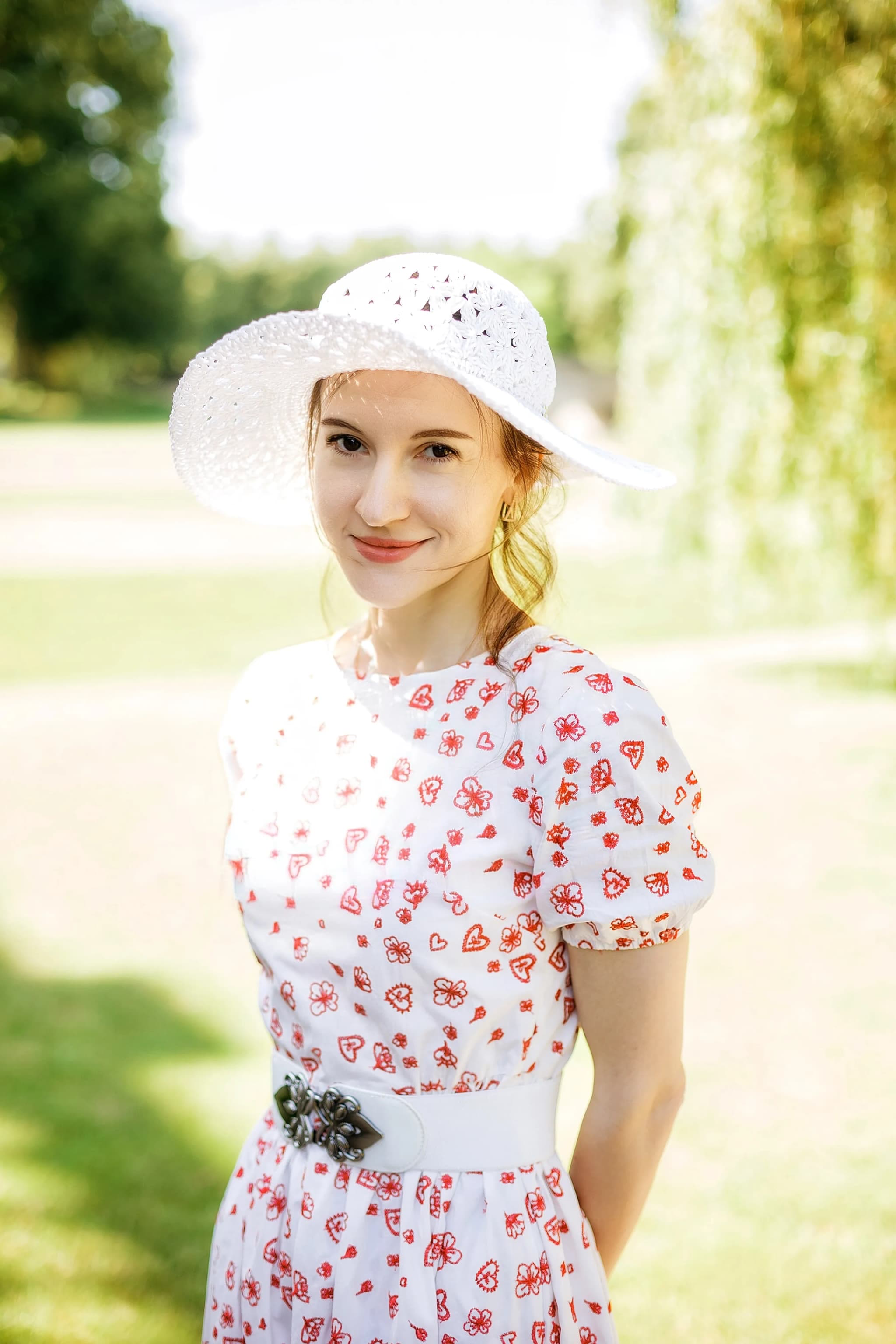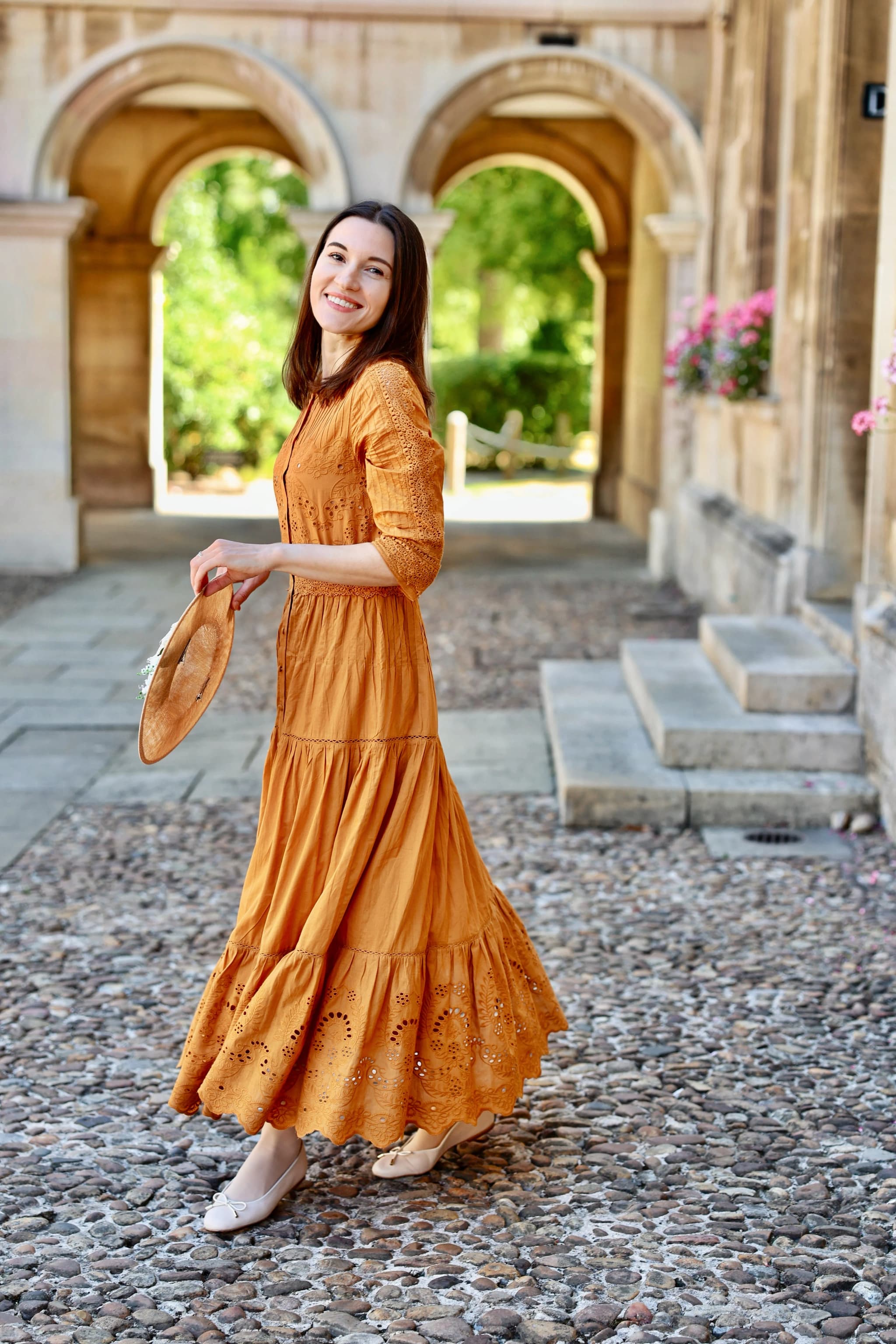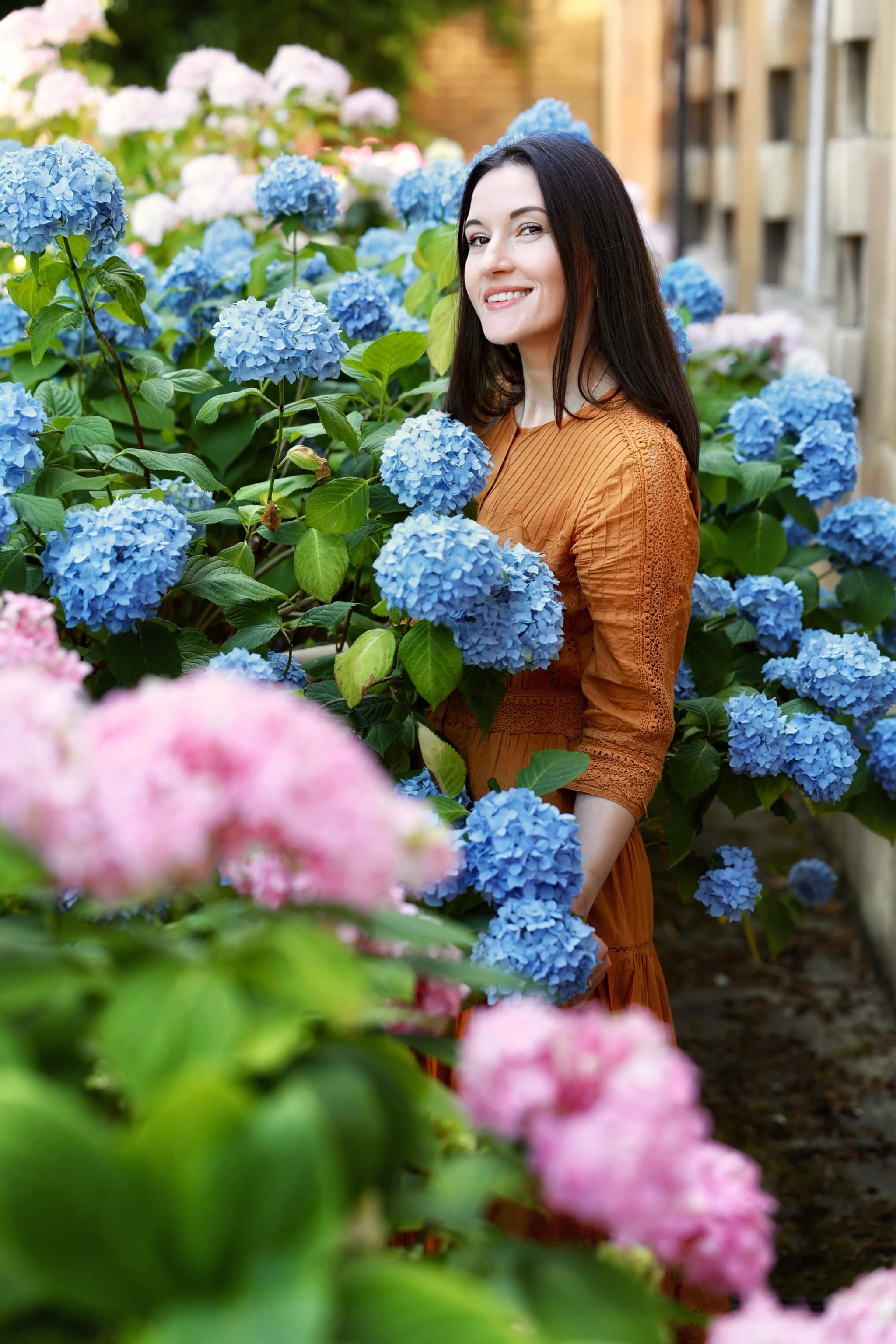
HR professional headshots appear across company intranet pages, LinkedIn profiles, CIPD directory listings, recruitment consultancy websites, and internal HR team communications. These photographs carry a distinctive challenge: HR professionals need to project warm approachability — the quality that makes people feel genuinely comfortable discussing sensitive workplace matters — while simultaneously communicating professional authority and credibility. Every clothing choice should serve both dimensions thoughtfully.
Understanding the HR professional image
Human resources professionals occupy a unique organisational position. They represent the employer brand to candidates and the workforce alike, while also acting as advocates, mediators, and support figures. The best HR headshots reflect this duality — professional credibility coexisting with genuine warmth and accessibility.
Clothing that reads as too formal or corporate can feel cold and unapproachable, the exact opposite of effective HR presence. Clothing that reads as too casual undermines the authority essential for credible HR leadership. The goal is a considered middle ground that communicates confident professionalism and genuine human warmth in equal measure.
The specific context of your headshot helps calibrate this balance. An HR director at a financial services firm presents differently from an HR partner at a creative technology company or a talent acquisition lead at an early-stage startup. Your professional environment should shape the formality register of your headshot accurately.
Colour choices for HR headshots
HR professional photography responds well to colours that communicate trust, warmth, and approachability alongside competence. This shapes the effective palette toward softer, considered tones rather than the harder assertive colours that serve legal or financial services headshots.
Soft navy and mid-blue tones are consistently effective — blue communicates trust, reliability, and calm that aligns naturally with HR professional values. Warm greens, sage, and muted teal read as approachable and balanced. Soft rose, warm terracotta, and dusty burgundy add warmth without sacrificing professional credibility. Warm stone and gentle grey neutrals work well as understated professional foundations.
Avoid very sharp, aggressive colours that communicate confrontation rather than collaboration. Stark red, aggressive orange, and highly saturated primary colours can undermine the warmth dimension essential to HR professional photography. Classic white works well when combined with a structured blazer or jacket, but tends to read as less considered as a standalone garment without additional layering.
Consider how each colour interacts with your actual complexion. Colours that create natural warmth and contrast between your face and clothing produce more engaging portraits than shades that wash out your natural colouring or create harsh visual competition.
Formality guidance by HR role
Senior HR leadership — CHRO, HR Director, VP People: Well-tailored, elegant clothing that communicates leadership presence with warmth. A beautifully structured blazer over a quality top or shirt, or a well-cut suit in a warm mid-tone colour, signals executive standing. Quality and fit matter considerably at leadership level — garments should be clearly well-made and properly fitted.
HR Business Partners and HR Managers: Smart professional attire balancing credibility with accessibility. A well-fitted jacket or structured top in a professional warm colour communicates confident standing. This level has the most flexibility and benefits from reflecting the company's actual culture — formal environments warrant more structured choices, while creative and technology workplaces can accommodate softer professional dressing.
Talent Acquisition and Recruitment roles: Smart contemporary professional attire that reads as welcoming and energetic alongside credible. Clean, contemporary choices that communicate clarity and enthusiasm work well for roles with significant external candidate-facing visibility.
L&D and Wellbeing specialists: Clothing emphasising warmth and accessible supportive presence while remaining clearly professional. Softer tones, comfortable-looking quality fabrics, and warm colour choices align well with learning and wellbeing-focused professional identities.
Fit, fabric, and professional impression
Fit consistently outweighs formality level or cost in producing effective headshots. A garment in a thoughtful colour that fits well will always create a better portrait than the most expensive garment in an ill-fitting size. Assess your clothing choices specifically for fit before your session, with fresh eyes rather than habitual familiarity.
Blazers should sit cleanly on the shoulders with sleeves at the correct length. The back should not pull or bunch. Shirts and blouses should sit smoothly without strain across the chest. Structured tops and quality knitwear should drape cleanly without clinging. Avoid very deep V-necks, off-shoulder styles, and deeply casual garments even in relaxed-culture workplaces.
Fabric texture adds visual depth to photographs. Lightweight wool, fine knit, and subtle weave texture photograph more interestingly than completely flat, featureless fabric. Avoid shiny, highly reflective fabrics that create unwanted light reflection patterns under professional lighting conditions.
Accessories and detail
Keep accessories to quality pieces that reinforce professional credibility without competing with your face for visual attention. A quality necklace in gold or silver provides elegant interest at the neckline. Stud or small drop earrings add professional polish. A quality watch adds reliability and precision associations that align naturally with HR professional values.
Avoid large statement jewellery that pulls attention from your face. Remove lanyards, name badges, and ID cards before the session begins. If you wear glasses regularly, wearing them in your headshot is strongly recommended for authentic professional representation — ensure lenses are clean and discuss positioning with your photographer to manage any reflection concerns.
Preparing multiple outfits
HR professionals commonly need headshots for several distinct purposes — internal intranet pages, LinkedIn, external conference profiles, and employer brand materials may all warrant different presentations. Planning two to three outfit changes for your session is excellent practice and produces a gallery flexible enough to serve all of these contexts.
Build variety across formality levels and colour temperatures: one more structured option with a blazer, one smart warm option in a considered colour, and potentially a more contemporary or creative choice if your role encompasses external employer branding or recruitment-facing work. This range allows appropriate matching of headshot to purpose after the session.
Prepare and try your outfits at least a week before your session. This gives time to assess how each garment photographs under good natural light, identify any fit changes since they were last worn, and arrange any pressing, repairs, or replacements without the pressure of immediate pre-session timing.
The Cambridge HR professional context
HR professionals in Cambridge work across an unusually diverse range of organisations — the university, Arm and the wider technology cluster, pharmaceutical and life sciences businesses, professional services firms, creative agencies, and the public sector. This diversity means Cambridge HR headshots benefit from being professionally versatile: warm, authoritative, and credible across a range of professional contexts.
The Cambridge professional aesthetic tends toward smart understated professional rather than very formal corporate dressing. HR headshots here benefit from reflecting that genuine professional character — confident, warm, and well-presented without appearing stiff or distant from the people-centred work that defines effective HR practice.