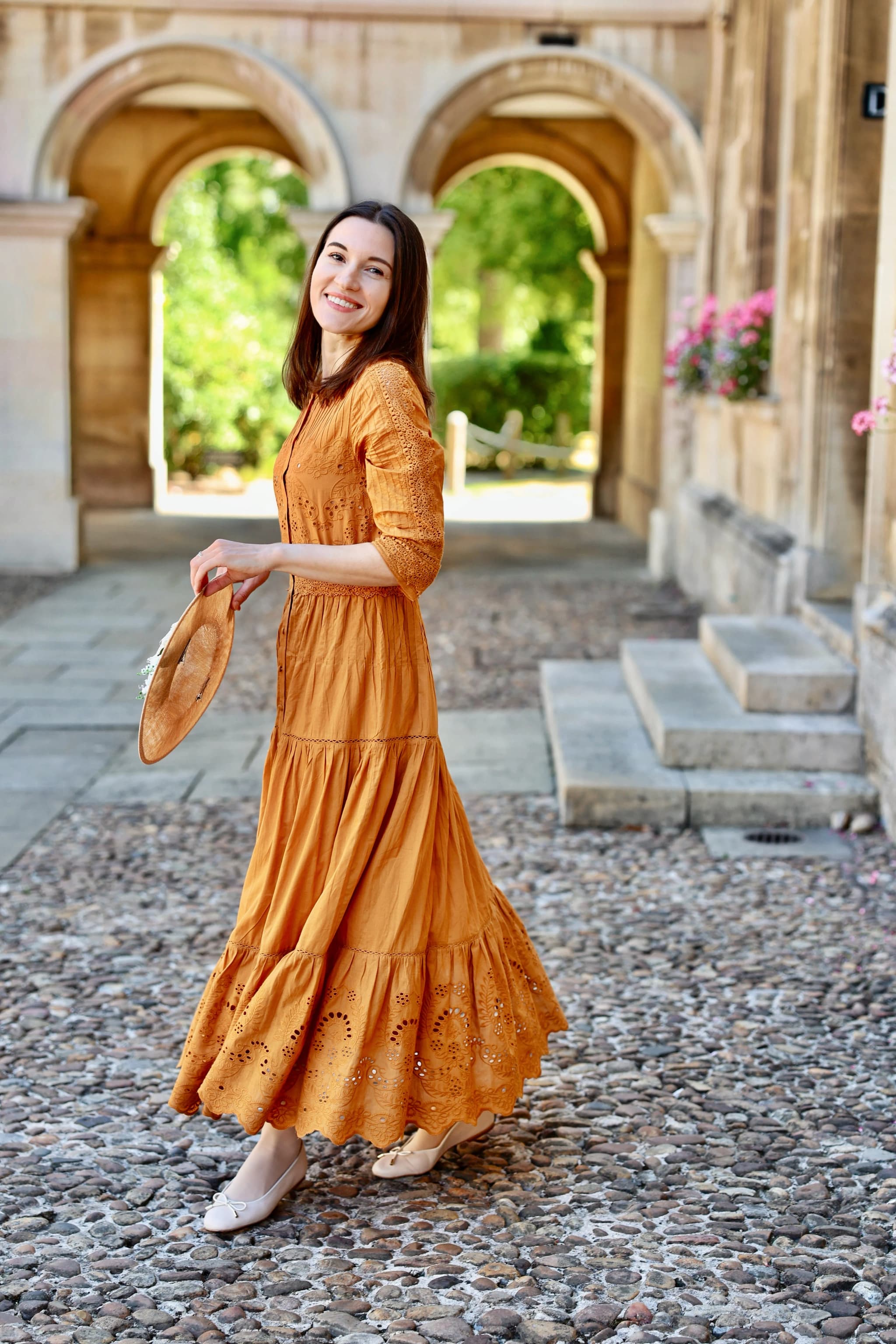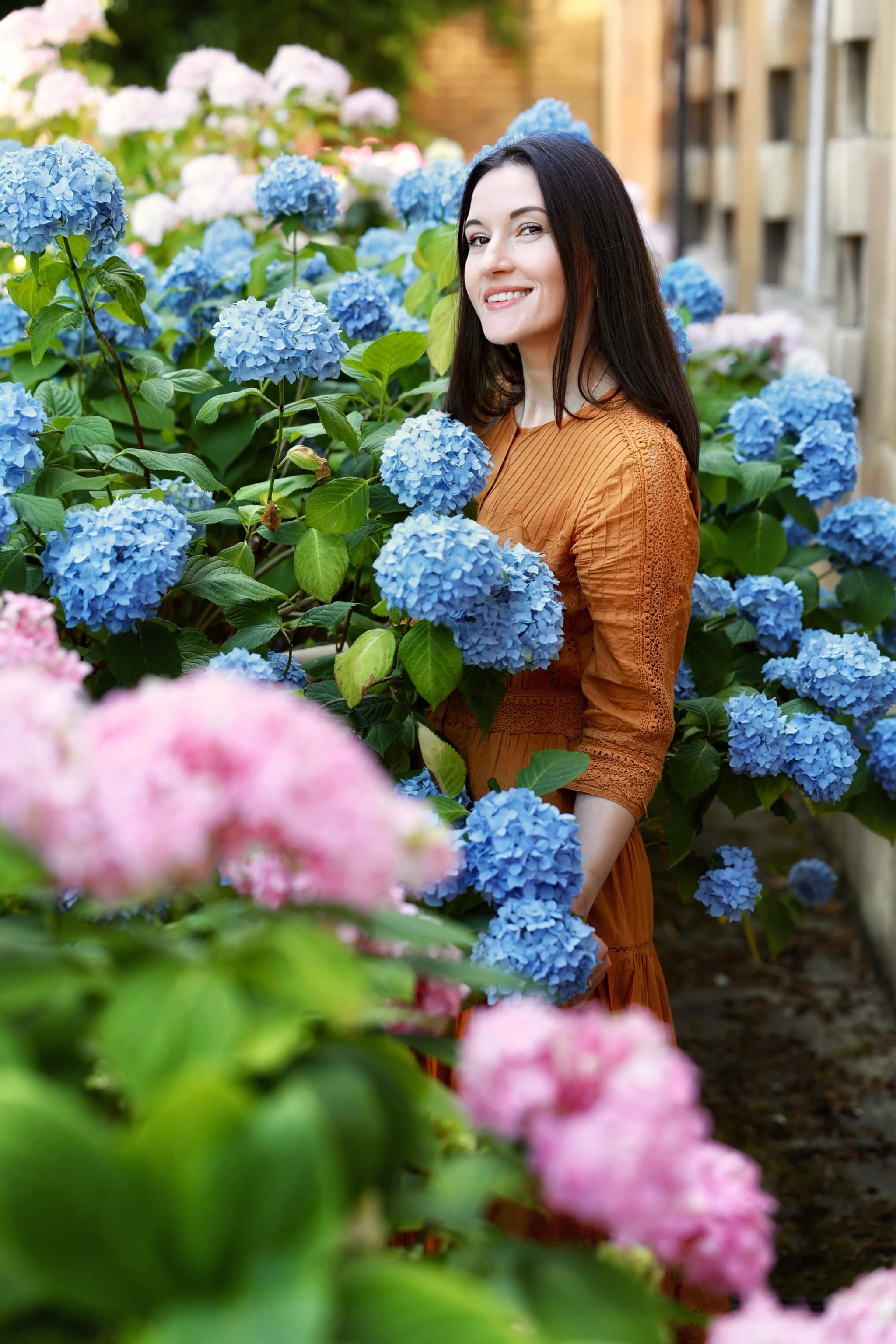
Journalist and media professional headshots appear across publication masthead pages, byline photographs, broadcaster profiles, podcast and media platform listings, press accreditation materials, and personal professional websites. These photographs face a distinctive requirement: they must communicate credibility and professional authority while often needing to project considerable personality, presence, and individual character. Media professional photography sits at an interesting intersection between corporate professional headshots and more expressive individual portrait photography.
The distinctive visual requirements of media headshots
Media professionals — journalists, editors, broadcasters, presenters, podcasters, and commentators — are public-facing figures whose personal credibility is a fundamental professional asset. The headshot functions as a calling card that precedes and accompanies published work, broadcast appearances, and media engagements. It should communicate the specific combination of authority, trustworthiness, intelligence, and personality that defines effective media professional presence.
Unlike corporate headshots where consistency and institutional alignment often dominate, media headshots benefit from a stronger expression of individual character. A byline photograph that projects genuine personality and confidence alongside professional credibility is more engaging and memorable than a generic corporate portrait. The challenge is calibrating the balance between professional authority and individual personality expression appropriately for the specific media context.
The medium matters. Print journalism, digital media, broadcast television, radio and podcast, and online commentary each create different visual expectations for the professional photographs of their contributors. Broadsheet newspaper bylines tend toward classic professional restraint; digital and broadcast media often accommodate more expressive, contemporary choices; podcasters and independent creators have the widest latitude for personality-forward photography.
Colour choices for journalism and media headshots
Media professional headshots benefit from considered, characterful colour choices that communicate personality alongside professionalism. The palette has more flexibility than purely corporate headshots, but should still prioritise clarity, authority, and visual coherence over fashion-led choices that risk feeling dated quickly.
Deep, rich tones photograph with the presence and authority that media professional photography requires. Navy, deep teal, rich burgundy, forest green, and warm charcoal all communicate substance and credibility while carrying individual personality. A well-chosen mid-depth tone that flatters the subject photographically will always outperform a more fashion-led choice that washes out the face or creates visual distraction.
For print and broadcast journalism in traditional media contexts, leaning toward classic professional tones — quality navy, warm charcoal, rich burgundy — produces headshots that travel well across all publication contexts and age gracefully. For digital and independent media, more expressive and contemporary choices can work effectively, with the caveat that clothing with strong trend associations dates faster and requires more frequent reshooting.
Avoid very pale, low-contrast combinations that lack the visual presence required for effective media professional photography. Byline photographs reproduced at small scale need to communicate authority and character in a very small visual footprint — bold, clear clothing choices always outperform pale or visually unclear combinations at this scale.
Broadcast and on-screen considerations
Broadcast journalists, television presenters, and regular on-screen contributors face additional technical considerations beyond standard headshot photography. Certain colours and patterns create specific problems under broadcast lighting and on camera — these are worth understanding for still headshot photography in broadcast contexts.
Very fine stripes, tight herringbone, and small busy weave patterns can create moiré interference patterns on broadcast cameras, appearing to shimmer or vibrate on screen. Avoid these patterns for any photography intended for broadcast reproduction. Very bright white can overexpose under strong broadcast studio lights and should be worn with care — off-white, warm ivory, and soft cream manage better under studio lighting conditions.
Very vibrant or saturated colours can appear hyper-saturated under colour-calibrated broadcast lighting. Mid-depth, considered tones photograph more naturally and consistently across different lighting conditions. Avoid clothing that is the same colour as a potential green screen or chroma key background if a broadcast environment is possible.
Formality across journalism roles
Editors, senior correspondents, and political journalists: Classic professional authority — quality suits, well-fitted blazers, and structured professional attire in considered tones — communicates the gravitas and institutional authority that senior journalism positions warrant.
Feature writers and specialist correspondents: Smart professional with personality — a well-chosen combination that projects individual character within a professional register. A structured blazer with a distinctive but considered colour, or a quality outfit combining professionalism with a clearer sense of personal style.
Broadcast presenters and reporters: Camera-ready professional polish — clothing that reads cleanly and powerfully on screen and at publication scale. Considered colour choices with strong face-framing quality. Structured, well-fitted pieces that maintain a clean professional silhouette under broadcast lighting.
Podcasters and independent media creators: The widest latitude for individual expression alongside professional credibility. Authentic, characterful clothing that genuinely represents the personal brand of the creator works well — the key is that the clothing feels intentional and considered rather than accidental or careless.
Practical preparation for media headshots
Bring two or three clothing options to create flexibility across different intended uses. A more formal option for institutional publication contexts, and a more expressive option for personal website, social media, and independent media uses, gives a gallery useful across the full range of professional applications.
Ensure clothing is freshly pressed and free of creases — media headshots are often reproduced at large scale in print and digital contexts where minor clothing issues are fully visible. Professional pressing before the session is worthwhile.
Grooming should reflect your genuine professional presence — how you appear when professionally presenting for an interview, editorial meeting, or on-camera appearance. The headshot should feel like a genuinely accurate representation of your professional self, recognisable to colleagues, sources, and editors who interact with you in person.